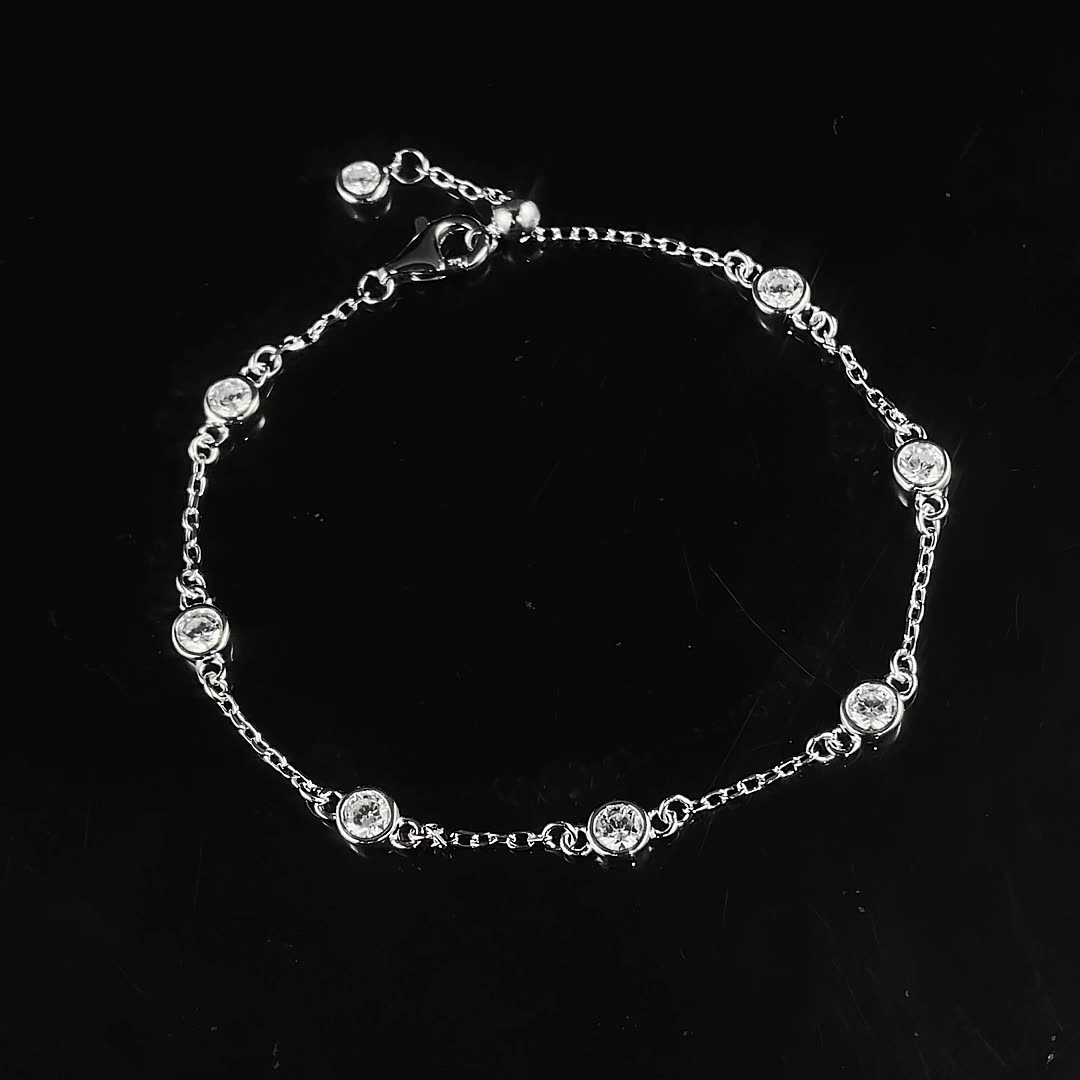
Jewelry Warranty Comparison Daily Wear Review for Everyday Buyers
Choosing jewelry for frequent wear takes more than liking the design. A Jewelry Warranty Comparison daily wear review helps you judge durability, service support, and the real cost of ownership Before You Buy. For rings, studs, tennis bracelets, pendants, and engagement jewelry, warranty terms can decide whether a small issue becomes a quick repair or an expensive surprise.
Daily wear pieces face more stress than special-occasion jewelry. Handwashing, workouts, commuting, and everyday bumps can loosen stones, wear down prongs, or stress clasps. The real question is not just whether a piece has a warranty. It is whether that warranty will help in real life.
What a Jewelry Warranty Means for Daily Wear
A jewelry warranty is the service promise that comes with a piece after purchase. It may cover manufacturing defects, setting issues, clasp failures, or certain repairs. Some warranties stay narrow and only cover factory defects. Others include inspections, stone tightening, resizing, or replating.
For everyday pieces, the value shows up over time. A ring with easy inspection service can cost less to own than a cheaper ring with expensive repairs. That matters most if you wear the piece on your hands, where contact and friction are constant.
GIA guidance on jewelry durability and maintenance points to prong wear and setting security as common concerns for frequently worn pieces. In our experience, customers usually notice these issues only after a stone starts to move. By then, the repair is more stressful and often more expensive than routine maintenance.
Why daily wear changes the math
A ring worn 12 hours a day does not age like a necklace saved for dinner. It takes more impact, more contact, and more cleaning. Service terms matter just as much as metal type or diamond size.
Would you rather save $100 at checkout or avoid a $250 repair later? For many buyers, the answer becomes clear once they compare the fine print.
Jewelry Warranty Comparison Daily Wear Review: Coverage Basics
A strong Jewelry Warranty Comparison daily wear review should focus on four things: what is covered, what is excluded, how often you must inspect the piece, and who handles repairs. Those details tell you far more than a glossy sales page ever will.
Manufacturer warranties
Manufacturer warranties usually cover defects in materials or workmanship. If a clasp fails because of a production flaw or a prong was made poorly, the brand may repair or replace the piece. These warranties are often limited and may not cover normal wear, accidental damage, or loss.
Retailer warranties
Retailer warranties come from the store selling the jewelry. They may include cleaning, inspections, stone tightening, or resizing. For daily wear items, this support can be useful because it often covers the smaller service needs that come with regular use.
Protection plans
Protection plans are usually optional and cost extra. They may include accidental damage coverage, replacement support, or repair benefits. The tradeoff is that many plans come with deductibles, claim rules, or proof-of-inspection requirements.
Common daily wear jewelry categories
Daily Wear Jewelry usually includes:
- Engagement rings and wedding bands
- Stackable rings
- Stud earrings and small hoops
- Pendants and chains
- Tennis bracelets and slim bangles
- Fine jewelry worn to work or travel
Each category wears differently. Rings need more stone checks. Chains need stronger clasps. Bracelets get hit with constant movement. A Jewelry Warranty Comparison daily wear review should match coverage to the piece, not just the price.
Terms you should understand before buying
Here are the terms that matter most:
- Repair – fixing a damaged part like a prong, clasp, or link.
- Stone tightening – securing loose stones before they fall out.
- Resizing – changing ring size, often with limits.
- Replacement – swapping a piece or stone when repair will not work.
- Inspection requirements – regular checkups needed to keep coverage active.
- Maintenance exclusions – issues the warranty will not cover, such as scratches or normal wear.
A warranty can look generous at first glance and still be hard to use. Read the rules, not just the headline.
Warranty Coverage Comparison: What Is Usually Included and Excluded
A good jewelry warranty comparison daily wear review depends on the details. Two warranties can sound similar and still work very differently once you need help.
What is often covered
Most warranties focus on problems tied to workmanship or early performance. Common inclusions are:
- Manufacturing defects
- Loose settings caused by workmanship issues
- Broken clasps or links due to defects
- Prong repair in limited cases
- Replating for some white gold pieces
- Ring resizing, sometimes once or for a fee
- Cleaning and inspection services
For diamond jewelry, stone security matters most. GIA and other gemology authorities regularly stress that settings need monitoring because even a well-made ring can loosen with time.
What is often excluded
Most warranties leave out issues caused by normal use, accident, or loss. Common exclusions are:
- Normal wear and tear
- Scratches and surface marks
- Bent bands from impact
- Chipped stones from accidental knocks
- Theft or mysterious disappearance
- Loss after neglected maintenance
- Damage from improper cleaning or misuse
Those exclusions sound standard, but the definitions can vary a lot. One brand may treat a bent shank as wear and tear. Another may call it accidental damage. That difference can decide whether your claim gets approved.
Quick coverage comparison
| Coverage Area | Basic Manufacturer Warranty | Retailer Warranty | Paid Protection Plan |
|---|---|---|---|
| Manufacturing defects | Often included | Often included | Usually included |
| Stone tightening | Sometimes limited | Often included | Often included |
| Resizing | Rarely included | Sometimes included | Sometimes included |
| Accidental damage | Usually excluded | Rarely included | May be included |
| Loss or theft | Excluded | Excluded | Sometimes included with limits |
| Routine inspection | May be required | Often required | Often required |
| Scratch and wear repair | Excluded | Rarely included | Sometimes included |
| Deductible | No | No or low | Often yes |
A basic warranty may protect the factory side of the sale, but a stronger retailer or protection plan may fit actual daily use better.
Fine print that changes the outcome
The biggest differences often hide in the service rules:
- Inspection frequency: Some warranties require annual or twice-yearly inspections.
- Authorized service only: Repairs may need to be done by the original seller.
- Shipping responsibility: You may pay both directions.
- Time limits: Some claims must be filed quickly after damage.
- Coverage caps: Repairs may have a dollar limit.
- Stone size limits: Larger stones may have different rules.
For high-contact pieces, those details matter more than broad promises. A 1.00 ct ring usually costs more to repair than a simple gold band, so service terms should match the piece’s value.
What to compare side by side
Use this checklist Before You Buy:
- What defects are covered?
- Is stone tightening included?
- How often are inspections required?
- Are repairs free or fee-based?
- Is resizing included?
- Does the warranty cover white gold replating?
- What happens if a stone is lost?
- Are accidents excluded?
- Who pays shipping?
- How long do repairs take?
A jewelry warranty comparison daily wear review works best when you compare the actual policy language line by line.
Daily Wear Review by Jewelry Category
Different jewelry types face different stress. Some pieces need very little service. Others need checkups on a regular basis. That is why this part of the jewelry warranty comparison daily wear review matters so much.
Rings
Rings are the most service-sensitive daily wear pieces. They hit desks, counters, steering wheels, and gym equipment all day long. Engagement rings and stackers usually need the most warranty support because prongs can loosen, bands can bend, and settings can wear down.
The best ring warranties usually include:
- Prong checks
- Stone tightening
- Resizing options
- Shank repair
- Cleaning and inspection
Design matters too. A low-profile setting usually holds up better than a tall cathedral style because it catches less. Platinum is durable, while gold alloys vary by karat and hardness.
Stud earrings
Studs often do well in daily wear because they have fewer moving parts. Their main risk is the post or backing. If either one is weak, the earring can be lost.
Look for warranty support that covers:
- Post or backing defects
- Stone security in the setting
- Repair or replacement for manufacturing issues
Pendants and necklaces
Pendants and chains can be sturdy, but clasps and jump rings are common failure points. Thin chains may stretch or kink over time, especially if they are worn nonstop.
Good coverage should include:
- Clasp replacement
- Link repair
- Bail repair
- Stone setting checks on pendants
Bracelets
Bracelets deal with constant motion and more contact than most people realize. Tennis bracelets deserve extra attention because each stone seat can become a weak point.
Strong bracelet coverage usually includes:
- Clasp repair
- Link repair
- Stone tightening
- Replacement options for damaged sections
Which pieces need service most often?
Based on common wear patterns and repair trends, these pieces tend to need the most service:
- Rings
- Tennis bracelets
- Fine chains
- Pendants with delicate bails
- Earrings with fragile backs or posts
Our customers often ask why rings sit at the top of the list. The answer is simple: they take the most contact. That makes the warranty more valuable, especially for engagement jewelry and pieces meant to be worn every day.
Price, Repairs, and Long-Term Value
A better warranty often costs more upfront, either through a service plan or a higher product price. The real question is whether that cost is lower than the repairs you might pay later.
Repair costs can add up fast
Here are common repair ranges buyers should expect:
- Prong retipping: about $40 to $150 per area
- Ring resizing: about $50 to $150 or more
- Clasp repair: about $35 to $100
- Stone tightening or resetting: varies by size and setting
- White gold replating: often needed from time to time
Those numbers change by design and metal, but they give you a useful baseline. If a warranty saves even one or two of those repairs, it may pay for itself.
Why stronger coverage can improve value
A premium warranty is worth more when it is easy to use. Routine inspections, clear repair rules, and fast claims matter a lot. That is especially true for lab-grown diamond jewelry, where buyers often compare total value instead of stone cost alone.
Lab-grown diamonds can cost significantly less than mined diamonds of similar size and quality. Industry pricing trends often show differences of 30% to 50% or more, depending on the stone. That price gap helps, but the savings are strongest when the jewelry is built for daily wear and backed by solid service.
Lower price or better protection?
Here is the simple tradeoff:
- Lower upfront price may mean fewer repairs and stricter exclusions.
- Higher upfront price may mean easier claims and lower maintenance risk.
If you will wear the piece every day, the second option often gives better value over time. A jewelry warranty comparison daily wear review should focus on the full cost of ownership, not just the checkout total.
What premium buyers should weigh most
If you are buying a higher-value piece, focus on:
- Setting security
- Metal durability
- Repair turnaround time
- Resizing support
- Inspection requirements
- Replacement terms
A strong warranty only helps if the process is simple enough to use. If claims are slow or confusing, the promise loses value.
What to Check Before You Buy
The smartest move is to match the piece, the warranty, and your routine. A daily wear ring needs different support than a necklace you only wear on weekends.
Fit and comfort
A Ring That Fits poorly will wear out faster and feel worse to wear. Ask whether resizing is included, whether there is a fee, and whether the style can actually be adjusted without harming the setting.
If sizing is on your mind, read our ring size guide before you place the order. A good fit lowers the chance of loss and reduces stress on the band.
Care and inspection rules
Most warranties expect reasonable care. That usually means:
- Removing jewelry before sports, heavy lifting, or harsh cleaning
- Cleaning with approved products
- Avoiding chlorine and abrasive chemicals
- Scheduling periodic inspections
Many brands require inspections every 6 or 12 months. If you know your schedule is packed, choose a warranty with realistic maintenance rules.
Questions to ask before checkout
Use this list Before You Buy:
- Does the warranty cover manufacturing defects and setting issues?
- Are stone tightening and prong checks included?
- Is resizing available, and how many times?
- How often are inspections required?
- What counts as normal wear and tear?
- Are accidental damage, theft, and loss excluded?
- Who pays for shipping to the service center?
- How long do repairs usually take?
- Are repairs handled in-house or sent elsewhere?
- What proof do I need to file a claim?
A seller that answers these clearly is usually easier to work with later. If the terms feel vague, keep shopping.
Buying habits that help over time
A few habits can make daily wear easier:
- Choose secure settings for diamonds and gemstones
- Pick sturdy clasps and thicker chains for frequent use
- Match metal choice to your lifestyle
- Save purchase records and warranty paperwork
- Set reminders for inspections
If you are comparing styles, explore our engagement rings and look at construction as carefully as design.
Best Next Step for Everyday Buyers
The best daily wear value comes from pieces with durable construction, clear service terms, and maintenance rules you can actually follow. In a jewelry warranty comparison daily wear review, the strongest options usually cover workmanship issues, support stone security, and make inspections easy.
If you want long-term confidence, choose a piece with practical protection and a seller who explains every rule upfront. Compare repair, resizing, and inspection terms Before You Buy. Then shop the piece that fits your routine as well as your style. If you want help narrowing it down, browse our diamond collection or build your ring with the details that matter most.
FAQ
What should I look for in a jewelry warranty for daily wear?
Look for clear coverage on manufacturing defects, stone security, clasps, and setting repairs. You also want simple service rules that do not make you jump through hoops. For a daily wear piece, the best jewelry warranty comparison daily wear review will show you whether the plan helps with likely repair needs, not just rare factory defects. Ask about inspections, shipping costs, and repair times Before You Buy. If the process sounds annoying now, it will feel worse later.
Does a jewelry warranty cover normal wear and tear?
Usually, it does not. Most warranties exclude normal wear and tear, accidental damage, theft, and loss. That is why the fine print matters so much in any jewelry warranty comparison daily wear review. The most useful plans still help with stone tightening, prong checks, and workmanship repairs. If you wear the piece every day, ask how the brand defines wear and tear.
Is a lifetime jewelry warranty worth it for an everyday ring?
It can be worth it if the coverage is broad and the claims process is simple. A lifetime warranty adds real value when it includes inspections, prong work, and resizing support. It is even better if the service rules fit your schedule. Buyers tend to get the most value when the warranty matches how often they actually wear the ring. If the process is hard to use, the lifetime label does not help much.
How often should daily wear jewelry be inspected for warranty compliance?
Many warranties require inspections every 6 months or once a year. That schedule helps catch loose stones, worn prongs, and clasp problems before they turn into bigger repairs. For any jewelry warranty comparison daily wear review, check the inspection rule first because missed visits can void coverage. Set calendar reminders so you do not forget. If you travel often, ask whether an authorized jeweler near you can do the check.
What is the best jewelry warranty comparison for everyday diamond jewelry?
The best comparison looks at coverage quality, exclusions, claim steps, inspection rules, and repair speed. For everyday diamond jewelry, stone security and easy service matter more than marketing claims. A strong jewelry warranty comparison daily wear review should also explain whether resizing, cleaning, and tightening are included. Look for a plan you will actually use, not just one that sounds impressive. That is what gives you the best long-term value.
Ready to Find Your Perfect Diamond?
Explore our collection of certified lab-grown diamonds
Shop Diamonds