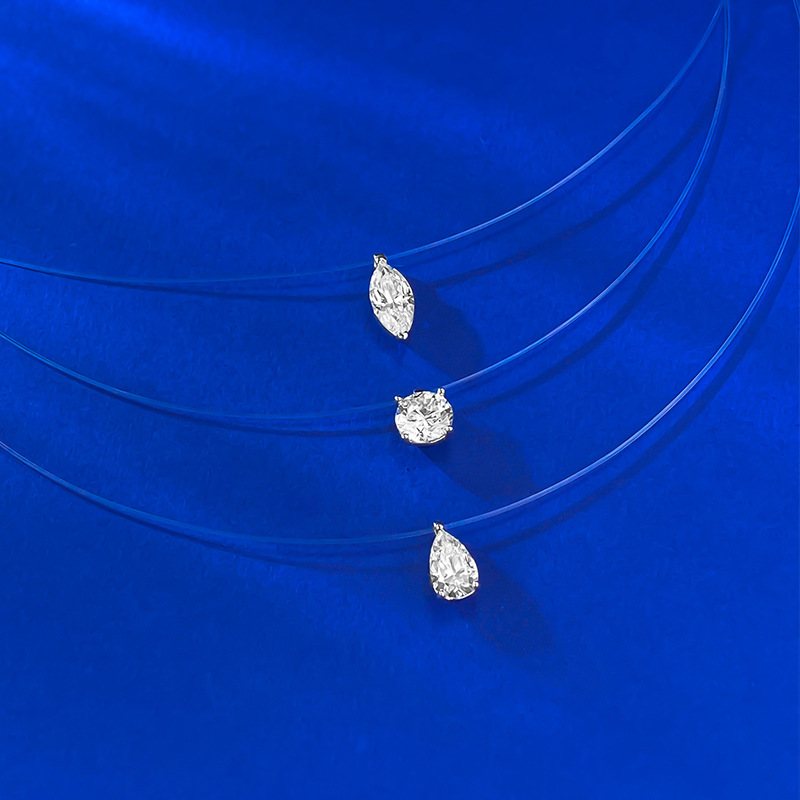
Jewelry Replacement Value Appraisal Price Factors to Compare Before You Buy
Jewelry Replacement Value Appraisal price factors shape what a piece costs to insure, what it would take to replace, and how confidently you can Buy Fine Jewelry. If you are comparing a diamond ring, a pendant, or a pair of earrings, these details help you avoid underinsuring a piece or paying too much for a vague appraisal.
The number on an appraisal is not a resale estimate. It shows the cost to replace a piece with something comparable at today’s retail level. That is why Jewelry Replacement Value Appraisal price factors matter so much for insurance, loss protection, and buying decisions.
A 2024 survey from the Insurance Information Institute found that about 60% of renters and homeowners had some form of property insurance, yet many still do not know what their personal items are really worth. That gap shows up fast with jewelry. Two rings can look similar and still carry very different replacement values. The difference usually comes down to the details below.
What Replacement Value Means in a Jewelry Appraisal
Replacement value is the cost to replace a jewelry item with a comparable piece from a retail source. In plain terms, an appraiser estimates what it would cost to buy a similar ring, necklace, bracelet, or earring set today using similar materials and design quality.
That number is usually higher than resale value because it reflects retail replacement, not a secondhand sale. A ring that might sell for a few thousand dollars used can carry a replacement value that is several hundred or several thousand dollars higher. The reason is simple: the appraiser has to price the metal, the stones, the labor, and current retail sourcing.
Here are the three values buyers often mix up:
| Value Type | What It Measures | Typical Use |
|---|---|---|
| Replacement Value | Cost to replace with a comparable retail item | Insurance and loss replacement |
| Fair Market Value | What a willing buyer may pay a willing seller | Estate planning, private sales, resale estimates |
| Liquidation Value | What a fast sale may bring | Pawn, closeout, urgent sale scenarios |
Replacement value appraisals are most often used for insurance. If a ring is lost, stolen, or badly damaged, the insurer uses the appraisal to decide what to pay under the policy terms. That makes accuracy critical.
Our customers often bring in older appraisals that no longer match current prices. We have seen a 1-carat diamond ring jump in replacement cost by hundreds of dollars just because the market moved and the setting was more complex than expected. If the appraised amount is too low, you may not have enough coverage. If it is too high, you may pay more in premiums than you need.
Buyers also use replacement value appraisals to plan a purchase with long-term protection in mind. That applies to engagement rings, anniversary gifts, custom pendants, and heirloom-style pieces. It also applies to lab-grown diamond jewelry, where the appraisal should reflect the exact stone type and current retail replacement cost rather than a generic diamond estimate.
According to GIA grading guidance, quality is measured through details like carat, cut, color, and clarity. Those same details shape retail replacement cost, which is why an appraiser cannot rely on appearance alone. Better documentation helps the appraiser match the item to current market sources with more precision.
The Main Jewelry Replacement Value Appraisal Price Factors
Most jewelry replacement value appraisal price factors fall into a few clear groups. Appraisers look at the materials, gemstone quality, workmanship, brand recognition, and the retail environment needed to replace the item.
The biggest drivers usually include:
- Precious metal type and purity
- Metal weight and total alloy content
- Diamond or gemstone size, quality, and grading
- Setting style and labor complexity
- Brand, designer, or custom origin
- Current retail pricing and supplier availability
- Comparable retail items used to build the estimate
These factors work together. A simple 14K gold solitaire ring with a modest center stone may appraise very differently from a pavé halo ring with a larger diamond, intricate prongs, and hand-finishing. The visual difference may seem small, but the cost to replace the more complex piece can be much higher.
For buyers, the real question is straightforward: what would it cost to buy this exact level of quality again? Jewelry replacement value appraisal price factors answer that question by tying the item to current retail reality.
Material Quality and Gemstone Characteristics
Material quality is one of the strongest jewelry replacement value appraisal price factors because the raw components drive both the cost of the piece and the cost of replacing it. Metal type, purity, weight, and stone quality all affect the final figure.
Precious metal type and purity
The metal itself matters. Platinum usually costs more to replace than 14K or 18K gold because it is denser, harder to work with, and often more expensive per finished piece. Between gold options, 18K gold generally appraises higher than 14K because it contains more pure gold.
White gold, yellow gold, and rose gold can each carry different replacement costs depending on alloy mix, finishing, and the market price of gold at the time of the appraisal. Metal weight matters too. A thick band, heavy chain, or larger pair of earrings can contain far more precious metal than a slim alternative.
Diamond characteristics that affect replacement cost
For diamond jewelry, the 4Cs still matter most: carat weight, cut, color, and clarity. GIA and IGI grading standards help define those quality benchmarks. A one-carat diamond with an excellent cut and better color and clarity grades will usually cost more to replace than a stone of the same size with lower grades.
The price gap can widen fast near common size points like 0.50 ct, 1.00 ct, 1.50 ct, and 2.00 ct, where pricing often rises in noticeable steps. Shape matters too. Round brilliant diamonds often cost more per carat than many fancy shapes because demand is stronger and cutting yields are less efficient.
Colored gemstones and accent stones
Gemstones such as sapphire, ruby, emerald, morganite, aquamarine, and opal each follow their own pricing patterns. A vivid blue sapphire in a larger size can be much more expensive to replace than a pale stone of similar dimensions. Clarity, origin, treatment, and color saturation all affect value.
Accent stones matter as well. Small melee diamonds across a pavé setting can add meaningful replacement cost because those stones must be sourced, matched, and set. That labor adds up quickly.
Lab-grown diamond specifics
Lab-grown diamonds need careful treatment in any appraisal. They are chemically and optically similar to natural diamonds, but retail pricing is different. For that reason, jewelry replacement value appraisal price factors should reflect the exact stone type and the current cost to replace it with a comparable lab-grown diamond, not a natural diamond.
For example, a 1.50-carat lab-grown diamond with an excellent cut may carry a very different replacement value than a natural diamond of the same size and grade range. The appraisal should clearly state whether the stone is lab-grown, include the relevant report details, and reference comparable retail sources for the same category.
If you are comparing options, shop our lab-grown diamonds to review quality, certification, and pricing.
Useful buyer checklist for materials and stones
Before you request an appraisal, gather these details:
- Metal type and karat stamp, such as 14K, 18K, or PT950
- Total carat weight for the diamond or gemstone
- Center stone grading report, if available
- Shape, measurements, and any laser inscription
- Color, clarity, and cut grade for diamonds
- Treatment disclosures for colored gemstones
- Lab-grown or natural diamond designation
The better the documentation, the more precise the replacement estimate.
Craftsmanship, Brand, and Design Complexity
Craftsmanship can change replacement cost even when two pieces use the same metal and gemstone type. A simple mount costs less to reproduce than a hand-engraved, diamond-accented setting with custom milgrain, side details, or a special profile.
Setting style and labor intensity
A prong setting, bezel setting, halo setting, tension setting, or pavé setting each requires different labor and skill. A ring with micro pavé around the shank may need dozens or even hundreds of small stones. Those stones must be matched, set, and secured, which raises replacement cost.
Labor matters because replacement value is not based only on material cost. It also includes the cost to recreate the full item. If a jeweler would need specialized tools or extra bench time to reproduce the design, the appraisal should account for that.
Brand and designer influence
Branded pieces often appraise higher because the replacement requires a comparable branded item, not just a similar-looking generic version. Designer collections, signature styles, and hallmarked pieces may carry premium retail pricing. In some cases, the brand itself creates part of the value because the buyer is replacing a specific design identity, not only the materials.
Custom-made pieces can be even more complex. If a ring was created to specific measurements, style preferences, or one-of-a-kind details, an appraiser must estimate the cost of reproducing those exact specifications. That can mean sourcing matching stones, replicating hand-finishing, and paying for custom bench work.
Why uniqueness affects appraisal estimates
The more unique a piece is, the harder it can be to find an exact retail comparable. Appraisers may need to build the replacement estimate from several similar sources instead of one exact match. That can push the value upward if the original piece would be expensive to recreate today.
For shoppers, that is useful to know. A piece with more craftsmanship may offer stronger long-term protection if it is insured correctly, but it also tends to cost more up front. If you want to compare ready-made and custom styles, browse our jewelry collection for a range of designs and materials.
Market Conditions, Retail Pricing, and Appraiser Method
Market conditions are another major part of jewelry replacement value appraisal price factors. Even if a piece stays physically the same, the retail cost to replace it can shift with metal prices, diamond pricing, supplier inventory, and customer demand.
How current pricing affects replacement value
Gold and platinum prices move. Diamond and gemstone pricing changes too, based on supply, demand, size, and quality tier. Retailers may also adjust prices because of manufacturing costs, shipping, tariffs, labor, and sourcing challenges.
Consider a 2-carat diamond ring set in platinum. If metal prices rise and diamond pricing strengthens, the cost to replace that ring may increase even if the original ring has not changed at all. The same is true for lab-grown diamond pieces, where retail pricing can shift as technology, inventory, and seller competition change.
A 2023 Bain & Company report on the global diamond industry noted that natural diamond pricing and supply trends have remained uneven across categories. That matters because replacement values track the market, not a static chart.
How appraisers build a replacement estimate
Professional appraisers do not guess. They build an estimate from evidence. That usually means comparing the piece to current retail offerings from jewelers, supplier catalogs, and recognized industry pricing references.
A strong appraisal includes the item description, measurements, materials, gemstone grades, and enough detail to identify a comparable replacement. A typical method may include:
- Inspecting the item under magnification
- Confirming metal stamps, stone type, and setting construction
- Reviewing any grading reports or certificates
- Comparing similar retail items and supplier listings
- Estimating the full replacement cost, including labor and finishing
Some appraisers use GIA, IGI, and market-based references to support their conclusions. The goal is not just to name a number. It is to support a number that reflects the current retail replacement environment.
Why updates matter
Because pricing changes, appraisals should be updated regularly. Many buyers refresh coverage every two to three years, or sooner if metal prices, gemstone pricing, or product availability change. If your policy still reflects an older value, you may be underinsured.
This matters most for engagement rings and heirloom-style pieces. A small shift in center stone pricing can create a large dollar difference in replacement cost. The same can happen with settings that rely on heavier gold weights or a larger number of accent stones.
If you are comparing pieces for a future appraisal, look for clear specs, metal content, and certification. Explore our engagement rings if you want to compare details Before You Buy.
Appraisal comparison table for shoppers
| Factor | What Appraisers Check | How It Affects Value |
|---|---|---|
| Metal type | Platinum, 18K gold, 14K gold, sterling silver | Higher purity or denser metals usually raise value |
| Gemstone quality | Carat, cut, color, clarity, shape | Better grades often increase replacement cost |
| Lab-grown vs natural | Stone origin and comparable retail pricing | Lab-grown and natural diamonds appraise differently |
| Craftsmanship | Hand setting, pavé, engraving, custom work | More labor can significantly increase cost |
| Brand/design | Designer mark or custom origin | Branded or unique pieces can appraise higher |
| Market conditions | Retail trends, supply, sourcing costs | Values may rise or fall over time |
Why These Factors Help You Buy With Confidence
Knowing how replacement value works helps you shop with more clarity. You can compare pieces based on the features that matter, not only the sticker price. A lower-priced ring can still have a high replacement value if it uses strong materials and skilled craftsmanship.
A more expensive ring may not always replace for much more if the design is simple. That is a detail many buyers miss. Why pay for a name or a setting feature you do not actually need?
It also helps with insurance planning. If you buy a ring without understanding the likely replacement value, you may pick the wrong coverage amount. That can create problems later if the piece is lost or damaged. A proper appraisal helps you align coverage with reality.
There is also budget value in the process. When you know how appraisal pricing works, you can make a more informed choice about metal type, diamond size, setting style, and certification. You may decide to prioritize a better cut grade, or choose a slightly smaller stone with stronger color and clarity.
Buyers who compare appraisal logic before purchase often feel more confident after the sale. The numbers are easier to verify, and the piece is easier to protect.
How to Evaluate a Piece Before Requesting an Appraisal
Before you send jewelry for appraisal or insurance documentation, gather the records that help identify it accurately. The more precise the identification, the better the estimate.
Documents to collect
- Original receipt or purchase invoice
- Diamond grading report or gemstone certificate
- Metal purity stamp photos
- Clear photos of the front, side, and underside of the piece
- Any previous appraisal documents
- Repair or resizing records, if available
Practical checks before appraisal
- Confirm ring size or bracelet length.
- Check for loose stones or worn prongs.
- Clean the piece gently so details are visible.
- Store documents together in a secure location.
- Note whether the stone is natural or lab-grown.
Size and condition can affect replacement planning. A ring that has been resized, repaired, or altered may need closer inspection so the appraiser can describe it correctly. If you are still working out fit before purchase, learn about ring sizing to reduce the chance of future adjustments.
When to request a re-evaluation
Request an updated appraisal if:
- It has been several years since the last one
- Metal prices have moved significantly
- You upgraded or reset the center stone
- The piece was resized or repaired
- Your insurance policy needs a current replacement figure
A re-evaluation keeps your records aligned with current retail costs and supports better protection.
When to Buy, Upgrade, or Insure With Confidence
Replacement value affects more than insurance paperwork. It shapes how you compare quality, certification, and price Before You Buy. If two pieces look similar, the one with clearer documentation, stronger grading, and transparent materials may offer better long-term value.
That is why smart shoppers review the replacement story before purchase. Ask whether the diamond or gemstone has a recognized report. Check the karat stamp. Review the setting details. Compare craftsmanship, not just carat weight. Those steps make the jewelry replacement value appraisal price factors easier to understand and easier to use.
If you want a piece that feels easier to insure and simpler to compare, choose a design with clear specs and reliable documentation. You can also contact our jewelry experts for help comparing materials, styles, and setting details Before You Buy. For more shopping tips, read more on our blog or view our FAQ.
FAQ
What are the main jewelry replacement value appraisal price factors I should compare before buying?
The main factors are metal type, gemstone quality, craftsmanship, brand, and current retail pricing. Those items drive the cost to replace a piece with something comparable, which is different from resale value. If you are comparing two similar pieces, ask for the metal stamp, stone report, and setting details so you can see why the numbers differ.
How do jewelry replacement value appraisal price factors affect my insurance coverage?
They help determine the dollar amount your insurer should use if the piece is lost, stolen, or damaged. If the appraisal is too low, your coverage may not be enough to replace the item at today’s prices. If it is too high, you may pay more in premiums than you need.
Do lab-grown diamonds use the same appraisal factors as natural diamonds?
Some factors are the same, like carat, cut, color, clarity, and setting quality. The big difference is the stone category and the retail market used for replacement. A lab-grown diamond should be appraised against comparable lab-grown pieces, not natural diamonds, because the pricing is different.
How often should I review jewelry replacement value appraisal price factors again?
A good rule is every two to three years, or sooner if gold, platinum, or diamond pricing shifts a lot. You should also review the appraisal after a repair, upgrade, resize, or reset. That keeps the value aligned with current retail replacement costs instead of outdated pricing.
What documents help an appraiser judge jewelry replacement value more accurately?
Bring your receipt, grading report, photos, and any old appraisal paperwork. These records help the appraiser confirm the stone, setting, and metal details without guessing. The more specific your documents are, the more useful the final appraisal will be for insurance and future planning.
Jewelry replacement value appraisal price factors matter any time you want to compare pieces, insure them properly, or Buy With Confidence. The key drivers are metal quality, gemstone grading, craftsmanship, brand, and the current retail cost to replace the item. If you are ready to shop with those factors in mind, explore our jewelry collection, shop our lab-grown diamonds, or start your ring design for a clearer path to the right piece.
Ready to Find Your Perfect Diamond?
Explore our collection of certified lab-grown diamonds
Shop Diamonds