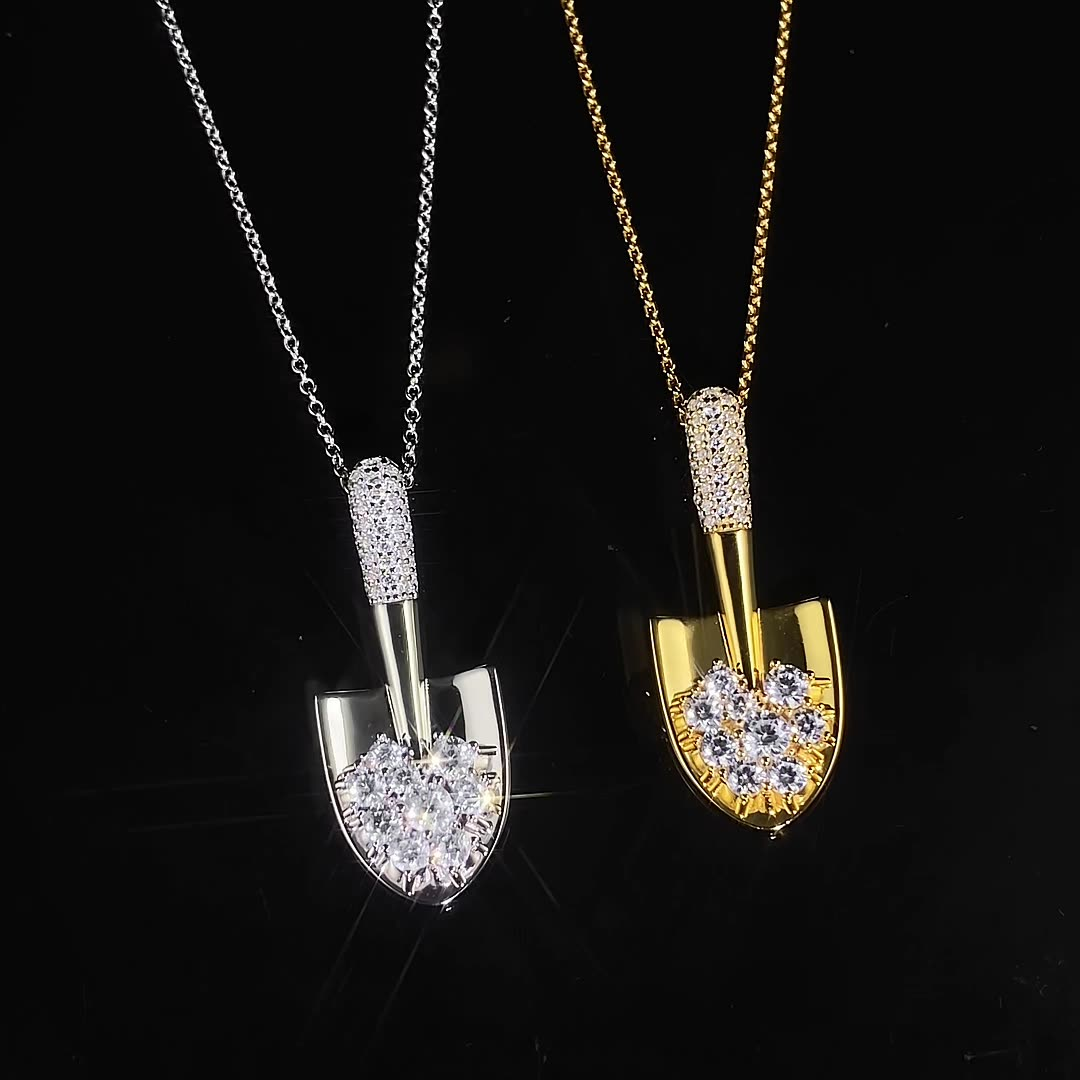
Anti Tarnish Jewelry Storage Inspection Checklist: What to Compare Before You Buy
An Anti Tarnish Jewelry Storage inspection checklist helps you compare storage before you spend money and before your favorite pieces go back into a drawer. It gives you a clear way to judge whether a jewelry box, pouch, or bag can really help protect metal finishes, gemstone settings, and everyday pieces from moisture, air exposure, and scratches.
If you own sterling silver, gold vermeil, platinum, or mixed-metal jewelry, storage matters more than most people think. Humidity, skin oils, perfume, and dust can all speed up dulling. A weak closure or a lining that wears out fast can do the same.
This comparison focuses on two common options: an anti tarnish jewelry box with lined compartments and an anti tarnish pouch or storage bag system. Both can work well, but they solve different problems. Which one fits your routine better?
What to compare in an anti tarnish jewelry storage inspection checklist
A useful Anti Tarnish Jewelry Storage inspection checklist looks past price and pretty packaging. It checks the features that actually affect protection: lining quality, closure strength, compartment design, moisture control, and how easy the storage is to inspect.
Jewelry care experts usually recommend storing pieces clean and dry. GIA also notes that regular cleaning before storage can help preserve appearance and reduce buildup on metal surfaces. That advice matters even more in humid rooms, closets near exterior walls, or homes with big temperature swings.
Use this quick checklist Before You Buy, or right after the box or pouch arrives:
- Interior lining quality
- Seal or closure strength
- Compartment layout and spacing
- Moisture control claims
- Scratch-prevention design
- Ease of access and daily use
- Travel durability or long-term storage performance
A good Anti Tarnish Jewelry Storage inspection checklist should help you choose storage that keeps pieces separate, limits rubbing, and fits the way you actually use your jewelry.
What makes jewelry storage truly anti tarnish?
Tarnish happens when metals react with sulfur compounds, oxygen, and moisture in the air. Sterling silver is especially prone to it, but gold-plated and vermeil pieces can also lose shine if they sit in a damp space for too long.
A product can be labeled anti tarnish and still fall short. Some storage pieces use treated cloth or tarnish-resistant lining. Others rely on tight lids, zippers, or separate compartments to slow air exposure. A few include anti tarnish strips or inserts. The label matters, but the construction matters more.
A solid Anti Tarnish Jewelry Storage inspection checklist should look for three layers of protection:
- Barrier protection: A lid, zipper, or clasp that helps limit fresh air exposure
- Surface protection: A soft lining or pouch material that reduces scratching and abrasion
- Environmental protection: A design that helps keep out dust and reduce humidity exposure
Retail product specs often focus on these details because storage conditions vary so much. A bathroom drawer and a climate-controlled closet don’t create the same conditions. If a storage item doesn’t close well, or the lining breaks down quickly, the anti tarnish claim loses value.
We’ve found that buyers usually notice the difference within the first few months. Better storage keeps pieces easy to grab and helps the finish stay cleaner longer.
Option A: Anti tarnish jewelry box with lined compartments
An anti tarnish jewelry box with lined compartments is the format most people know best. It usually has a structured outer shell, a fabric-lined interior, and separate spots for rings, studs, pendants, bracelets, and necklaces. Some versions use velvet, microfiber, suede-like fabric, or treated anti tarnish cloth.
This style stays popular for a reason. It looks polished, keeps pieces organized, and makes it easier to see what you own. That means less digging and less time leaving pieces exposed in open air.
Why a jewelry box works well
- Better organization: Compartments keep rings, earrings, and chains separated
- Easy visibility: You can inspect pieces without dumping everything out
- Gift appeal: It feels more polished and presentation-friendly
- Gentler daily access: Good for pieces you wear often
- Useful for mixed collections: Works well for sets, heirlooms, and special occasion jewelry
Many buyers prefer this style for fine jewelry because it adds structure. A 1-carat lab-grown diamond ring, for example, deserves a space that keeps the band from rubbing against harder pieces. If you’re building a collection from our jewelry collection, a box makes rotation easier.
Where jewelry boxes fall short
- Limited capacity: Smaller boxes fill up quickly
- Seal quality varies: A pretty box may not close tightly enough to limit air exposure
- Lining wear: Soft interiors can flatten, fray, or collect dust over time
- Not ideal for travel: Bulkier than pouch systems
- Humidity control is inconsistent: Many boxes don’t actively manage moisture
A jewelry box can still be an excellent anti tarnish choice, but only if the build supports the claim. A loose lid or weak latch undercuts the whole point. The same goes for a lining that pills after a few months.
If you’re comparing product pages, check whether the retailer lists the lining material, closure type, and whether the compartments keep pieces from touching. If the description stays vague, your Anti Tarnish Jewelry Storage Inspection checklist should flag it.
Jewelry box inspection checklist
Use this quick review before buying or after unboxing:
- Check whether the interior lining feels smooth and even, not thin or scratchy.
- Inspect stitching at compartment edges for loose threads or gaps.
- Open and close the lid several times to test hinge strength.
- Confirm whether the clasp closes firmly without wobbling.
- Measure compartment depth so rings and earrings sit securely.
- Look for necklace spacing or hooks that help prevent tangling.
- Press lightly on the lining to see if it cushions delicate pieces.
A well-made box should hold pieces in place without forcing them into tight spots. If a ring slot is too shallow, the ring may shift and rub against a nearby item. If necklace hooks sit too close together, chains can kink and knot.
Option B: Anti tarnish jewelry pouch or storage bag system
An anti tarnish pouch or storage bag system is a softer, more flexible option. These are often made from treated fabric, microfiber, or anti tarnish paper-style bags with zip closures. Some are sized for one piece, while others work better for travel sets or seasonal storage.
This option appeals to shoppers who want portability, a lower starting price, or a space-saving way to store fewer pieces. It’s also handy for people who rotate jewelry often and don’t want every item locked into a single compartment.
Why pouch storage can make sense
- Portable: Easy to pack for travel
- Compact: Fits in drawers, safes, and carry-ons
- Affordable: Often costs less than a structured box
- Flexible: Can store single pieces or small groups
- Useful for rotation: Good for jewelry you wear and store often
For travelers, a pouch system can be a smart pick. It fits beside a passport holder or watch case and moves easily between home and hotel. If you’re shopping for a gift or a delicate piece, you can also pair pouch storage with purchases from our lab-grown diamonds for a practical setup.
Where pouch systems fall short
- Less structure: Pieces can shift if packed loosely
- Higher tangling risk: Necklaces and chains need extra care
- Easy to misplace: Small pouches can disappear in drawers or luggage
- Pressure protection is weaker: Not ideal for heavy stacking
- Dust and moisture sealing varies: Some closures are better than others
A pouch can be anti tarnish by material, but that doesn’t guarantee full protection. If the zipper doesn’t seal well or the fabric feels thin, jewelry can still be exposed to air and moisture. That matters most for silver chains, bracelets, and multi-piece sets.
The best pouch systems usually include size choices, clear labeling, and a closure that feels firm without snagging. If a product says anti tarnish but gives no material details, it may be more of a convenience item than a real protective option.
Pouch inspection checklist
Review these points Before You Buy:
- Check fabric thickness by feeling whether it has body or feels paper-thin.
- Test the closure type. Zippers should glide smoothly and sit flush.
- Look for a sealed edge that helps block dust and humidity.
- Confirm that the pouch fits the piece without folding metal sharply.
- Check label clarity if you plan to store multiple items.
- Make sure the pouch can handle repeated opening and closing without fraying.
- Review whether the design suits travel or only short-term storage.
A pouch can be great for one pair of earrings or a single pendant. It’s not always the right choice for larger sets or heavy pieces that need more structure.
Side-by-side comparison: box vs. pouch storage
The easiest way to use an anti tarnish jewelry storage inspection checklist is to compare both formats by function, not appearance. A jewelry box and a pouch can both help protect metal finishes, but they do it in different ways.
| Comparison Factor | Anti Tarnish Jewelry Box | Anti Tarnish Pouch or Storage Bag |
|---|---|---|
| Protection level | Strong for at-home storage if well sealed | Good for individual piece protection, less structural support |
| Organization | Excellent for sorting and visibility | Basic unless labeled or grouped carefully |
| Accessibility | Very easy for daily use | Good, but less visual and less organized |
| Portability | Moderate to low | Excellent |
| Scratch prevention | Strong if compartments are padded and separate | Good for single items, weaker for mixed storage |
| Moisture resistance | Depends on lid and build quality | Depends on closure and material thickness |
| Best for | Rings, earrings, sets, everyday home use | Travel, spare pieces, minimal storage |
| Maintenance | Wipe interior and inspect hinges and lining | Check zipper, seams, and fraying regularly |
| Value | Higher upfront cost, better display appeal | Lower cost, practical for compact needs |
For rings, a lined box usually wins because it keeps each item in place. For earrings, especially studs and pairs that can get separated, the box also has the edge. For necklaces, the answer depends on the design. A box with dedicated hooks or spaced channels can stop tangles better than a pouch.
For fine jewelry sets, a box is usually the stronger choice. It gives you one location, organized separation, and easier inspection. If you own a diamond necklace, matching earrings, and a ring, a compartmented box helps keep the set together and reduces snagging.
If your collection includes engagement pieces or items you wear often, storage should support both care and access. You may even want to compare storage alongside setting choices, especially if you’re shopping through our engagement rings or using our ring builder.
Quick comparison by jewelry type
- Rings: Box is best for daily home storage; pouch works for travel.
- Earrings: Box is better for matched pairs and visibility.
- Necklaces: Box wins if it has hooks or spaced channels; pouch is fine for solo chains.
- Bracelets: Box is usually better for structure and scratch prevention.
- Fine jewelry sets: Box is the best overall fit.
- Minimal collections: Pouches can be enough if pieces are rotated often.
Price matters too. A well-made jewelry box may cost more upfront, but it often gives better value if you own several pieces. A pouch system costs less and may be ideal if you want a compact, no-fuss solution. The smart move is to match the product to your habits, not just the label.
Who should choose each anti tarnish storage option?
The right choice depends on how you use your jewelry.
Choose a jewelry box if you:
- Keep jewelry at home most of the time
- Want easy visibility and organization
- Own rings, earrings, and sets that need separation
- Prefer a display-ready look on a dresser or shelf
- Want a better system for heirlooms or higher-value pieces
Choose a pouch system if you:
- Travel often
- Store only a few pieces at a time
- Rotate jewelry frequently
- Want lower-cost protection
- Need a space-saving option for a drawer, safe, or carry-on
Choose a hybrid setup if you:
- Own both everyday jewelry and special-occasion pieces
- Want a box for at-home storage and pouches for travel
- Keep heirloom items separate from daily wear items
- Need different storage for sterling silver and diamonds
A hybrid system is often the most realistic choice. Store your daily wear pieces in a box so you can inspect them easily. Keep backups, travel pieces, or seasonal items in pouches. That gives you flexibility without giving up protection.
If you’re buying a new piece and want to protect it from day one, storage should be part of the plan. The same is true whether you’re choosing a classic gold necklace, a diamond pendant, or a lab-grown diamond ring. Good jewelry deserves good storage.
Expert recommendation: best choice for protection and daily use
For overall tarnish protection, usability, and long-term value, the editorial winner is the anti tarnish jewelry box with lined compartments. It gives most jewelry owners the best balance of structure, organization, and easy inspection. A box is especially helpful if you want pieces visible, separated, and ready to wear.
The pouch system still has a place in a smart storage plan. It works well for travel, minimal collections, and spare pieces. For regular home storage, though, the box usually gives better day-to-day protection and a better inspection routine.
Jewelry care guidance supports that choice. Clean pieces before storage, keep them dry, and avoid humid spots like bathrooms or windowsills. In lab testing and retailer specs, controlled storage often shows better results than open or loosely sealed storage. That’s not fancy talk. It’s basic protection that works.
If you’re ready to pair storage with a new purchase, shop StoneBridge Jewelry and choose Pieces That Fit your routine. You can also browse our jewelry collection for items that deserve careful storage, or contact our jewelry experts if you want help choosing the right setup.
FAQ: Anti tarnish jewelry storage inspection checklist
What should I look for in an anti tarnish jewelry storage inspection checklist?
Look for lining quality, closure strength, compartment design, moisture control, and scratch prevention. Your anti tarnish jewelry storage inspection checklist should also check how easy the storage is to clean and how well it keeps pieces apart. If you wear jewelry often, add daily access and travel use to the list. The best products make inspection simple, not annoying.
Are anti tarnish jewelry boxes better than anti tarnish pouches?
For home storage, jewelry boxes usually do a better job because they add structure and keep pieces separated. Pouches are better for travel, short-term storage, and a smaller number of items. If you want the safest setup for everyday use, a box usually wins on protection and visibility. Many shoppers end up using both.
How can I tell if jewelry storage is really anti tarnish?
Check whether the product explains its materials, lining, and closure in plain language. A real anti tarnish setup should reduce air exposure and give your jewelry a soft, separated place to rest. Look for details, not vague claims. If the listing avoids specifics, be cautious.
Can I store lab-grown diamond jewelry in anti tarnish organizers?
Yes, lab-grown diamond jewelry can go in the same kind of storage as mined diamond jewelry. The main goal is protecting the metal setting, preventing scratches, and keeping the piece clean and dry. If you’re comparing a ring box or pouch, choose the one that fits the setting and the way you wear the piece. For more help, read our blog or use our ring size guide.
How often should I inspect my jewelry storage?
Check storage every few weeks if you wear pieces often, or at least once a month for long-term items. Look for dust, moisture, worn lining, weak closures, and jewelry that’s starting to touch other pieces. Our customers often catch small problems early just by doing a quick monthly check. That habit can save a lot of cleaning later.
If you want the safest, easiest option for most collections, choose a lined jewelry box and keep pouches for travel. That setup gives you strong everyday protection and a simple inspection routine. For help choosing storage-friendly jewelry, shop StoneBridge Jewelry and ask our team for a recommendation that fits your collection and care habits.
Ready to Find Your Perfect Diamond?
Explore our collection of certified lab-grown diamonds
Shop Diamonds