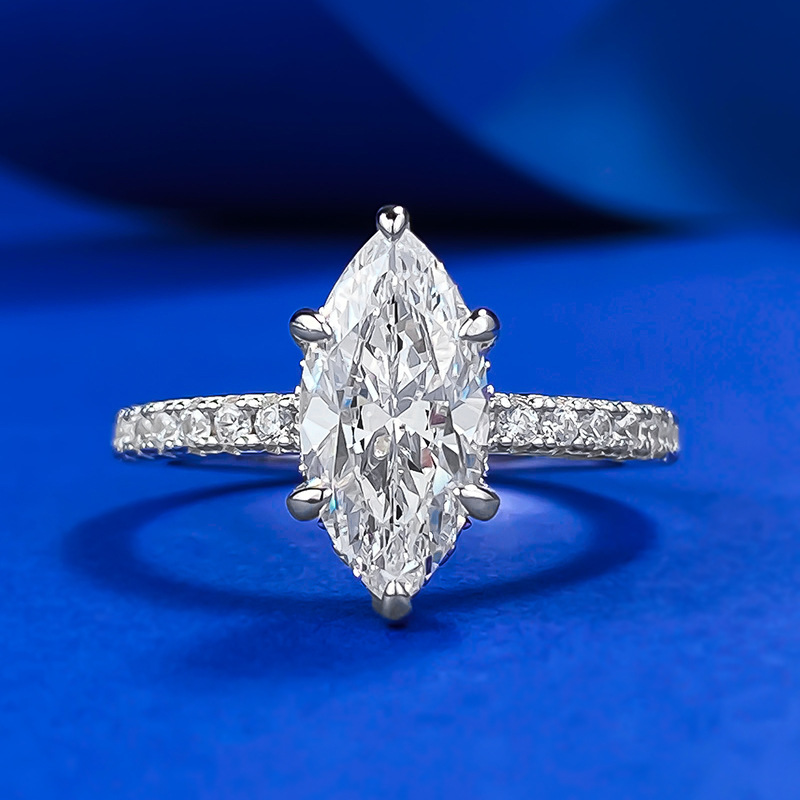
Jewelry Insurance Claim Photo Inventory: Document Fine Jewelry for Faster Claims
A jewelry insurance claim photo inventory gives you proof before you ever need to file a claim. It shows ownership, condition, and key details while the piece is still in your hands. If a ring, necklace, bracelet, or pair of earrings is lost, stolen, or damaged, that record can save time and stress.
Insurers usually want more than a vague description. They often ask for receipts, appraisals, and clear photos that show the item from several angles. Claims tend to move more smoothly when buyers keep everything in one organized file.
A good record matters even more for pieces with custom settings, colored stones, or a center diamond. Why guess at the details later when you can capture them now?
What a Jewelry Insurance Claim Photo Inventory Includes
A jewelry insurance claim photo inventory is a set of images and documents that helps identify each piece. Think of it as a visual record that supports your policy file.
It should do three things well:
- Show that the jewelry is yours.
- Show what it looked like before any loss or damage.
- Show the value tied to a recent appraisal or receipt.
That matters for engagement rings, heirlooms, and high-value gift pieces. A generic label like “diamond ring” does not tell an insurer much. A detailed inventory can show the shape, metal, setting, and unique marks that make replacement more accurate.
Industry sources back up this approach. GIA says clear viewing conditions matter for diamond identification because cut, polish, and symmetry affect how a stone presents. The same idea applies to insurance records. Better images make it easier to verify the piece later.
Many insurers also ask for updated appraisals every few years on high-value items. Buyers who update records after repairs or resizing often avoid the most common claim delays.
Why the Details Matter Before You Buy
The strongest jewelry insurance claim photo inventory starts at the time of purchase, not after the first wearing. If you know what to ask for Before You Buy, you can create a file that actually supports replacement. That begins with the diamond or gemstone specs, the metal, the setting, and the paperwork the seller can provide.
For diamonds, ask for the basics that affect value and identification: shape, carat weight, color, clarity, and cut. A round brilliant with G color and VS1 clarity will be documented very differently from a 1.50 carat oval with H color and SI1 clarity. If you are comparing stones, the certification matters too. GIA grading reports are widely respected for natural diamonds, while IGI reports are common for both natural and lab-grown stones. A report number, laser inscription, and plotted inclusions can all help with later verification.
For metal choice, note whether the piece is platinum, 14K gold, or 18K gold. Platinum is dense and naturally white, which can be attractive for a secure, durable ring, but it often costs more and may show surface patina over time. 14K gold is usually harder and more practical for everyday wear than 18K because it contains less pure gold. White gold may need rhodium plating to stay bright, while yellow gold and rose gold may be easier to maintain visually because they do not rely on a plated finish. The metal choice affects both replacement cost and future service records.
Setting style also affects claims and repairs. A solitaire is simpler to identify and usually easier to recreate, while a halo or pavé design uses many small stones that can be harder to match exactly. Shared prongs can make a ring look delicate, but they may also require more frequent maintenance. Bezel settings protect a center stone better than a high-prong setting, though they change the overall look and can influence how the appraiser describes the piece. The more specific your records, the less room there is for confusion if the item is ever gone.
Photos and Records to Keep Together
A strong jewelry insurance claim photo inventory should include more than one picture. It should also include the paperwork that supports the photos.
Photos to take for each piece
- Full front view
- Side view
- Back view
- Close-up of the center stone
- Close-up of prongs, clasps, or engraving
- Hallmark or metal stamp
- Any wear, chips, dents, or loose stones
If you own a diamond ring, add clear shots of the stone shape and setting style. If the item has a serial number, capture that too. The goal is simple: make the piece easy to identify without guesswork.
Records to save with the photos
- Receipt or invoice
- Appraisal from a qualified professional
- GIA, IGI, or similar grading report, when available
- Insurance policy page with coverage details
- Repair or resize receipts
If your jewelry includes a GIA-graded diamond, keep the report number in the same folder. For lab-grown diamonds, the grading report still helps confirm the stone’s size, color, clarity, and cut.
For colored gemstones, the photo inventory should also note treatments when known. Sapphires may be heat-treated, emeralds may be oil-treated, and some rubies and tourmalines have fracture filling or other enhancements. Those details can matter in valuation and replacement conversations. If the piece contains pearls, note pearl type, size, luster, and whether they are freshwater, Akoya, South Sea, or Tahitian. Pearls are especially sensitive to chemicals and wear, so good photos of nacre condition can be useful later.
How to Build Your Inventory at Home
You do not need a fancy setup to create a useful jewelry insurance claim photo inventory. A phone camera, good light, and a clean surface are enough for most pieces.
Step-by-step setup
1. Work on one item at a time
Lay out a single piece on a plain surface. Keep matched pairs together, like earrings or a wedding set.
2. Clean it gently
Use a soft cloth and mild soap if the piece can handle it. For antique, fragile, or high-value jewelry, ask a jeweler first.
3. Use even light
Natural daylight near a window usually works best. Try to avoid harsh shadows and yellow indoor lighting.
4. Choose a plain background
White, gray, or black backgrounds help the jewelry stand out. The piece should be the focus, not the table.
5. Take several angles
Capture front, side, back, and angled views. For rings, include the inner band and profile. For necklaces, show the clasp, chain, and pendant front and back.
6. Add close-up detail shots
Use macro mode or zoom for hallmarks, settings, and stone details. Keep the image sharp. If needed, steady your phone on a table or use a small tripod.
7. Save the paperwork in the same folder
Put the receipt, appraisal, grading report, and policy page beside the photos so you can find them fast.
A jewelry insurance claim photo inventory works best when it is easy to open and easy to read. Random phone images will not help much if you are under stress and trying to file a claim.
Simple tools that help
- Smartphone with a clean lens
- Microfiber cloth
- Plain cardstock or matte paper
- Small tripod or stand
- Jewelry tray or ring box
- Soft lamp with diffused light
Flash can create glare on diamonds and polished metal. If that happens, turn it off and adjust the angle instead. Small changes usually make a big difference.
If you are documenting a bridal set, photograph the engagement ring and wedding band separately and together. Matching rings can wear differently over time, especially at the contact points where they rub against each other. For earrings, include both pieces in the same image and then take individual close-ups if one side has a different back, post, or engraving. For bracelets, show the clasp, safety chain if present, and any stretch or hinge mechanism. A tennis bracelet, for example, should be photographed in a way that shows the line of stones and the clasp style clearly because those details often matter in repairs.
When to Update the Inventory
Jewelry changes over time, so your records should change too. A jewelry insurance claim photo inventory should match the item as closely as possible right now, not just the day you bought it.
Update it after:
- A new purchase
- A resize
- A repair
- Prong retipping
- Stone replacement
- Polishing that changes the finish
- Upgrades to the center stone or setting
- Any noticeable wear or damage
For example, if a ring is resized, the inner band may look different. If a clasp is replaced, photograph the new clasp. If you reset a stone, treat it like a fresh inventory entry.
This matters because insurers compare what you submit against what they expect to replace. The closer your file matches the item, the fewer questions you are likely to face.
It also helps to update the inventory when you change the way a piece is worn. A pendant might be moved to a heavier chain. A ring might go from everyday wear to occasional wear and pick up fewer scratches, or vice versa. If the piece has antique character, a new polishing job can reduce the visibility of hand engraving or milgrain. Those changes should be documented because they affect how the item will look in a claim review.
How Jewelry Specs Affect Replacement Value
Claims are easier to support when your photos and paperwork match the actual specs of the piece. Even small differences can change the replacement range. A 1.00 carat round diamond in 14K white gold usually costs less than a similar-looking ring in platinum with a higher color grade and a designer setting. A halo ring can also increase the amount of small diamonds that must be replaced if there is damage.
When buying a diamond, ask for the exact measurements, not just the carat weight. Two stones with the same carat weight can face up differently depending on cut quality and depth. For round brilliants, a well-cut stone may look brighter and larger than a deeper stone of the same weight. For elongated shapes like oval, marquise, or pear, length-to-width ratio can affect the style and the appraisal description. These details may seem minor at purchase, but they can shape the replacement discussion later.
For settings, note the number of prongs, the presence of a hidden halo, cathedral shoulders, bridge accents, and any engraving. Shared-prong eternity bands, for example, can be more expensive to repair because losing one small diamond may require a section-by-section restoration. Channel-set bands may be better protected from snagging, but if a stone falls out, matching the channel width and stone calibration becomes important. If you are buying a ring meant for daily wear, ask whether the design allows easy maintenance and whether the jeweler offers free prong inspections.
For price ranges, a jewelry record is especially useful once the piece moves into the mid- to high-value category. Many fine diamond rings start around the low thousands and can rise quickly with higher carat weights, better color and clarity, designer brands, or platinum settings. Custom bridal pieces can range from under $2,000 to well over $10,000 depending on the center stone and craftsmanship. Heirloom-level jewelry or large natural diamond pieces can be much more. The inventory helps justify those values with specifics rather than broad estimates.
Why the Inventory Helps During a Claim
A jewelry insurance claim photo inventory does more than protect paperwork. It helps you recover faster after a loss.
Faster review
Clear photos and supporting records give the adjuster the basics right away. That can cut down on follow-up questions about setting style, stone size, or condition before the loss.
Better replacement accuracy
A detailed file helps identify:
- Stone shape, like round, oval, emerald, or cushion
- Metal type, like platinum, white gold, yellow gold, or rose gold
- Setting style, like solitaire, halo, pavé, or three-stone
- Matching earring or band details
- Visible marks or custom work
That level of detail can make a real difference if you want a like-kind replacement. It also helps if you are replacing a piece with sentimental value that cannot be matched exactly.
Less stress after a loss
Many buyers feel better once their records are saved and backed up. If something happens, they already know where the photos, receipt, and appraisal are stored.
Good records also reduce the chance of delay over avoidable questions. Was the center stone natural or lab-grown? Was the mounting 14K or 18K? Did the band have pave shoulders or plain shoulders? Was the chain 16 inches or 18 inches? Those are simple questions when you have the inventory ready, but they can take time to answer if you are searching old email receipts or trying to remember a sales conversation months later.
What to Compare Before You Buy Insurance
Not every policy treats jewelry the same way. Before You Buy or renew coverage, compare the parts that affect a claim.
Compare these points
Documentation rules
- Does the insurer want photos, appraisals, or both?
- Is there a value limit before extra paperwork is required?
Deductibles
- Some policies use a fixed deductible.
- Others use a percentage, which can be higher on expensive pieces.
Replacement method
- Will the insurer repair, replace, or reimburse?
- Can you choose the jeweler?
Coverage type
- Scheduled coverage often gives more exact item protection.
- Broader coverage may be easier to buy but less specific for fine jewelry.
Update rules
- Some insurers want fresh appraisals every few years.
- Others ask for updates after major value changes.
What premium buyers should review
| Factor | Why it matters | What to ask |
|---|---|---|
| Claim documents | Helps prove ownership and value | What records do you want? |
| Replacement terms | Affects the final result | Repair, replace, or cash payout? |
| Deductible | Changes out-of-pocket cost | Fixed amount or percentage? |
| Appraisal updates | Keeps values current | How often should I update? |
| Digital access | Speeds up claims | Can I upload files online? |
If you are still shopping for a new piece, you can browse our jewelry collection or shop lab-grown diamonds while you build your records. If you want a custom design from the start, try our ring builder and save the paperwork on day one.
Before checkout, confirm the return window and whether the seller offers inspection time after delivery. Many buyers prefer a 10- to 30-day return or exchange period for fine jewelry, especially when buying online. Ask whether the piece ships fully insured and signature-required, and whether it arrives in branded packaging or a plain box. Those details matter for theft prevention and for proving the piece was received in the condition shown in the photos. Keep the shipping confirmation, tracking number, and unboxing photos with your inventory if the item is expensive or custom made.
Cost, Value, and Record Keeping
A jewelry insurance claim photo inventory usually costs very little to create. The biggest expense may be a professional appraisal, especially for a large collection or a rare piece.
Common cost items
- Appraisal updates
- Optional professional photography
- Cloud storage or backup service
- Insurance premiums
Those costs are small compared with the price of a fine ring or heirloom necklace. A lost receipt or outdated appraisal can slow a claim by days or weeks. A clear file can prevent that.
A few numbers help put this in context. A simple inventory might take 30 to 45 minutes per item. A professional appraisal can cost more for complex pieces, but it still protects a much larger value. If a policy has a deductible, a well-documented claim can reduce the chance of extra disputes.
Buyers should also think about resale and replacement ranges. A diamond ring purchased at retail may appraise higher than the amount paid on a sale or promotion, but that does not always mean the insurer will automatically cut a larger check. The policy wording matters more than the sticker price. It is also worth keeping records of any independent upgrade work, such as replacing a center stone with a better color grade or changing a setting from 14K to platinum. Those upgrades should appear in your file, or they may be missed when a claim is reviewed.
Care Habits That Keep the Inventory Accurate
Your records should reflect the jewelry as it changes. That means care matters just as much as storage.
Good habits to keep
- Store pieces separately so they do not scratch each other
- Clean them gently and regularly
- Save service and repair receipts
- Avoid harsh chemicals
- Check prongs, clasps, and settings often
These habits help the jewelry look its best and keep your photos useful later. They also make it easier to spot when a new photo set is needed.
If a ring is resized or polished, take fresh photos. If a necklace clasp is replaced, document it. If a stone is upgraded, rebuild the inventory entry from scratch.
Common care mistakes can also create claims issues. Ultrasonic cleaning is not safe for every stone, especially emeralds, opals, pearls, and some fracture-filled gems. Harsh household cleaners can dull metal or damage finishes. Storing rings together in a single pouch can scratch softer stones or loosen pavé. Even routine wear, like using a ring at the gym or in a chlorinated pool, can create damage that should be photographed and noted before it becomes more serious. If you notice a loose prong, stop wearing the piece and have it inspected; a missing stone is easier to describe and claim when the wear is already on record.
Common Mistakes to Avoid
Even buyers who save photos often miss a few details that matter during a claim.
- Using only one photo of the item instead of multiple angles
- Forgetting the hallmark, serial number, or engraving
- Saving screenshots without the original receipt or appraisal
- Failing to update the file after repairs or resizing
- Mixing all jewelry into one folder with no labels
- Ignoring the condition of the back, clasp, or underside
- Photographing in dim light that hides stone details
One of the most common problems is lack of specificity. A buyer may know a ring is “diamond and gold,” but that is not enough for an insurer or appraiser. Another issue is inconsistent naming. If your folder says “wedding ring,” your receipt says “engagement ring,” and your appraisal says “bridal set,” the file becomes harder to navigate. Use the same item name across photos, receipts, and policy records when possible.
It also helps to avoid over-editing images. Brightening a dark photo is fine, but filters and beauty edits can distort color, metal tone, and stone appearance. The inventory should be a realistic record, not a stylized product shot.
How to Organize a Multi-Piece Collection
Many buyers need a jewelry insurance claim photo inventory for more than one item. If you own multiple rings, earrings, chains, and bracelets, organize each piece like its own mini file.
Create one folder per item with a clear label such as:
- 1.20 ct round diamond engagement ring
- 14K yellow gold tennis bracelet
- Platinum sapphire earrings
- 18K white gold pendant necklace
Inside each folder, keep subfolders for photos, receipt, appraisal, repair history, and policy notes. If a set belongs together, place a master image at the top and then the individual pieces below it. This approach is especially useful for bridal jewelry, anniversary gifts, and inherited items with multiple components.
For larger collections, consider a spreadsheet or inventory list with columns for item name, purchase date, metal, gemstone, carat weight, certificate number, appraisal value, and storage location. A simple list can save time if you need to answer the insurer’s questions quickly. It can also help you spot which pieces still need updated photos or recent appraisals.
FAQs About Jewelry Insurance Claim Photo Inventory
What photos should be in a jewelry insurance claim photo inventory?
Take full-item photos from the front, side, and back, plus close-ups of hallmarks, settings, clasps, and stone details. Add photos of any wear, chips, or repairs so the record shows the piece’s true condition. A good jewelry insurance claim photo inventory should make the item easy to identify without seeing it in person.
How often should I update my jewelry insurance claim photo inventory?
Update it after any resize, repair, polish, stone change, or new purchase. If the finish or shape changes, take a fresh photo set right away. We also recommend reviewing your files once a year so your jewelry insurance claim photo inventory stays aligned with your policy and appraised value.
Can a jewelry insurance claim photo inventory help with theft claims?
Yes, it can help prove ownership and show the exact details of the missing piece. Clear photos, receipts, and appraisals give the insurer a stronger file to review. If the jewelry had custom work or a unique stone, the inventory can help identify it more accurately.
Do I need a jewelry insurance claim photo inventory for every piece?
You do not always need one for every item, but it is smart for anything you would hate to lose. That usually includes engagement rings, diamond studs, heirloom pieces, and custom designs. The more valuable or unique the item is, the more useful a jewelry insurance claim photo inventory becomes.
Where should I store my jewelry insurance claim photo inventory?
Store it in at least two places, such as encrypted cloud storage and an external drive. Keep the photos, appraisal, receipt, and policy pages in one folder by item name and date. If a claim comes up, a well-organized jewelry insurance claim photo inventory should be easy to find in minutes.
Should I include certification numbers and grading reports?
Yes. If your diamond or gemstone has a GIA, IGI, GCAL, or similar report, keep a copy with the item file and photograph any laser inscription if present. Certification numbers help match the stone to the paperwork, which is useful for replacement and valuation. If the stone is lab-grown, make sure that fact is clearly documented because it affects replacement options and pricing.
What if I bought the jewelry online?
Save the order confirmation, final invoice, return policy, and shipping records. Online purchases often arrive with less in-person documentation than a store purchase, so your own photos become even more important. Unbox the piece carefully, photograph the packaging if it is branded or sealed, and take clear shots before first wear. If there is a visible issue, report it within the return window and keep those messages in the same folder.
How detailed should the appraisal be?
An appraiser should include measurable details, not just a general description. Look for metal type, gemstone weight, shape, measurements, color, clarity, cut grade if applicable, setting style, and overall condition. For designer pieces, brand information and model details can also help. The more complete the appraisal, the easier it is to support the claim file later.
Protect Your Jewelry Before You Need It
A jewelry insurance claim photo inventory is one of the simplest ways to protect a valuable purchase. It gives you proof of ownership, condition, and value before a problem ever starts.
Do not wait until a loss forces you to look for old files. Build the record now, save it in more than one place, and update it when the jewelry changes. If you are buying something new, document it the same day.
Ready to keep your records tied to the piece from the start? Browse our jewelry collection, explore engagement rings, or contact our jewelry experts for help Before You Buy.
Ready to Find Your Perfect Diamond?
Explore our collection of certified lab-grown diamonds
Shop Diamonds