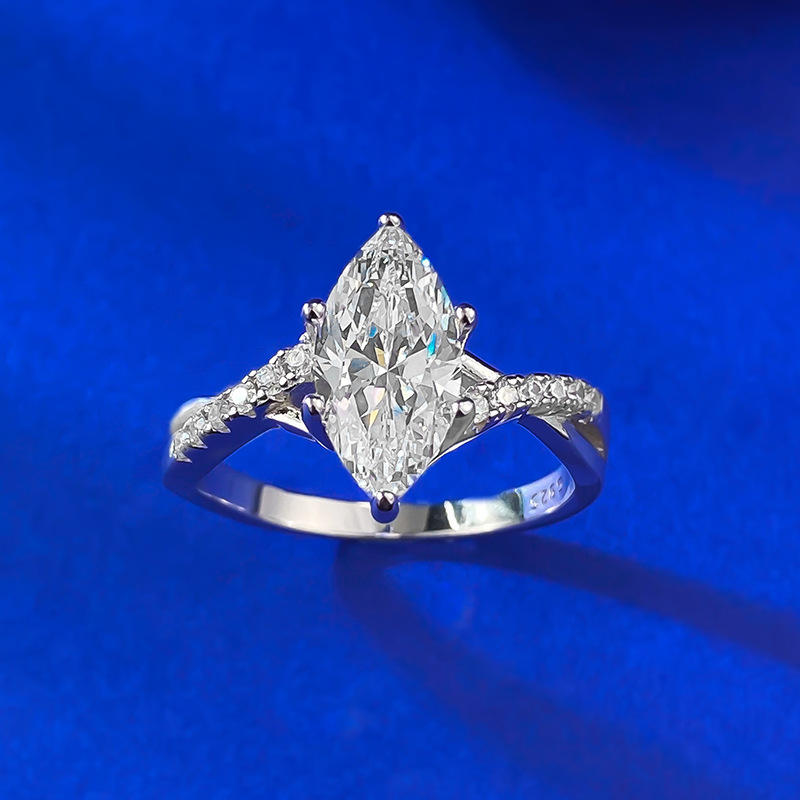
Pave Stone Loss Warranty Evidence: What to Check Before You Buy
Pave jewelry looks bright, delicate, and polished, but those tiny stones need more care than many buyers expect. If a stone goes missing, pave stone loss warranty evidence is what often decides whether a claim moves forward or stalls. The right records can show when you bought the piece, how you cared for it, and whether the loss fits the warranty terms.
That matters for engagement rings, fashion rings, earrings, and necklaces. A clear warranty can cut repair costs and make ownership less stressful. StoneBridge Jewelry offers lab-grown diamond and fine jewelry pieces for shoppers who want thoughtful design and straightforward support, so it helps to know what to review before you check out.
What should you save, and what should you ask the retailer? The answers are usually simple, but they’re easy to miss when you’re focused on style. This guide walks through the documents, product details, and care habits that can make a real difference later.
How a Pave Stone Loss Warranty Usually Works
A pave warranty often covers repair or replacement if a small accent stone falls out because of a covered workmanship issue. Some policies only cover defects from manufacturing. Others add limited accidental damage coverage or free inspections. A few include routine tightening or cleaning visits.
The terms vary a lot, so read the policy Before You Buy. Manufacturer coverage, retailer service plans, and separate insurance policies do not always protect the same thing.
Common coverage types
- Manufacturer warranty: Often covers setting defects, loose prongs, or workmanship problems.
- Retailer warranty: May include cleaning, inspections, tightening, or repair help.
- Accidental damage coverage: Can help if a bump, impact, or wear-related issue caused the loss.
- Insurance policy: Usually handled separately and may cover theft, accidental loss, or major damage.
For pave pieces, that difference is a big deal. A retailer may fix a missing stone under a service plan, while a manufacturer warranty may only apply if the setting failed. If the stone fell out after an impact, insurance or accidental damage coverage may be the better path.
What most claims ask for
Most claim reviews ask for a few basic items:
- Proof of purchase
- Original invoice or order confirmation
- Photos showing the damage
- Service or inspection history
- A jeweler’s report
- Proof that you followed the care rules
The cleaner your records, the easier the review tends to be. We’ve found that customers who keep simple maintenance notes usually have fewer delays when a support team asks for evidence.
Industry guidance from organizations such as GIA also points to a simple truth: fine jewelry lasts longer when it’s checked and cleaned on a regular schedule. A small habit now can save a lot of trouble later.
What Counts as Strong Pave Stone Loss Warranty Evidence
Good pave stone loss warranty evidence tells a clear story. You owned the piece, you maintained it, and the missing stone happened under conditions that fit the policy. Retailers and insurers may ask for different documents, but the same core records come up often.
The records that help most
- Proof of purchase: Receipt, invoice, or order confirmation with date and item details
- Appraisal papers: Helpful for fine jewelry and insurance claims
- Inspection reports: Notes from a jeweler who checked the setting
- Service records: Cleaning, tightening, repair, or stone replacement history
- Photos and video: Dated images before and after the loss
- Emails and case notes: Messages showing you reported the issue quickly
If you can show regular care and a clean timeline, your claim usually looks stronger. That doesn’t guarantee approval, but it does help the review feel straightforward.
Before-and-after photos matter more than people think
A photo taken before the loss and another after the stone disappears can do a lot of work for you. Try to show the full piece, not just the damaged spot. If you can capture the exact missing area, even better.
A few simple habits help:
- Use natural light or bright neutral light
- Photograph the piece from several angles
- Save the date in the file name
- Include the full item, not only the missing stone
- Keep any loose stone you find
Your timeline matters too. Write down when you first noticed the loss, where the piece was, and whether you felt any impact. That kind of detail supports the claim and keeps the story consistent.
Documentation that usually passes review faster
Warranty teams and insurers like records that are:
- Dated
- Easy to read
- Tied to the exact item
- Consistent with the jewelry’s condition
- Easy to verify against the sale
That’s why pave stone loss warranty evidence should start on day one. Save the invoice, keep service emails, and take a quick photo after each inspection or repair visit.
Product Features That Help Reduce Stone Loss
A strong warranty helps, but solid construction matters just as much. A well-made pave piece is less likely to lose stones in the first place.
Design details that affect durability
- Setting style: Micro pave, shared-prong pave, and bead-set designs wear differently.
- Stone size: Smaller stones can look refined, but they need precise placement.
- Metal choice: Platinum, 18K gold, and 14K gold each wear a bit differently.
- Craftsmanship: Seat depth, prong shape, and spacing affect retention.
- Design complexity: Curves, halos, and high-contact spots can add stress.
GIA notes that setting design and metal choice strongly affect daily wear. A pave ring with even stone placement and clean finishing usually holds up better than a similar piece with weak workmanship.
What to look for on the product page
Before You Buy, check for these details:
- Stone count and total carat weight
- Metal purity and color
- Full pave, half pave, or accent-only design
- Band width and profile
- Setting height
- Sizing limits
- Repair or inspection terms
Clear product pages make comparison easier. A slim pave band with many tiny stones may cost less than a heavier platinum piece, but it may also need more care. That tradeoff is normal. What matters is whether the price matches the build quality and support.
How lab-grown diamond quality affects value
If you’re buying lab-grown diamond pave jewelry, consistency matters. Matching color, cut, and brightness keeps the row looking even. Lab-grown diamonds graded by respected labs such as GIA or IGI give you a clearer way to compare quality.
Look for:
- Strong cut quality in center or accent stones when applicable
- Matching color across small stones
- Secure placement in high-contact areas
- Clear specs and certification details
Better construction can reduce service problems later. Sometimes a slightly higher price buys cleaner finishing and fewer repairs down the road.
Why Clear Warranty Terms Matter So Much
Clear service terms make ownership easier. When a policy explains what’s covered, how claims work, and what proof you need, you’re less likely to feel stuck if something goes wrong.
That’s why pave stone loss warranty evidence should be part of your buying checklist, not an afterthought.
Why shoppers like simple service terms
- Fewer surprises during a repair request
- Faster claims when documents are easy to find
- Better clarity around wear-and-tear exclusions
- More confidence for daily-wear pieces
- Less stress if you need resizing or maintenance later
This matters for engagement rings, but it also matters for pave earrings, pendants, and fashion rings. Frequent wear means more contact, and more contact means more chances for a stone to loosen.
What a helpful service program includes
A good warranty or service plan usually gives you:
- Clear claim steps
- A real support contact
- Repair timelines or process details
- Inspection and cleaning guidance
- Rules for resizing or third-party work
If a retailer explains how to keep coverage active, that’s a good sign. Vague terms can lead to headaches later. Clear language helps you save the right proof and keeps the path open for a valid claim.
If you’re comparing styles, explore our engagement rings for bridal-ready pave designs, or browse our jewelry collection for everyday pieces that still deserve strong records.
Price, Value, and Support: What to Compare
Pave jewelry pricing reflects more than stone count. You’re also paying for labor, setting precision, metal weight, and after-sale support. A lower-priced piece may look similar online but come with very different service terms.
What drives the price
- Stone count: More stones usually mean more labor.
- Metal choice: Platinum often costs more than gold.
- Setting complexity: Curved or multi-row designs take more skill.
- Certification: Clear grading adds trust.
- Warranty support: Better service can raise overall value.
Here’s a quick look at how value can change by tier:
| Buying Factor | Entry-Level Pave Piece | Mid-Tier Pave Piece | Premium Pave Piece |
|---|---|---|---|
| Metal | 10K/14K gold | 14K gold or platinum mix | 14K or 18K gold, platinum options |
| Setting | Basic micro pave | Improved precision setting | Tight, detailed craftsmanship |
| Documentation | Receipt only | Receipt + basic specs | Full specs + appraisal/support docs |
| Service | Limited | Moderate | Stronger repair and inspection terms |
| Maintenance | Occasional | Regular | Regular and tracked |
| Confidence | Lower | Medium | Higher |
Repair costs can add up. A simple tightening visit may be modest, but repeated repairs can make a cheaper piece more expensive over time. For many buyers, the real question is not just “What does it cost?” but “What will I spend to keep it in good shape?”
Questions worth asking before you buy
- Does the piece include inspection guidance?
- Are repairs done in-house or sent out?
- Can I resize it without losing coverage?
- Are accent stones covered the same way as the main stone?
- What proof will I need if a stone goes missing?
A higher price can still be the better deal if the workmanship and support are stronger. That’s especially true for Pieces You’ll Wear every day.
Care, Sizing, and Record Keeping Tips
A good warranty is only part of the plan. Smart care habits help protect both the jewelry and your pave stone loss warranty evidence.
Habits that help protect pave settings
- Take rings off before lifting, gym work, or yard work.
- Skip harsh chemicals like bleach and strong cleaners.
- Store each piece separately so it doesn’t rub.
- Clean gently with mild soap and a soft brush when needed.
- Schedule professional inspections for tightening and cleaning.
Pave settings wear at the edges and contact points first. Even a small hit can loosen a stone if the prongs have already weakened. Regular checks help catch small issues before they turn into a missing stone.
Sizing can affect coverage
Resizing is one of the fastest ways to run into warranty trouble. If an unauthorized jeweler alters the piece, the retailer may deny repair coverage, especially if the work affects the pave section or weakens the band.
Before resizing, confirm:
- Who is allowed to do the work
- Whether resized pieces stay covered
- Whether the pave area can be changed safely
- Whether the retailer needs the change documented
If you’re still deciding on fit, review our ring size guide before you place the order.
Keep your files organized
A simple folder can save time later.
Save digital and printed copies of:
- Order confirmation and invoice
- Product page or saved PDF
- Appraisal and certification papers
- Inspection receipts
- Repair records
- Email threads with the retailer
Also take photos from several angles when the piece arrives. Those first images can be useful proof if you ever need to file a claim. Good records are boring right up until they save the day.
If you want help reading service terms Before You Buy, contact our jewelry experts and ask your questions.
Frequently Asked Questions About Pave Stone Loss Warranty Evidence
What documents do I need for a pave stone loss warranty claim?
Most claims start with proof of purchase, clear photos, and any service records you have. Some retailers also ask for an inspection report or appraisal, especially if the piece is higher value. Keep your pave stone loss warranty evidence together in one folder so you can send it quickly.
Does a warranty cover missing pave stones on an engagement ring?
It depends on the warranty terms and the cause of the loss. Some plans cover workmanship issues, while others exclude wear, impact, or third-party repairs. If you’re buying an engagement ring, ask how pave accents are handled before you pay.
How can I prove a pave stone fell out of my ring?
Take dated photos as soon as you notice the loss. Keep the ring and any loose stone you find, and write down when and where you saw the problem. A jeweler’s inspection report can help confirm the condition and support your claim.
Will resizing a pave ring void the warranty?
It can, especially if the work is done by someone the retailer doesn’t approve. Ask who may resize the ring, whether the pave area can be altered, and whether you need written approval first. Unauthorized resizing is one of the most common reasons claims get denied.
How often should I inspect pave jewelry to protect coverage?
For daily-wear pieces, a check once or twice a year is a smart minimum. Rings that get heavy use may need more frequent inspections, especially if the pave stones sit near edges or corners. Regular service records can strengthen your pave stone loss warranty evidence if a claim ever comes up.
Shop Pave Jewelry with Confidence at StoneBridge Jewelry
The best pave purchases combine smart design, solid construction, and clear support terms. Before You Buy, read the warranty, review the product page, and save every key document. That simple habit can protect both your jewelry and your peace of mind.
StoneBridge Jewelry offers premium options for shoppers who value quality and long-term confidence. Compare styles, review support terms, and choose the piece that fits your look and your expectations. If you care about pave stone loss warranty evidence, the right retailer and the right records make all the difference.
Ready to shop? Browse our jewelry collection, review our lab-grown diamonds, or build your ring today.
Ready to Find Your Perfect Diamond?
Explore our collection of certified lab-grown diamonds
Shop Diamonds