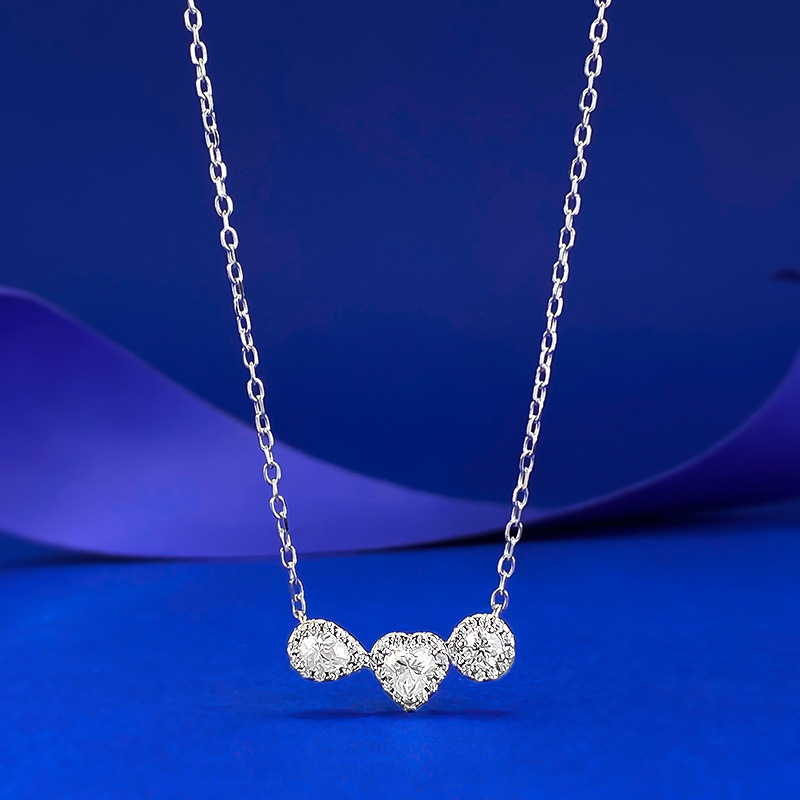
Jewelry Appraisal for Tennis Necklace Buyers: Insurance, Value, and Smart Shopping
A jewelry appraisal for tennis necklace ownership gives you more than a formal piece of paper. It documents what you bought, what it may cost to replace, and what an insurer or jeweler needs to know if the necklace is lost, damaged, repaired, or passed down.
That matters because a tennis necklace is not a simple chain. It may include dozens or even hundreds of matched diamonds, a flexible setting, a secure clasp, and precious metal that changes in value over time. One small detail can affect comfort, durability, and replacement cost.
If you're buying a lab-grown Diamond Tennis Necklace from StoneBridge Jewelry, an appraisal can turn the product details into a long-term ownership record. It can confirm diamond type, total carat weight, metal purity, setting style, clasp condition, and estimated replacement value.
Jewelry Appraisal for Tennis Necklace Basics
A jewelry appraisal for tennis necklace buyers usually reviews the necklace as a complete piece. The appraiser looks at the diamonds, metal, construction, measurements, condition, and any documents that came with the purchase.
For lab-grown diamond necklaces, the report should clearly state that the diamonds are laboratory-grown. Lab-grown and mined diamonds share the same core chemical and optical properties, but their market pricing is different. Clear wording keeps insurance records accurate and helps prevent confusion later.
A strong appraisal often includes photos, length, width, total carat weight, stone descriptions, metal type, clasp notes, and a value conclusion. Many insurance appraisals focus on replacement value, which estimates what it may cost to replace a similar necklace through retail channels.
Should you get the appraisal before or after buying? Most shoppers complete it shortly after purchase. Before checkout, you can make the process easier by choosing a necklace with clear specifications and saving every record.
Why a Tennis Necklace Appraisal Helps Before Insurance
A jewelry appraisal for tennis necklace insurance gives your policy a better description than “diamond necklace.” That short phrase leaves out the number of diamonds, total weight, metal, length, clasp style, and condition.
Insurers often need those details before adding valuable jewelry to a scheduled personal property policy or jewelry-specific policy. The appraisal can help set a coverage limit and support a claim if the necklace is lost, stolen, or damaged.
Replacement value is not the same as resale value. Replacement value estimates the cost to buy a comparable item in the current retail market. Resale value depends on buyer demand, timing, selling platform, and offers from the secondary market.
This difference surprises many first-time Fine Jewelry Buyers. A necklace purchased during a promotion may receive a replacement-value appraisal that is higher than the sale price. The appraiser is not predicting what you'd get if you sold it tomorrow.
What Appraisers Check in a Diamond Tennis Necklace
A jewelry appraisal for tennis necklace value focuses on beauty, durability, and replaceability. Since the stones run across the neckline, consistency is easy to see. A mismatch in color, size, or setting alignment can stand out quickly.
Appraisers commonly review:
- Diamond type, including lab-grown or mined origin
- Total carat weight and estimated individual stone size
- Cut, color, clarity, and overall diamond match
- Metal purity, such as 14k gold, 18k gold, or platinum
- Setting style, including prong, bezel, or shared-prong construction
- Clasp design, safety catch, and condition
- Flexibility, finish, repairs, wear, and supporting documents
GIA's 4Cs framework—cut, color, clarity, and carat weight—is one of the best-known diamond grading systems used by jewelers and appraisers. IGI is also widely used for lab-grown diamond grading, especially for reports that identify growth origin and quality characteristics.
An appraisal does not always replace a grading report. A grading report describes a diamond or parcel of diamonds, while an appraisal values the finished necklace for a stated purpose. Together, they create a stronger record.
Diamond Quality and Total Carat Weight
Diamond quality has a large effect on a jewelry appraisal for tennis necklace buyers. Cut affects sparkle, color affects how white or warm the stones look, and clarity notes the natural or growth-related characteristics inside the diamonds.
Total carat weight matters, but it doesn't tell the whole story. A 10 carat total weight necklace with many small diamonds looks different from a 10 carat necklace with fewer, larger stones. The appraiser may note both the total weight and the approximate size of the individual diamonds.
Consistency is often the first detail buyers notice. A necklace with even brightness, similar color, and smooth spacing usually looks more refined. Customers tend to feel more confident when the product listing explains both the carat weight and the overall diamond presentation.
Metal, Setting, and Clasp Details
Metal affects appearance, strength, weight, and value. In gold jewelry, 14k gold is 58.3% pure gold, while 18k gold is 75% pure gold. Platinum is naturally dense and can add a substantial feel, though it often costs more.
White gold gives a crisp, diamond-forward look. Yellow gold adds warmth. Rose gold creates a softer blush tone. The best choice depends on your wardrobe, skin tone, and how often you'll wear the necklace.
Setting style matters too. Prong settings let more light reach the diamonds. Bezel settings wrap metal around each stone for a smooth edge. Shared-prong styles can look delicate and bright, but they need careful inspection because nearby stones rely on shared security.
The clasp deserves real attention. A high-value tennis necklace should close firmly and, ideally, include a safety feature such as a box clasp, hidden lock, or figure-eight safety. A secure clasp can make the difference between relaxed wear and constant worry.
Documents to Save for a Jewelry Appraisal for Tennis Necklace Insurance
A jewelry appraisal for tennis necklace insurance becomes stronger when you bring complete records. The appraiser can still inspect the necklace without them, but paperwork reduces guesswork.
Save these items after purchase:
- Receipt or invoice with purchase date and price
- Product description from the retailer
- Diamond grading reports or certificates, if provided
- Metal details, including karat or platinum purity
- Warranty, service, or return information
- Photos of the necklace, clasp, hallmark, and packaging
- Prior appraisals, repair notes, or resizing records
Online buyers should also save the product page as a PDF or screenshot. Retail pages can change after a style sells out, and your saved copy can preserve the exact length, metal color, carat weight, and diamond description you selected.
StoneBridge Jewelry provides clear product details so buyers can compare necklaces before purchase and keep better ownership records afterward. You can browse fine jewelry styles at StoneBridge Jewelry and review diamond options through our lab-grown diamond collection.
Appraisal Value, Cost, and Timing
A jewelry appraisal for tennis necklace evaluation may cost more than an appraisal for a simple pendant. The appraiser may need to inspect many stones, each link, the clasp, and the overall condition of the necklace.
Fees vary by region, appraiser credentials, report detail, and necklace complexity. Some professionals charge a flat fee per item. Others charge by the hour.
Ask for the fee structure before booking. A transparent appraiser should explain the cost, turnaround time, value type, photo policy, and whether the report is suitable for insurance.
Professional groups such as the National Association of Jewelry Appraisers and the American Society of Appraisers publish standards and education for valuation work. Choosing a qualified appraiser matters because insurers, estate professionals, and repair jewelers may rely on the report.
Common Value Types
A clear report should state the type of value being provided. For most StoneBridge Jewelry shoppers, insurance replacement value is the most relevant first step.
| Value Type | Common Use | What It Means |
|---|---|---|
| Replacement value | Insurance coverage | Estimated cost to replace a similar item through retail channels |
| Fair market value | Estate or legal matters | Likely price between informed buyer and seller under normal conditions |
| Resale value | Selling the necklace | Expected offers in the secondary market |
| Liquidation value | Fast sale situations | Lower value tied to urgent selling conditions |
These numbers are not interchangeable. If you need the appraisal for insurance, tell the appraiser before the inspection. If you need estate, divorce, donation, or resale guidance, ask whether a different report is required.
Reappraisal Timing
Many jewelry professionals suggest updating appraisals every 2 to 3 years for valuable pieces. Market prices can shift, especially for gold, platinum, diamonds, and skilled labor.
A reappraisal may also make sense after a major repair, length adjustment, diamond replacement, or clasp rebuild. If the necklace changes, your insurance record should change with it.
Don't wait until a claim to discover the paperwork is outdated. A current jewelry appraisal for tennis necklace coverage helps your insurer understand what needs replacing and why the value is reasonable.
How to Choose a Necklace Worth Appraising
The best jewelry appraisal for tennis necklace ownership starts with a well-documented purchase. Look for listings that tell you what the necklace is made of and how it is built.
Before buying, check for:
- Lab-grown or mined diamond origin
- Total carat weight and diamond quality details
- Metal purity and metal color
- Necklace length and width
- Setting style and clasp design
- Return policy, warranty, and service information
- Available reports, certificates, or product documentation
A tennis necklace should also feel wearable. Common lengths range from about 14 inches to 18 inches. A 14-inch necklace may sit close like a choker, a 16-inch length often rests near the collarbone, and an 18-inch length gives a more relaxed drape.
Fit affects more than style. A necklace that is too tight can strain the clasp or links. A necklace that hangs too loosely may catch on clothing.
If you're buying a gift or choosing between sizes, contact our jewelry experts before ordering. For buyers planning a full bridal or anniversary look, our engagement rings and ring builder can help coordinate metal color and diamond style.
Care Tips That Protect Appraised Value
A jewelry appraisal for tennis necklace records the condition at one point in time. After that, care makes a real difference.
Store the necklace in a soft pouch or lined jewelry box so it doesn't rub against harder pieces. Avoid wearing it during workouts, swimming, gardening, or heavy cleaning. Chemicals, sweat, and sudden pulls can weaken settings or damage the finish.
Clean it gently with jewelry-safe methods. If you're unsure, ask a jeweler before using any cleaner. Some products that work on plain metal may not be ideal for finished fine jewelry.
Have the prongs, links, and clasp checked from time to time. Tennis necklaces move with the body, so flexible sections can wear. If a prong lifts or the clasp feels loose, stop wearing the necklace until it is inspected.
Why Buy an Appraisal-Ready Tennis Necklace From StoneBridge Jewelry
A jewelry appraisal for tennis necklace buyers is easier when the purchase record is clear from the start. StoneBridge Jewelry focuses on polished design, premium materials, and straightforward product details that help shoppers compare with confidence.
Our customers often tell us they want two things: a necklace that looks beautiful now and paperwork that makes ownership simpler later. That's why clear specifications, lab-grown diamond transparency, and secure checkout details matter.
Lab-grown Diamond Tennis Necklaces are a smart option for shoppers who want strong visual impact and refined design. They can offer impressive size and sparkle while keeping diamond origin clear for appraisal and insurance records.
If you've been comparing styles, review length, metal color, clasp design, and carat weight Before You Choose. Popular tennis necklaces can sell quickly, especially classic white gold and versatile collarbone-length styles.
Shop With Confidence, Then Protect the Piece
A jewelry appraisal for tennis necklace ownership gives your necklace a clear identity. It records the diamonds, metal, setting, clasp, condition, and replacement value in a way that helps with insurance, repairs, gifting, and estate planning.
The smartest approach starts before checkout. Choose a retailer with transparent specifications, save your documents, and understand the difference between replacement value and resale value. If you choose lab-grown diamonds, make sure that origin appears clearly in your records.
A tennis necklace is made to be noticed. It should also be protected. Explore StoneBridge Jewelry's appraisal-ready fine jewelry, choose the style that fits your life, and arrange a professional appraisal after purchase so your records match the beauty of the piece.
FAQ
Do I need a jewelry appraisal for tennis necklace insurance?
Most insurers ask for detailed records before scheduling high-value jewelry, and a jewelry appraisal for tennis necklace insurance can provide those details. The report usually lists the diamond type, total carat weight, metal, length, clasp, condition, and replacement value. Ask your insurer what value threshold requires an appraisal. Then keep the appraisal, receipt, photos, and product page together.
How much does a tennis necklace appraisal cost?
The cost depends on the appraiser, location, necklace complexity, and report format. A tennis necklace can take longer to evaluate than a simple pendant because the appraiser may inspect many diamonds, flexible links, and clasp parts. Ask whether the fee is flat or hourly before booking. Confirm that photos and insurance-ready wording are included.
What should I bring to a tennis necklace appraisal appointment?
Bring the receipt, order confirmation, product description, diamond reports, warranty details, and any prior appraisals. If you bought online, save the product page as a PDF or screenshot so the appraiser can compare the necklace to the original listing. Photos of the clasp, hallmark, and full necklace are useful too. Better records can lead to a more complete diamond necklace appraisal.
Is appraised value the same as resale value for a diamond tennis necklace?
No, they serve different purposes. Insurance appraisals often use replacement value, which estimates the retail cost to replace a comparable necklace. Resale value reflects what a buyer may pay in the secondary market. A jewelry appraisal for tennis necklace coverage may be higher than resale offers, especially if it includes retail labor, metal, and comparable availability.
How often should I update a jewelry appraisal for a tennis necklace?
Many owners update fine jewelry appraisals every 2 to 3 years, especially for valuable diamond pieces. You may need one sooner if gold, platinum, or diamond prices shift sharply. Reappraisal is also smart after length changes, clasp repairs, stone replacement, or major restoration. Check your insurance policy because some providers request current documentation.
Ready to Find Your Perfect Diamond?
Explore our collection of certified lab-grown diamonds
Shop Diamonds