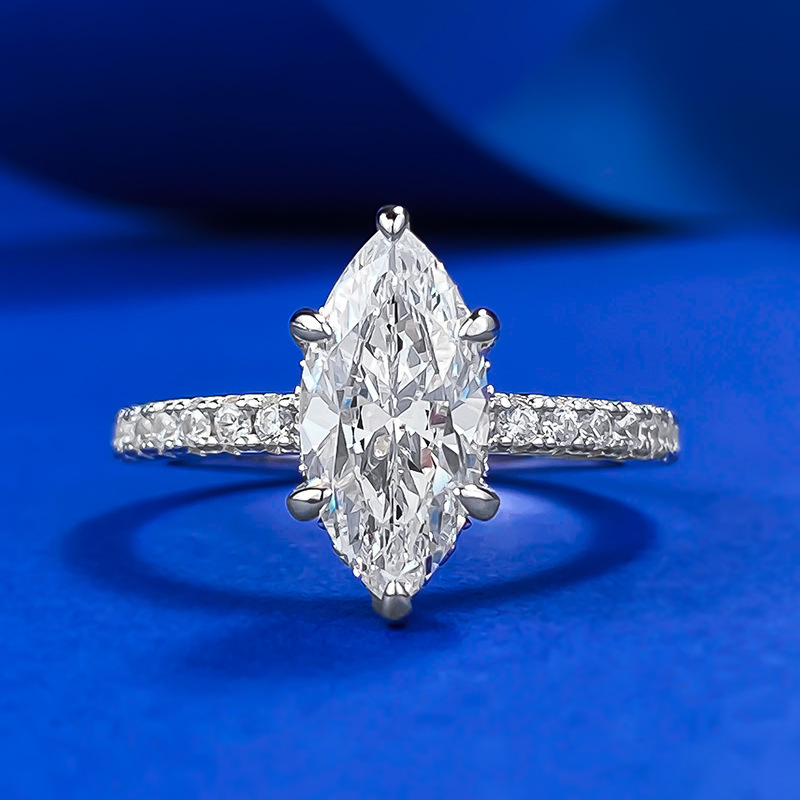
IGI Certificate Safe Storage Tips: Best Ways to Protect Your Report
An IGI certificate is more than a sheet of paper. It records a diamond or gemstone’s grading details, which can affect resale value, insurance claims, and future trade-ins. If you’re looking for igi certificate guide Safe Storage Tips, the goal is simple: keep the original report safe, easy to find, and ready when you need it.
How you store it depends on how often you use it, how much security you want, and whether you prefer home storage, off-site storage, or a digital copy. The right setup comes down to your routine and the value of the piece.
It also helps to understand what the report supports. If you bought a round brilliant diamond with a 1.00 carat weight, G-H color, and VS2 clarity, the certificate documents those details so you can compare it against similar stones later. If you chose an emerald cut, oval, or cushion cut, the report may be even more important because shape-related value can vary more widely from stone to stone. A clean, protected certificate is easiest to reference when you’re checking measurements, matching the piece to an appraisal, or deciding whether to upgrade the setting or the center stone later.
Why Safe Storage Matters for an IGI Certificate
An IGI grading report lists the facts buyers and jewelers use to identify a stone. For a diamond, that usually includes the 4Cs, measurements, fluorescence, polish, symmetry, proportions, plot diagrams, and a report number.
That paper trail matters. GIA says grading reports help buyers compare stones more confidently, and IGI reports serve the same practical purpose. If you plan to insure, sell, or upgrade the jewelry later, the report can save time and reduce back-and-forth.
The biggest risks are simple ones: moisture, bending, fading, and misplacement. Paper can crease during a move, get tucked into the wrong box, or pick up damage in a drawer. Theft is another concern if the report sits with other valuables in an obvious spot.
People usually regret two things: storing the report too casually, or making it so hard to reach that they stop checking it altogether. The best igi certificate guide Safe Storage Tips keep both problems in check.
A good storage choice should balance four things:
- Protection from theft
- Protection from fire, water, and humidity
- Easy access when you need the report
- Cost
For many buyers, that balance should also include how the jewelry itself is stored. A solitaire engagement ring with a platinum band, for example, may live in a different box than a pendant with a delicate chain. If the certificate and the jewelry are organized together in a master file, it becomes easier to track metal type, center-stone size, and any later changes such as resizing or resetting.
Home Storage Options for an IGI Certificate
Home storage is the most common choice because it keeps the report close to the jewelry. It’s also the easiest setup for most buyers. Still, a drawer isn’t the same as a fire-rated safe, and the difference matters.
Fire-resistant home safes
A quality home safe is often the strongest option for everyday storage. Look for a model with fire resistance for paper documents, water resistance, a solid lock, and enough space to keep the report flat.
Paper can start to fail at high heat, and household fires spread fast. A safe with document protection gives your report a much better chance of surviving smoke, heat, and water exposure. Many basic fire-resistant safes cost a few hundred dollars, while larger or stronger models can cost more.
If the report belongs to a valuable ring or a collection, that cost is usually easier to justify than replacing a lost document later.
When comparing safe sizes, think beyond the certificate alone. If you also keep a grading report, sales receipt, appraisal, insurance schedule, and a lab inscription photo, you’ll want enough room for all of them to stay flat. A cramped safe can cause edge curling, especially if papers are stuffed under a tray or pressed against a hinge. Choose a model that leaves room for sleeves, not just loose pages.
Fireproof document boxes
A fireproof document box is a simpler option. It’s lighter than a full safe and usually costs less, which makes it useful for people who want portable storage.
This option works well for receipts, appraisal papers, and a spare copy of the IGI certificate. It offers less theft resistance than a bolted safe, though, so don’t treat it like a vault.
Store the report flat in an acid-free sleeve or archival folder. That small step helps prevent edge wear, bends, and fingerprints.
If you’re buying a document box for jewelry paperwork, check whether it can handle the size of a folded insurance packet, a ring sizing receipt, and any certificate addendum pages. Some buyers also keep a small pouch with loose items like a loose diamond tag, GIA/IGI receipt, or old repair ticket. Keeping all of that together can prevent mistakes later, especially if you plan to compare a center stone’s original specs with a future appraisal.
Filing folders and document sleeves
If the certificate doesn’t need heavy security, a clean filing system can work. Use an acid-free sleeve, label the folder, and keep it in one fixed place.
This is one of the most practical igi certificate guide safe storage tips for day-to-day organization. It also helps if you want to keep purchase receipts, photos, and appraisal notes with the report.
For a simple home filing setup, create a dedicated jewelry folder for each piece or for each purchase. Include the IGI certificate, sales invoice, warranty card, metal information, and any notes about ring size, prong style, or setting type. If you bought a 14k white gold halo ring and later resized it to fit, those notes help you understand why the paper trail matters if you ever sell the piece or make an insurance claim.
Pros and cons of home storage
Home storage is convenient, but it has tradeoffs.
Pros:
- Fast access for insurance, resale, or appraisal
- No trips to a bank
- Easy to keep the report near the jewelry
Cons:
- More exposure to burglary or household accidents
- Less protection in a fire or flood
- Easier to misplace during travel or a move
Smart home storage habits
If you keep the original at home, follow a few simple rules:
- Keep the report flat in an acid-free sleeve.
- Store it away from sunlight, heat vents, and damp rooms.
- Add a silica gel packet or another moisture absorber.
- Keep a private inventory of where it’s stored.
- Save a scan in secure cloud storage.
- Keep the jewelry and report in the same system, but not taped together.
Taping the report to a jewelry box lid seems handy, but it can backfire. The paper can bend, stain, or tear if the box gets wet or tossed around. A separate sleeve is a safer choice.
Another common mistake is placing the certificate in the same obvious drawer as expensive watches, spare keys, or cash. If someone finds one valuable item, they may find the rest. A better habit is to store the report where only you or a trusted household member knows to look, and to avoid putting all valuables in one visible location.
Off-Site and Digital Backup Storage
If the report covers a high-value diamond, or if you rarely need it, off-site storage can make sense. This includes bank safe deposit boxes, private vault services, and digital backups.
Bank safe deposit boxes
A bank safe deposit box is a classic place for important papers. It offers strong physical security and keeps the report away from home theft.
The main benefit is peace of mind. Bank facilities usually have cameras, controlled entry, and limited access. If you don’t want valuable papers sitting at home, this can be a good fit.
The downside is access. You can’t grab the report at midnight before an appointment. Bank hours, holidays, and branch rules all matter. Fees vary, but many boxes cost under $100 per year, while larger boxes can cost several hundred dollars.
For buyers who plan to insure a 2.00 carat or larger diamond, a bank box can be useful because it keeps the original report separate from the jewelry. That matters if the stone is set in an engagement ring, tennis bracelet, or pendant that you wear regularly. Keep a note of the report number and box location in a private records sheet, but never place the only copy of the report in a box without also keeping a digital backup elsewhere.
Private vault services
Private vault services are another off-site option. They often include climate control, tighter access rules, and professional handling.
These services can be a strong choice for collectors or buyers with several high-value pieces. They usually cost more than a bank box, though, and you may need to schedule a visit before retrieving anything.
Private vaults are especially appealing if your collection includes multiple certified stones, high-karat gold pieces, or platinum settings with matching reports, appraisals, and receipts. If you buy and sell jewelry often, the ability to store paperwork together can reduce confusion between stones that look similar but have different color grades, clarity grades, or measurements.
Digital backups
A digital backup won’t replace the original IGI certificate, but it can save time. Scan both sides of the report at high resolution and store the file in at least two secure places, such as an encrypted cloud account and an offline drive.
Digital copies help with insurance, travel, and quick sharing with a jeweler or appraiser. They also help if the original gets lost or damaged.
Use a clear file name like “IGI-report-123456-diamond.pdf” so you can find it fast. A phone photo is better than nothing, but a scan is cleaner and easier to read.
When you save the scan, include the date of purchase, store name, carat weight, and setting type in the file notes if your system allows it. That information is useful if you need to confirm whether the stone is in a 18k yellow gold solitaire, a three-stone platinum ring, or a bezel-set pendant. The more complete the record, the less likely you are to confuse one piece with another later.
Off-site storage tradeoff
Off-site storage gives you stronger protection, but it cuts convenience. If you check your documents often, the trip can become annoying. Many buyers solve that by keeping the original off-site and the scan at home.
That hybrid setup is one of the most useful igi certificate guide safe storage tips for long-term owners.
Side-by-Side IGI Certificate Storage Comparison
The best method depends on how you use the report. Here’s a simple comparison.
| Storage method | Security | Access | Cost | Protection from disaster | Best use case |
|---|---|---|---|---|---|
| Drawer or basic folder | Low | High | Free | Low | Short-term, low-risk use |
| Acid-free folder in closet | Medium | High | Low | Low to medium | Organized home storage |
| Fire-resistant home safe | High | High | Medium | High for fire, medium for water | Most homeowners |
| Fireproof document box | Medium | High | Low to medium | Medium | Simple paper protection |
| Bank safe deposit box | High | Low to medium | Medium | High | Infrequent access |
| Private vault service | Very high | Low | High | Very high | High-value collections |
| Digital scan backup | N/A for original | Very high | Low | High for recovery | Backup and sharing |
Which option works best for each need?
- Fastest access: Home safe or organized home filing system
- Best theft protection: Bank box or private vault
- Best fire protection: Fire-rated safe or climate-controlled vault
- Best long-term setup: Bank box plus digital backup
- Best value for most buyers: Fire-resistant home safe with a scan saved separately
What to look for in real protection
Don’t rely on vague claims. Check the details Before You Buy a safe or box.
- Fire rating for paper documents
- Water resistance or sealing
- Humidity control
- Lock quality
- Insurance terms for off-site storage
If a product doesn’t mention document protection, treat that as a warning sign. Paper can still be ruined by damp air even if flames never touch it.
Also pay attention to placement. A fire-resistant safe does less good if it sits in a basement that floods, a garage that gets extremely hot, or a closet with recurring condensation. For jewelry paperwork, temperature consistency matters almost as much as lock strength. Buyers who live in humid climates should be especially careful about storing certificates in rooms with poor ventilation.
Who Should Choose Each Storage Method?
Different buyers need different setups. The best igi certificate guide safe storage tips depend on how you shop, travel, and store jewelry.
Everyday wearers
If you wear the piece often, a fire-resistant home safe is usually the best balance. It keeps the report close without leaving it exposed in a drawer or on a shelf.
Good fit:
- Home safe
- Acid-free sleeve
- Digital backup
Everyday wearers should also think about maintenance. If you have a prong-set diamond ring that gets cleaned often, the report may be needed when the jeweler checks the mount or confirms the stone after service. Keeping the certificate and the service history together prevents confusion if the setting changes or the ring is resized.
Frequent travelers
Travelers do better with a split system. Keep a scanned copy in secure cloud storage and leave the original in a protected place at home or off-site.
Good fit:
- Off-site original
- Encrypted digital copy
- Travel folder with a scan
If you travel with the jewelry itself, use a separate jewelry case with padded slots and keep the report out of checked luggage. The certificate is not something you need at customs in most cases, and it’s too easy to misplace while moving through airports or hotels. If you’re buying a piece abroad or receiving a shipment while traveling, take extra care to confirm the report number before leaving the store.
Collectors and high-value buyers
If you own several IGI-certified stones or a very valuable diamond, a bank box or private vault can be worth it. These buyers usually care more about preservation than quick access.
Good fit:
- Bank safe deposit box
- Private vault service
- Home file with copies of receipts and photos
Collectors should also track metal and setting details. A 14k rose gold pavé ring, a platinum solitaire, and a yellow gold pendant can each have different durability and repair needs. When you store the report, note whether the piece uses pave, channel, bezel, or cathedral styling. Those details matter during future repairs and can help a jeweler match the original structure if the item is damaged.
Buyers planning to insure or resell
If resale or insurance is part of your plan, keep the original clean and easy to verify. Appraisers and jewelers prefer documents that are easy to read and haven’t been damaged by handling.
Good fit:
- Fire-resistant safe or bank box
- Digital scan
- Supporting paperwork kept together
For resale, the combination of report number, stone measurements, and matching receipt can make the listing stronger. Buyers often ask whether the diamond is laser-inscribed, whether the report is recent, and whether the setting has been altered. If you keep notes on ring size, setting changes, or repair dates, you’ll be better prepared to answer those questions honestly and accurately.
Budget-conscious shoppers
If you want protection without paying for a vault, a basic fire-resistant safe or document box is still a solid upgrade from casual storage. It costs less than replacing a lost report and dealing with the paperwork later.
Good fit:
- Fireproof document box
- Affordable home safe
- Acid-free folder
Budget-conscious shoppers often get the most value by focusing on the report first and the jewelry box second. Even if you spent under $1,500 on a diamond ring, the paperwork can still matter for insurance and trade-in. A modest safe and a clear filing system are usually enough for this category.
Buying the Jewelry: Specs That Make the Report Worth Keeping
When a certificate is tied to a meaningful purchase, it helps to know what you’re protecting. Diamonds around 0.50 to 1.00 carat are common in engagement rings, while 1.50 to 2.00 carat stones can carry significantly higher prices depending on color, clarity, and cut quality. A well-cut round brilliant can cost more than a larger stone with weaker proportions, so the report is important for understanding why one diamond is priced higher than another.
If you’re shopping, pay attention to cut grade, table percentage, depth, fluorescence, and symmetry. A stone with excellent polish and symmetry may perform better visually than one with average finishing, even if the carat weight is the same. For fancy shapes, measurements matter even more because length-to-width ratio affects the look. An elongated oval at 1.38 ratio will appear different from one closer to 1.30.
Metal choice also affects the long-term value and maintenance of the piece. Platinum is dense, durable, and often preferred for premium settings, but it can cost more than 14k gold. White gold is popular because it gives a bright look at a lower price point, though it may need rhodium replating over time. Yellow gold is classic and often shows less rhodium-related upkeep, while rose gold can be a good fit for vintage-inspired styles. If your IGI report documents the stone accurately, the rest of the purchase becomes easier to track when you compare metal, setting, and labor costs.
Typical price ranges vary widely, but many buyers spend roughly $2,000 to $6,000 on a center stone and setting for a modest engagement ring, while larger or higher-quality diamonds can move well beyond that. Settings also change the total. A simple solitaire may cost less than a halo, three-stone, or cathedral mounting. If you choose a pave band or hidden halo, keep the report with the purchase paperwork because repairs and resizing can affect how the ring is insured and maintained.
Shipping, Returns, and Common Storage Mistakes
Safe storage starts before the certificate ever reaches your home. If the jewelry is shipped to you, ask whether the report arrives in the same package, in a separate envelope, or attached to the appraisal packet. Some sellers fold paperwork into the box with the ring, while others ship the report separately for security. If you’re buying online, confirm that the package is insured, signature-required, and trackable.
During returns or exchanges, don’t assume the original report is automatically accepted back in any condition. Keep the certificate clean, unfolded, and free of writing. If a return window is active, save the outer box, receipt, and order confirmation until the piece is finalized. If the diamond has a report number engraved on the girdle, verify that the number matches the document before you sign anything.
Common mistakes include storing the report in a bathroom, leaving it in a car glove box, folding it to fit a small envelope, or mixing multiple reports together without labels. Another frequent issue is forgetting which certificate belongs to which stone after upgrading or trading in a ring. If you buy more than one certified piece, create a simple index that lists the report number, stone shape, carat weight, metal type, and purchase date.
Expert Recommendation: The Best Balance of Safety and Convenience
For most shoppers, the best setup is a fire-resistant, water-resistant home safe plus a digital backup stored somewhere else. That gives you fast access, decent everyday protection, and a way to recover the information if the original is damaged.
Why do jewelers like this approach? It cuts down the most common risks without making the document hard to use. It also keeps the original close to the jewelry it describes, which makes life easier during appraisals or insurance updates.
If you own a very high-value stone, or if you almost never need the report, a bank safe deposit box may be the better choice. For most people, though, the home-safe-plus-backup method offers the best mix of safety and convenience.
One final practical note: if you’re planning to upgrade in the future, keep every version of the paperwork. A revised appraisal after resizing, replacing a mount, or resetting a diamond into a new band can help show the full history of the piece. That history is useful not only for value, but also for peace of mind when you hand the item to a jeweler for cleaning or repair.
FAQ: IGI Certificate Storage Questions Buyers Ask
What’s the safest way to store an IGI certificate at home?
A fire-resistant, water-resistant safe is the safest home option for most buyers. Keep the report flat in an acid-free sleeve and place it away from sunlight and moisture. We also recommend keeping a digital scan in a separate location, so you can recover the details if the original gets damaged.
Is a bank safe deposit box better than home storage for an IGI certificate?
It can be, especially if you rarely need the report and want stronger theft protection. A bank box works well for long-term storage, but access is limited by bank hours and branch rules. If you use the report often, a home safe may be easier to live with.
Can I laminate an IGI certificate to protect it?
We don’t recommend laminating it. Lamination can make the report harder to inspect, scan, or present for resale and insurance. A protective sleeve or acid-free folder is a much better choice because it protects the paper without changing it.
Should I keep the IGI certificate with the jewelry?
Keep them connected in your records, but not physically attached in a way that could cause damage. A labeled storage system with the original report in one place and a digital copy stored separately works well. That setup helps you avoid scratches, bending, or accidental loss.
What should I do if my IGI certificate is lost or damaged?
Start by gathering your purchase records, photos, and appraisal paperwork. Then contact the jeweler or IGI to ask about verification or replacement options. If you already have a scan, it can speed things up and make the process much less stressful.
How should I store an IGI certificate if I travel often?
Keep the original in a secure home safe or off-site box, then carry a digital copy instead of the paper report. That reduces the chance of loss while still giving you the information you need during the trip. For extra peace of mind, save the scan in encrypted cloud storage and an offline drive.
Do IGI certificates affect insurance or resale values?
Yes. A clear, original report makes it easier to describe the stone accurately, and insurers or buyers often rely on those details. The certificate itself does not guarantee a specific price, but it supports the information behind the price. If the diamond’s color, clarity, cut, or carat weight is well documented, it is easier to compare offers and file claims.
How often should I check the certificate after storing it?
Review it at least once a year or whenever you update insurance, resize the ring, or have the jewelry repaired. Check that the paper is still flat, clean, and legible, and confirm that the digital scan opens correctly. This quick habit helps you catch moisture damage, misfiling, or label mix-ups before they become problems.
Shop Jewelry and Storage Essentials
If you’re protecting an IGI-certified piece, pair the report with the right storage tools. Browse our jewelry collection for pieces that deserve careful storage, or start fresh with our ring builder if you’re planning a new purchase.
For a stronger setup, choose:
- A fire-resistant document safe
- An acid-free report sleeve
- A travel jewelry case
- A digital scan stored in secure cloud backup
Need help choosing the right setup for your report? Contact our team for guidance Before You Buy. We’re happy to help you protect the piece and the paperwork that goes with it.
Ready to Find Your Perfect Diamond?
Explore our collection of certified lab-grown diamonds
Shop Diamonds