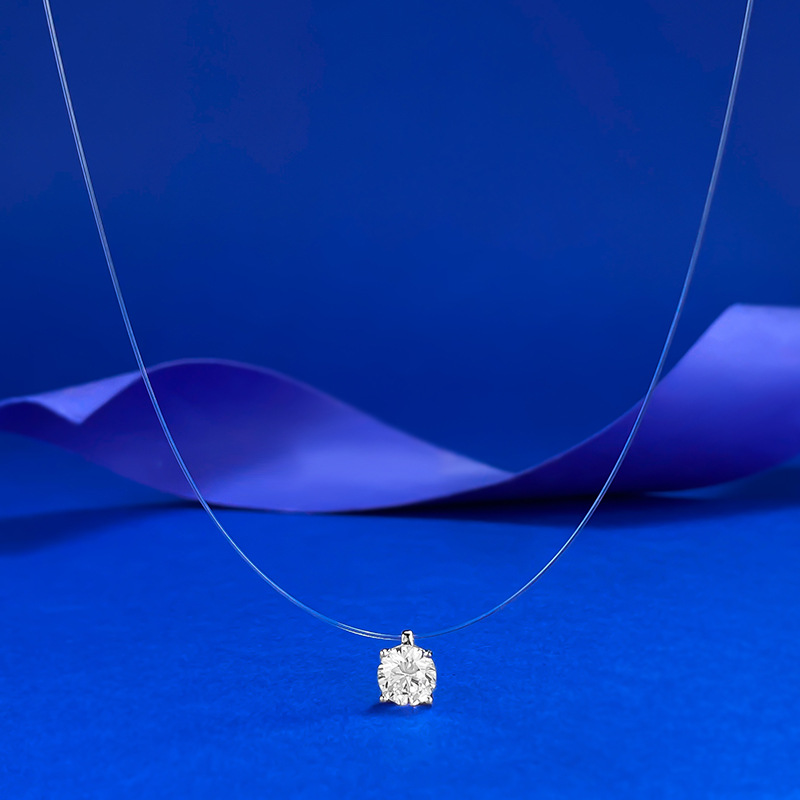
How to Pick the Right Chain Necklace Metal for Any Pendant
Choosing the Right chain necklace metal for pendant wear isn't only about color. It affects how secure the pendant feels, how the chain sits on your neck, how often you'll clean it, and how well it holds up after years of use.
A pretty pendant can still be frustrating on the wrong chain. It may twist, tarnish, irritate skin, or wear down faster than expected. That is why smart buyers look at the whole setup, not just the charm itself.
Most shoppers get better results when they compare six things first: metal type, pendant weight, skin sensitivity, daily routine, care needs, and budget. Get those right, and the necklace usually feels balanced from day one.
Why the Metal Matters in a Pendant Chain
Most people notice the pendant first. Fair enough. It is the focal point, whether you love a diamond solitaire, a cross, a birthstone, or a locket.
The chain does the hard work. It carries the weight, handles daily movement, and takes the brunt of contact with skin, hair products, clothing, and moisture.
A poor metal choice can lead to:
- faster wear at the links or clasp
- tarnish that dulls the whole necklace
- skin irritation from certain alloys
- an obvious color mismatch
- stretching, kinking, or breakage under a heavy pendant
So what makes the best chain necklace metal for pendant wear? Usually, it comes down to matching the metal to real life. A chain for weekend dinners can be finer than one you plan to wear every day. A valuable diamond pendant may call for platinum or 14K gold, while a casual charm may work well on sterling silver if you don't mind extra care.
The Gemological Institute of America, or GIA, explains that alloy mix affects hardness, color, and maintenance. Jewelers also check chain width, link style, clasp quality, and bail size because metal alone doesn't decide performance.
Common Necklace Metals and How They Wear
Fine jewelry chains are usually made from precious metals or lower-cost alternatives. The most common choices for a chain necklace metal for pendant pairing are yellow gold, white gold, rose gold, platinum, and sterling silver. Some shoppers also look at stainless steel, titanium, or gold vermeil.
Before comparing them, it helps to know a few simple terms.
Basic metal terms worth knowing
- Karat: Gold purity. Pure gold is 24K, but it is too soft for most chains.
- Alloy: A mix of metals used to improve strength, color, or wear.
- Purity: The amount of precious metal in the piece. For example, 14K gold is 58.5% pure gold.
- Plating: A thin surface layer applied over another metal.
- Hallmark: A stamp such as 10K, 14K, 18K, 925, or PT950.
GIA materials note that alloying changes how jewelry behaves over time. That is why 10K gold is often harder than 18K gold, and why sterling silver wears differently from platinum.
Sterling silver is 92.5% silver and 7.5% other metals, usually copper. Platinum jewelry is often marked PT950, which means 95% platinum. White gold is often finished with rhodium plating, and that bright white surface can wear down with use.
The best chain necklace metal for pendant choice depends on more than the label. You need to know what the chain is made of, how often you'll wear it, and how much upkeep you can tolerate.
What Makes a Good Pendant Chain
A good pendant chain needs more than shine. It needs enough strength to hold the pendant safely over time.
Here are the main things to check:
- pull strength: how well the chain handles force
- weight support: whether the links can carry the pendant without stretching
- clasp security: lobster clasps usually feel safer for heavier pendants
- kink resistance: important in slim or smooth chain styles
- bail fit: the chain should pass through the bail easily without scraping
A tiny chain can work for a petite pendant. A heavier drop needs more support. Many daily-wear pendants do well on chains around 1.0 mm to 1.8 mm, while heavier styles may need 2.0 mm or more. These are not hard rules, but they are helpful shopping markers.
Customers often ask if metal matters more than thickness. The short answer is no. Both matter. A premium metal in an ultra-thin chain can still be the wrong pick for a heavy pendant.
Match chain size to pendant weight
A practical way to shop is to group pendants by weight.
Light pendants include petite initials, small solitaires, and slim charms. These usually work on finer chains if the construction is solid.
Medium-weight pendants include gemstone drops, halo styles, and many lockets. These usually need a stronger chain with a dependable clasp.
Heavy pendants include larger medallions, cast designs, and substantial lockets. These need thicker chains, stronger links, and a metal that wears well over time.
If the seller lists chain width, gram weight, and clasp type, pay attention to those numbers. A chain that weighs 2 grams will behave very differently from one that weighs 5 grams, even if the style looks similar in photos.
Best Chain Necklace Metal for Pendant Styles by Material
The best chain necklace metal for pendant setup becomes easier to choose when you compare each metal side by side.
| Metal | Best Uses | Wear Strength | Maintenance | Skin Comfort | Relative Price |
|---|---|---|---|---|---|
| 10K Gold | Daily wear on a budget | Strong | Low to moderate | Usually good | $$ |
| 14K Gold | Everyday pendant chains | Very good | Low to moderate | Often good | $$$ |
| 18K Gold | Luxury pendants | Good but softer | Moderate | Often good | $$$$ |
| Platinum | Fine pendants, heirloom wear | Excellent | Low | Great for many wearers | $$$$$ |
| Sterling Silver | Affordable pendants | Moderate | Higher | Usually good | $ |
| Stainless Steel | Casual pendant looks | High | Low | Often good | $ |
| Titanium | Light modern styles | High | Low | Often good | $$ |
| Vermeil | Fashion jewelry | Surface wear varies | Moderate to high | Base metal matters | $$ |
A few takeaways stand out.
- 14K gold gives many shoppers the best mix of durability, appearance, and price.
- Platinum is ideal for valuable pendants and sensitive skin if the budget allows.
- Sterling silver looks beautiful, but it needs more upkeep.
- Alternative metals work for casual wear, though they are not always the best chain necklace metal for pendant choice for heirloom jewelry.
Gold chains for pendant wear
Gold stays popular for good reason. It is classic, easy to pair, and available in several purity levels.
10K gold is often the most budget-friendly solid gold option. Because it contains less pure gold, it is usually harder and better at resisting daily wear.
14K gold contains 58.5% pure gold. Many jewelers see it as the sweet spot for pendant chains because it balances strength, color, and price.
18K gold contains 75% pure gold. It has a richer color, but it is softer than 14K. That can make it better for special occasion wear or lighter pendants.
Gold also comes in different shades:
- yellow gold for a warm classic look
- white gold for a bright cool tone
- rose gold for a soft pink finish
For many shoppers, 14K yellow or white gold ends up being the best chain necklace metal for pendant use for daily wear.
Platinum, silver, and alternative metals
Platinum is dense, naturally white, and highly durable. It is often marked PT950, meaning 95% platinum. That high purity is one reason many buyers with sensitive skin prefer it.
Platinum also develops a patina rather than wearing away quickly at the surface. Some people love that soft finish. Others prefer occasional polishing.
Sterling silver is far more affordable and still looks refined. It is marked 925 because it contains 92.5% silver. The tradeoff is maintenance. Silver tarnishes faster than gold or platinum, especially in humid climates or around lotions and perfumes.
Alternative metals can still make sense in the right situation:
- stainless steel for low-cost daily wear
- titanium for a light modern feel
- gold vermeil for a gold look at a lower price
If you are pairing a fine pendant with a quality stone, you can shop lab-grown diamonds to compare options that work well with precious metal chains.
How to Match Chain Metal to Lifestyle, Skin, and Budget
The best chain necklace metal for pendant wear changes from person to person. Your routine matters. Your skin matters. Your budget matters too.
Wear frequency comes first
If you plan to wear the necklace most days, choose a metal that asks less of you. That often means 14K gold or platinum.
If the necklace is mostly for events, you may have more freedom to choose sterling silver, vermeil, or 18K gold.
Activity level matters more than people think
Do you sleep in your necklace? Do you work out in it? Do you have kids who grab at jewelry? Those details change what chain will hold up well.
A practical chain necklace metal for pendant choice often beats the daintiest option for real daily wear.
Think about climate and care habits
Silver tends to tarnish faster in humid conditions. White gold may need rhodium replating over time. Platinum usually needs less day-to-day care, though it can develop a patina.
If you want low fuss, solid gold and platinum are often easier long term.
Sensitive skin needs closer attention
Platinum is a strong pick for many people with sensitive skin. Some higher-quality gold alloys also work well. Nickel-containing white gold alloys can bother some wearers, so it is smart to ask what is in the mix.
Budget should match the pendant's value
A very valuable pendant deserves a chain that can support it well. If you are buying a diamond pendant or a sentimental piece, don't save money by choosing a chain that feels risky.
If you want to compare more precious metal styles, you can browse our fine jewelry collection or explore engagement ring settings for matching metal ideas.
Color Match and Finish: Should They Be Exact?
An exact match is the easiest choice. Yellow gold with yellow gold. Platinum with platinum. Sterling silver with sterling silver.
Mixed metals can look great when they feel intentional. A white gold pendant can work on platinum. A two-tone pendant can tie the whole look together. Rose gold can also warm up a stack nicely.
Keep undertones in mind:
- warm: yellow gold, rose gold
- cool: platinum, white gold, silver
- neutral: many diamond-forward or mixed-metal designs
Plated chains deserve extra caution. If the color depends on a thin outer layer, the tone may change with wear. That matters if you want the pendant and chain to keep matching over time.
Buying Tips Before You Choose a Pendant Chain
Before You Buy any chain necklace metal for pendant style, check the details that really affect wear.
What to inspect first
- Chain thickness in millimeters
- Chain length, often 16, 18, 20, or 24 inches
- Clasp type, especially for heavier pendants
- Hallmark such as 14K, 925, or PT950
- Bail fit so the pendant slides easily
- Return policy in case the pairing feels off
- Repair options if the chain is damaged later
It also helps to ask a few direct questions:
- Is the chain solid or hollow?
- Is the white gold rhodium plated?
- Does the sterling silver have an anti-tarnish finish?
- What is the width in millimeters?
- Is this chain recommended for daily wear?
Need help comparing styles? You can also build a custom ring or contact our jewelry team for guidance on metal pairings.
Common Mistakes Shoppers Make
Many chain problems are easy to avoid once you know what to look for.
Choosing by color alone
A chain can look like a perfect match and still be wrong for the pendant's weight or your skin.
Ignoring pendant weight
This is one of the most common mistakes we see. A heavy pendant on a fine chain may look good in a product photo and fail in daily use.
Picking an ultra-thin chain for everyday wear
Thin chains have their place. They are just not ideal for every pendant or every lifestyle.
Forgetting about maintenance
White gold may need replating. Sterling silver may tarnish. Platinum may soften into a patina. None of that is bad, but you should know what you are signing up for.
Assuming all gold is the same
10K, 14K, and 18K gold do not wear the same way. Solid gold, filled gold, and plated gold do not either.
FAQs About Chain Necklace Metal for Pendant Shopping
What is the best chain necklace metal for pendant jewelry you wear every day?
For everyday wear, 14K gold and platinum are usually the top choices. They offer good strength, a polished look, and less upkeep than silver or plated options. If your pendant is heavier, choose a thicker chain and a secure clasp too. The metal matters, but the full chain build matters just as much.
Is sterling silver good for a heavier pendant necklace?
Sterling silver can work for a heavier pendant if the chain is thick enough and well made. Look for solid construction, a dependable clasp, and enough width in millimeters. Silver does need more cleaning because it can tarnish faster than gold or platinum. If the pendant is expensive or worn daily, many buyers move up to 14K gold or platinum.
Should a pendant chain match the pendant metal exactly?
No, not always. Exact matches look classic and are the easiest to style, but mixed metals can look intentional and polished. Try to keep the undertones close, and pay attention to whether the pendant already includes more than one metal color. If the chain uses plating, remember that the finish may shift over time.
What necklace metal is best for sensitive skin?
Platinum is often one of the safest options for sensitive skin because it is highly pure and widely considered hypoallergenic. Many 14K gold alloys also work well, though some white gold blends may contain nickel. If you react to fashion jewelry, ask for exact metal details before buying. It is also smart to avoid low-quality plated chains for long wear.
How can I tell if a chain is strong enough for my pendant?
Check five things together: pendant weight, chain width, link style, clasp quality, and bail fit. A chain may look sturdy in a photo but still be hollow or too thin for the job. Ask for the width in millimeters and, if possible, the chain's gram weight. For valuable pendants, a jeweler should confirm the match Before You Buy.
Key Takeaways Before You Buy
The right chain necklace metal for pendant wear comes down to a few simple questions. Is it strong enough? Does it match the pendant well? Will it feel good on your skin? Can you live with the care it needs?
For many shoppers, 14K gold gives the best balance of durability, beauty, and price. Platinum stands out for premium pendants, high purity, and long-term wear. Sterling silver remains a good budget option if you do not mind more upkeep.
The best choice depends on how the necklace will be worn in real life, not just how it looks on a screen. If you want help pairing a pendant with the right metal, explore StoneBridge Jewelry collections, visit our FAQ page, or reach out for personal guidance.
Ready to Find Your Perfect Diamond?
Explore our collection of certified lab-grown diamonds
Shop Diamonds