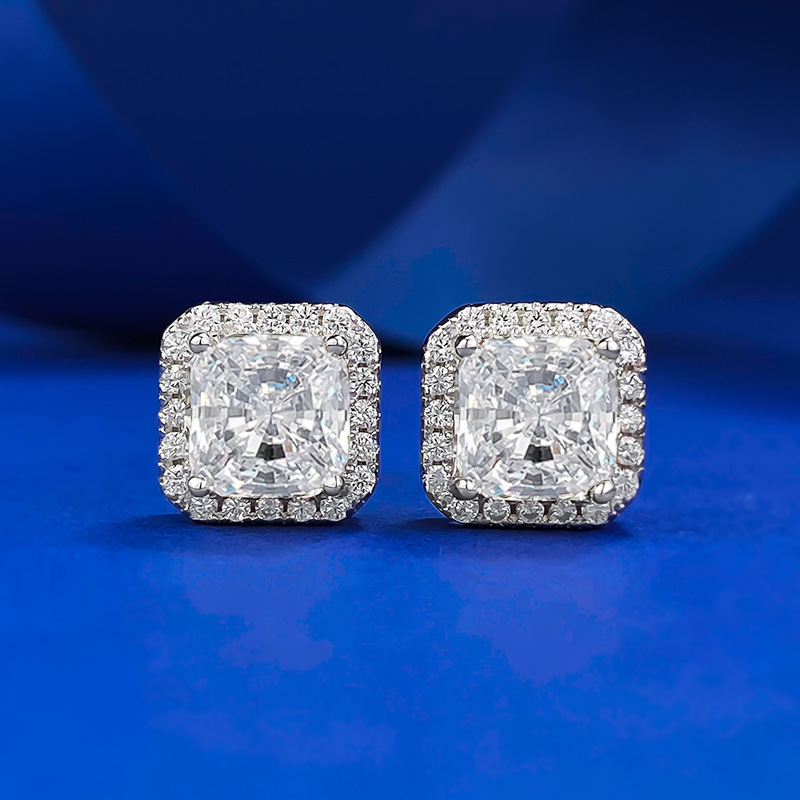
How to Clean Diamond Stud Earrings Safely Without Damaging the Setting
Diamond Stud Earrings are simple, timeless, and easy to wear every day. They also collect more buildup than many people expect. Oils from skin, lotion, sunscreen, makeup, hairspray, and dust can settle around the stone and dull the sparkle fast. If you want to clean diamond stud earrings safely, the right method protects the diamond, the metal, and the backings while restoring brightness.
That matters because diamond studs sit close to the skin and get handled often. Their compact shape is easier to maintain than hoop earrings, drop earrings, dangle earrings, or huggie earrings, but the setting still needs care. A safe routine keeps the stones secure and helps you avoid scratches, loose prongs, and worn earring backs.
The choice usually comes down to two options: gentle home cleaning or Professional Jewelry Cleaning. Each has a place. Home care works well for regular maintenance. A jeweler is the better choice when buildup is heavy, the mounting looks worn, or you want a full inspection along with cleaning.
For shoppers evaluating new studs, cleaning is worth thinking about before purchase, not just after. A well-cut diamond in a sturdy setting stays easier to maintain, while a fragile mounting can create ongoing care issues. If you already own a pair, a few minutes of routine upkeep can preserve both appearance and resale value.
How to Clean Diamond Stud Earrings Safely: What We’re Comparing
The goal is simple: clean Diamond Stud Earrings safely without weakening the setting or damaging the metal. Diamond studs can be made in gold, platinum, white gold, yellow gold, rose gold, or mixed metal settings, and each finish deserves a gentle touch. Even lab-Grown Diamond Earrings need the same care as mined stones if the setting is delicate or the prongs are thin.
Compared with hoop earrings, drop earrings, dangle earrings, and huggie earrings, diamond studs have fewer surfaces to clean. That makes them easier to maintain, but the prongs or bezel still matter more than many shoppers realize. Dirt can collect around the basket, under the stone, and near the post, where careless scrubbing can cause problems.
A clean result should never come from harsh chemicals or abrasion. Jewelry experts and gemologists generally recommend mild soap, warm water, and a soft brush for regular cleaning. For more complex issues, like loose stones or worn backs, professional service is safer. GIA guidance on jewelry care also supports routine inspection for settings that may loosen over time with daily wear.
If you’re buying diamond studs, look at the whole construction, not just the stone. A 1-carat total weight pair with sturdy prongs and secure friction backs can be a better long-term purchase than a larger pair with a thin, delicate mounting. The easiest pieces to care for are usually the ones made with sensible proportions from the start.
Diamond Specs That Affect Cleaning and Care
Not all diamond studs behave the same during cleaning. The diamond’s shape, size, cut quality, and mounting style affect how grime builds up and how carefully you need to handle the earrings.
Round brilliant studs are the most common choice because they sparkle strongly and tend to sit securely in classic settings. Princess cut, cushion cut, and oval studs can also be attractive, but corners and edges may require extra caution when brushing around the setting. Larger diamonds often have deeper baskets, which means residue can hide underneath the stone if you only wipe the visible top.
When shopping, pay attention to common grading details:
- Carat weight: Everyday studs are often sold as total carat weight pairs, such as 0.25 ctw, 0.50 ctw, 1.00 ctw, or 2.00 ctw.
- Color: Near-colorless grades such as G, H, I, and J are popular for white gold or platinum settings.
- Clarity: SI1 and SI2 can be excellent value for studs because small inclusions are often less visible once the earrings are worn.
- Cut: A well-cut diamond reflects light better and may look brighter even at a modest size.
Those specs affect price, but they also affect practicality. A well-proportioned 0.50 ctw pair in a secure setting may be easier to clean and wear daily than a much larger pair with thin prongs. If you are buying for everyday use, comfort and maintenance matter as much as size.
Metal Choices and Setting Tradeoffs
The metal around the diamond influences both the look of the earrings and the way you should care for them. Gold, platinum, and white gold each have strengths and weaknesses that are worth knowing Before You Buy or clean a pair.
Platinum is durable and resistant to wear, which makes it a strong choice for frequent wearers. It can still develop a patina over time, but the metal itself is sturdy. That said, platinum settings can be more expensive, and the prongs still need inspection because the diamond security depends on the craftsmanship as much as the metal.
White gold is a popular choice for diamond studs because it gives a bright, modern look at a lower cost than platinum. Many white gold pieces are rhodium-plated, which creates a polished finish. Over time, that plating may wear and need refreshing. Cleaning is usually simple, but avoid abrasive products that can dull the surface or accelerate wear.
Yellow gold is classic, slightly softer in appearance, and often a good match for warmer skin tones. It is easy to clean with mild soap, but polished yellow gold can scratch if it is rubbed with rough cloths or stored against other jewelry.
Rose gold offers a softer, romantic look and is often chosen for buyers who want something a little less traditional. It cleans the same way as other gold alloys, but the finish can show surface marks if handled roughly.
Setting style matters too:
- Prong settings: Usually show the most brilliance and are common in stud earrings, but the prongs need routine inspection.
- Bezel settings: Encircle the stone and can offer excellent protection, though they may trap residue along the edge.
- Martini settings: Sit close to the ear and can feel elegant, but the low profile may make cleaning the underside a little more awkward.
- Basket settings: Provide structure and airflow, yet can collect grime where the diamond meets the mount.
If you want the easiest maintenance, a secure prong or bezel setting in platinum or gold is usually a strong choice. If you want maximum sparkle with a lighter look, prongs may be ideal, but you should inspect them more often.
Option A: Gentle Home Cleaning for Diamond Studs
For most people, the safest at-home method is also the simplest. If you clean Diamond Stud Earrings safely on a regular schedule, you can keep them bright between professional checkups.
What you need
Use basic tools that won’t scratch metal or disturb the setting:
- A small bowl of warm water
- A few drops of mild dish soap
- A soft toothbrush or extra-soft jewelry brush
- A lint-free cloth or microfiber cloth
- A clean towel for drying
What to avoid
Some common products are too aggressive for stud earrings:
- Toothpaste
- Baking soda
- Bleach
- Ammonia-based cleaners unless a jeweler approves them
- Paper towels or rough fabrics that can scratch metal
- Hard brushes or sharp tools that can catch on prongs
Abrasives can dull polished gold and platinum. They can also wear at the edges of the setting. If the stud has a pave halo or tiny accent stones, extra caution matters even more.
Safe home-cleaning steps
- Mix warm water with a small amount of mild soap.
- Soak the diamond stud earrings for 10 to 20 minutes.
- Use a soft brush to gently clean around the diamond, the setting, and the post.
- Pay close attention to the underside of the stone, where lotion and skin oils often build up.
- Rinse well under clean lukewarm water.
- Dry with a lint-free cloth.
- Let the earrings air-dry fully before storing or wearing them.
This process works well for regular upkeep. It is especially useful if you wear your studs daily and want to prevent buildup before it becomes noticeable. Many jewelry-care professionals suggest light cleaning every one to two weeks for frequently worn pieces, especially if you apply skincare, sunscreen, perfume, or makeup near the ears.
For buyers, routine maintenance also helps protect the long-term value of the piece. A pair that is kept clean and inspected regularly is less likely to need major repairs, which matters whether you spent a few hundred dollars or several thousand on your studs.
Pros of home cleaning
- Low cost
- Fast and convenient
- Good for routine maintenance
- Easy to repeat often
- Helps keep diamond studs looking bright between inspections
Cons of home cleaning
- Won’t reveal hidden setting problems
- Can miss grime deep under the stone
- Requires careful handling
- Not ideal for loose, damaged, or heirloom pieces
If you already know your earrings are secure and in good condition, this method is the best day-to-day option. It gives you control without much risk, as long as you stay gentle.
Option B: Professional Jewelry Cleaning and Inspection
Professional cleaning does more than remove dirt. A jeweler typically examines the diamond studs, checks the prongs or bezel, looks for bent posts, tests the tension of the backs, and removes buildup from places a brush can’t reach.
That inspection matters. Many issues start small. A prong can loosen slightly. A backing can wear down. A bit of residue can hide under the stone and make the diamond look cloudy. During a professional service, ultrasonic cleaning or steam cleaning may be used only if the setting and stones are safe for it. A reputable jeweler will decide based on metal type, mounting condition, and overall security.
For diamond studs that are worn often, this is a smart safety net. GIA and other industry experts regularly stress that a secure setting is just as important as sparkle. A beautiful diamond loses value if the stone is at risk of falling out.
Professional care is also helpful before important moments. If you are buying Diamond Stud Earrings as a gift, preparing for a trip, or planning to resell a pair, a jeweler can confirm that the setting is sound and the stones are stable.
What a jeweler checks
- Loose prongs or worn bezels
- Stone security in the setting
- Condition of the post and back
- Residue inside the mounting
- Scratches, dents, or thinning metal
- Fit and strength of the earring backs
When professional cleaning is the better choice
Choose this route if:
- The studs are heirloom or high-value pieces
- You see visible grime that home cleaning doesn’t remove
- The setting looks bent, thin, or uneven
- The backs feel loose or weak
- The earrings haven’t been cleaned in a long time
- You want an inspection before travel, gifting, or resale
Pros of professional cleaning
- Deeper cleaning
- Setting inspection included
- Better for worn or valuable pieces
- Helps catch damage early
- Useful for gold, platinum, and complex settings
Cons of professional cleaning
- Costs more than home care
- Requires a store visit or shipping
- May not be needed for every routine clean
- Timing depends on service availability
If you own high-carat diamond studs, vintage pieces, or settings with visible wear, the extra peace of mind is often worth it. A jeweler can also advise whether ultrasonic cleaning is safe, since not every setting is built to handle it.
Side-by-Side Comparison: At-Home vs Professional Cleaning
Here’s a practical look at how the two methods compare for diamond studs.
| Factor | Gentle Home Cleaning | Professional Cleaning |
|---|---|---|
| Safety | Very safe if done gently | Safest for worn or uncertain settings |
| Effectiveness | Good for routine buildup | Best for deep cleaning and inspection |
| Cost | Very low | Moderate, depending on service |
| Time | 10 to 20 minutes | Varies by appointment or drop-off |
| Damage risk | Low if you avoid abrasives | Very low when handled by a jeweler |
| Best use | Regular maintenance | Deep cleaning, damage checks, heirloom care |
For everyday care, home cleaning usually wins. For neglected diamond studs, inherited pieces, or any pair that shows wear, professional service is the better choice.
Cleaning needs also vary by style. Stud earrings are simpler than hoop earrings because they have fewer crevices. Huggie earrings often trap buildup where the closure meets the hoop, while drop earrings and dangle earrings can collect grime in chains, links, or decorative elements. Diamond studs are easier to clean overall, but the prongs and post still deserve careful attention.
How to Clean Diamond Stud Earrings Safely Step by Step
If you want one clear method that works for routine care, use this process.
1. Check the earrings first
Look closely at the diamond studs before cleaning. Make sure the stone is seated evenly and the post is straight. If the prongs seem bent, stop and bring the earrings to a jeweler.
2. Prepare a mild cleaning bath
Use warm, not hot, water and a few drops of gentle dish soap. Harsh cleaners are unnecessary and can create more problems than they solve.
3. Soak briefly
Let the earrings sit in the solution for 10 to 20 minutes. This loosens lotion, oil, and makeup without force.
4. Brush carefully
Use a soft brush to clean around the stone, the setting, and the back of the head. Short, gentle strokes are enough. Avoid pressing hard against the prongs.
5. Rinse thoroughly
Rinse under lukewarm running water or in a separate bowl of clean water. Soap residue can leave a film if it’s not removed completely.
6. Dry fully
Pat the earrings dry with a lint-free cloth. Then allow them to air-dry before putting them away. Moisture trapped in a pouch or box can leave residue behind.
7. Store smartly
Store Diamond Stud Earrings separately from other jewelry. A soft-lined compartment or pouch helps prevent scratches from harder pieces. Keep them away from hoop earrings, huggie earrings, and other items that can rub against the setting.
8. Watch for warning signs
Stop using the earrings and contact a jeweler if you notice:
- A loose diamond
- Bent prongs
- A damaged post
- Weak or misshapen backs
- A cloudy area that won’t clean off
That last point matters. If buildup keeps returning quickly, it can signal a setting issue or a product habit that’s causing residue to collect faster.
Buying Details That Make Diamond Studs Easier to Care For
If you are shopping for a new pair, a few buying choices can make your future cleaning routine much easier. This is especially useful if you want a pair for daily wear, travel, or gifting.
Choose a secure backing. Friction backs are common and affordable, but some buyers prefer screw backs for added security. Screw backs can take longer to remove, yet they reduce the chance of losing a stud. If you wear earrings to sleep or during travel, that added security may be worth the tradeoff.
Look for sturdy prongs. Prongs should be symmetrical and evenly spaced. Very thin prongs may maximize the look of the diamond, but they can wear down faster. For buyers who prioritize durability, a slightly heavier setting can be a better long-term value.
Consider size carefully. Small diamond studs in the 0.25 to 0.50 carat total weight range are easy to wear every day and usually simpler to maintain. Larger pairs, such as 1.00 ctw or above, offer more presence but can collect more visible buildup and may need more frequent inspection.
Ask about certification. For higher-value studs, diamonds graded by GIA or AGS provide confidence about the quality of the stone. For lab-grown diamonds, certification from a respected gemological lab helps verify the specs and supports price comparison. Certification does not replace cleaning, but it does help you understand what you own and whether the asking price makes sense.
Understand realistic price ranges. Small natural diamond studs may start in the low hundreds depending on metal and quality, while better-cut pairs in gold or platinum can move into the mid-hundreds or thousands. Lab-grown diamond studs often provide more size for the money, and many shoppers use them to get a larger appearance at a lower cost. The setting, certification, and metal choice can matter as much as the diamond itself when comparing price.
If you are comparing options online, check whether the retailer offers close-up photos, setting measurements, and clear return terms. Those details matter because a pair that looks good in a product image may feel too large, too small, or too delicate in person.
Common Cleaning Mistakes That Can Damage Diamond Studs
Most problems come from trying to clean too aggressively. A careful routine is simple enough, but a few habits can shorten the life of the setting.
- Scrubbing too hard: Excess pressure can bend prongs or scratch polished metal.
- Using abrasive paste: Toothpaste and baking soda can wear at the finish and leave micro-scratches.
- Skipping the underside: Dust under the stone can make the diamond appear dull even after cleaning the top surface.
- Using hot water: Heat can be uncomfortable to handle and is unnecessary for routine cleaning.
- Leaving them wet: Moisture trapped in storage can leave residue or affect backing components.
- Ignoring loose settings: Cleaning a damaged stud without checking the mount can make the problem worse.
It is also common to forget that earrings can pick up residue from hair products even when they are stored carefully. If you use hairspray or dry shampoo regularly, remove your earrings before styling. That small habit often reduces how often you need a deep clean.
Shipping, Returns, and Care Policies to Check Before Buying
For online shoppers, the care question begins at checkout. A good return policy and careful shipping help protect the purchase if the studs arrive smaller, looser, or less secure than expected.
Look for insured shipping, tracked delivery, and secure packaging. Diamond studs should arrive in a protective box or pouch that keeps the pair from rubbing against each other. If a retailer offers signature-required delivery, that adds an extra layer of protection for higher-value orders.
Returns matter too. A generous return window lets you inspect the earrings under normal lighting, check the fit, and confirm that the backs feel secure. If the retailer offers free return shipping, that can make it easier to compare stud sizes, especially when deciding between 0.25 ctw, 0.50 ctw, and 1.00 ctw styles.
Also review whether the seller offers cleaning, prong tightening, resizing of backs, or warranty support after purchase. Some jewelers include complimentary checkups, which is a valuable perk for everyday earrings. If a pair needs to be shipped back for service, ask whether the jeweler insures repairs both ways.
Who Should Choose Which Cleaning Method
The right choice depends on how often you wear your studs, what they’re made of, and how much wear they’ve already seen.
Choose home cleaning if you:
- Wear your studs frequently
- Want low-cost maintenance
- Have a newer pair in good condition
- Prefer to clean jewelry on your own schedule
- Need a quick refresh before wearing them again
Choose professional cleaning if you:
- Own a high-value or heirloom pair
- Notice a loose stone or worn back
- Haven’t cleaned them in a long time
- See buildup that home care won’t remove
- Want a setting inspection along with cleaning
Lifestyle also plays a role. If you use lotion, hair spray, dry shampoo, perfume, or facial oils daily, buildup forms faster. People with sensitive skin may also clean their studs more often because residue can irritate the ear or backing area. Frequent wear means more contact with skin and cosmetics, so diamond studs may need light maintenance every week or two.
For gold and platinum settings, routine care is usually straightforward. Platinum is durable, but it can still show residue and surface marks. White gold may need extra care if the rhodium finish has started to wear. Lab-grown diamond studs need the same cleaning approach as mined diamond studs, since the stone is chemically the same and the setting concerns are identical.
For buyers with a larger budget, one practical strategy is to invest in a slightly smaller diamond with a stronger mounting rather than maximize carat weight alone. That can make cleaning easier and reduce the chance of repair costs later.
Expert Recommendation: Best Way to Keep Diamond Studs Looking Their Best
The most reliable approach is a combination of gentle home cleaning and periodic professional inspection. That is the safest way to clean diamond stud earrings safely while protecting sparkle and structure over time.
Use home care for regular upkeep. Then schedule a jeweler visit every 6 to 12 months, especially if the studs are worn often. That rhythm helps catch loose prongs, worn posts, or weak backs before they turn into expensive repairs. It also keeps the diamonds looking bright without exposing the jewelry to unnecessary risk.
For shoppers comparing stud earrings, hoop earrings, and huggie earrings, diamond studs are usually the easiest to maintain. Easy still doesn’t mean ignore them. A simple routine protects both beauty and value, which matters whether you’re wearing everyday studs or a more substantial pair with higher carat weight.
If you’re looking for durable styles to compare or upgrade, you can browse our jewelry collection, shop our lab-grown diamonds, or contact our jewelry experts for care guidance Before You Buy.
Frequently Asked Questions About Cleaning Diamond Stud Earrings
How do you clean diamond stud earrings safely at home?
Use warm water, a small amount of mild dish soap, and a soft brush to remove buildup around the diamond and setting. Rinse thoroughly and dry with a lint-free cloth before storing the earrings safely. This method is gentle enough for regular maintenance and works well for most stud earrings.
Can I use toothpaste or baking soda on diamond studs?
No. These abrasives can scratch metal settings and are not recommended for diamond stud earrings. A gentle soap-and-water cleaning method is safer for routine care and helps protect the prongs, post, and polished finish.
How often should I clean diamond stud earrings?
Light cleaning every one to two weeks is usually enough for regularly worn studs, especially if you use skincare or makeup. Professional cleaning and inspection every 6 to 12 months can help catch loose settings early and reduce the chance of stone loss.
Is ultrasonic cleaning safe for diamond stud earrings?
It depends on the setting, metal condition, and whether the stones are secure. A jeweler should confirm whether ultrasonic cleaning is appropriate before you use it. If the prongs are worn or the mounting is delicate, a gentler approach is safer.
Are diamond studs easier to clean than hoop earrings or huggie earrings?
Yes, stud earrings are often easier to clean because they have a simpler shape and fewer crevices than hoop earrings or huggie earrings. Still, the prong setting around diamond studs needs careful attention so the stone stays secure and the metal doesn’t get scratched.
What diamond stud size is easiest to maintain?
Smaller sizes, such as 0.25 to 0.50 ctw, are usually easiest to maintain because they have less surface area for buildup and often use simpler settings. Larger studs can be just as manageable, but they deserve more frequent inspection because the setting carries more visual and structural importance.
Should I choose screw backs or friction backs?
Screw backs offer extra security, which is helpful for travel, daily wear, or expensive studs, while friction backs are faster to remove and replace. If comfort and convenience matter most, friction backs are common; if loss prevention is the priority, screw backs are often the better tradeoff.
Do lab-grown diamond studs need different care?
No. Lab-grown diamond studs are cleaned the same way as mined diamond studs. The same setting rules, metal care, and inspection habits apply.
How much should I expect to pay for diamond studs?
Prices vary widely based on carat weight, cut, color, clarity, metal, and certification. Simple pairs can cost a few hundred dollars, while larger natural diamond studs in precious metal settings can run into the thousands. Lab-grown options often offer a larger look at a lower price point.
Ready to Find Your Perfect Diamond?
Explore our collection of certified lab-grown diamonds
Shop Diamonds