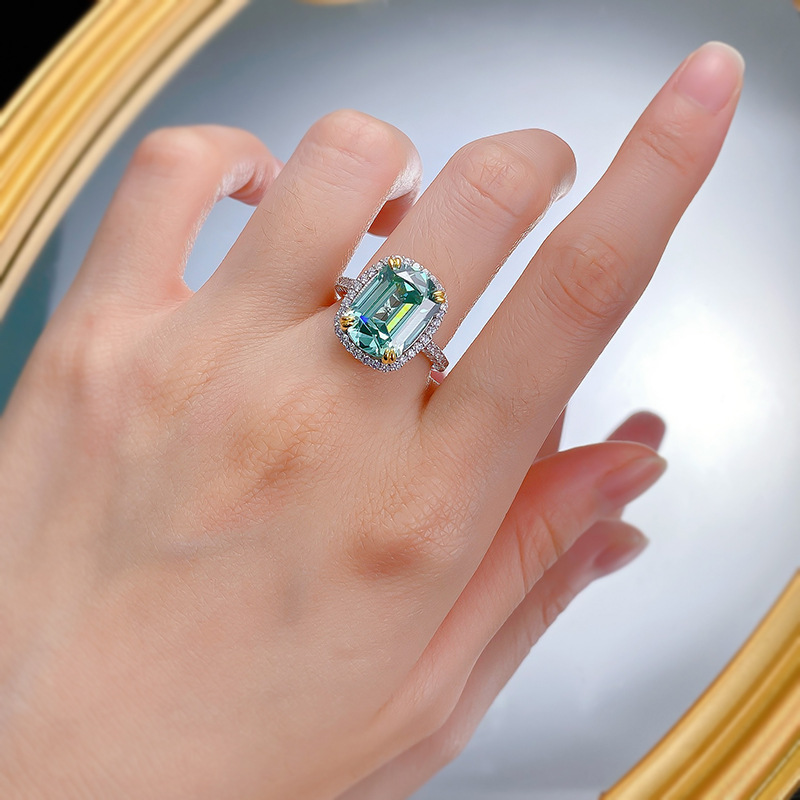
How to Choose the Best Halo Setting for Cushion Diamonds
A Halo Setting for Cushion diamonds can change the entire look of a ring. The same center stone can read softer, larger, brighter, or more vintage depending on how the halo is built. That makes the setting just as important as the diamond itself.
A halo Setting for Cushion also helps buyers get more visual impact without moving up in carat weight. The right frame can make a modest center stone feel fuller and more polished. The wrong one can make a cushion look cramped, boxy, or smaller than expected.
This guide covers halo styles, metals, proportions, and daily wear so you can compare rings with confidence. If you are weighing natural and lab-grown stones, start with our diamond collection so you can judge the center stone and the setting together.
Why a Halo Setting for Cushion Diamonds Matters
A halo setting for cushion diamonds does more than add decoration. It changes how the center stone reads from across the room and in close-up photos. GIA classifies many cushion cuts as modified brilliants, and that facet pattern throws broad flashes of light that the halo should support, not fight.
The shape matters too. A square cushion often sits around a 1.00 to 1.05 length-to-width ratio. Elongated cushions often land near 1.10 to 1.20 or higher. Those numbers change how a halo setting for cushion should be drawn.
Shoppers who compare CADs and hand shots side by side usually make decisions faster. Once the frame matches the stone, the ring looks finished instead of forced.
Why Cushion Cuts Need More Intentional Setting Choices
Cushion cuts react differently to halos than round or oval diamonds. The rounded corners and soft square outline mean even small changes in spacing, width, and prong placement can change the final look. A halo setting for cushion diamonds can make the stone look squarer, rounder, or longer depending on how tightly the frame follows the center.
A halo that sits too far from the stone can make the center look isolated. A halo that hugs too tightly can compress the outline and take away some elegance. The best halo setting for cushion usually comes from a careful balance between geometry and sparkle.
Who This Guide Helps Most
This advice is useful for engagement ring shoppers, custom-design clients, and buyers comparing halos against solitaires. It also applies whether the center stone is natural or lab-grown. If you are deciding between a halo setting for cushion and a cleaner solitaire look, the goal is to understand what each design does before you choose.
Understanding Cushion Cuts and Halo Settings
A cushion diamond blends square or rectangular proportions with rounded corners. A halo adds a border of smaller stones around it. In a halo setting for cushion, that border can make the ring feel vintage, modern, or somewhere in between.
A classic halo usually frames the center with one row of accent stones. A micro-pave halo uses smaller stones for a finer look. A double halo adds more presence, while a hidden halo keeps the sparkle lower and more subtle. Each version gives a halo setting for cushion diamonds a different mood.
Before you compare photos, look at millimeter measurements, not just carat weight. Two 1.50-carat cushions can face up very differently, and that affects how the halo should be sized.
Core Halo Styles to Know Before You Compare Rings
- Classic halo: one row of accent stones that gives a clean outline.
- Micro-pave halo: very small melee for a finer, more delicate border.
- Double halo: two rows of stones for stronger visual impact.
- Hidden halo: diamonds tucked under the center so the sparkle shows from the side.
A classic halo setting for cushion diamonds feels timeless and balanced. A micro-pave version looks more refined. A double halo pushes the design toward statement jewelry, while a hidden halo keeps the top view cleaner.
Designers often review side profiles and CAD images before finalizing a custom halo setting for cushion diamonds. That step matters because the top view can hide height, spacing, and prong structure that affect comfort and durability.
How a Halo Setting for Cushion Diamonds Changes Sparkle, Size, and Shape
A halo setting for cushion diamonds changes three things at once. It adds edge sparkle, increases face-up spread, and can sharpen or soften the outline. A well-sized halo can add roughly 1 to 2 mm of visual spread, depending on melee size and how tightly it hugs the center.
That extra spread does not improve the center stone's cut quality. If the diamond lacks life, the halo will not fix it. It can add presence and contrast, but the center still has to hold its own.
A halo setting for cushion diamonds should look balanced from arm's length, in photos, and in daily wear. If the halo overwhelms the center, the ring feels busy. If it is too thin or too far away, the effect fades.
Perceived Size and Finger Coverage
One of the biggest reasons shoppers choose a halo setting for cushion is simple: the ring can look larger without increasing center-carat weight. Because the halo adds surface area around the stone, the total face-up size grows. On the finger, that often means more coverage and a stronger visual presence.
A 1.00-carat cushion in a halo can sometimes read closer to a larger solitaire, depending on halo width and stone ratio. Why pay for a bigger stone if the surrounding design can deliver the same visual punch? For many buyers, the answer is in the spread, not the carat number.
Sparkle and Light Behavior
A halo setting for cushion diamonds adds a ring of scintillation around the center, which changes how the eye reads the ring. The small stones create a bright border, and that border can make the center appear more defined. The contrast between center and halo also intensifies perceived brilliance.
The effect changes with the cushion's facet style. A chunkier cushion with broader flashes can look clean next to a tight halo. A crushed-ice style cushion may blend more softly into a micro-pave halo. Neither is right in every case, but the halo should support the stone's existing light pattern.
Shape Definition: Soft Cushion, Square Cushion, or Elongated Cushion
The halo outline can make a cushion diamond seem more square, round, or elongated. A tight halo often emphasizes the edges and makes a square cushion look more structured. A slightly open halo can soften the corners and make the ring feel airier.
Elongated cushions need extra care. A halo setting for cushion should usually follow the long axis of the stone rather than forcing a square frame around it. If the halo ignores the ratio, the stone can lose its natural elegance.
How to Choose a Halo Setting for Cushion Diamonds
The best way to choose a halo setting for cushion diamonds is to work through the design in stages. Start with the center stone's proportions. Then move to halo outline, metal color, prong style, accent stone size, and band compatibility.
A practical selection process looks like this:
- Confirm the cushion's ratio and millimeter dimensions.
- Decide whether you want the ring to look square, soft, or elongated.
- Choose a halo style that supports that shape.
- Pick a metal color that blends with or contrasts against the center stone.
- Check how the ring will pair with a wedding band.
- Review the setting height, security, and cleaning needs.
That order keeps the decision grounded. A halo setting for cushion diamonds should be chosen for the full ring, not just for the top-view sparkle.
Match the Halo to the Diamond's Ratio and Facet Pattern
Square and elongated cushions do not need the same halo. A square cushion usually works best with a halo that keeps the outline compact and even. An elongated cushion usually looks better with a halo that mirrors its length without adding too much bulk.
Facet pattern matters too. If the cushion is lively and bright, a delicate halo can preserve that energy without crowding it. If the center stone has a softer return, a slightly bolder halo may help create definition.
Ask for CAD previews, try-on photos, or side-by-side mockups whenever possible. Those tools show whether the halo feels too thick, too thin, too round, or too rigid. A good bench jeweler can fine-tune the balance so the halo setting for cushion diamonds looks intentional instead of generic.
Choose Metal Color, Prongs, and Accent Stone Size Carefully
Metal color changes the mood of a halo setting for cushion diamonds right away. Platinum and white gold create a cooler frame that blends with most white diamonds. Yellow gold adds warmth and contrast, while rose gold softens the overall look.
Prong style affects both appearance and security. Claw prongs give the ring a sharper edge. Rounded prongs look softer and more traditional. If the halo is very fine, heavy prongs can interrupt the outline. If they are too minimal, the ring may not feel secure enough for daily wear.
Accent stone size matters as well. Smaller melee creates a refined halo setting for cushion diamonds with a more seamless sparkle field. Larger stones make the border more obvious and more decorative. That can work in a bold or vintage design, but oversized stones can compete with the center instead of framing it.
Think About Band Style, Setting Height, and Wedding Band Fit
The band should support the halo, not fight it. Straight bands create a clean line, while split shanks make the center feel more open and elevated. Cathedral shoulders add structure and often make a halo setting for cushion diamonds feel more architectural.
Setting height is another practical point. A low-profile halo is easier to wear and less likely to snag. A higher setting can give the center more presence and let in more light, but it may feel less comfortable for daily use.
If the wearer is active or works with their hands, a lower halo setting for cushion diamonds usually makes more sense. If a wedding band matters now, check the fit now. Some rings allow a straight band to sit flush, while others need a contour band or custom shape.
Practical Buying Tips Before You Commit
A halo setting for cushion diamonds can stretch a budget in a useful way, but only if the center stone is strong. Put the money where you will see it first. A good halo should add spread and sparkle, not hide a weak diamond.
Typical halo rings with small melee cost less than double halos or highly detailed micro-pave work. Platinum usually costs more than white gold, and natural and lab-grown stones can differ widely in price. If you are comparing ring styles, explore our engagement rings to see how different halo proportions change the final look.
Ask for total ring measurements, stone sizes, setting height, and band compatibility. Then compare those details with our diamond collection or use our ring builder to test profiles before you decide.
Budget Allocation and Value Strategy
The halo should create presence, not cover a weak center. Customers often get better results by choosing the best-cut center stone they can afford, then adding a well-proportioned frame. That approach usually gives better balance than chasing carat weight alone.
A halo setting for cushion diamonds can make a smaller stone feel more substantial, but it should not be a shortcut around quality. If the center stone has weak sparkle or poor proportions, the halo will only frame the problem.
Lifestyle, Cleaning, and Maintenance
Daily wear means soap, lotion, and dust will collect more easily around the halo. Regular warm-water cleaning and professional checks every 6 to 12 months help catch loose stones early. If the wearer is very active, a lower profile and sturdier prongs are the safer pick.
A halo setting for cushion diamonds can still be durable for everyday wear if it is built well. If you want help with sizing before ordering, our ring size guide can help you get the fit right from the start.
Common Mistakes to Avoid with Cushion Halo Rings
The most common mistake is scale. A halo that is too thick can shrink the center visually. One that is too thin can disappear once the ring is on the hand.
Other misses include oversized accent stones, heavy metal edges, and prongs that break the outline. In a halo setting for cushion diamonds, the frame should support the center, not compete with it.
Design Errors That Throw Off Proportion
The ring can look dramatic in a close-up photo and still feel awkward on the hand. That usually happens when the halo, center stone, and band were not planned together. The result is a setting that looks busy instead of balanced.
Keep the border proportional and let the center stay the focus. If the halo setting for cushion diamonds looks loud in a photo but muddy on the hand, the proportions are off.
Real-World Oversights After the Ring Is Chosen
It is easy to forget about everyday use once the design looks perfect. Check how the ring pairs with a wedding band, how high it sits, and whether the basket catches clothing. Those details matter after the proposal, not just before it.
A halo setting for cushion diamonds also needs more cleaning than a simple solitaire. More stones mean more spots for buildup, so the wearer should be comfortable with a little extra upkeep.
Final Takeaways on Choosing a Halo Setting for Cushion Diamonds
The best halo setting for cushion diamonds fits the stone's ratio, the wearer's lifestyle, and the way they plan to stack the ring. A good design looks clear from across the room and still feels comfortable every day.
If you remember one thing, make it this: the best halo setting for cushion diamonds complements the center instead of overpowering it. A well-proportioned halo can make the stone look larger, increase sparkle, and give the ring stronger presence.
If you are comparing options, browse our jewelry collection or contact our jewelry experts for help with proportions, fit, and styling.
FAQ
How much bigger does a halo make a cushion diamond look?
A halo usually increases face-up size and finger coverage, so the center can look larger even when the carat weight stays the same. The result depends on halo width, stone size, and how closely the frame follows the cushion shape. A halo setting for cushion diamonds can create strong visual spread without pushing you into a bigger center stone.
What halo shape works best with an elongated cushion engagement ring?
The best halo usually mirrors the elongated shape rather than forcing a square outline around it. That keeps the ring from looking too round or too boxy. In a halo setting for cushion diamonds, the ratio of the center stone should lead the design.
Is a hidden halo better than a classic halo for a cushion diamond?
A classic halo changes the face-up look more dramatically, while a hidden halo keeps the top view cleaner and adds sparkle from the side. The better choice depends on how bold you want the ring to feel. Both can work well in a halo setting for cushion diamonds if the proportions stay balanced.
Are cushion halo rings harder to clean than solitaire rings?
Usually yes, because halo rings have more small stones and tighter spaces where buildup can collect. That means gentle cleaning and regular inspections matter more than they do on a plain solitaire. A halo setting for cushion diamonds can still be a great everyday ring if the prongs are secure and the profile is practical.
Can a wedding band sit flush with a halo setting for cushion diamonds?
Sometimes, but not always. Flush fit depends on the halo's shape, the setting height, and how the basket sits under the center stone. If stacking matters to you, confirm that detail Before You Buy so your halo setting for cushion diamonds works with your wedding band.
Ready to Find Your Perfect Diamond?
Explore our collection of certified lab-grown diamonds
Shop Diamonds