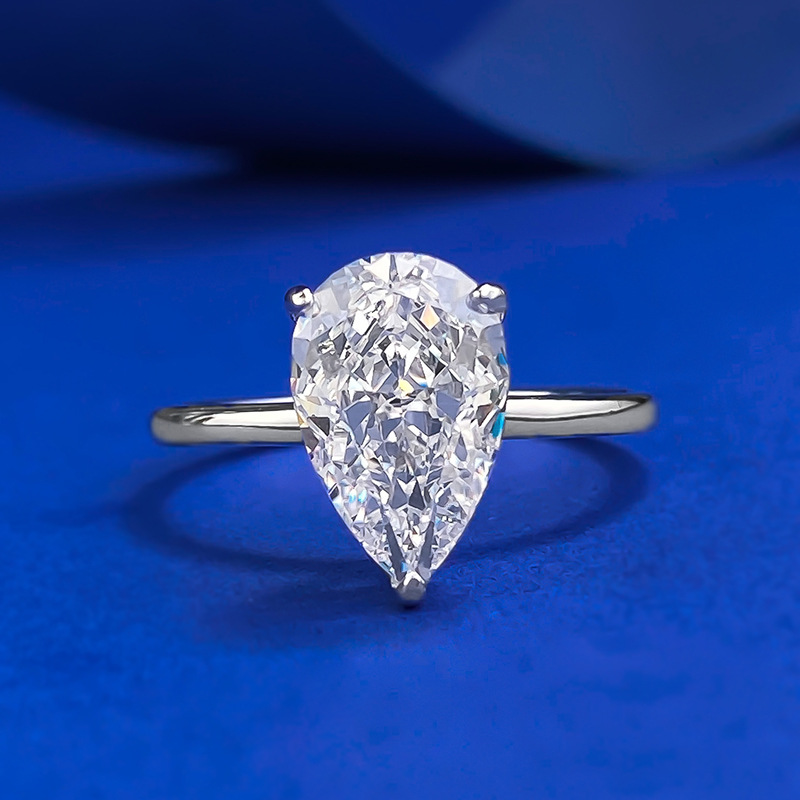
Halo Setting for Cushion Diamonds: Design, Benefits, and Buying Tips
Why a Halo Setting for Cushion Diamonds Works
A halo Setting for Cushion diamonds frames the center stone with a ring of smaller diamonds, changing how the entire ring reads at first glance. The result is more visual size, more sparkle, and a finished look that feels refined rather than flashy.
Cushion cuts already have soft corners and a rounded square outline. The right Halo Setting for Cushion Diamonds can sharpen that shape without taking away the stone's warmth. Many shoppers want both more presence and a ring they can wear every day, and this design does both well when it is proportioned correctly.
Details make the difference. A halo that sits too far from the center stone can look disconnected. A halo that crowds the diamond can feel busy. The best designs usually come down to balanced proportions, clean metalwork, and a setting height that fits your hand and your routine.
Halo Setting for Cushion Diamonds: Start with Shape
Square and elongated cushions
Cushion cuts usually fall into two broad looks: square and elongated. A square cushion often has a length-to-width ratio around 1.00 to 1.05, while elongated cushions commonly fall between 1.10 and 1.25 or higher. Those ratios are only a starting point, but they help you judge how a halo setting for cushion diamonds will frame the center stone.
A square cushion generally looks best with a halo that follows the outline closely. An elongated cushion usually benefits from a halo that preserves the longer line instead of rounding it away. If you are shopping online, ask for millimeter measurements as well as carat weight, since two 1.50-carat cushions can face up very differently.
Face-up size and the center stone
A halo does not add carat weight, but it does increase visual spread. A 1.00-carat cushion with a well-matched halo setting for cushion diamonds can appear noticeably larger than the same stone in a solitaire. The eye reads the full outline, not only the center diamond.
That is one reason GIA and IGI reports matter. They confirm the center stone's measurements, shape, and grade so you can compare rings using real data instead of showroom lighting. A report will not describe the setting, but it gives you a solid foundation for comparison.
Diamond Specs That Matter Most
When you evaluate a halo setting for cushion diamonds, the center stone's basic 4Cs still drive value. The halo can improve presence, but it cannot fix a weak center stone. Start with cut quality and outline. For cushion cuts, there is no single universal cut grade the way there is for round brilliants, so you need to judge symmetry, brightness, and light return from images and videos.
For color, many buyers stay in the near-colorless range, especially in white gold or platinum. G, H, and sometimes I can look very clean to the eye in a well-proportioned cushion, particularly if the stone has strong sparkle. If you choose yellow or rose gold, a slightly warmer center stone can still look excellent because the metal does some of the visual work.
Clarity is often more flexible than people expect. VS1 and VS2 are common sweet spots, and many SI1 stones are eye-clean if the inclusions sit off to the side or do not affect brilliance. In a halo setting for cushion diamonds, the center stone is surrounded by extra sparkle, so slight inclusions are often even less noticeable than they would be in a solitaire. Still, inspect magnified photos rather than trusting the grade alone.
For the halo itself, the melee diamonds usually do not need the same level of detail as the center stone, but they should be well matched in size, color, and setting quality. Ask whether the accent stones are calibrated and whether the manufacturer sorts them for consistency. A halo looks cheap when the side stones vary visibly in tone or height.
Certification matters too. GIA is often preferred for natural diamonds because its grading is widely respected and consistent. IGI is common for both natural and lab-grown diamonds, especially in contemporary engagement ring styles. If you are comparing lab-grown and natural options, make sure the certificate clearly identifies the stone type, the measurements, and any growth method noted on the report.
Halo Styles Worth Comparing
A halo setting for cushion diamonds is not limited to a single look. The outer shape, stone size, and metal choice all change the ring's overall mood.
| Style | Look | Best for | Watch out for |
|---|---|---|---|
| Cushion halo | Soft, tailored, and close to the center stone | Buyers who want a cohesive outline | Can feel subtle if the halo is too thin |
| Round halo | Softer and more circular | Shoppers who want a gentler silhouette | May blur the cushion shape |
| Hidden halo | Sparkle from the side with a cleaner top view | Buyers who want modern detail without a heavy border | Less face-up coverage |
| Double halo | Bold sparkle and strong finger coverage | Shoppers who want maximum visual size | Can look busy on smaller hands |
| Vintage-inspired halo | Milgrain, filigree, or antique details | Buyers who like character and texture | More detail can mean more maintenance |
A cushion halo usually creates the most balanced result because it respects the stone's corners. A round halo softens the look and can work well if you want a gentler outline. A hidden halo keeps the top view cleaner, which suits buyers who prefer a simpler profile.
Double halos make a fast visual statement. They can make a modest center stone read much larger, but the look is not subtle. Vintage details work well if you want the ring to feel handcrafted rather than minimal.
Choosing the Right Halo Setting for Cushion Diamonds
Metal, prongs, and band width
Metal choice changes both appearance and wear. Platinum is dense and durable, and it stays white without rhodium plating. White gold gives a similar look at a lower starting price, though it usually needs replating over time. Yellow gold adds warmth, while rose gold gives the ring a softer tone.
For a halo setting for cushion diamonds, prong style matters more than many buyers expect. Claw prongs look sharper and more precise. Double prongs add security and a vintage feel. If you want the diamond to stay center stage, keep the band slender. If you want the ring to feel more substantial, a slightly wider shank can work better.
Height matters too. A lower head usually feels easier to wear, while a higher head can catch light more dramatically. If you plan to stack bands, check the profile Before You Buy. You can also use our ring size guide to think through fit across seasons and finger swelling.
Budget and center-stone value
A halo setting for cushion diamonds can stretch your budget in a smart way. Instead of moving to a much larger center stone, you can use the halo to create more visual size without jumping several carat grades.
Cut quality still matters more than a number on paper. A cushion with better symmetry and a cleaner outline often looks stronger than a larger stone that faces up unevenly. For lab-grown options, compare choices in our diamond collection before you decide.
Price depends on labor, melee quality, metal, and whether the piece is hand-finished. In 14k gold, the metal is 58.3% pure gold. Platinum is usually 95% platinum, which is one reason it often costs more and wears differently over time. Those details help explain why two similar rings can land at very different price points.
As a practical buying guide, a simple halo in 14k gold with a modest center stone may start in the low thousands, while a platinum ring with a larger natural cushion and a more elaborate halo can move much higher. Lab-grown center stones can lower the total cost substantially, sometimes by thousands of dollars at the same apparent size. The right comparison is not just price per carat; it is the finished ring's look, metal, and long-term serviceability.
Buying Tips That Save Regret
Shopping for a halo setting for cushion diamonds works best when you compare the ring as a finished piece, not just a list of specs. Ask for the top view, side view, and a short video in motion. A still photo can hide alignment problems, uneven spacing, or a head that sits too high.
Our customers often notice the same thing: the ring that looks biggest in a photo is not always the one that feels best on the hand. A cleaner, better-proportioned halo setting for cushion diamonds usually wins once you see it from more than one angle.
Questions to ask before you buy
- What grade are the accent diamonds in the halo?
- Is the halo hand-set, micro-pavé, or cast in place?
- Can I see the exact ring from the top and side?
- What are the resizing, return, and warranty terms?
- How often should the ring be inspected for loose stones?
These questions help you compare build quality, not only sparkle. If the retailer cannot answer them clearly, keep looking. For more variety, browse our jewelry collection or compare styles in engagement rings.
What accent diamond quality should you expect?
Accent stones in a halo do not need top-tier color and clarity grades to look good, but they should be consistent. Many well-made halos use melee in the G to H color range and clarity that is selected for clean appearance rather than grading prestige. The important point is that the stones match each other and sit evenly. If the retailer cannot tell you whether the halo is prong-set or pavé-set, that is a sign to ask for more detail.
Also ask whether the halo stones are full cut or single cut. Full-cut melee sparkles more and is more common in modern bridal jewelry. Single-cut stones can suit a vintage-inspired design, but they give a different texture. That detail can change the ring's personality more than many buyers realize.
Try-on and care checklist
- Check the ring in daylight and under indoor lighting.
- Close your hand and see whether the halo catches or rubs.
- Compare it next to a wedding band if stacking matters to you.
- Ask how to clean the small stones without loosening them.
- Plan for a service check once or twice a year.
A halo setting for cushion diamonds can hold up well for daily wear if the workmanship is solid. Still, halos need more care than a simple solitaire because they have more small stones and more edges to protect. A quick inspection schedule helps prevent expensive repairs later.
Sizing, Shipping, and Returns
Ring size is easy to underestimate. A halo setting for cushion diamonds often looks slightly larger across the finger than a solitaire, so the visual balance can change depending on whether the ring fits snugly or spins. If you are between sizes, ask the retailer whether they recommend sizing up or down based on the band width and the style of the shank.
Most buyers should also ask whether the ring can be resized after purchase and by how much. Some halo settings can only be adjusted one or two sizes safely, especially when the band is thin or the pavé continues far down the shank. If the ring is custom-made, confirm whether resizing affects the warranty or return eligibility.
Shipping and return policies matter more on an engagement ring than on most purchases. Look for insured shipping, signature-required delivery, and a clear inspection window after arrival. A sensible return period gives you time to see the ring in natural light, check it against your wardrobe, and verify that the halo sits the way you expected. If the policy says final sale, be sure the measurements and photographs are complete before you commit.
For custom orders, ask when the clock starts on the return period. Some retailers begin it at shipment, while others begin it at delivery. That detail affects how much time you actually have to decide. Ask in writing if the ring can be exchanged for another size or setting style if the first choice does not work.
Common Mistakes to Avoid
The biggest mistake is choosing the wrong scale. A halo that is too wide can overpower the center stone, while one that is too thin can disappear and waste the design's main advantage. The best halo setting for cushion diamonds keeps the halo visible without letting it steal the show.
Another common problem is ignoring the center stone's shape. If the cushion is square, a round halo can look disconnected unless that contrast is intentional. If the cushion is elongated, a halo that compresses the length can make the stone feel stubby.
Wearability gets overlooked too. A tall setting can snag on clothing, and a delicate band may not feel right if you wear the ring every day. Measure the head height, check the profile, and ask how the ring will sit with other bands before you commit.
Buyers also sometimes focus too hard on carat weight and ignore millimeter spread. In a halo setting for cushion diamonds, the face-up size depends on both the center stone and the halo's width. Two rings with the same center-carat weight can look very different if one has a narrow, tight halo and the other has a wide border.
Another avoidable mistake is overlooking maintenance. If the design uses tiny pavé stones, ask how often the ring should be inspected and whether the jeweler offers tightening or re-tipping services. A ring that looks spectacular at pickup can become frustrating if the setting style is too delicate for your habits.
Halo Setting for Cushion Diamonds and Daily Wear
A halo setting for cushion diamonds can be durable enough for everyday use, but the construction has to be strong. Secure prongs, even stone spacing, and a clean gallery reduce the risk of damage. Good workmanship matters more than flashy extras.
If you wear the ring daily, build a simple care habit. Clean it gently, store it separately, and schedule regular inspections. That routine keeps the small stones bright and helps catch a loose prong before it becomes a repair.
For cleaning, use warm water, mild dish soap, and a soft brush. Avoid ultrasonic cleaners unless the jeweler confirms that the setting is secure, especially if the ring includes micro-pavé or an antique-style halo. Household chemicals, chlorine, and rough storage with other jewelry can all shorten the life of the finish and loosen stones over time.
Bottom Line
A halo setting for cushion diamonds works because it combines scale, sparkle, and shape control in one design. The right ring depends on the center stone's measurements, the halo style, the metal, and how you plan to wear it.
If you want a strong visual presence without moving to a much larger center stone, this setting deserves a close look. Compare options in our ring builder, review engagement rings, or contact our jewelry experts for help narrowing down a halo setting for cushion diamonds that fits your Style and Budget.
FAQ
What halo shape looks best on a cushion-cut diamond?
A cushion halo usually looks the most balanced because it follows the stone's soft corners. That makes the ring feel intentional instead of forced, especially on square cushions. A round halo can work if you want a softer outline, but it changes the shape more. If you're unsure, compare side-by-side images and ask for measurements Before You Buy a halo setting for cushion diamonds.
Does a halo setting make a cushion-cut diamond look bigger?
Yes, it usually does. The halo adds visual width, so the eye reads the center stone and the accent stones as one larger shape. The effect depends on how closely the halo follows the cushion and how wide the border is. For the strongest result, pair a well-cut center stone with a halo setting for cushion diamonds that fits the outline cleanly.
Are halo cushion rings more expensive than solitaire rings?
They often are, since a halo uses extra diamonds and more labor. Still, a halo setting for cushion diamonds can help you choose a slightly smaller center stone without losing presence. That trade can make the total budget easier to manage. The better question is whether the ring gives you the look you want for the amount you're spending.
How do I choose between a cushion halo and a round halo for a cushion-cut center stone?
Start with the shape of the center diamond and the look you want on your hand. A cushion halo keeps the outline more cohesive, while a round halo softens the edges and reads a bit more romantic. If you want a clean, tailored look, the cushion halo usually wins. If you want a gentler silhouette, a round halo can be the better fit for a halo setting for cushion diamonds.
Is a halo setting for cushion diamonds durable enough for everyday wear?
It can be, as long as the ring is built well and checked regularly. Secure prongs, solid metal, and careful stone setting all help the ring stand up to daily use. You should still plan on periodic cleaning and inspections because small accent stones need more attention than a solitaire. If you wear the ring every day, ask about service support Before You Buy a halo setting for cushion diamonds.
Ready to Find Your Perfect Diamond?
Explore our collection of certified lab-grown diamonds
Shop Diamonds