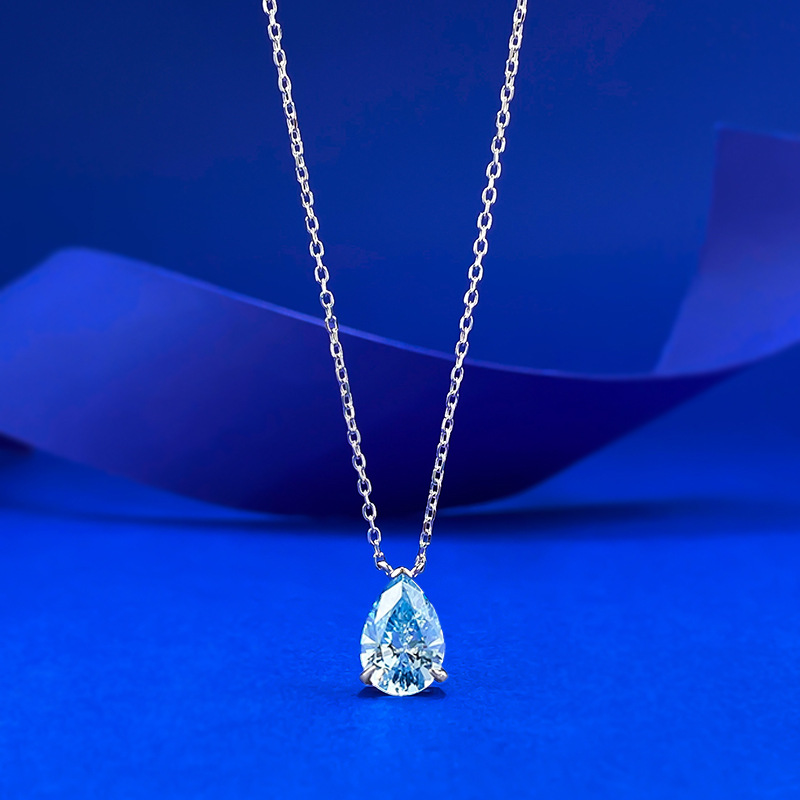
How to Choose a Sustainable Solitaire Pendant Lab Grown
A sustainable solitaire pendant lab grown design appeals to buyers who want fine Jewelry That Looks polished and feels more thoughtful. The style is simple, but the buying process is not always simple. One pendant may come with claims about ethics, recycled metals, lower impact, and responsible sourcing, yet the details can still be thin.
It helps to slow down and check what is actually being offered. Is the diamond graded by a respected lab? Is the metal clearly described? Will the setting and chain hold up to regular wear? Those questions reveal far more than polished marketing copy.
A solitaire pendant stays popular for good reason. It works with denim, officewear, dresses, and everyday layers. It also makes an easy gift for birthdays, anniversaries, graduations, and personal milestones.
Because the design is minimal, every detail stands out. The diamond is the focal point. The chain cannot feel flimsy. The setting has to be secure. If sustainability matters to you, the brand should be able to show proof.
Why a Sustainable Solitaire Pendant Lab Grown Option Stands Out
Interest in ethical fine jewelry keeps rising as shoppers ask better questions. According to the Federal Trade Commission Jewelry Guides, sellers should clearly describe whether a diamond is laboratory-grown. That kind of disclosure matters because buyers deserve plain facts, not fuzzy wording.
For many people, the goal is balance. They want beauty, a lower-impact choice, and a price that feels reasonable. They also want a pendant they will still love years from now.
A sustainable solitaire pendant lab grown piece often checks those boxes. It offers a classic look, easy wear, and more room to compare quality without some of the cost pressure tied to mined diamonds. For shoppers who want a clean, timeless necklace, that can be a smart place to start.
We also see customers choose solitaire pendants because they do not feel tied to a trend. One well-made necklace can become part of a daily uniform. That matters more than a flashy feature you stop noticing after a week.
What Makes a Lab-Grown Solitaire Pendant More Sustainable
A lab-grown diamond is a real diamond. It has the same physical, chemical, and optical properties as a mined diamond. It is not the same as cubic zirconia or moissanite, which only mimic the look.
The Gemological Institute of America, or GIA, states that laboratory-grown diamonds share essentially the same chemical composition and crystal structure as natural diamonds. IGI also grades lab-grown diamonds and identifies key details such as cut, color, clarity, carat weight, and growth method. Those reports do not prove a pendant is fully sustainable, but they do give you better transparency.
The stone is only one part of the story. A sustainable solitaire pendant lab grown design should be judged as a complete piece, not just a center stone. If a retailer says nothing about metal sourcing, production, packaging, or repairs, you still have gaps.
A stronger sustainability review usually includes:
- Stone disclosure: the diamond is clearly listed as lab-grown and independently graded
- Metal sourcing: the pendant uses recycled gold or responsibly sourced platinum where stated
- Manufacturing details: the brand explains where or how the jewelry is made
- Packaging choices: boxes and inserts are reusable, recyclable, or kept minimal
- Shipping practices: the company avoids excess material where possible
- Repair support: the brand offers help that can extend the life of the piece
No jewelry item is impact-free. Honest brands usually say that upfront. They explain specific actions instead of leaning on vague terms like "green" or "eco-luxury."
HPHT and CVD: What Buyers Should Know
Most lab-grown diamonds are created with one of two methods: HPHT or CVD.
HPHT means high pressure, high temperature. It recreates the intense heat and pressure that form diamonds in nature.
CVD means chemical vapor deposition. In this process, carbon-rich gas builds layer by layer into a diamond crystal.
For most shoppers, the practical takeaway is simple. Both methods produce real diamonds. Focus on quality, grading, and how the finished pendant looks in real life.
How to Evaluate a Sustainable Solitaire Pendant Lab Grown Before You Buy
Buying a sustainable solitaire pendant lab grown necklace gets easier when you break it into a few checkpoints. Start with the diamond. Then move to the metal, setting, chain, and service policies.
Since a solitaire has no side stones to distract the eye, the center diamond does more visual work. A lively cut usually matters more than chasing the biggest carat weight. That is where many buyers make the smartest tradeoff.
Check These Details First
Diamond certification
Look for a report from IGI or GIA. The listing should clearly state that the diamond is lab-grown and provide basic grading details.Cut quality
Cut has the biggest effect on sparkle. In pendants, a bright stone helps the necklace look lively in daylight, office lighting, and evening settings.Metal type
Check whether the piece is made in 14K gold, 18K gold, or platinum. If recycled metal is used, the product page should say so clearly.Setting security
Prongs should look even and well finished. Bezel settings add protection and are often a great choice for daily wear.Chain quality
Review chain width, clasp type, length options, and whether the bail moves freely. A pretty pendant loses appeal fast if the chain feels weak.Brand transparency
Read the full listing. Does it explain sourcing, care, grading, and policies in plain language? If not, keep comparing.Return and repair support
Fine jewelry should come with practical support. A return window, warranty coverage, and repair help all matter.
A simple product-page check can save you time:
- Is the diamond independently graded?
- Is the sustainability claim specific?
- Is the metal clearly described?
- Is the setting secure enough for regular wear?
- Does the chain match the value of the pendant?
- Are return terms easy to find?
If you are still comparing options, you can shop lab-grown diamonds to review stone quality details across styles. You can also browse fine jewelry necklaces and pendants to compare different settings, metals, and silhouettes.
Best Diamond Priorities for Pendant Buyers
For many shoppers, the sweet spot sits in the middle rather than at the very top of every grading scale. A pendant is usually seen from a bit farther away than a ring. Some buyers can relax slightly on clarity while keeping cut quality high.
Good targets often include:
- Cut: Excellent or Very Good where available
- Color: G to I for many white-metal pendants
- Clarity: VS1 to SI1 if the stone looks eye-clean
- Carat weight: 0.50 to 1.50 carats for broad everyday appeal
Carat size should not be judged alone. A well-cut 0.75-carat diamond can look brighter and more refined than a larger stone with a weak cut. Want a bigger look without overspending? A bezel frame or smart setting profile can help the center stone appear more substantial.
Sustainable Solitaire Pendant Lab Grown Styles and Metal Choices
Recycled 14K gold is a popular choice because it balances durability, price, and fine-jewelry appeal. Eighteen-karat gold has a richer tone, though it is a bit softer. Platinum is naturally white and very durable, but it usually costs more.
Setting style also changes how the pendant wears:
- Prong setting: classic and open, with plenty of light exposure
- Bezel setting: smooth, modern, and more protective
- Basket or martini-style mount: changes how close the diamond sits to the body
Do not ignore chain length. A 16-inch chain sits higher on the neck. An 18-inch chain is the everyday standard for many buyers. A 20-inch chain gives a bit more room for layering.
Our customers often prefer 18 inches for gifting because it works with more necklines right away. Still, if you already wear layered necklaces, another length may suit you better. Personal fit matters.
Matching Style, Lifestyle, and Budget
The right pendant is not the one with the most impressive spec sheet. It is the one you will wear often. A sustainable solitaire pendant lab grown necklace should fit your wardrobe, routine, and comfort level with spending.
For daily wear, many buyers choose a moderate carat weight with a secure setting and a durable chain. For gifting, personality usually matters more than size. A minimalist may love a bezel-set round in white gold, while someone with a classic style may lean toward a prong-set round in yellow gold.
If budget is a concern, spend first on the features that affect wear and appearance the most:
- Cut quality for sparkle
- Setting craftsmanship for security
- Chain durability for long-term use
Places where you may save money without giving up much visually:
- choose a slightly lower color grade in yellow gold
- pick eye-clean clarity instead of very high microscopic clarity
- stay just under common carat milestones like 0.50, 1.00, or 1.50 carats
Lab-grown diamonds often cost less than mined diamonds of similar visible quality. In many cases, that gives shoppers room to move up in size or craftsmanship. Bain & Company has reported strong consumer interest in lab-grown diamond jewelry in recent market analyses, especially in fashion and accessible fine jewelry categories, which helps explain why solitaire pendants keep gaining attention.
Here is a useful comparison chart:
| Factor | Better place to spend | Better place to save |
|---|---|---|
| Diamond | Strong cut and eye-clean clarity | Ultra-high clarity you will not notice in wear |
| Metal | Solid gold or platinum | Purity upgrades beyond your needs |
| Setting | Secure craftsmanship | Extra ornament that does not suit a solitaire |
| Chain | Reliable clasp and appropriate thickness | Add-on lengths you will not use |
| Sustainability | Clear disclosures and certified grading | Big claims without proof |
If you are comparing milestone jewelry, a pendant often gives more daily versatility than a statement ring or formal earrings. You can also explore engagement ring styles or build a ring with your preferred stone if you are shopping across categories and want to compare value.
Practical Buying Tips for Long-Term Confidence
A sustainable solitaire pendant lab grown purchase should feel clear from the start. Good retailers make that easier by sharing exact specs, plain-language policies, and support after the sale.
Use this checklist while you shop:
- verify the diamond is listed as lab-grown
- confirm grading from IGI, GIA, or another respected lab
- check whether recycled gold or other sourcing details are disclosed
- review chain length, clasp, and thickness
- read return and exchange terms closely
- look for warranty or repair support
- scan reviews for comments on sparkle, scale, and craftsmanship
- check cleaning and care guidance before purchase
Be careful with polished language that does not say much. Words like "ethical" or "responsible" only help when the brand also gives facts. You should know what the diamond is, who graded it, what metal was used, and how the piece should be maintained.
Insurance may also be worth considering if the pendant is expensive or worn often. Keep the receipt, grading report, and product details together. If you need help comparing options, you can contact our jewelry experts or read our jewelry FAQ for more guidance.
Common Mistakes Buyers Make
The biggest mistake is chasing carat size and ignoring everything else. A larger diamond can still disappoint if the cut is flat, the prongs are rough, or the chain feels too thin.
Another mistake is assuming every lab-grown piece is equally sustainable. A sustainable solitaire pendant lab grown option should come with at least some sourcing detail. If the listing says very little about metal origin, packaging, or production, you do not have enough information to compare fairly.
Buyers also skip over setting security more than they should. In a solitaire pendant, one stone carries the whole look. That means one setting carries the whole risk.
Watch for these common missteps:
- buying for carat alone instead of cut and craftsmanship
- skipping independent diamond certification
- assuming "sustainable" applies to the whole piece without proof
- picking a chain length without thinking about your wardrobe
- overlooking return policies, warranty help, or repairs
- choosing a delicate design that does not fit your routine
FAQs About Sustainable Solitaire Pendant Lab Grown Jewelry
What makes a sustainable solitaire pendant lab grown more eco-conscious?
A more eco-conscious pendant usually combines a lab-grown diamond with other thoughtful choices, such as recycled gold, lower-waste packaging, and clear sourcing details. The diamond matters, but it is not the whole story. Look for a sustainable solitaire pendant lab grown listing that explains how the metal, packaging, and production were handled. If the brand gives specific facts, it is much easier to compare pieces with confidence.
Are lab-grown diamond solitaire pendants real diamonds?
Yes, they are real diamonds. GIA and IGI both recognize lab-grown diamonds as diamonds, not simulants. That means a lab-Grown Diamond Pendant has the same core physical and optical properties as a mined diamond. Before You Buy, ask for a grading report so you can verify identity and quality.
What carat size looks best in a sustainable solitaire pendant lab grown necklace?
For many people, 0.50 to 1.00 carat gives the most versatile everyday look. If you want more presence, you can move higher, but cut quality should still come first. A sustainable solitaire pendant lab grown design with a bright, well-cut stone often looks better than a larger pendant with poor light return. Think about your neckline, layering habits, and budget before you choose.
Is a lab-grown solitaire pendant durable enough for everyday wear?
Yes, if the pendant is well made. The diamond itself is extremely hard, but daily wear depends just as much on the setting, clasp, bail, and chain. Many buyers choose bezel settings or well-finished prongs for extra peace of mind. Regular cleaning and occasional inspections help keep the necklace in good shape.
Do sustainable lab-grown diamond pendants offer good long-term value?
They often do, especially if you care most about wearability, beauty, and responsible sourcing. A sustainable solitaire pendant lab grown style tends to stay relevant because it is simple, easy to layer, and easy to dress up or down. The best long-term value usually comes from strong cut quality, a durable chain, and clear product information. Resale may vary, but daily enjoyment can be very high.
Choosing Well Matters
A strong pendant purchase comes down to a few basics: verified diamond quality, honest sourcing details, durable craftsmanship, and a style that fits your life. A sustainable solitaire pendant lab grown necklace can feel refined and practical at the same time. That balance is a big part of its appeal.
Take your time with the details that affect daily wear. Review the grading report. Check the chain. Ask about recycled metals, packaging, and repair support. Then choose a size and setting that look right on you, not just on paper.
That extra care usually leads to a better purchase. You will end up with a pendant that looks polished, feels personal, and earns its place in your jewelry box for years. If you would like to keep researching, read more jewelry advice on our blog, browse our jewelry collection, or compare lab-grown diamonds Before You Buy.
Ready to Find Your Perfect Diamond?
Explore our collection of certified lab-grown diamonds
Shop Diamonds