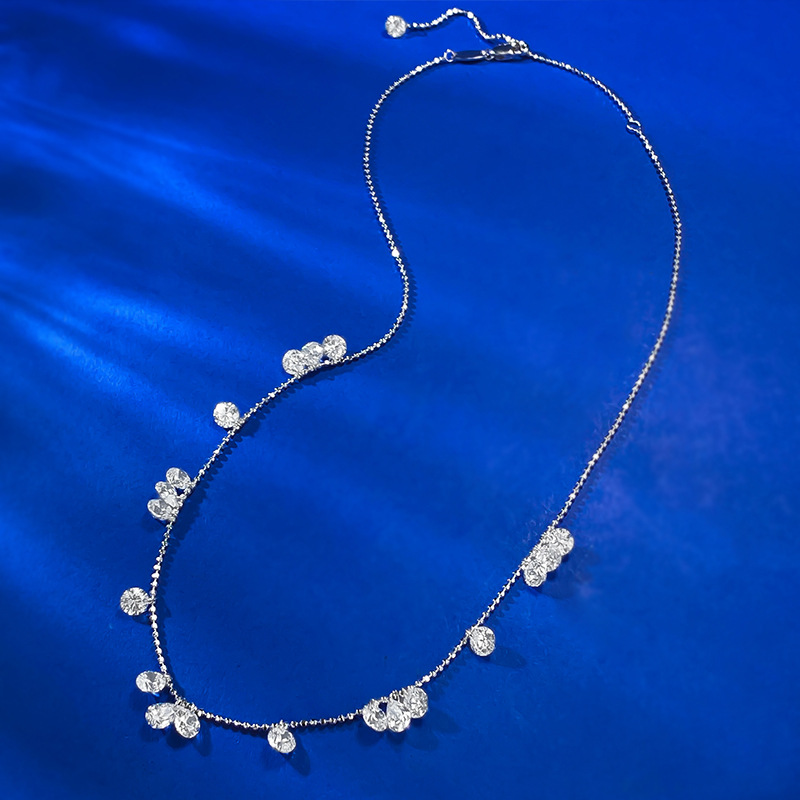
Fine Jewelry Return Policy Checklist: Questions to Ask Before You Buy
Buying fine jewelry online should feel exciting, not stressful. The right Fine Jewelry Return Policy Checklist questions to ask can save you from sizing mistakes, surprise fees, and final-sale disappointment. Before you check out, confirm how long you have to return the piece, what condition it must be in, and whether your refund goes back to your original payment method or comes as store credit.
That matters whether you're choosing a diamond ring, stud earrings, a tennis bracelet, or a pendant necklace. A clear return policy is part of the product itself. For a high-value purchase, the policy can matter just as much as the metal, diamond grade, or setting style.
Why Return Policies Matter for Fine Jewelry Buyers
Fine jewelry works differently from most retail purchases. The price is higher, the piece may be customized, and many items touch skin directly. That creates hygiene and wear rules that don't apply to clothing or home goods.
A simple T-shirt can usually go back with little friction. A 1-carat diamond ring, a 14k gold chain, or pierced earrings may have much stricter terms. Shoppers feel more confident when they understand those rules before they buy.
Industry policy norms vary, but many reputable jewelry retailers use a 14- to 30-day return window. They also spell out condition rules and exclusions for personalized items. GIA and other gem authorities stress documentation for higher-value pieces, so keep your receipts and certificates handy.
A transparent policy does more than reduce hassle. It shows the seller stands behind the piece and understands that jewelry buying often comes down to fit, comfort, and timing. Why take a chance on a beautiful ring if the return terms are a mystery?
For shoppers exploring bridal styles, you can explore our engagement rings or learn about ring sizing before you decide.
The Essential Fine Jewelry Return Policy Checklist Questions to Ask
Use these Fine Jewelry Return Policy Checklist questions to ask while reading product pages, FAQs, and checkout terms. If the answer isn't clear, contact the retailer Before You Buy.
1. How long is the return window?
Ask whether the return period is 7, 14, 30, or more days. Then check when the clock starts. Some retailers count from the shipment date. Others start on delivery.
A 14-day window that starts at shipment can feel much shorter than it looks. If shipping takes several days, you lose time fast. A 30-day window from delivery gives you more breathing room to inspect the piece and make a calm choice.
Why this matters: If you're buying a ring as a gift, timing can make or break the return option. If the return window closes before the recipient can try it on, a size issue may be hard to fix.
2. What condition must the jewelry be in?
Ask whether the item must be unworn, unused, unaltered, and free from scratches or sizing marks. Fine jewelry return policies usually require original condition to protect resale value and hygiene.
For earrings, especially pierced styles, sellers are often strict. For bracelets and chains, even a small kink or clasp mark can cause a return to be denied.
Ask directly:
- Can I inspect the piece briefly without hurting eligibility?
- Does removing tags void the return?
- Will light wear be enough to reject it?
3. What packaging and documents must be included?
A strong policy should say whether you need the original box, pouch, ring sizer insert, certificate, appraisal, diamond report, or authentication card. Many luxury and bridal retailers want everything that shipped with the item.
If the piece includes GIA or IGI paperwork, keep it safe. Losing the report can slow the return process or delay inspection.
4. Are custom, engraved, resized, or altered items final sale?
This is one of the most important Fine Jewelry Return Policy Checklist questions to ask. Personalized jewelry often can't be returned because the seller may not be able to resell it.
Ask whether these items are excluded:
- Engraved rings
- Custom-made pendants
- Resized bands
- Made-to-order bridal sets
- Special-order gemstone combinations
If you're ordering an anniversary band with initials on the inside, a no-return policy may be fine only if you're fully sure about size and spelling.
5. What happens if the ring size is wrong?
Sizing is one of the most common fine jewelry issues. Ask whether the retailer offers free sizing adjustments, exchanges, or one-time resize support after purchase.
A ring that's even a half-size off can feel too loose or too tight. That small difference can change how it sits on the finger and how often you wear it.
If you're unsure, compare the policy with our ring builder and sizing resources before buying.
6. Can earrings or pierced jewelry be returned after opening?
Pierced earrings often have special rules because they touch skin directly. Some retailers allow returns only if the seal stays intact. Others won't accept returns once the backs are removed or the item has been tried on.
Ask whether clip-on earrings, hoops, and studs follow the same rules. The answer can change by style.
7. Is there a restocking fee?
A return window can look generous until you see the restocking charge. Some retailers take a percentage from your refund, especially on premium or international orders.
A 10% restocking fee on a $4,000 ring is not small. That's why the Fine Jewelry Return Policy Checklist questions to ask should always include hidden fees, not just the number of days allowed.
8. Who pays for return shipping and insurance?
Jewelry should usually be insured in transit, especially for gold, platinum, diamond, and gemstone pieces. Ask whether the seller provides a prepaid, insured label or expects you to handle secure return shipping yourself.
If you have to pay for insured shipping, build that into the total cost. A policy with "free returns" may still cost you money if the label doesn't cover high-value merchandise.
9. How is the refund issued?
Find out whether the refund goes back to the original card, bank account, PayPal, or only as store credit. A refund to the original payment method usually gives you the most flexibility.
If the seller offers only exchange or store credit, ask whether that applies to sale items, gifts, or custom orders. A stricter refund policy can work if you're certain about the piece, but it lowers flexibility.
10. How long does the refund process take?
After the seller gets the jewelry, they may inspect it before releasing funds. That can take several business days. Then your bank or card issuer may need more time to post the refund.
A good retailer should give you a clear timeline. If they don't, ask Before You Buy.
11. Are exchanges easier than refunds?
Some sellers are more flexible with exchanges than refunds. You may be able to swap ring sizes or change necklace lengths more easily than getting cash back.
Ask whether exchanges are free, whether price differences are billed or refunded, and whether the exchange starts a new return window.
12. What is the policy for gift purchases?
Gift jewelry can be tricky. The recipient may not know the purchase date, and the giver may not want a refund sent back to the original card.
Ask whether the retailer offers gift receipts, delayed billing, exchange-only returns, or store credit for gifts. That helps with birthdays, anniversaries, and holiday shopping.
13. Can I inspect the jewelry before the return period ends?
Yes, and you should. But ask how much inspection is allowed. A quick look is not the same as wearing the piece for a full day.
Safe inspection usually means:
- Open the packaging carefully.
- Check the setting, clasp, prongs, and finish.
- Try the piece on for fit only if the policy allows it.
- Keep every insert, tag, and document.
- Store the item securely if you decide to return it.
14. Do special promotional or clearance items have different rules?
Sale items, holiday promotions, and bundle offers may have tighter terms. A deep discount can look great, but the policy may allow only an exchange or final sale.
If you're comparing two similar pieces, the lower price may not be the better value once you factor in no-return rules.
15. Where can I contact someone if the policy is unclear?
If the policy page feels vague, ask for written clarification before ordering. A trustworthy retailer should explain the terms in plain language.
If you're buying a more complex piece, such as a custom diamond ring or matching bridal set, you can also contact our jewelry experts for help with product details and policy questions.
Return Window, Conditions, and Processing Details
The best fine jewelry Return Policy Checklist questions to ask focus on the mechanics of the return, not just the headline promise. A seller may advertise "30-day returns," but the real terms may be more limited once conditions and processing are included.
Return window basics
Ask whether the count begins on shipment date, delivery date, or the date the item is signed for. In jewelry, those details matter more than they do for lower-cost products because shipping delays, gifts, and sizing decisions can eat into the timeline.
A reliable policy should clearly state:
- Number of days allowed
- Start date for the countdown
- Deadline for shipping the return back
- Whether weekends and holidays count
Item condition requirements
Most fine jewelry returns must meet strict condition standards. The item should usually be:
- Unworn
- Unaltered
- Undamaged
- Free from scratches, dents, or bends
- Returned with all packaging and paperwork
For gold and platinum jewelry, even small signs of wear can lead to denial. For gemstone jewelry, loose prongs, chipped stones, or evidence of resizing can also affect eligibility.
Packaging, certificates, and original materials
Many sellers require the original box, padded pouch, grading report, appraisal, authenticity card, and care instructions. If you bought a diamond with GIA or IGI documentation, keep those records in the safest place possible.
Those documents don't just help with returns. They also support insurance, future appraisal, and resale verification.
Common exclusions
Watch for these exclusions:
- Engraved items
- Custom designs
- Special orders
- Resized pieces
- Final-sale markdowns
- Earrings that have been worn or opened
- Clearance merchandise
According to common retail jewelry standards, exclusions are most likely on personalized or hygiene-sensitive items. That part is normal, but it should still be visible before checkout.
Inspection and approval process
Some sellers inspect returns for quality before releasing a refund. That protects both sides, but it can slow the process.
Ask whether the inspection checks for:
- Metal scratches
- Stone security
- Missing components
- Packaging completeness
- Signs of wear or cleaning
If a retailer uses a clear inspection process, it usually means the policy is more consistent and less subjective.
Costs, Refund Methods, and Exchange Options
A policy can look generous until the fees show up. That's why fine jewelry return policy checklist questions to ask should always include the full cost of returning the piece.
Return shipping and insurance
Ask who pays for shipping both ways. With fine jewelry, the return label should ideally include insurance and tracking. If not, you may need to pay out of pocket to protect the shipment.
Here's a quick comparison of common return structures:
| Policy Feature | Buyer-Friendly Option | Less Flexible Option | Impact on Value |
|---|---|---|---|
| Return shipping | Prepaid, insured label | Buyer pays shipping | Higher cost if return is needed |
| Refund type | Original payment method | Store credit only | More flexibility with full refund |
| Restocking fee | None | 5%–20% deduction | Lowers refund value |
| Return window | 30 days from delivery | 7–14 days from shipment | Less time to inspect |
| Exclusions | Clear and limited | Broad final-sale rules | Higher risk for the buyer |
Restocking fees and deductions
A restocking fee can make an otherwise fair price less appealing. If you're comparing two diamond pendants and one seller charges a fee while the other doesn't, the lower sticker price may not save you money.
Calculate the full cost before buying:
- Item price
- Sales tax
- Shipping cost
- Return shipping risk
- Restocking fee
- Insurance cost if you need to send it back
That's the real comparison.
Refund method
A good policy should clearly say whether you'll receive:
- Refund to original payment method
- Store credit
- Exchange only
- Partial refund after deductions
Original payment refunds are usually the most buyer-friendly. Store credit can work if you already plan to choose another item from the same retailer, such as a matching necklace or bracelet.
Exchange options
Exchanges can be a smart backup if the seller offers easy swaps on size, metal color, or style. For example, a yellow gold ring may be exchanged for white gold if the policy allows and inventory is available.
Ask whether exchanges:
- Restart the return window
- Require the same packaging
- Are subject to the same exclusions
- Carry shipping or handling fees
Processing time and documents to keep
Hold on to:
- Order confirmation
- Shipping confirmation
- Tracking number
- Return authorization number
- Photos of the item before shipping
- Receipt from the carrier
Refund timing varies, but many retailers finish inspection and refund processing within several business days after receipt. Your bank may add more time.
Customer Considerations Before You Finalize the Purchase
The smartest fine jewelry return policy checklist questions to ask go beyond the fine print. They also connect the policy to the way you'll actually wear the jewelry.
Fit and comfort concerns
Fit is critical for rings, bracelets, and chains. A ring that slides too much may need resizing. A bracelet that's too tight won't feel comfortable. A necklace that lands at an awkward point may not suit your neckline or outfit.
Before buying, confirm:
- Ring size and whether resizing is allowed
- Bracelet length and clasp style
- Chain length in inches or centimeters
- Earring weight and back style
- Pendant drop length
If you're unsure, compare the measurements against your own favorites or use a sizing tool before checkout.
Wear testing and inspection
You should inspect a new piece carefully, but do it in a way that protects return eligibility. Keep the tags attached until you're sure. Try on rings over clean hands. Skip lotion, perfume, or cleaning products during the inspection period.
For diamond and gemstone jewelry, check:
- Stone alignment
- Prong security
- Clasp strength
- Surface finish
- Chain integrity
That matters most for pavé settings, halo designs, and delicate prongs.
Special occasions and gift deadlines
If the jewelry is for an anniversary, proposal, birthday, or holiday, flexible return terms matter even more. Delivery delays, wrong sizes, or style preferences can create last-minute pressure.
A generous policy can act as a safety net if the item arrives too late or doesn't feel right in person. That's one reason shoppers often prefer retailers with clear exchange support and responsive customer service.
Product specs and certification details
Policy review should happen alongside product review. For diamonds, compare carat weight, cut, color, clarity, and certification. GIA and IGI reports help Verify the Stone's details, which is especially useful when you buy online.
If the item is a lab-grown diamond piece, read the grading details carefully and compare settings, metal type, and stone size. You can shop our lab-grown diamonds or browse our jewelry collection while you review policy terms.
Quick buyer decision checklist
Before checkout, ask yourself:
- Is the return window long enough for delivery, inspection, and decision-making?
- Are there any restocking fees or shipping costs?
- Is the piece excluded because it's custom, engraved, or altered?
- Can I get a refund to my original payment method?
- Does the policy fit the occasion and the item type?
If any answer feels unclear, pause before buying.
Fine Jewelry Return Policy Checklist Questions to Ask FAQ
What should I check in a fine jewelry return policy before buying?
Focus on the return window, item condition rules, exclusions, shipping costs, and refund method. Also check whether custom, engraved, or resized pieces are final sale before you place the order. These details tell you whether the policy fits the way you plan to buy and wear the jewelry. If one of those terms feels vague, ask for it in writing before checkout.
Can I return fine jewelry if I wore it once?
Sometimes, but not always. Many retailers require the item to be unworn, unaltered, and returned in original packaging, so even a brief wear test may affect eligibility. Pierced earrings and other hygiene-sensitive pieces are often the strictest, which is why this is one of the most important fine jewelry return policy checklist questions to ask. When in doubt, inspect the piece without fully wearing it.
Do fine jewelry returns usually include free return shipping?
Not always. Some retailers provide prepaid insured labels, while others expect the buyer to pay shipping or insurance costs. A policy that sounds generous can turn costly if you have to cover the return yourself. Before You Buy, check whether the shipping label is insured and whether any deductions apply to your refund.
Are custom or engraved fine jewelry items returnable?
Often they are not. Personalized, engraved, resized, or special-order pieces may be final sale or eligible only for exchange or store credit. Ask about these exclusions before ordering, especially if you're buying a gift or commissioning a made-to-order piece. A quick written confirmation can save a lot of stress later.
How long does it take to get a refund for returned fine jewelry?
Refund timing varies by retailer and payment method. Many sellers issue refunds several business days after they receive and inspect the item, then your bank or card provider may take additional time to post the funds. Check the policy for a stated timeline, and keep your tracking number and receipt until the refund clears. If the retailer doesn't list timing, ask before you place the order.
Shop Fine Jewelry with Confidence
The right fine jewelry return policy checklist questions to ask can protect your budget and lower stress. Focus on the return window, item condition, exclusions, shipping costs, and refund method Before You Buy.
Compare policies the same way you compare carat weight, metal type, and setting style. Choose a retailer with clear terms, easy communication, and support that answers real buying questions. Ready to shop with confidence? Browse our jewelry collection, compare pieces, and move forward with a policy-friendly purchase that feels secure from checkout to delivery.
Ready to Find Your Perfect Diamond?
Explore our collection of certified lab-grown diamonds
Shop Diamonds