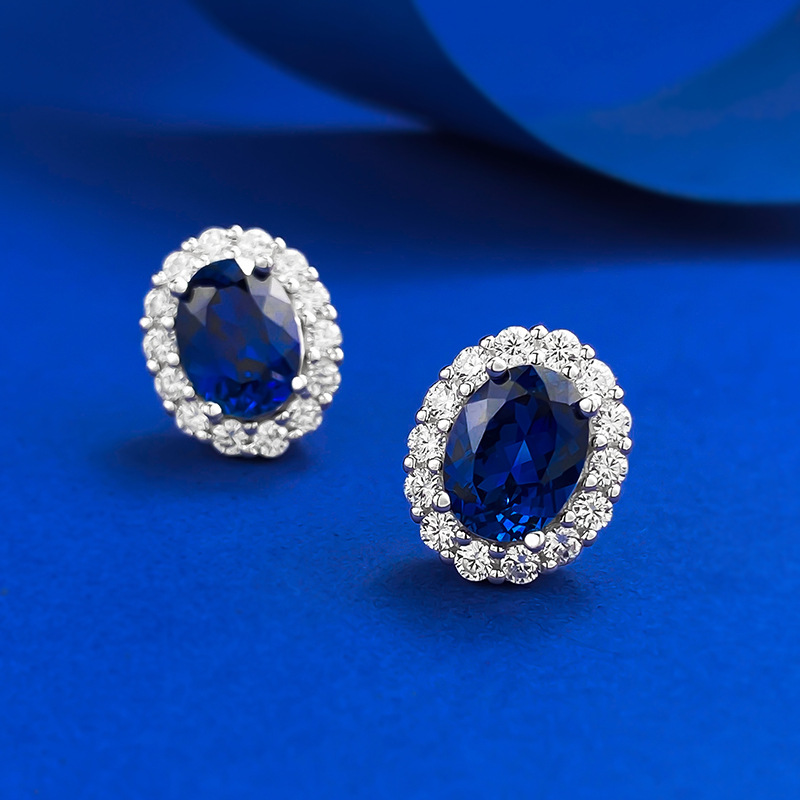
Fine Jewelry Return Policy Checklist Mistakes to Avoid Before You Buy
A Fine Jewelry Return Policy Checklist can spare you from an expensive mistake. That matters whether you’re buying a diamond ring, a custom pendant, or a gift that has to arrive on time. Fine jewelry isn’t like buying a T-shirt. The price is higher, the rules are tighter, and the return window can close before you’ve had time to inspect the piece.
A smart buyer checks the Fine Jewelry Return Policy Checklist mistakes to avoid before placing an order. That one habit helps you spot hidden rules, special-order exclusions, restocking fees, and shipping costs that change the real price of the purchase. It matters even more for made-to-order jewelry, engraved pieces, resized rings, and items that need original certification or appraisal paperwork.
Use this guide before checkout if you’re comparing engagement rings, diamond studs, or bracelets. It will help you shop with fewer surprises and a lot more confidence.
Why a Return Policy Matters for Fine Jewelry
Fine jewelry comes with different return rules than most retail items. A shirt can go back in a box with little fuss. A 1.00 carat diamond ring or a platinum bracelet may need certification papers, insured shipping, and a strict inspection when it comes back.
Three things make the policy matter so much:
- The purchase is high value. Even a small diamond piece can be a major expense. Natural diamond prices can vary a lot by carat, cut, color, and clarity, so buyers need clear refund terms.
- Customization changes eligibility. Engraving, resizing, special settings, and made-to-order details often make a piece non-returnable.
- Condition rules are strict. Earrings, rings, and bracelets may need to be unworn and in pristine shape to qualify.
GIA and IGI both stress accurate grading and clear documentation when buying diamonds and fine jewelry online. Return terms should be just as clear. A strong policy should spell out the return window, the condition rules, the refund timing, and every exclusion in plain language.
A trustworthy retailer will make the policy easy to find on the product page and at checkout. If you have to chase down support just to understand the basics, slow down and ask for the terms in writing. Do you really want to guess on a purchase this important?
What a Strong Policy Should Cover
Use this quick check while reviewing any Fine Jewelry Return Policy Checklist:
- The return window length, such as 7, 14, or 30 days
- The exact day the window starts
- Condition rules for accepted returns
- Whether original packaging, certificates, and tags are required
- Whether refunds go back to the original payment method, store credit, or exchange only
- Who pays for return shipping
- Whether restocking fees apply
- Which items are non-returnable
If those details are vague, the risk goes up fast.
Mistakes to Avoid in a Fine Jewelry Return Policy Checklist
The biggest mistake is assuming every store uses the same return rules. They don’t. A Fine Jewelry Return Policy Checklist should help you compare details Before You Buy, not after the box arrives.
Below are the most common Fine Jewelry Return Policy Checklist mistakes to avoid, along with simple ways to catch them early.
Mistake #1: Missing the Return Window and Start Date
Many buyers assume the clock starts when the package lands on the doorstep. That isn’t always true. Some retailers start the window on the order date. Others use the ship date. Many use the delivery date.
That small difference can decide whether your return is accepted. If you’re buying a gift, timing gets even tighter. Holiday delays, signature-required delivery, and shipping slowdowns can burn through days before you even open the box.
Ask these questions Before You Buy:
- Does the return period begin on order placement, shipment, or delivery?
- Are the days calendar days or business days?
- Does the item need to arrive back by the deadline, or just be postmarked by then?
- Do weekends and holidays count?
Save the answer in your order folder. If there’s a dispute later, written proof helps.
Why the Start Date Changes the Real Deadline
Here’s a simple example. A ring ships on Friday and arrives Tuesday. If the return window starts on the ship date, you may have only a few days left. If it starts on the order date, your time is even shorter.
That’s why the fine jewelry Return Policy Checklist mistakes to avoid should focus on the start date, not just the number of days. Made-to-order pieces can make this even trickier because production time can push delivery right up against your event date.
Quick Deadline Check Before Checkout
Use this mini checklist:
- Read the policy page and product page.
- Find the exact start date.
- Confirm whether the deadline uses calendar days.
- Check whether the item must be mailed or received by the cutoff.
- Ask support to confirm the timeline in writing.
It takes a few minutes. It can save you a lot of money.
Mistake #2: Ignoring Condition, Packaging, and Certificate Rules
A lot of shoppers focus on the time window and miss the condition rules. That’s a costly slip. A fine jewelry return policy checklist should always cover how the item has to come back, because small details can lead to a denial.
Many retailers require:
- The original box and outer packaging
- Tags and protective seals
- A diamond certificate or gemstone report
- Appraisal paperwork
- Extra links, charms, or earring backs
- Warranty cards or care inserts
If you toss those items on delivery day, you may already be out of luck.
Condition rules are strict because fine jewelry is delicate. A ring worn for a few hours can pick up tiny scratches. A bracelet may show clasp wear. Earrings often lose return eligibility once opened or worn. Even resizing, polishing, tightening a stone, or getting a repair can make the piece non-returnable.
Items to Save as Soon as the Box Arrives
Use this preservation checklist the moment your order lands:
- Keep the shipping box
- Keep the presentation box
- Save all certificates and lab reports
- Hold onto appraisal or insurance papers
- Leave tags attached until you’re sure
- Keep extra parts together
- Don’t polish, clean, or resize before deciding
- Take photos of the item and packaging
A clean, untouched return is much easier to process.
How Wear Can Change Eligibility
Retailers define “new condition” in different ways, but the standard is usually strict. Oils from skin, perfume, or visible wear can disqualify a return. So can engraved initials, altered sizing, or missing stones caused by mishandling.
For high-value diamond jewelry, the return team may compare the piece to its original condition photos or internal records. If it doesn’t match, the return may be refused or only partly credited. That’s one reason the fine jewelry return policy checklist mistakes to avoid should include a careful try-on plan.
Why Certificates Matter
Diamond and gemstone paperwork isn’t extra clutter. It helps confirm cut, carat, color, clarity, and sometimes fluorescence or measurements. Many retailers require those documents for returns because they are part of the item’s identity.
Lose the certificate, and you may lose the full return option. Keep the appraisal too, since it may be needed for insurance or return processing. Treat every paper as part of the product, not as an add-on.
Mistake #3: Assuming Every Fine Jewelry Piece Is Returnable
A polished product photo can make every item look returnable, but that’s not how jewelry policies work. One of the biggest fine jewelry return policy checklist mistakes to avoid is assuming one rule fits every piece.
Common non-returnable categories include:
- Custom-designed jewelry
- Engraved pieces
- Resized rings
- Special-order items
- Altered chain or bracelet lengths
- Personalized pendants
- Final sale merchandise
- Some earrings for hygiene reasons
- Loose stones or bespoke mountings
These exclusions make sense. Custom work is built to one buyer’s specs. Once a piece is altered, the retailer can’t easily restock it. Hygiene rules also apply to items worn close to the body, especially earrings.
A fine jewelry return policy checklist should include a product-by-product review. Don’t assume one brand rule covers the whole site. Product pages can carry different terms from category pages, and special collections often have their own restrictions.
Where to Look for Exclusions
Check these spots before checkout:
- The product page near the price or shipping details
- The main return policy page
- FAQ pages
- Cart or checkout disclosures
- Custom design or engraving pages
If the item is marked non-returnable anywhere in that path, treat it as final unless support confirms otherwise in writing.
Choose the Right Risk Level
A good checklist should help you make a buying choice, not just a policy check. Ask yourself:
- Do I need the option to return this piece?
- Is exchange-only good enough?
- Will I need sizing changes?
- Am I buying for myself or as a gift?
- Is a custom design worth the final sale risk?
If you want flexibility, pick a returnable piece instead of a fully customized one.
Mistake #4: Skipping Refund Method, Restocking Fees, and Shipping Costs
Many shoppers see “returns accepted” and assume the process will be simple and free. That’s not always true. A strong fine jewelry return policy checklist has to cover the full cost, not just whether a return is allowed.
Refund methods vary. Some retailers send money back to the original payment method. Others offer store credit only. Some allow exchanges but not cash refunds. If you’re buying a gift or expect a size change, that difference matters.
Costs can stack up fast:
- Restocking fees can reduce the refund
- Insured return shipping may be required
- Return labels may be paid by the buyer
- Signature confirmation may be mandatory
- Original shipping charges may not come back
A $2,500 ring with a 10% restocking fee and $45 insured return shipping doesn’t feel like a simple return anymore. That’s why the fine jewelry return policy checklist mistakes to avoid should include a cost check Before You Buy.
Compare Return Cost Structures
| Policy Detail | Buyer-Friendly Option | Higher-Risk Option |
|---|---|---|
| Refund method | Original payment method | Store credit only |
| Restocking fee | None | 5% to 15% fee |
| Return shipping | Retailer-paid insured label | Buyer pays insured return |
| Original shipping | Refunded | Non-refundable |
| Processing time | 3 to 7 business days | 10 to 21 business days |
This is where the fine print matters most. A piece can look affordable until you add every fee.
Questions to Ask Before You Buy
- Is the refund going back to my card, or only as credit?
- Will I get a full refund of the item price?
- Who pays for insured return shipping?
- Are there processing or restocking fees?
- How long does refund approval take after the item arrives?
If the answers aren’t posted clearly, contact support and save the reply.
Mistake #5: Forgetting Sizing, Care, and Wear Before Purchase
A return policy can only do so much. The easiest return is the one you never need. That’s why your fine jewelry return policy checklist should include fit, care, and wear Before You Order.
Sizing issues are common with rings, bracelets, and necklaces. A ring that’s too loose may spin. One that’s too tight may need resizing, which can hurt return eligibility. Bracelets need enough room to move without slipping off. Necklace length affects how the piece sits and whether it layers well.
Fit Factors to Check First
- Ring size: Use a trusted ring sizing guide, especially for a gift.
- Bracelet size: Measure wrist size and compare it with the clasp length.
- Necklace length: Think about 16, 18, 20, and 24 inch options.
- Earring style: Check post length, back type, and comfort.
If you need extra help, you can learn about ring sizing before you choose a size.
Care Can Protect Return Eligibility
Fine jewelry needs gentle handling from the moment it arrives. Don’t wear it during workouts, showers, cleaning, or sleep until you know it fits and feels right. Lotions, perfume, chlorine, and household cleaners can dull metal finishes or affect stones.
That kind of damage can make a return fail the inspection. Keep the item in its box until you’re ready to decide. If you’re comparing several pieces, try one at a time so you protect each item’s condition.
Smart Pre-Purchase Habits
Use these habits to cut return risk:
- Review measurements, not just photos.
- Check model references and product dimensions.
- Read stone details carefully, including carat weight and setting style.
- Confirm whether the item is adjustable.
- Choose a design that fits your lifestyle.
If you’re shopping for an engagement piece, you can explore our engagement rings and compare styles before you choose.
How to Use a Fine Jewelry Return Policy Checklist Before You Buy
A fine jewelry return policy checklist works best when it becomes part of your shopping flow. Use it before you add anything to cart. Compare retailers side by side, and don’t wait until delivery day to read the fine print.
Step-by-Step Pre-Purchase Checklist
- Read the return policy page. Look for the return window, start date, and deadlines.
- Check the product page. Confirm whether the item is returnable, exchange-only, or final sale.
- Review condition rules. Note packaging, tags, certificates, and wear restrictions.
- Identify all fees. Look for restocking charges, shipping costs, and refund timing.
- Verify sizing details. Confirm ring, bracelet, and necklace measurements.
- Check customization status. Custom, engraved, or resized pieces often have different rules.
- Save support replies. If you asked a question, keep the written answer.
- Keep all documents. Hold onto the box, reports, and receipts until the return window closes.
Compare Retailers Using These Signals
When you compare stores, the best fine jewelry return policy checklist focuses on these signs:
- Clear deadlines in plain language
- Written exclusions for custom and personalized pieces
- Transparent refund method and fee structure
- Evidence of insured shipping and secure handling
- Easy-to-reach customer support
- Product pages that match the main policy page
If a retailer checks those boxes, the buying process is usually more predictable.
Decide Between Returnable, Exchange-Only, and Custom
Use the policy to match the purchase to your needs:
- Returnable pieces work best when you’re unsure about style, fit, or gifting preferences.
- Exchange-only pieces can work if you know you want the item but may need a size or style change.
- Custom pieces make sense when you want a personal design and you’re comfortable with final sale terms.
If you want maximum flexibility, returnable inventory items are usually the safest choice. If you already know what you want, a custom piece can still be worth it as long as the policy is clear.
You can also browse our jewelry collection or shop certified diamonds if you want clear product details before you decide.
Trust Signals to Look For
A reliable seller should make policy details easy to confirm through:
- A visible policy page
- Product-level disclosures
- Customer support chat or email
- Written confirmation of special terms
- Clear references to grading reports and documentation
These signals matter because they show the seller is being direct, not vague. They also make the buying process less stressful.
Fine Jewelry Return Policy Checklist Mistakes to Avoid: Questions to Ask Before Payment
Before you pay, use these questions as a final screen:
- Is this item returnable or final sale?
- Does the return window start at order, ship, or delivery?
- Are certificates and packaging required?
- Is there a restocking fee?
- Who pays for insured return shipping?
- Will I receive a refund, credit, or exchange?
- Can I still return it if it’s been resized or worn?
- Is the policy different for custom, engraved, or special-order items?
If you can’t answer those confidently, pause and ask the retailer. A few minutes now can save you time, money, and stress later.
Final Takeaway: Shop with a Clear Return Plan
The best fine jewelry return policy checklist is the one you actually use before buying. Check the return window, confirm the start date, save the packaging, verify certificate rules, and understand every fee before you commit.
That simple habit helps you avoid the most common fine jewelry return policy checklist mistakes to avoid and keeps your purchase protected. It also makes the whole shopping process less stressful.
Ready to choose with more confidence? Browse our jewelry collection, explore our engagement rings, or contact our jewelry experts before you order.
FAQ
What should I check in a fine jewelry return policy before buying?
Check the return window, the date it starts, the item condition, and whether original packaging or certificates are required. Also confirm whether the refund goes back to your card, store credit, or an exchange. Finally, look for restocking fees and return shipping costs so you know the real price of a possible return. A good fine jewelry return policy checklist makes those details easy to compare.
Are custom fine jewelry pieces usually returnable?
Custom, engraved, resized, and special-order pieces are often non-returnable because they’re made for one buyer. Some retailers allow exchanges under limited terms, but many treat these items as final sale. We’ve seen customers miss this detail most often with personalized gifts and made-to-order rings. Read the product page and policy before you order so there are no surprises.
Does the return window start when I place the order or when I receive it?
That depends on the retailer. Some policies start the clock on delivery, while others use the ship date or even the order date. A fine jewelry return policy checklist mistakes to avoid review should always confirm the exact start point in writing before purchase. If the item is a gift, that detail matters even more because shipping delays can eat into your time.
What happens if I lose the jewelry certificate or original packaging?
Many retailers require the original certificate, appraisal, box, and protective materials for a return to be accepted. If those items are missing, the return may be denied or reduced to store credit. Keep every document and the box until the return window ends. For diamond jewelry, that paperwork is often part of the item’s identity, not just extra paper.
What are the most common fine jewelry return policy checklist mistakes to avoid when shopping online?
The biggest mistakes are missing the deadline, overlooking non-returnable exclusions, ignoring fees, and tossing packaging too early. Buyers also forget to confirm sizing and care rules, which can make a return impossible. In our experience, the issues that cause the most frustration are usually simple to catch before checkout. A careful checklist helps you compare policies and shop with more confidence.
Ready to Find Your Perfect Diamond?
Explore our collection of certified lab-grown diamonds
Shop Diamonds