Fine Jewelry Gift Box Damage Claim Guide: What to Do First
A damaged jewelry box can make a beautiful gift feel rushed, awkward, or incomplete. This fine Jewelry Gift Box Damage Claim guide explains what to do when the jewelry is safe, but the presentation box arrives crushed, stained, torn, or unfit for gifting.
You usually have two paths: file a carrier claim or contact the retailer for support. The better choice depends on what was damaged, how the package looked at delivery, and how soon you need the gift.
If the jewelry is damaged, missing, or looks tampered with, stop here and contact the retailer right away. Keep the box, label, mailer, inserts, and every piece of packing material.
Quick Answer: Carrier Claim or Retailer Support?
For most box-only issues, contact the retailer first. A retailer can confirm your order, review photos, check whether replacement packaging is available, and tell you if a carrier claim should also be opened.
A carrier claim fits better when the outside carton shows clear transit damage. That includes crushed corners, water marks, punctures, torn seams, or signs that the package was opened and resealed.
Use this simple rule: if the branded gift box is damaged but the outer carton looks fine, start with retailer support. If the shipping carton is damaged too, photograph everything and ask the retailer whether you or the shipper must file the carrier claim.
I’ve helped plenty of customers through this exact situation, and the first thing I always tell them is simple: do not panic, and do not throw anything away. Most packaging problems are fixable when you document them clearly from the start.
This Fine Jewelry Gift box damage claim guide focuses on packaging damage. Product issues, such as a loose stone or broken clasp, need a faster and more formal support process.
What Counts as Gift Box Damage?
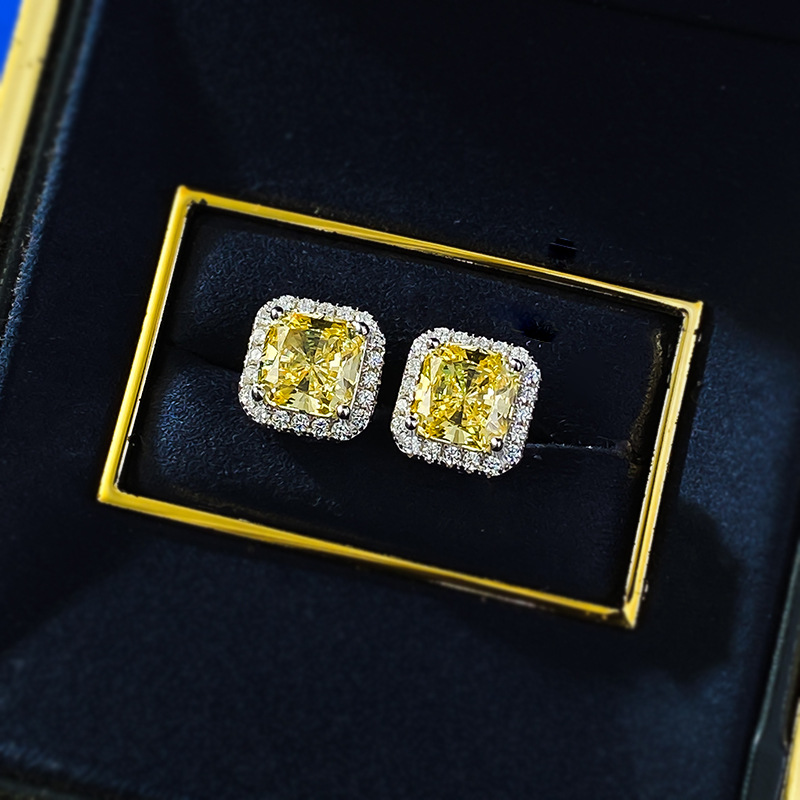
Gift box damage means the jewelry is present and secure, but the packaging no longer looks gift-ready. Examples include a crushed ring box, torn earring case, dented bracelet box, stained pouch, bent insert, scuffed lid, or loose hinge.
Product damage is different. A bent ring shank, broken chain, loose prong, missing diamond, scratched metal, or damaged clasp affects the jewelry itself.
Separate the package into three layers before you report the issue:
- Outer shipping carton: the mailer or box handled by the carrier.
- Branded presentation box: the ring, earring, bracelet, or necklace box used for gifting.
- Jewelry and documents: the piece itself, plus any appraisal, warranty card, or grading report.
GIA and IGI grading reports identify diamond details such as carat weight, color, clarity, cut, measurements, and report number. They do not prove package condition at delivery, so your photos matter.
Step 1: Document the Damage Before You Move Anything
Good photos protect your options. Before you throw away tissue paper or flatten the shipping carton, take clear pictures from several angles.
Use daylight if you can. If not, place the package near a bright lamp and avoid filters. The photos should clearly show dents, stains, tears, moisture, labels, and how the jewelry sat inside the box.
Carrier claim windows vary by service, but major carriers often require prompt reporting and may ask for the original packaging. UPS, FedEx, and USPS all state that packaging may be needed for inspection in damage claims. Keep everything until the retailer or carrier says the case is closed.
For higher-value purchases, documentation matters even more. A 2.00 carat lab-grown diamond ring, a pair of 1.00 ctw diamond studs, or a tennis bracelet with 40 or more matched stones can involve insurance review, order verification, and proof of value.
In my experience at StoneBridge, the customers who get the fastest answers are the ones who send clear photos, order details, and a short note explaining the gift deadline. It sounds basic, but it saves a surprising amount of back-and-forth.
Photo Checklist for a Jewelry Gift Box Claim
Before you contact anyone, gather these items:
- A photo of the unopened package, if damage is visible.
- Close-ups of crushed corners, tears, water stains, punctures, tape, and labels.
- Photos of each packaging layer as you open it.
- Images of the branded gift box from the front, back, sides, and inside.
- A clear photo showing that the jewelry is present and secure.
- Your order number, tracking number, delivery date, and delivery address.
- Photos of any grading report, appraisal folder, warranty card, or missing document area.
Do not clean, tape, glue, bend, or repair the box before taking photos. Small changes can make the damage harder to prove (trust me, I’ve seen well-meaning “quick fixes” make claims harder).
Option A: Filing a Carrier Claim for Transit Damage
A carrier claim is the formal path for shipping damage. Use it when the carrier-handled carton tells the story: crushed sides, soaked cardboard, torn seams, punctures, or visible mishandling.
This route can create a trackable incident record. It may also support reimbursement if the shipment had declared value or insurance coverage.
The drawback is timing. Carrier claims can take time, may not provide a replacement jewelry box, and may pay the shipper of record rather than the gift recipient.
A carrier claim may be right for liability, but not always right for presentation. If your proposal is tomorrow night, a formal claim probably will not fix the ring box in time.
Honestly, I think this is where people get understandably frustrated. A carrier process may be necessary, but when you’re trying to give someone a ring, necklace, bracelet, or pair of diamond studs, you’re not thinking about paperwork. You’re thinking about the look on their face when they open the box.
How to File a Carrier Claim
Follow these steps if the package shows delivery damage:
- Photograph the damaged shipping carton before opening it further.
- Save the carton, label, filler, tissue, pouch, inserts, ribbon, and gift box.
- Confirm whether the jewelry is present and undamaged.
- Find the tracking number, order confirmation, invoice, and delivery date.
- Contact the retailer to ask whether the shipper must file the claim.
- Submit the carrier forms if instructed.
- Respond quickly if the carrier requests inspection or more photos.
Some carriers let recipients start a claim. Others require the shipper to handle it. Since the retailer often bought the label, ask before you spend time on the wrong form.
Carrier Claim Pros and Cons
Carrier claims work best when the shipping damage is obvious.
Pros:
- Creates a formal delivery damage record.
- Helps document crushed, soaked, punctured, or torn cartons.
- May support reimbursement under declared value or insurance rules.
- Gives the carrier a chance to inspect the package.
Cons:
- Can move slowly.
- May require original packaging for inspection.
- May not replace the branded gift box.
- May pay the shipper instead of the recipient.
- Depends on carrier rules, service level, and coverage limits.
Use this Fine Jewelry Gift box damage claim guide as a filter. If the outside box is the problem, carrier involvement makes sense. If only the presentation box is damaged, retailer support is usually more useful.
Option B: Contacting the Retailer for Gift Box Support
Retailer support is often the best first step when the jewelry is intact. The retailer knows the packaging standard, the order details, and whether a replacement box, pouch, or insert is available.
Our customers often contact us because the piece is perfect, but the box does not match the moment. That matters. A ring box should open cleanly, earring inserts should hold posts upright, and a bracelet box should protect the clasp without pressing on the links.
I’ve helped customers choose gifts for proposals, anniversaries, birthdays, graduations, and “just because” surprises, and one thing is always true: the presentation carries emotion. The box is not the jewelry, of course, but it is part of the first impression.
Retailer support is also better for timing. If you need the gift for a birthday, holiday, anniversary, graduation, or proposal, tell the support team the date right away.
Replacement packaging is not always guaranteed. It can depend on order history, inventory, destination, damage type, and shipping timing. It remains the most direct request when the problem is presentation.
What to Send the Retailer
Send a short message with proof. Keep it clear and factual.
Use this template:
"Hello, my order arrived with the jewelry secure, but the presentation gift box is damaged and not suitable for gifting. My order number is [order number], delivered on [date]. I have photos of the shipping carton, packing materials, damaged gift box, and jewelry condition. The gift is needed by [date]. Can you advise whether replacement packaging is available or whether a carrier claim is needed?"
Include these details:
- Order number and delivery date.
- Photos of the outer carton and branded box.
- A note confirming whether the jewelry is intact.
- A note confirming whether documents are present.
- The gift deadline, if there is one.
If you feel awkward asking about a box, you are not alone. Fine jewelry is often purchased for a once-in-a-lifetime moment, and presentation is part of that experience.
Here’s what nobody tells you: it is completely reasonable to care about the box. When someone is opening an engagement ring, a diamond necklace, or a pair of earrings chosen with love, the experience should feel calm, beautiful, and intentional (yes, even on a budget).
Retailer Support Pros and Cons
Retailer support focuses on solving the gifting problem.
Pros:
- More likely to help with replacement presentation materials.
- Usually faster for box-only concerns.
- Connects the issue to your exact order.
- Helps confirm whether a carrier claim is needed.
- Gives you a place to explain urgent gift timing.
Cons:
- Depends on available packaging inventory.
- Requires order verification.
- May vary by policy and shipping location.
- May not replace a carrier claim for severe transit damage.
If the jewelry is missing or damaged, do not frame it as a box issue. Contact the retailer through the official support channel and preserve every item from the shipment.
Side-by-Side Comparison: Carrier Claim vs Retailer Support
This fine jewelry gift box damage claim guide is easiest to use when the two options sit side by side.
| Situation | Carrier Claim | Retailer Support | Best First Step | Why |
|---|---|---|---|---|
| Outer carton is crushed, soaked, punctured, or torn | Strong fit | Helpful for order guidance | Carrier claim with retailer guidance | The carrier may need transit damage evidence. |
| Branded gift box is damaged but jewelry is safe | Weak fit for replacement packaging | Strong fit | Retailer support | The retailer controls boxes, inserts, and pouches. |
| Jewelry is intact and gift date is close | Usually slow | Strong fit | Retailer support | Support may offer a faster presentation fix. |
| Jewelry is missing | May support investigation | Urgent | Retailer escalation | Missing contents are a security and order issue. |
| Jewelry is damaged | May be secondary | Urgent | Retailer escalation | The item needs inspection and instructions. |
| Insurance reimbursement is the goal | Stronger fit | May coordinate as shipper | Ask retailer first | Coverage depends on shipper status and declared value. |
| You need a replacement box | Not the carrier’s focus | Stronger fit | Retailer support | Carriers do not manage branded jewelry packaging. |
For many shoppers, the smartest plan is simple: contact the retailer first, keep all evidence, and follow the carrier process only if needed.
Which Path Should You Choose?
Choose a carrier claim if the shipping carton arrived damaged, wet, torn, punctured, resealed, or visibly mishandled. That evidence points to transit damage.
Choose retailer support if the jewelry is safe but the box, pouch, insert, or ribbon is not gift-ready. That issue is about presentation and order support.
Choose urgent retailer escalation if you see missing jewelry, a broken clasp, loose stones, bent prongs, a damaged chain, a missing grading report, or signs of tampering. Those are not cosmetic packaging problems.
The value of the item can also shape the urgency. A 1.50 carat engagement ring, a 2.00 carat lab-grown diamond, or a Diamond Tennis Bracelet may require quick documentation even when the box damage looks minor.
If you are still unsure, start with the retailer. The support team can tell you whether the carrier must be involved.
Urgent Gift Dates: Proposals, Anniversaries, and Holidays
A gift deadline changes the conversation. If the event is close, say so in the first message.
Ask about:
- Expedited replacement packaging.
- Alternate ring boxes, pouches, or presentation cases.
- Local pickup, if available.
- Safe short-term storage for the jewelry.
- Whether the original packaging must stay untouched for claim review.
Do not discard the damaged box just because a quick fix is offered. Keep the carton, label, filler, insert, and photos until the retailer confirms you can let them go.
For proposals especially, give yourself permission to ask for help quickly. There is so much feeling wrapped up in that little box, and no one wants a crushed hinge or stained insert distracting from a moment you have probably imagined a hundred times.
Best First Step for Most Customers
For most packaging-only cases, this fine jewelry gift box damage claim guide recommends contacting the retailer first and preserving all packaging. That gives you the best chance of a practical gift-box solution while keeping a carrier claim available.
Start with photos. Then confirm the jewelry is present, secure, and undamaged. After that, send the retailer your order number, delivery date, tracking details, and the clearest images you have.
StoneBridge Jewelry treats packaging as part of the fine jewelry experience. A lab-grown diamond engagement ring, Diamond Stud Earrings, tennis bracelet, or necklace should feel secure and ready to present.
Every shipment moves through conveyors, trucks, sorting facilities, weather, and handoffs. Even careful packing can be affected by rough handling, so evidence helps everyone respond faster.
What Not to Do After a Damaged Delivery
Avoid these common mistakes:
- Don’t throw away the carton, label, inserts, pouch, ribbon, tissue, or damaged box.
- Don’t repair or clean the packaging before taking photos.
- Don’t wait several days to report the issue.
- Don’t assume a carrier claim will replace a branded jewelry box.
- Don’t wear damaged jewelry or try to repair it yourself.
- Don’t treat missing contents as a simple packaging complaint.
Fast reporting gives you more options. It also helps the retailer or carrier compare the delivery condition against the original shipment record.
Shop Fine Jewelry With Gift-Ready Support
The best damage-claim experience starts before shipping. Choose a retailer that cares about secure packaging, clear support, and a polished gifting moment.
StoneBridge Jewelry designs each order with presentation in mind. If you are shopping for a meaningful gift, explore lab-grown diamond engagement rings, diamond stud earrings, tennis bracelets, or fine jewelry gifts.
You can also browse our full fine jewelry collection, compare engagement rings, learn more about diamonds, or design a ring with our ring builder.
Lab-grown diamonds are graded by the same core 4Cs used for mined diamonds: cut, color, clarity, and carat weight. GIA notes that the 4Cs provide a shared language for diamond quality, while IGI reports help identify key diamond characteristics and report numbers.
A beautiful piece deserves packaging that supports the moment. If your box arrives damaged, use this fine jewelry gift box damage claim guide to document the issue, Choose the Right contact, and protect your gift plan.
Ready to Find Your Perfect Diamond?
Explore our collection of certified lab-grown diamonds
Shop Diamonds