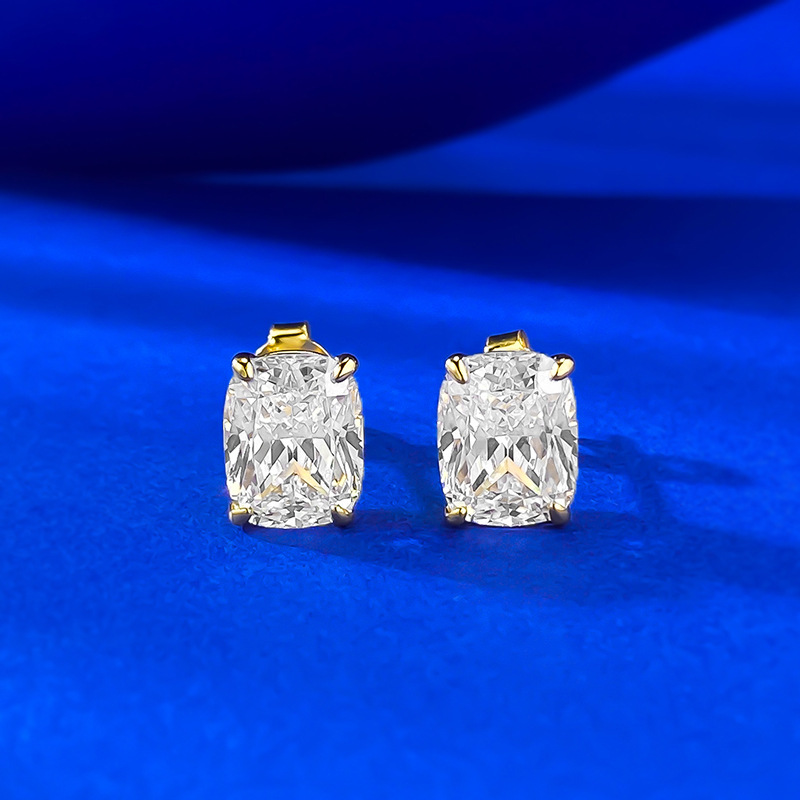
Diamond Stud Earrings Travel Inventory Guide for Safer Trips
Packing earrings sounds easy until you're standing in a hotel room wondering Which Pair Should be in the case. A Diamond Stud Earrings travel inventory guide gives you a clear record before you leave home. It helps you know what you packed, where each pair belongs, and what proof you have if something goes missing.
Diamond studs are one of the easiest fine jewelry pieces to travel with. They're small, polished, and useful with almost any outfit. Still, small jewelry is easy to misplace. Why leave that to memory?
Why a Travel Jewelry Inventory Matters
Most jewelry travel problems start with rushed packing. You add one pair of studs, then small hoops, then a dressier pair for dinner. Two days later, you can't remember whether those earrings were packed, worn, or left at home.
A Diamond Stud Earrings travel inventory guide turns that guesswork into a simple checklist. It records each pair, its value, its storage spot, and the documents that support ownership. If you travel often, this habit saves time and stress.
I've helped plenty of customers choose diamond studs for honeymoons, destination weddings, anniversary trips, and everyday travel, and the most relaxed travelers are almost always the ones who keep the jewelry plan simple. They know what they brought, where it lives, and what needs to come home.
Insurance companies often ask for Proof of Ownership, value, and condition before they review a jewelry claim. Receipts, appraisals, grading reports, and photos can all help. Your inventory keeps those details together instead of scattered across emails and drawers.
Customers who travel with a short earring capsule often feel more prepared than customers who pack from the whole jewelry box. Three pairs are usually enough: diamond studs, a small hoop or huggie, and one dressier drop earring if the trip calls for it.
What Makes Diamond Studs a Smart Travel Choice
Diamond studs sit close to the ear, so they don't swing, snag, or tangle the way longer earrings can. They work with denim, workwear, resort outfits, and evening dresses. A secure pair can move from breakfast to dinner without a jewelry change.
The setting and backing matter. Four-prong and martini settings show more diamond. Bezel settings add a smooth metal rim around the stone. Basket settings feel classic and sturdy. For travel, check screw backs, locking backs, or tight friction backs before you pack (trust me, loose backs have a way of showing up at the worst possible moment).
GIA explains that laboratory-grown diamonds have essentially the same chemical, physical, and optical properties as natural diamonds; their difference is origin. That makes lab-grown diamond studs a practical travel option, especially when you want size and sparkle without the same replacement cost as many natural diamond pairs.
Diamond is rated 10 on the Mohs hardness scale. That hardness helps with wear, but it also means a loose diamond earring can scratch softer metals and gemstones. Don't toss studs, hoops, and drops into one pouch.
| Earring style | Travel benefit | Packing risk | Best use |
|---|---|---|---|
| Diamond studs | Compact, secure, versatile | Lost backs or bent posts | Everyday wear, work, dinners |
| Hoop earrings | Easy polish | Hinges can bend or scratch | Casual looks, resort outfits |
| Huggie earrings | Small and close-fitting | Tiny clasps can loosen | Active days, city trips |
| Drop earrings | Dressy but controlled | Can rub against other pieces | Weddings, dinners, events |
| Dangle earrings | Strong visual impact | Tangling and snagging | Formal plans with careful storage |
Buying Diamond Studs With Travel in Mind
If you are buying diamond studs partly for travel, look beyond sparkle in the display case. The best travel pair balances beauty, comfort, documentation, and replacement practicality. A dramatic pair may be perfect for a gala, but a secure, well-made everyday pair is usually better for airports, hotels, train stations, and long days away from home.
For many buyers, 0.50 to 1.50 ct total weight is the most useful range for travel studs. A 0.50 ct total weight pair gives a clean, understated look and is easy to wear all day. A 1.00 ct total weight pair is the classic middle ground: visible, polished, and still practical. A 1.50 ct to 2.00 ct total weight pair has more presence in photos and evening settings, but it should be recorded carefully and insured appropriately.
Diamond quality matters, but earrings are viewed differently than engagement rings. Because studs sit on the ear and are seen from normal conversation distance, many shoppers choose near-colorless grades such as G-H or H-I and clarity grades such as VS2-SI1 when the diamonds are eye-clean. With lab-grown diamond studs, higher color and clarity grades may be more accessible, so F-G color and VS clarity can be a strong value if the price difference is reasonable.
Cut quality should not be ignored. Round brilliant diamond studs with excellent or ideal cut grades tend to look bright, which helps smaller carat weights appear lively. Fancy shapes such as oval, princess, cushion, pear, or emerald cut can be beautiful, but they may need more careful matching for shape, length-to-width ratio, and visual size. If you buy fancy-shape studs, photograph both earrings together so your inventory shows that the pair is matched.
Ask for grading reports when the diamond size justifies it. For many better-quality natural and lab-grown diamond studs, GIA or IGI reports provide useful documentation for carat weight, color, clarity, measurements, and origin. Smaller fashion studs may not come with individual reports, but you should still keep the receipt, product page, appraisal, and any written description that lists the diamond specifications.
Metal choice affects both appearance and maintenance. 14K gold is popular for travel because it is durable, widely available, and usually less costly than platinum or 18K gold. 18K gold has a richer color and higher gold content, but it can show wear a bit more easily. Platinum is strong, naturally white, and excellent for sensitive ears, though it often costs more and can feel slightly heavier. Sterling silver is affordable, but it tarnishes and is not the usual choice for valuable diamond studs.
Price ranges vary widely by diamond origin, carat weight, metal, and quality. As a general buying frame, smaller lab-grown diamond studs may start in the low hundreds, while 1.00 ct total weight lab-grown pairs often sit in the hundreds to low thousands depending on specs. Natural diamond studs of similar size and quality commonly cost more, and larger natural pairs can move into several thousand dollars quickly. Use your inventory value as replacement guidance, not just what you paid during a sale.
Before ordering earrings for a trip, check shipping timing, signature requirements, return windows, and resizing or repair policies. Leave enough time to inspect the pair, try the backs, confirm comfort, and photograph the documentation before departure. A common mistake is ordering studs too close to a vacation and packing them before you know whether the posts sit straight, the backs feel secure, or the diamonds match your expectations.
Build Your Diamond Stud Earrings Travel Inventory Guide
A Diamond Stud Earrings travel inventory guide can be a spreadsheet, secure note, cloud folder, or printed sheet. The format doesn't need to be fancy. It just needs to be accurate and easy to update.
Start with the earrings you truly plan to wear. A beach weekend, business trip, cruise, ski trip, and black-tie wedding all need different jewelry. If a pair doesn't match a real outfit or event, leave it home.
Honestly, I think this is where most people overpack. Beautiful jewelry can feel emotional, especially pieces tied to proposals, weddings, milestone birthdays, or gifts from someone you love. Still, the safest travel jewelry plan is usually the one that lets you enjoy the trip instead of managing a tiny portable jewelry store.
For each pair, record the type, metal, stones, setting, backing, value, documents, and storage plan. For diamond studs, include total carat weight, diamond shape, metal type, setting style, backing type, and whether the diamonds are lab-grown or natural.
Your Diamond Stud Earrings travel inventory guide should answer five questions: What am I bringing? What is each pair worth? What proof do I have? Where will I store it? How will I check that it came home?
Details to Record Before You Pack
Use the same fields for every pair so your inventory is easy to scan. Note whether the earrings are studs, huggies, hoops, drops, or dangles. Add metal details such as 14K white gold, 18K yellow gold, platinum, or sterling silver.
For diamond earrings, record carat weight, shape, color and clarity if known, setting style, and report numbers from GIA or IGI. Add the purchase date, retailer, appraisal value, and insured value. If you bought the earrings from StoneBridge Jewelry, include the order record or product description.
A strong entry might read: “Round lab-grown diamond studs, 1.00 ct total weight, 14K white gold, four-prong basket settings, screw backs, IGI Report Numbers saved, stored in top compartment of black travel case.” That one line tells you far more than “diamond studs.”
Photograph and Back Up the Record
Photos are the most useful part of a diamond stud earrings travel inventory guide. Take clear pictures in natural light on a plain surface. Capture the front, side, back, posts, backs, clasps, hinges, and any marks inside the metal.
Photograph diamond studs as a pair and separately. If a prong is lifted or a backing looks worn, you'll notice before travel. That gives you time to visit a jeweler or choose another pair.
Store the inventory in two places. A password-protected cloud folder helps when you're away from home. An offline copy on your phone or a printed copy stored away from the jewelry gives you a backup if service is poor.
Pack Earrings So They Stay Protected
A diamond stud earrings travel inventory guide should say not only what you packed, but how you packed it. Fine earrings need separation. Posts bend, hinges loosen, chains tangle, and diamonds can scratch softer jewelry.
Use a structured travel case with small compartments whenever possible. A soft pouch can prevent light scratches, but it won't protect delicate settings from pressure inside a packed bag. Keep jewelry in a personal item or carry-on, not checked luggage.
For diamond studs, fasten the backs before packing. If they have screw backs, thread them gently until secure. If they use friction backs, make sure the fit feels snug. Loose backs are one of the easiest ways to lose stud earrings.
Hoops and huggies should be clasped closed before they go into the case. Drops and dangles should lie flat in their own compartment or pouch. Don't let chains, prongs, and hinged closures rub together during transit.
A good storage note is simple: “Diamond studs on stud card, black case, top zipper pocket.” Repeating the same storage habit makes your diamond stud earrings travel inventory guide easier to use during the trip.
Insurance, Security, and Carry-On Rules
Fine earrings should stay with you during transit. Checked bags can be delayed, lost, inspected, or mishandled. Many travel insurance plans also limit coverage for valuables in checked baggage, so carrying jewelry close is the safer habit.
Review your homeowners, renters, travel, or jewelry insurance before departure. Many standard policies have jewelry sublimits that may be far below the replacement value of diamond studs. Scheduled jewelry coverage or a dedicated jewelry policy may be better for higher-value pairs.
Appraisals should reflect current replacement value. A 1.00 ct total weight pair and a 3.00 ct total weight pair carry very different risk. Lab-grown diamond studs can range from hundreds to several thousand dollars depending on size and quality, while comparable natural diamond studs often cost more.
International travel may require extra care. High-value jewelry can raise customs questions, especially if it looks newly purchased. Receipts, dated photos, appraisals, and grading reports from your diamond stud earrings travel inventory guide can help show the earrings were owned before the trip.
At hotels, cruises, and rentals, use the same storage spot every time. Avoid sinks, towels, nightstands, robe pockets, and bathroom counters. Small earrings vanish fast on busy mornings (yes, even when you swear you set them somewhere “obvious”).
Plan a Small Earring Capsule
A diamond stud earrings travel inventory guide also helps you pack less. Start with your itinerary, not your full collection. Choose earrings that earn their place.
For many trips, the best capsule includes one pair of diamond studs, one pair of huggies or small hoops, and one pair of drop or dangle earrings for a planned dressy event. If there is no formal dinner, skip the dangles.
In my years working with jewelry customers, I've noticed that diamond studs become the “I don't have to think about it” pair for travel. They look polished in photos, feel comfortable during long days, and still feel special when the trip includes a proposal dinner, wedding toast, or anniversary celebration.
Scale matters. Studs from 0.25 to 0.50 ct total weight feel subtle and easy for active travel. Studs from 1.00 to 1.50 ct total weight add more presence while staying versatile. Larger studs may be beautiful, but they call for stronger insurance and closer tracking.
Metal color should match your wardrobe. White gold and platinum work well with cool tones and silver hardware. Yellow gold warms linen, leather, and earth colors. Rose gold softens neutrals and blush tones.
Think about ear comfort before choosing the travel pair. If you have smaller lobes, heavy studs may tilt forward unless the setting is low-profile or the backs offer enough support. Basket and bezel settings often sit more evenly than tall martini settings on some ears. Larger studs can also benefit from oversized backs, locking backs, or stabilizing discs that help the diamond face forward.
For warm-weather travel, remember that sunscreen, saltwater, chlorine, lotion, and hair products can leave film on diamonds. That residue does not damage a well-made diamond stud immediately, but it blocks light and makes even high-quality stones look dull. If your trip includes pools or beaches, wear the studs for dinner and photos rather than swimming, and pack a small soft cloth for quick wiping.
If you're building a travel set, browse StoneBridge Jewelry's lab-grown diamond collection for stud options, or explore fine jewelry for everyday wear. If you want help comparing carat size, settings, or secure backs, our team can help through the StoneBridge Jewelry contact page.
Common Travel Mistakes to Avoid
The biggest mistake is packing too much. More pairs mean more backs, clasps, and compartments to track. Your diamond stud earrings travel inventory guide works best when the list stays edited.
Another mistake is relying on memory. “Small white gold studs” won't help much if you need to file a claim. “14K white gold round lab-grown diamond studs, 1.00 ct total weight, screw backs, IGI reports saved” gives a much clearer record.
Unsafe storage causes many losses. Don't use cosmetic bags, coat pockets, side pouches, loose evening bags, or tissue. Makeup residue can dull stones, and tiny backs can disappear into seams.
Skipping inspection is risky too. Run a clean fingertip over prongs to feel for snags. Check that posts are straight, backs fit firmly, huggie hinges click shut, and lever backs hold tension.
Be careful with public jewelry changes. Removing studs in an airplane seat, restaurant restroom, rideshare, or beach cabana creates too many chances for a back to roll away. If you must change earrings while out, stand over a towel or open pouch, remove one earring at a time, and put the first pair away before opening the next.
Another overlooked mistake is packing newly purchased earrings without testing them for a full day. Posts can feel too long for sleeping, screw backs can irritate sensitive ears if overtightened, and some low-profile settings sit better than others. Wear the pair at home before the trip so your travel inventory does not include earrings you end up avoiding.
Here's what nobody tells you: the most expensive travel mistake is not always losing the jewelry. Sometimes it's losing the documentation that proves what the jewelry was. A clear diamond stud earrings travel inventory guide helps protect both the earrings and the story behind them.
After the trip, clean diamond studs with warm water, mild dish soap, and a soft brush if the setting allows. Avoid harsh cleaners on delicate designs. If anything feels loose, ask a jeweler to inspect it Before You Wear the earrings again.
Diamond Stud Earrings Travel Inventory Guide Checklist
Use this diamond stud earrings travel inventory guide Checklist Before You leave, while you're away, and after you return.
Pre-trip checklist:
- Choose only earrings you'll actually wear.
- Inspect posts, backs, prongs, hinges, clasps, and stones.
- Photograph each pair from the front, side, back, and closure.
- Record metal, diamond details, carat weight, setting, backing, and value.
- Save receipts, appraisals, GIA or IGI reports, and purchase details.
- Confirm insurance limits, exclusions, deductibles, and travel coverage.
- Pack each pair in a structured case, stud card, pouch, or original box.
In-trip checklist:
- Keep fine earrings in a personal item or carry-on.
- Store earrings in the same compartment each time.
- Avoid removing earrings in public restrooms, pools, restaurants, or transit areas.
- Check your inventory when changing hotels, cabins, or rentals.
- Keep jewelry discreet and out of sight in rooms.
Post-trip checklist:
- Confirm every pair on the inventory came home.
- Check each backing, clasp, post, prong, and hinge.
- Clean earrings gently after sunscreen, lotion, saltwater, or hairspray exposure.
- Update your inventory if value, condition, or documentation changed.
- Schedule professional cleaning or repair if anything feels loose.
Travel Lighter and Protect What You Love
A diamond stud earrings travel inventory guide doesn't need to slow you down. It gives you a repeatable system: choose fewer pieces, photograph them, record the details, pack them safely, and check them when you return.
Diamond studs are ideal travel earrings because they're compact, elegant, and easy to style. Pair them with huggies, small hoops, or one dressy pair, and you'll cover most trips without overpacking.
Before your next getaway, take ten minutes to build or update your diamond stud earrings travel inventory guide. Your future self will be glad you did, and the pieces you love will have a much better chance of making every memory-filled mile home with you.
Ready to Find Your Perfect Diamond?
Explore our collection of certified lab-grown diamonds
Shop Diamonds