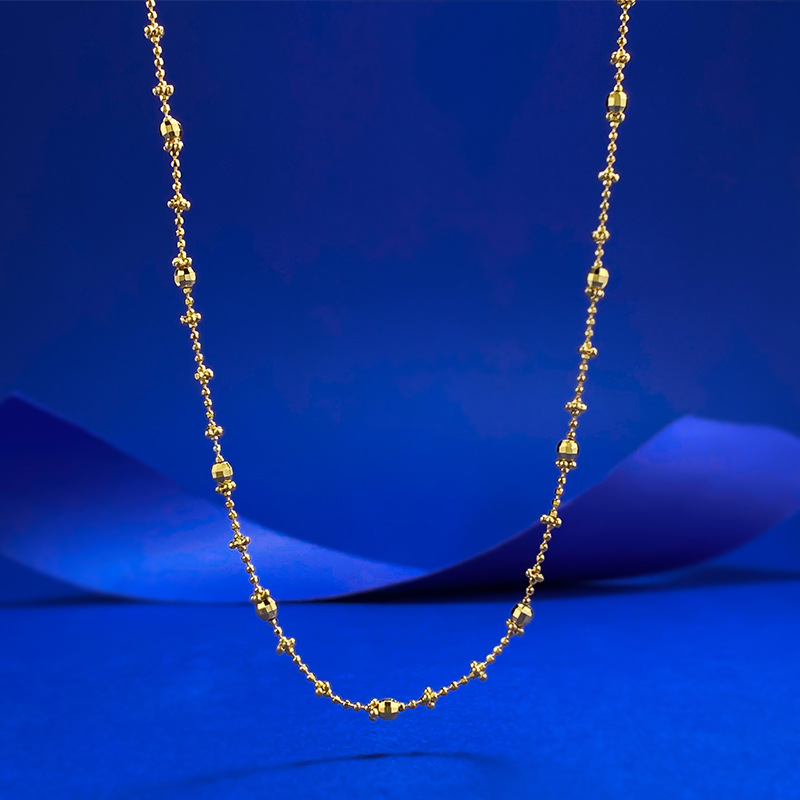
Fine Jewelry Documentation Storage Condition Note: Physical, Digital, or Hybrid?
A Fine Jewelry Documentation storage condition note records where your jewelry paperwork lives, how it is protected, and what condition the piece is in now. It may seem simple, but it can save hours during an insurance claim, resale review, appraisal update, or estate conversation.
Think about the last time you needed a receipt from two years ago. Now imagine needing a diamond grading report, appraisal, repair record, warranty, and clear photos after a loss. A good storage note keeps those records from getting buried in email, drawers, or cloud folders with names like “scan-final-final.pdf.”
This guide compares physical storage, digital storage, and the hybrid method we recommend most often at StoneBridge Jewelry. The goal is practical: what to save, where to keep it, how often to review it, and how to avoid sharing private details by mistake.
What a Jewelry Documentation Storage Note Should Track
A fine jewelry documentation storage condition note answers four basic questions:
- Where are the original documents?
- Where are the digital copies?
- What is the jewelry's current condition?
- When should the records be reviewed again?
Those answers matter because jewelry value depends on exact details. A 1.50 carat lab-grown diamond with Excellent cut, F color, and VS1 clarity is not the same replacement item as a 1.50 carat diamond with Good cut, J color, and SI2 clarity. GIA teaches the 4Cs: carat weight, color, clarity, and cut. Those four points shape how diamonds are described, compared, and replaced.
Your note does not need to be fancy. It needs to be clear enough that you, an insurer, an appraiser, or a trusted family member can Find the Right file fast. Customers who store documents right after purchase are far less likely to lose grading reports or appraisal updates later.
For jewelry buyers, the best notes also capture the decisions that are easy to forget after checkout. Record whether a diamond was natural or lab-grown, whether the center stone was certified, whether the ring was ordered in 14K gold or platinum, whether the prongs were standard or claw style, and whether sizing was completed before or after delivery. These small details can affect future repairs, matching bands, replacement estimates, and warranty conversations.
What Counts as Fine Jewelry Documentation
Fine jewelry documentation includes more than a receipt. A complete file may include:
- Retail receipts and invoices
- Diamond grading reports from GIA, IGI, GCAL, or another recognized lab
- Replacement-value appraisals
- Insurance schedules or policy endorsements
- Manufacturer or retailer warranties
- Repair, resizing, and cleaning records
- Gemstone treatment disclosures
- Authenticity papers for branded or custom jewelry
- Photos of the top, side, hallmark, clasp, setting, and inscriptions
A receipt proves what you bought and what you paid. An appraisal estimates retail replacement value for insurance. A lab report lists measured details such as carat weight, dimensions, color grade, clarity grade, polish, symmetry, fluorescence, and report number.
Lab-grown diamond jewelry deserves careful tracking. Save the report number, inscription details when available, purchase invoice, setting metal, warranty terms, and photos. If a pair of earrings has two individual diamond reports, record both numbers in the fine jewelry documentation storage condition note.
For colored gemstones, include treatment information because it affects value and care. Heated sapphire, oiled emerald, irradiated blue diamond, and untreated ruby should not be documented as if they are interchangeable. For pearls, record pearl type, size range in millimeters, strand length, clasp metal, restringing date, and whether the pearls are cultured freshwater, Akoya, Tahitian, or South Sea.
Storage Conditions That Protect Paper and Proof
Paper lasts longer in dry, cool, clean, low-light spaces. Avoid damp basements, hot attics, sunny shelves, and boxes near plumbing. Moisture can ripple paper, blur ink, and weaken envelopes.
Security matters too. A safe document system should account for fire resistance, water resistance, access control, duplicate copies, privacy, and family access. The Insurance Information Institute recommends keeping receipts, appraisals, and photos for valuable items because they support claims after loss, theft, or damage.
Use simple numbers as a reminder. Keep at least 3 copies of important records, on 2 storage types, with 1 copy off-site or in secure cloud storage. That 3-2-1 backup rule works well for jewelry documents because one accident should not erase your proof.
Do not store jewelry paperwork loose in the same pouch as the jewelry itself. Metal edges, prongs, clasps, and earring posts can scratch paper or tear sleeves. If you keep an appraisal card with a piece for quick identification, make it a copy and keep the original in a separate protected file.
Option A: Physical Jewelry Document Storage
Physical storage means keeping original jewelry documents in a home safe, fire-resistant document box, bank safe deposit box, or organized binder. Many owners still prefer paper because originals can be handed to an appraiser, insurer, estate attorney, or buyer.
Physical records help families too. Heirs may not know whether a diamond is natural or lab-grown, where a ring was purchased, or whether a bracelet has been repaired. A labeled folder can answer those questions without guesswork.
Use acid-free folders, clean sleeves, and sealed pouches when possible. Store originals away from light, humidity, and heat. If you use a safe, choose one rated for document protection, not only burglary resistance.
Best Physical Storage Features
Strong physical storage may include:
- Fire-rated home safe: Pick a safe designed to protect paper from heat.
- Waterproof sleeves: Use sealed sleeves inside the safe to reduce water damage.
- Bank safe deposit box: Store original appraisals, lab reports, and estate records for higher-value pieces.
- Inventory binder: Keep copies at home for quick reference.
- Separate storage: Store jewelry and documents in different places when practical.
Label files by item, date, and document type. For example, “2.00 ctw lab-grown diamond studs, IGI reports, appraisal” is useful. Do not write safe codes, passwords, full policy numbers, or private security details on the folder.
A printed fine jewelry documentation storage condition note belongs at the front of the file. It should list what is inside, where copies are stored, whether the item is insured, and when the next review is due.
Pros and Limits of Physical Storage
Physical storage protects original documents and can be easy for family members to understand. It does not depend on passwords, cloud access, or file formats. It also supports resale because buyers often like seeing original lab reports and purchase records.
The weakness is simple: paper can burn, flood, fade, tear, or disappear during a move. Safe deposit boxes may not be available outside bank hours. A home binder can also become messy if no one updates it.
Use physical storage for originals, not as your only record system. Scan every page and keep the digital copies in a secure location.
Option B: Digital Jewelry Document Storage
Digital storage uses scanned appraisals, PDF receipts, grading report downloads, cloud folders, encrypted drives, password managers, digital vault apps, and photo inventories. It works well because it is searchable and easy to share.
Need to send an appraisal to your insurer before a policy renewal? Digital copies make that simple. Need to verify an IGI or GIA report number while comparing an upgrade? A named PDF is faster than opening a safe.
Digital storage is especially helpful for lab-grown diamonds. Many grading reports can be checked through a lab's report lookup tool using the report number. Save the report number, carat weight, measurements, and inscription photo if you have one.
Best Digital Storage Features
Useful digital tools include:
- Cloud folders with two-factor authentication
- Encrypted external drives
- Password-protected PDFs for appraisals and insurance records
- Digital vault apps for household documents
- Spreadsheet inventories with report numbers and values
- High-resolution jewelry photos
- PDF copies of receipts, warranties, and grading reports
Use clear file names. “ring.pdf” will not help much in three years. A better name is “EngagementRing_1.72ct_LabDiamond_IGI123456789_Appraisal.pdf.”
Your digital fine jewelry documentation storage condition note should record the file location, original document location, last appraisal date, current condition, and trusted-contact access plan. Keep it useful, but do not store passwords or safe combinations in the note.
Pros and Limits of Digital Storage
Digital records are fast, searchable, and easy to update after cleaning, resizing, repair, reappraisal, or insurance changes. They also help if a physical file is damaged at home.
The risks are passwords, deleted files, device failure, and loose sharing settings. The Federal Trade Commission recommends strong unique passwords and multi-factor authentication for sensitive accounts. Use those habits for jewelry records, especially if the files include values and home information.
A digital-only system can work for lower-value records, but it has gaps. Originals still matter for estate handling, resale confidence, and some appraisal conversations.
Physical vs Digital vs Hybrid Storage Comparison
The best fine jewelry documentation storage condition note does not force a permanent choice between paper and digital records. It uses both. Originals stay protected, and copies stay easy to find.
| Comparison Point | Physical Storage | Digital Storage | Hybrid Storage | StoneBridge Recommendation |
|---|---|---|---|---|
| Original document preservation | Excellent | Limited | Excellent | Keep originals in secure physical storage |
| Duplicate availability | Moderate | Excellent | Excellent | Scan every receipt, appraisal, and report |
| Insurance claim speed | Moderate | Excellent | Excellent | Keep digital copies ready to share |
| Disaster protection | Moderate | Good if backed up | Excellent | Use fire-resistant storage plus cloud backup |
| Privacy control | Good | Good with encryption | Excellent | Limit labels and sharing access |
| Resale support | Excellent | Good | Excellent | Offer originals plus digital verification |
| Family access | Good if labeled | Good if planned | Excellent | Create a trusted-contact plan |
| Best fit | Originals and estates | Fast access and updates | Most jewelry owners | Choose hybrid for valuable pieces |
Hybrid storage gives you the strongest mix of proof and access. It also works for different jewelry types. Engagement rings need receipts, grading reports, appraisals, insurance records, and photos. Lab-grown diamond studs need total carat weight, individual report numbers if available, setting details, and backing type. Tennis bracelets benefit from records for total carat weight, length, metal, clasp style, and repair history.
Which Storage Method Should You Choose?
Choose physical storage if your top concern is original proof. This suits inherited jewelry, higher-value pieces, signed appraisals, printed lab reports, and estate files.
Choose digital storage if you want fast access. This suits people who travel, insure several pieces, upgrade jewelry often, or manage household records online.
Choose hybrid storage if you want the safest everyday system. For most fine jewelry owners, the hybrid fine jewelry documentation storage condition note is the best choice because it protects originals and keeps copies ready for claims, appraisals, resale, and family planning.
If you are shopping now, save product details right away. You can browse lab-grown diamonds, compare styles in engagement rings, explore finished pieces in fine jewelry, or design a ring through the ring builder. Starting the record on purchase day is much easier than rebuilding it later.
Best Choice for Lab-Grown Diamond Jewelry
Lab-grown diamond jewelry needs precise records because small specification changes can affect replacement accuracy. A 2.00 carat total weight pair of studs can vary by cut quality, color, clarity, certification, metal, setting style, and backing type.
Keep grading reports and purchase documents together. Record certificate numbers, retailer invoices, setting details, warranty terms, and care notes. If each stone has its own report, list both numbers.
Customers often ask why two lab-grown diamonds with the same carat weight can have different prices. The answer usually sits in the documentation: cut, color, clarity, measurements, fluorescence, certification, and setting details.
For a lab-grown diamond engagement ring, a buyer-friendly record should include the center stone shape, exact carat weight, color, clarity, cut grade when available, measurements, ratio for fancy shapes, table and depth percentages, fluorescence, lab name, report number, and laser inscription status. For round diamonds, cut quality is especially important because Excellent or Ideal cut grades usually command more confidence than Good or Very Good cut grades. For oval, emerald, pear, radiant, and cushion cuts, note the measurements and visual features such as bow-tie appearance, length-to-width ratio, and whether the stone was selected for a more elongated or more balanced look.
Also record the metal and setting because replacement is not only about the diamond. 14K white gold, 18K yellow gold, rose gold, and platinum wear differently and fall into different price ranges. Platinum usually costs more upfront and develops a patina over time, while 14K gold is often durable and budget-friendly for daily wear. A four-prong solitaire shows more diamond but gives less prong coverage than a six-prong setting. A low-profile setting may feel secure and comfortable, while a higher basket can allow more wedding band options. Those details should be in the note before memory fades.
Best Choice for Insurance and Resale
Insurance and resale both reward clean records. Insurers often ask for receipts, appraisals, photos, and updated values. Buyers may want proof of purchase, grading reports, diamond specifications, and signs that the piece has been cared for.
Many jewelry owners review appraisals every 1 to 3 years, but your policy may set a different timeline. Check your insurer's rules and update sooner after major repairs, resizing, upgrades, gifting, inheritance, or market changes.
A missing appraisal will not make jewelry worthless, but it can slow the conversation. A current fine jewelry documentation storage condition note shows what exists, where it is stored, and what needs attention.
Price documentation is useful even when market prices change. Save the actual transaction price, discounts, taxes, shipping charges, and any separate cost for setting, resizing, engraving, rush production, or appraisal service. For example, a buyer comparing lab-grown diamond rings may see a loose center stone priced separately from a setting, while a finished ring may show one bundled price. Keeping both the invoice and product page printout helps clarify what was included.
For resale, avoid overstating insurance appraisal value as if it is guaranteed resale value. Replacement appraisals are often written for insurance purposes and may be higher than what a private buyer or trade-in program offers. Clean records still help because they reduce uncertainty, confirm specifications, and make the piece easier to evaluate.
Buyer Details to Add Before the Box Arrives
The best documentation habit starts during checkout, not after years of ownership. Before a piece ships, save the order confirmation, product listing, return policy, warranty terms, shipping method, expected delivery date, and signature requirement. If the ring is custom, save the CAD renderings, stone approval images, setting description, and any email confirming prong style, basket style, band width, engraving, or hidden halo details.
Sizing deserves its own line in the note. Record the ordered ring size, whether the ring has sizing beads, whether it contains a full eternity pattern, and whether the jeweler has limits on future resizing. Plain solitaires are usually easier to resize than pavé bands, channel-set rings, tension settings, or eternity bands. If a ring is exchanged from size 6.5 to 6.25, add the date and keep the service receipt. That record helps later if the ring needs additional work or if an insurer asks whether the piece was altered after purchase.
Shipping and returns also belong in the file. Keep tracking numbers, delivery confirmation, package photos if available, and return authorization numbers for any exchange. If a retailer requires the original box, tags, grading report, or inspection window for returns, note that deadline. A diamond report that is misplaced during the return period can delay an exchange or create replacement fees.
Recommended Workflow for a Hybrid Documentation Note
Use this simple process for each important piece:
- Gather receipts, appraisals, grading reports, warranties, photos, insurance papers, and repair records.
- Photograph the jewelry from the top, side, clasp, hallmark, setting, and inscription angles.
- Scan every paper document as a clear PDF.
- Name files with the item type, carat weight, report number, purchase date, and document type.
- Save copies in encrypted cloud storage and on an external backup.
- Store originals in acid-free folders, waterproof sleeves, and fire-resistant storage.
- Create the fine jewelry documentation storage condition note with physical location, digital location, current condition, and next review date.
- Set an annual reminder to check appraisals, insurance coverage, access permissions, and backups.
Could you rebuild all of this after a loss? Maybe. Setting up the note while every receipt, report, and photo is still close at hand is far easier.
Condition Note Template
Use this template for a clear, safe record:
- Jewelry description: item type, style, and identifying details
- Metal: 14K white gold, platinum, yellow gold, rose gold, or another metal
- Stone details: carat weight, color, clarity, cut, measurements, and gemstone type
- Report number: GIA, IGI, GCAL, or another lab reference
- Purchase details: retailer, purchase date, and receipt location
- Appraised value: appraisal date, appraiser name, and replacement value
- Document list: receipt, report, warranty, photos, repair records, and insurance schedule
- Physical storage location: safe, safe deposit box, or document file
- Digital storage location: encrypted cloud folder or external drive reference
- Current condition: new, excellent, worn, repaired, resized, or needs inspection
- Next review date: annual check, reappraisal date, or insurance renewal date
Update the note after cleaning, resizing, repair, reappraisal, insurance changes, sale, gifting, or inheritance. Keep passwords, safe combinations, full account numbers, and private security instructions out of the file.
Common Documentation Mistakes to Avoid
The most common mistake is saving only the receipt. A receipt may prove purchase, but it may not include the diamond report number, stone measurements, setting metal, ring size, warranty limits, or current condition. Another mistake is photographing the jewelry only from the top. Side views show setting height, prong style, gallery design, and wear patterns that can matter during repair or replacement.
Do not rely on a jeweler, insurer, or email inbox to preserve your only copy. Retail systems change, old email accounts close, and cloud folders get reorganized. Also avoid mixing multiple pieces in one unlabeled folder. A tennis bracelet, anniversary band, and stud earring pair may all be “diamond jewelry,” but each needs its own record with carat weight, metal, clasp or backing type, and service history.
Finally, update the condition honestly. “Excellent, no visible damage” is more useful than “fine.” If a ring has a loose prong, thin shank, chipped accent stone, missing melee diamond, worn rhodium plating, stretched bracelet link, or weak clasp, record it and schedule inspection. Accurate condition notes help prevent small repair issues from becoming loss events.
Jewelry Worth Documenting Properly
The strongest storage method is hybrid: keep originals protected, keep digital copies backed up, and keep your fine jewelry documentation storage condition note current. That system gives you better proof for insurance, cleaner records for resale, and less stress for future care.
If you are comparing fine jewelry, start with pieces that have clear specifications from day one:
- Lab-grown diamond engagement rings
- Lab-grown diamond stud earrings
- Diamond tennis bracelets
- Fine jewelry collection
After purchase, save your receipt, product specifications, warranty information, and diamond grading report right away. Then add the item to your fine jewelry documentation storage condition note before the paperwork scatters across email, drawers, and cloud folders.
Ready to Find Your Perfect Diamond?
Explore our collection of certified lab-grown diamonds
Shop Diamonds