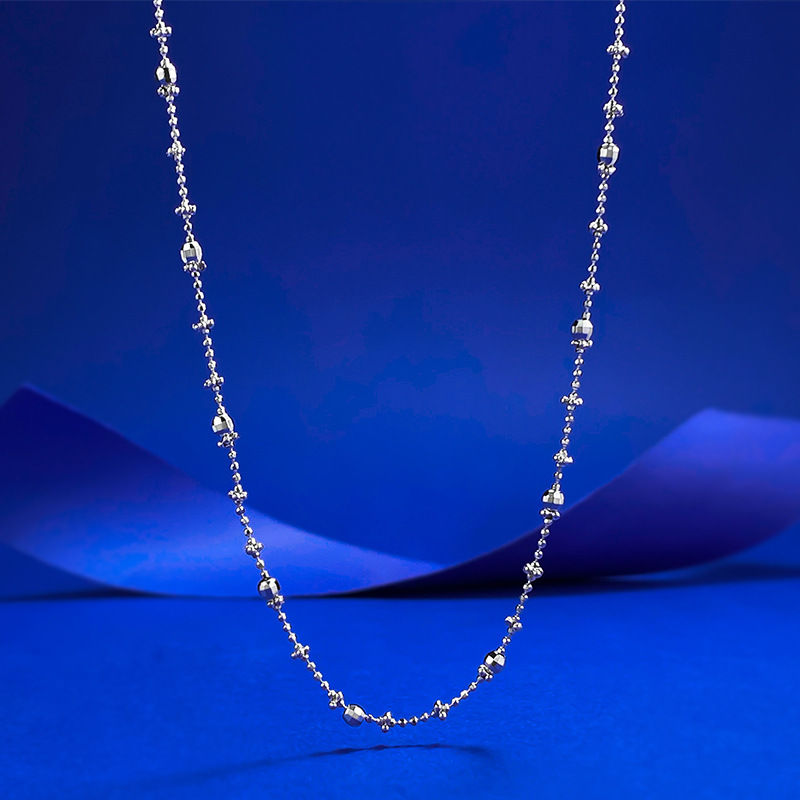
Fine Jewelry Documentation Review Calendar: DIY or Jeweler Review?
A Fine Jewelry Documentation review calendar is a simple schedule for checking the Records That Protect your jewelry. It covers appraisals, diamond grading reports, receipts, insurance papers, photos, repair notes, warranty terms, and proof of ownership.
If you own a lab-grown diamond engagement ring, wedding band, diamond earrings, tennis bracelet, or heirloom piece, those records matter. They help with insurance, repairs, resizing, upgrades, and future value conversations.
The real question is practical: should you manage the calendar yourself, or should a jeweler review it with you? A self-managed fine jewelry documentation review calendar costs less and gives you control. A professional review adds expert checks, better insurance readiness, and fewer missing details.
What a Jewelry Documentation Calendar Actually Checks
A fine jewelry documentation review calendar compares what you own with what your records prove. That sounds dry, but it can save a lot of stress later. If a ring is lost, stolen, damaged, resized, or upgraded, your paperwork needs to match the item.
For a diamond ring, the file should show the diamond shape, carat weight, color, clarity, measurements, metal type, ring size, setting style, and report number. For a tennis bracelet, the file should list length, total carat weight, clasp type, metal, and stone count.
GIA teaches the 4Cs: cut, color, clarity, and carat weight. IGI and GIA grading reports also identify measurements, proportions, and report numbers. Those details give insurers, jewelers, and appraisers a shared language.
Insurance files usually need proof of purchase, clear photos, an appraisal or valuation record, and identifying details. Many jewelers and insurers suggest reviewing appraisals every 2 to 3 years, or sooner after major repairs, resets, or market changes.
Records to Gather Before You Choose a Review Plan
Before you build a fine jewelry documentation review calendar, collect the records for each piece. Do not wait until renewal season or a repair appointment. A clean folder is easier to keep than a messy one is to rebuild (trust me, I have seen people try to recreate years of jewelry history from a few blurry phone photos).
Start with these records:
- Diamond grading report from GIA, IGI, GCAL, or another recognized lab
- Original receipt or order confirmation
- Current appraisal with replacement value language
- Warranty details and service terms
- Jewelry insurance rider or policy schedule
- Repair, polishing, cleaning, and stone-tightening notes
- Resizing history for engagement rings and wedding bands
- Metal details, such as 14k gold, 18k gold, platinum, or sterling silver
- Photos from the top, side, profile, underside, clasp, and hallmarks
For lab-grown diamond jewelry, keep the grading report and product specifications together. A 1.50 carat oval lab-grown diamond ring in 14k white gold should have the report number, exact carat weight, color, clarity, measurements, setting style, ring size, and purchase record in one place.
I have helped many couples choose engagement rings at StoneBridge, and the ones who start a documentation folder right away are always happier later. They are not scrambling before an insurance renewal, a resize, or an upgrade conversation.
Customers often save the receipt but forget the service notes. That missing resizing note or clasp repair can matter later, especially during an insurance claim or upgrade discussion.
Option A: Self-Managed Fine Jewelry Documentation Review Calendar
A self-managed fine jewelry documentation review calendar works best for organized owners with smaller collections. You choose the reminders, scan the papers, save the photos, and update the file after service.
The setup can be simple. Use a secure cloud folder, a spreadsheet, calendar alerts, and a home safe for printed copies. If you already manage tax files or home records well, this approach may feel natural.
The risk is consistency. A DIY calendar only works if you update it. Miss one repair, one appraisal, or one insurance change, and the file starts to drift away from the jewelry.
DIY Review Schedule That Works
A useful fine jewelry documentation review calendar should be easy to repeat. If the system feels too fussy, most people stop using it.
Use this schedule as a starting point:
- Within 30 days of purchase: save the receipt, report, appraisal, product details, warranty, and photos.
- Every 6 months: check prongs, clasps, chains, earring backs, and visible wear.
- Every year: compare your insurance schedule with what you still own.
- Every 2 to 3 years: ask whether the appraisal still reflects replacement value.
- After every repair: add the service note, date, jeweler name, and updated photos.
Create folders by category, such as engagement rings, wedding bands, diamond earrings, bracelets, necklaces, loose stones, and heirloom jewelry. Name files clearly. For example: "Oval-Lab-Diamond-Ring-IGI-Report" is much better than "scan123."
Pros and Cons of a DIY Jewelry Calendar
A self-managed fine jewelry documentation review calendar is not a weak choice. It depends on the value of the piece, your habits, and how much insurance support you need.
Pros:
- Low cost because you manage the records yourself
- Easy to start with tools you already use
- Flexible timing around anniversaries, renewals, and repairs
- Quick access to receipts, reports, photos, and warranty files
- Good fit for one or two lower-risk pieces
Cons:
- Easy to forget updates after repairs or resizing
- No expert check for worn prongs, loose stones, or weak clasps
- Appraisal timing is easy to miss
- Insurance records may fall out of date
- Larger collections can become hard to organize
DIY is often enough for a simple gold chain, modest studs, or a piece that is not individually insured. For an engagement ring, tennis bracelet, or larger lab-grown diamond, most buyers need more than a spreadsheet.
Option B: Professional Jeweler-Led Documentation Review
A professional fine jewelry documentation review calendar adds a trained eye. A jeweler or appraiser can check the piece, compare it with the paperwork, update photos, note condition issues, and recommend appraisal timing.
This option is stronger for engagement rings, bridal sets, high-value lab-grown diamond jewelry, diamond earrings, tennis bracelets, and insured collections. It also helps if you plan to upgrade or reset a piece later.
A spreadsheet can say a ring is platinum with a 1.75 carat round lab-grown diamond. A jeweler can inspect the mounting, compare the report details, check the hallmark, photograph the inscription if visible, and note whether the prongs need work.
Here is what nobody tells you: the sentimental pieces are usually the ones people least want to untangle under pressure. A proposal ring, wedding band, anniversary bracelet, or gift from a parent carries emotion as well as value, and good documentation protects both.
What a Professional Review Can Include
A jeweler-led fine jewelry documentation review calendar may include:
- Item confirmation against receipts, appraisals, and grading reports
- Notes on diamond shape, carat weight, metal, ring size, and setting style
- Inspection of prongs, bezels, channels, pavé, clasps, posts, and chains
- Updated photos of hallmarks, profiles, center stones, side stones, and closures
- Cleaning, repair, polishing, and resizing records
- Appraisal update recommendations based on age and insurance needs
- Insurance-ready summaries for scheduled jewelry coverage
This kind of review catches small mismatches before they become big problems. A receipt might say 14k yellow gold, while an old appraisal says 18k. A diamond report may cover the center stone, while the receipt lists total carat weight. A resizing note may be missing after the ring changes from size 6.5 to 5.75.
Those details matter. During a claim, insurer questions often focus on exact identification, ownership proof, and current replacement value.
Pros and Cons of Professional Review
A professional fine jewelry documentation review calendar usually costs more than DIY, but it lowers documentation risk. For premium jewelry, that trade-off often makes sense.
Pros:
- Expert review from a jeweler, appraiser, or documentation specialist
- Stronger match between receipts, reports, appraisals, and insurance files
- Better support for jewelry insurance schedules and claims
- Condition notes for prongs, clasps, stones, and settings
- Helpful records for repairs, resizing, upgrades, and resale conversations
- Clearer organization for bridal jewelry and multi-piece collections
Cons:
- May include appraisal, inspection, or consultation fees
- Requires appointments and follow-up
- Depends on choosing a reputable jeweler or qualified appraiser
- May be more than a very small collection needs
Professional review is especially useful for insured jewelry. A claim is the wrong time to discover that a ring has no current appraisal, no clear photos, or no record of a recent reset.
DIY vs Professional Review: Side-by-Side Comparison
The right fine jewelry documentation review calendar depends on value, insurance needs, collection size, and your tolerance for recordkeeping. If you're honest about those four things, the choice gets easier.
| Review method | Best for | Cost | Time required | Accuracy | Insurance readiness | Best value range |
|---|---|---|---|---|---|---|
| Self-managed calendar | One or two pieces, organized owners, everyday fine jewelry | Low | Moderate personal time | Good if records stay current | Basic to moderate | Often under $2,000 to $5,000 per item |
| Professional jeweler-led calendar | Engagement rings, bridal sets, insured jewelry, tennis bracelets | Moderate to higher | Appointment based | Strong due to expert review | Strong | Often $2,500+ per item or any insured piece |
| Hybrid calendar | Growing collections and milestone jewelry | Moderate | Balanced | Strong if maintained | Strong | High-use, sentimental, or heirloom pieces |
A solitaire lab-grown diamond engagement ring usually deserves professional review. The grading report, appraisal, insurance schedule, ring size, and setting details all need to agree.
A Diamond Tennis Bracelet also benefits from expert checks. A bracelet with 4.00 total carat weight has many stones, links, and clasp parts. One weak link can lead to loss.
A growing collection often starts with DIY. Once you add wedding bands, earrings, necklaces, bracelets, and anniversary gifts, a professional fine jewelry documentation review calendar brings order back to the file.
Cost, Accuracy, and Convenience
Cost favors DIY. You may only pay for cloud storage, a safe, or an appraisal when needed. Professional review costs more, especially if it includes formal appraisal work.
Accuracy favors professional review. Jewelers can identify worn prongs, loose stones, metal markings, missing service notes, and appraisal mismatches. Most owners do not notice those issues until something breaks.
Convenience depends on your habits. Some people love managing folders and reminders. Others would rather set an appointment and let a jeweler guide the review.
In my experience with StoneBridge customers, the best answer is usually hybrid: keep your own file, then schedule expert review for insured, frequently worn, or high-value pieces. It gives you control without leaving you alone with the tiny details.
Who Should Use Each Fine Jewelry Documentation Review Calendar?
Choose a self-managed fine jewelry documentation review calendar if you own a small collection and you're good with records. This can work for simple gold jewelry, small diamond studs, or everyday pieces with clear receipts and photos.
Choose professional review if you own an engagement ring, a luxury lab-grown diamond ring, a bridal set, a tennis bracelet, or any insured fine jewelry. These pieces carry more detail, more value, and more claim risk.
Choose a hybrid calendar if your collection is growing. Keep digital copies of receipts, product pages, diamond reports, appraisals, care notes, and photos. Then schedule professional checks after purchase, after repairs, after resizing, and every 1 to 2 years for insured pieces.
Need a simple rule? If you'd be upset, financially or emotionally, to replace the piece out of pocket, get professional documentation help.
Best Calendar by Jewelry Type
Engagement rings and bridal sets usually need professional review. They often include a center diamond, side stones, a specific setting, warranty terms, resizing history, and insurance coverage. They also tend to become part of daily life in a beautiful, slightly chaotic way: work, travel, celebrations, errands, hand lotion, winter gloves, everything.
Everyday fine jewelry can often use DIY records. A pendant, chain, or simple pair of earrings may only need a receipt, photos, and basic care notes.
High-value lab-grown diamond pieces do best with a hybrid plan. A 3.00 carat emerald cut lab-grown diamond ring should keep the report number, measurements, color, clarity, metal type, appraisal, and policy details together.
Tennis bracelets, diamond earrings, and necklaces sit in the middle. Lower-value pieces can use DIY files. Higher-value or frequently worn pieces benefit from inspection notes because clasps, posts, prongs, and links wear over time.
If you're still comparing pieces, browse lab-grown diamonds, engagement rings, or our full fine jewelry collection with documentation in mind. If you're building a ring from the start, the ring builder can help you save specifications before purchase.
The Best Choice for Most Premium Jewelry Buyers
For premium and insured pieces, a professional fine jewelry documentation review calendar is the stronger choice. It improves accuracy, supports insurance readiness, and keeps condition notes connected to the item.
DIY still has a place. You should keep your own secure records, even if a jeweler reviews them. The goal is not to hand off responsibility. The goal is to avoid gaps.
StoneBridge Jewelry customers should save order confirmations, diamond details, warranty terms, care records, grading reports, appraisals, and photos from day one. That habit makes later service, resizing, insurance updates, and upgrades much easier.
Use these shopping links if you're choosing a piece worth documenting carefully:
- Explore lab-grown diamond engagement rings
- Compare wedding bands
- Browse diamond earrings
- Review tennis bracelets
A professional review is not only about appraisals. It keeps the story straight. If the receipt lists a 14k yellow gold pavé band, the appraisal should not describe a plain 18k band. If an IGI report belongs to the center stone, that report number should stay with the file.
Honestly, I think documentation is one of the least glamorous parts of buying fine jewelry, but it is also one of the kindest things you can do for your future self. The sparkle gets the attention; the paperwork quietly protects it.
How to Start Your Calendar After Purchase
Start your fine jewelry documentation review calendar the day the piece arrives. Waiting creates gaps, and gaps are hard to fix later.
Use this post-purchase checklist:
- Save the receipt or order confirmation.
- Download or screenshot product details.
- Store the diamond grading report, if one is included.
- Save warranty terms, care instructions, and service policies.
- Add the appraisal when available.
- Record insurance policy or jewelry rider details.
- Photograph the piece from the top, side, profile, and underside.
- Capture hallmarks, engravings, clasps, posts, prongs, and settings.
Set three reminders. First, check the file within 30 days. Next, review insurance once a year. Then, ask about appraisal updates every 2 to 3 years, or sooner after major repair, reset, upgrade, or insurer request.
For rings, add the size and resizing history. For earrings, photograph backs and posts. For bracelets and necklaces, record length and clasp style. For diamond jewelry, keep grading reports and appraisals in the same folder.
If the piece is a proposal ring or wedding gift, take a few extra photos while everything is still new. Not just for insurance, either. Those first photos often become part of the memory, and that matters too.
Build a Calendar That Protects Every Purchase
A fine jewelry documentation review calendar protects more than paperwork. It protects ownership proof, insurance readiness, service history, and confidence in the pieces you wear most.
A self-managed calendar can work for simple collections and organized owners. It is low cost, flexible, and easy to start.
A professional jeweler-led calendar is better for premium, insured, bridal, and lab-grown diamond jewelry. It adds expert checks, condition notes, appraisal guidance, and stronger insurance support.
For most buyers, the smartest plan is hybrid. Keep your own records, then schedule professional review for the pieces you would not want to replace without help.
Ready to choose jewelry worth documenting well? Explore StoneBridge Jewelry's engagement rings, lab-grown diamonds, wedding bands, earrings, and tennis bracelets, then build a fine jewelry documentation review calendar before the box goes into the drawer (yes, even if the box is beautiful and you swear you will remember where everything is).
FAQ
How often should I update a fine jewelry documentation review calendar?
Review your fine jewelry documentation review calendar at least once a year. Update it sooner after resizing, repair, resetting, appraisal, upgrade, insurance renewal, or a new purchase. For insured engagement rings and high-value diamond jewelry, a professional review every 1 to 2 years is a smart habit. Many buyers also ask about appraisal updates every 2 to 3 years.
What documents should I keep for a lab-grown diamond engagement ring?
Keep the receipt, diamond grading report, appraisal, warranty, insurance schedule, product specifications, and clear photos. Save the report number, carat weight, color, clarity, measurements, metal type, setting style, and ring size in one folder. Add service notes after resizing, prong repair, polishing, or resetting. These records help with insurance claims, upgrades, and future repairs.
Is a professional jewelry documentation review better than a DIY calendar?
A DIY calendar can work if your collection is small and you keep records carefully. A professional fine jewelry documentation review calendar is better for insured, high-value, bridal, or lab-grown diamond jewelry. A jeweler can spot worn prongs, loose stones, missing service notes, and appraisal mismatches. Many buyers use a hybrid plan: personal records plus expert review.
Do I need a new appraisal every year for fine jewelry insurance?
Usually, you do not need a new appraisal every year. You should still review your jewelry insurance annually because coverage limits, replacement costs, and ownership can change. Many jewelers and insurers suggest appraisal updates every 2 to 3 years. Ask sooner if you reset a stone, repair a major issue, upgrade the piece, or receive an insurer request.
Can a fine jewelry documentation review calendar help with an insurance claim?
Yes. A fine jewelry documentation review calendar keeps receipts, appraisals, grading reports, photos, and service records easy to find. That helps an insurer identify the item and review replacement details. Professional documentation may add clearer condition notes and item descriptions. It is especially useful for engagement rings, tennis bracelets, diamond earrings, and other high-value jewelry.
Ready to Find Your Perfect Diamond?
Explore our collection of certified lab-grown diamonds
Shop Diamonds