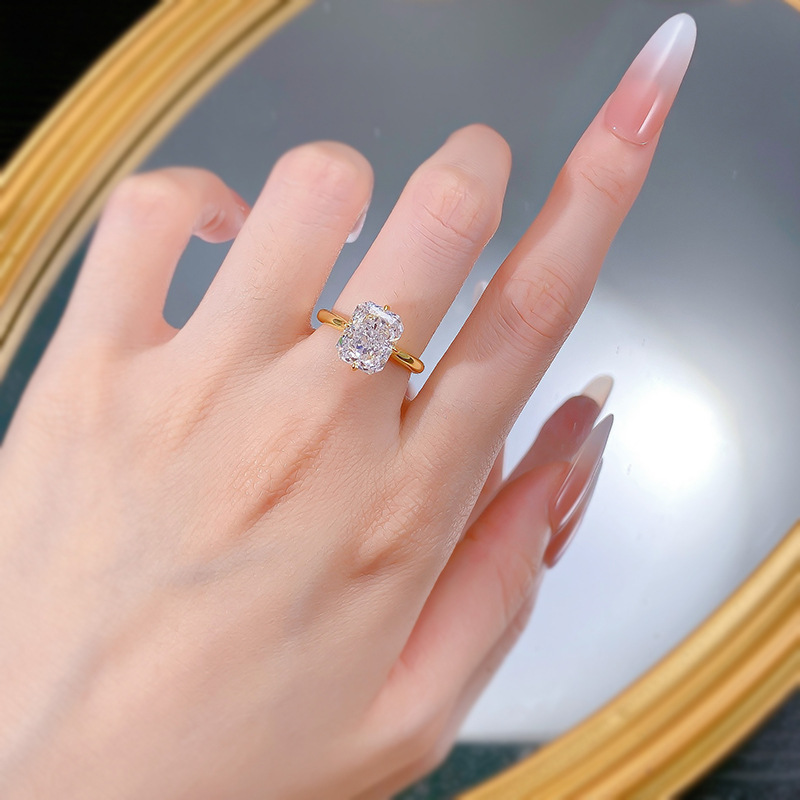
Eco-Friendly Ring Setting Metal Comparison: Platinum, Gold, Palladium, Titanium, and Silver
An eco-friendly ring setting metal comparison should go beyond recycled content. A setting also needs to protect the diamond, hold its shape, resize cleanly, and age well through years of daily wear. That practical side matters, especially for lab-grown Diamond Engagement Rings that are meant to be worn through ordinary Tuesdays, big anniversaries, and every hand-holding moment in between.
Recycled platinum and recycled gold are still the strongest choices for most StoneBridge shoppers. Palladium, titanium, and silver can make sense too, but only for the right design and lifestyle. I’ve helped hundreds of couples choose engagement ring metals, and the best choice is rarely just “the greenest on paper.” It is the one that fits your life, your diamond, your budget, and the way you want the ring to feel every single day.
Eco-Friendly Ring Setting Metal Comparison: What Actually Matters
A useful eco-friendly ring setting metal comparison starts with two questions: where did the metal come from, and how long will the ring last? Recycled precious metals reduce demand for newly mined ore. That helps because mining can disturb land, use large amounts of water, and require heavy energy input.
Longevity counts just as much. A ring that wears out early, cannot be resized, or needs replacement creates more waste over time. The greener choice is often the one that stays wearable for decades with normal jeweler care.
GIA notes that platinum is valued in jewelry for its natural white color, durability, and density. Gold remains popular because it can be alloyed into different colors and karats. Those two facts explain why platinum and gold dominate bridal settings, even in a sustainability-focused discussion.
Most customers start by asking which metal is most ethical. After trying rings on, they usually ask a better question: which metal will suit my hands, my style, and my daily routine? Honestly, I think that second question is where the real decision begins.
What Counts as an Eco-Friendly Ring Setting Metal?
Recycled metal comes from existing jewelry, refined scrap, or industrial sources instead of newly mined material. It still has to be refined and alloyed, but it keeps valuable metal in use. In an eco-friendly ring setting metal comparison, recycled content is one of the clearest sustainability signals.
Transparency matters too. Look for clear metal details such as Pt950 platinum, 14k gold, 18k gold, sterling silver, or palladium alloy information. Responsible Jewellery Council standards also support better traceability and responsible business practices across the jewelry supply chain.
Eco-friendly does not mean maintenance-free. White gold may need rhodium plating. Platinum can develop a soft patina. Silver tarnishes. A smart choice balances lower-impact sourcing with realistic care (because the ring still has to survive real life).
Recycled Platinum Ring Settings
Recycled platinum is the premium benchmark in an eco-friendly ring setting metal comparison. Most fine platinum jewelry is Pt950, which means it contains 95% platinum. That high purity gives it a naturally white look and strong hypoallergenic appeal.
Platinum is dense and secure, so jewelers often use it for prongs, pavé, halos, cathedral shoulders, and three-stone rings. It does not need rhodium plating to look white. It also holds up well for engagement rings worn every day.
The tradeoff is price and feel. Platinum costs more than most gold settings, and it feels heavier on the finger. It also develops a patina over time, which some people love and others prefer to polish. In my years helping StoneBridge shoppers compare metals, I’ve found that people who like platinum usually love that substantial feel once they try it on.
Recycled Platinum Pros and Cons
Recycled platinum works best for shoppers who want the longest-lasting white metal option. It is a strong fit for 1.00 to 2.00 carat lab-grown diamond rings, delicate prongs, and designs with small accent stones.
Pros include natural whiteness, excellent durability, high purity, strong stone security, and no rhodium replating. It can also be serviced by an experienced platinum bench jeweler, which supports a longer life span.
Cons include higher upfront cost, added weight, and a finish that changes with wear. If you want a mirror-bright look all the time, you will need occasional polishing. Here’s what nobody tells you: that soft platinum patina can actually make a ring feel more personal over time, like it has been living your story with you.
Recycled Gold Ring Settings
Recycled gold is the most flexible choice in an eco-friendly ring setting metal comparison. It comes in yellow, white, and rose tones. It also gives buyers more control over budget, color, and design.
The karat matters. 14k gold contains 58.3% pure gold and is usually harder for daily wear. 18k gold contains 75% pure gold, so it has a richer color and a softer feel. Both can be made with recycled metal.
Gold is also easier to resize and repair compared with many alternative metals. That matters if your ring size changes, your wedding band rubs against the setting, or a prong needs attention later (trust me, I’ve seen it happen). For many couples, repairability is part of sustainability.
You can use recycled gold in solitaires, bezels, vintage halos, three-stone rings, and stackable bridal sets. If you want to compare styles, browse our engagement ring settings and notice how each metal color changes the look of the diamond.
Recycled Gold Pros and Cons
Recycled gold wins on variety and value. It suits shoppers who want a warmer look, a lower starting price than platinum, or an easier path to Matching Wedding Bands.
Pros include several color options, good durability, easier resizing, broad design availability, and familiar long-term service. Yellow and rose gold also bring warmth that many lab-grown diamonds wear beautifully, especially if you want a ring that feels romantic without looking overly traditional.
Cons depend on the alloy. White gold usually needs periodic rhodium plating to keep a bright white finish. Lower-karat gold contains more alloy metals, so sensitive-skin shoppers should ask what the mix includes.
Alternative Eco-Friendly Metals: Palladium, Titanium, and Silver
Palladium, titanium, and silver deserve a place in this eco-friendly ring setting metal comparison, but they are not equal swaps for platinum or gold. Each one has a specific use case.
Palladium is a naturally white platinum-group metal. It feels lighter than platinum and can work well for simple bridal designs. Availability is less consistent, though, and not every jeweler services it often.
Titanium is lightweight, strong, and corrosion-resistant. It is popular for minimalist bands and active lifestyles. The drawback is resizing: titanium is difficult to size, and stone-setting repairs can be limited.
Sterling silver is 92.5% silver, which makes it affordable and recyclable. It also scratches and tarnishes more easily than gold or platinum. For a major center-stone engagement ring, silver is usually better for fashion jewelry or occasional wear.
When Alternative Metals Make Sense
Alternative metals make sense for simple bands, symbolic rings, travel rings, and budget-focused pieces. They can be appealing if you want a lightweight feel or a modern gray-silver tone.
For a lab-grown Diamond Engagement Ring, recycled platinum and recycled gold usually offer better long-term support. They resize more predictably, repair more cleanly, and give jewelers more options if prongs or small stones need work.
If you are pairing a setting with a specific diamond, compare the metal and stone together in our lab-grown diamond collection. A secure setting should support the diamond's shape, not fight it.
Side-by-Side Eco-Friendly Ring Metal Comparison
This eco-friendly ring setting metal comparison is easier to use when the buying factors sit side by side. I always recommend looking at maintenance and resizing as seriously as color, because those are the details that affect how happy you are with the ring five or ten years from now.
| Metal | Sustainability Profile | Durability | Maintenance | Color | Resizing Ease | Price Level | Best Use Case |
|---|---|---|---|---|---|---|---|
| Recycled platinum | Strong recycled-content value and long life span | Excellent | Low to moderate; patina develops | Naturally white | Good with a skilled jeweler | Premium | Heirloom engagement rings, pavé, secure prongs |
| Recycled 14k gold | Strong recycled-content value with practical hardness | Very good | Moderate | Yellow, white, or rose | Very good | Mid-range | Everyday engagement rings and active wear |
| Recycled 18k gold | Higher pure gold content with rich color | Very good | Moderate | Rich yellow, white, or rose | Very good | Mid to upper-mid | Vintage styles, luxury designs, warmer looks |
| Palladium | Good white precious metal option where available | Good | Low to moderate | Naturally white | Moderate | Mid to premium | Simple white-metal rings with a lighter feel |
| Titanium | Recyclable and highly durable in many uses | Excellent | Low, but limited repairs | Gray-silver | Poor | Low to mid | Minimalist bands and lifestyle rings |
| Silver | Recyclable and affordable | Fair | Higher; tarnish is common | Bright white | Very good | Lowest | Fashion rings and occasional-wear jewelry |
The short version: recycled platinum wins for premium durability and stone security. Recycled gold wins for style range, value, and easy servicing.
Buying Criteria Before You Choose
Start with lifestyle. If you will wear the ring daily, lift weights, garden, travel, or work with your hands, durability should lead the decision. A delicate setting needs a metal that can handle routine bumps.
Next, look at the design. Platinum is excellent for tiny prongs and pavé details. Gold gives you more color choices and works beautifully for solitaires, bezels, vintage designs, and stacked bridal sets.
Then be honest about maintenance. Will you remember rhodium replating for white gold? Do you like platinum's soft patina? Would resizing limits bother you later? The best eco-friendly ring setting metal comparison is the one that matches real life, not an ideal version of it.
Best Metal by Ring Style and Buyer Type
Choose recycled platinum if you want a naturally white, hypoallergenic, low-maintenance setting for a lab-grown diamond. It is the safest pick for delicate prongs, halos, pavé shoulders, and rings meant to be worn for decades.
Choose recycled yellow gold or rose gold if you want warmth and personality. Yellow gold flatters vintage-inspired settings, while rose gold adds a softer romantic tone. Both pair well with many diamond shapes and can make a proposal ring feel deeply personal (yes, even on a budget).
Choose recycled white gold if you want a bright white bridal look at a lower price than platinum. It is a practical middle ground, as long as you are comfortable with rhodium upkeep.
Avoid silver or hard-to-resize metals for important center stones unless the design is simple and the expectations are clear. They are useful metals, but they rarely offer the same service life for fine bridal jewelry.
Expert Recommendation: Best Eco-Friendly Ring Setting Metal Overall
For premium buyers, recycled platinum is the best overall choice in an eco-friendly ring setting metal comparison. It offers natural whiteness, 95% purity in common Pt950 form, strong prong security, and excellent long-term wear.
For buyers who want more color options and better value, recycled gold is the best alternative. 14k gold is especially practical for daily wear, while 18k gold brings richer color and a more luxurious feel.
If you want to design the full ring from stone to setting, use our ring builder to compare metal, diamond shape, and setting style together. Small details make a big difference once the ring is on your hand, especially when that hand is about to be photographed, hugged, toasted, and shown to everyone you love.
Shop Eco-Friendly Ring Settings at StoneBridge
Ready to choose your metal? Start with recycled platinum if you want maximum durability and a naturally white finish. Pick recycled gold if you want warmth, color, value, and easier future resizing.
Shop lab-grown diamond engagement rings, compare loose stones in our diamond collection, or browse fine jewelry for matching pieces. If you are unsure, our jewelry experts can help you match the setting metal to your diamond shape, lifestyle, and budget.
FAQ
What is the most eco-friendly metal for an engagement ring setting?
Recycled platinum is often the best premium choice because it combines recycled sourcing with long wear life. Pt950 platinum contains 95% platinum, has a naturally white color, and does not need rhodium plating. Recycled gold is also a strong eco-friendly ring metal, especially if you want more color choices or a lower price. For most engagement rings, the best answer depends on durability, repair access, and how often you will wear the ring.
Is recycled gold better than newly mined gold for ring settings?
Recycled gold can be a better choice if you want to reduce demand for newly mined material. It offers the same beauty and performance as newly refined gold when the alloy and craftsmanship are strong. Ask whether the ring is 14k or 18k, since 14k contains 58.3% pure gold and 18k contains 75%. That detail helps you compare durability, color, and price Before You Buy.
Is platinum or white gold better for a lab-grown diamond ring?
Recycled platinum is better if you want a naturally white metal with lower finish maintenance. Recycled white gold costs Less and Still works well for engagement rings, but it usually needs rhodium replating to keep its bright white look. Platinum is often preferred for fine prongs and pavé because it wears well over time. White gold is a smart choice if budget and easy resizing matter more.
Are titanium ring settings eco-friendly for engagement rings?
Titanium can be a practical eco-friendly option for simple bands because it is light, strong, and corrosion-resistant. It is not ideal for every engagement ring, though, because resizing and stone repairs can be difficult. If your ring has a valuable lab-grown diamond, platinum or gold usually gives a jeweler more repair options later. Choose titanium only if you understand those limits.
Does ring setting metal affect diamond security?
Yes, metal choice affects prong strength, repair options, and long-term stone security. Platinum is a strong option for delicate prongs, halos, and pavé details because it holds up well under daily wear. Gold also performs well when the setting is properly built and checked by a jeweler. Have your ring inspected at least once a year if you wear it every day.
Ready to Find Your Perfect Diamond?
Explore our collection of certified lab-grown diamonds
Shop Diamonds