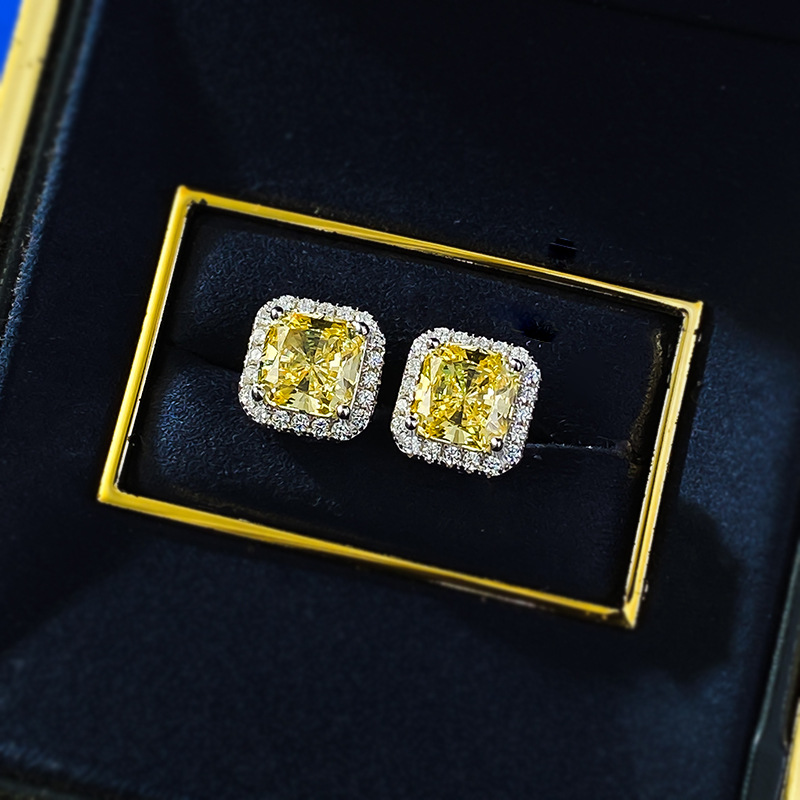
Drop Earrings Metal Choice Brides: How to Pick the Right Metal
The drop earrings metal choice brides make shapes the entire bridal look. Earrings sit close to the face, catch light in portraits, and appear in almost every close-up from the ceremony to the final dance.
The right metal can brighten diamonds, flatter skin tone, and connect the gown, veil, rings, and hair accessories. The wrong one can still look beautiful, but it may feel slightly off once everything is worn together.
Start with three basics: color, comfort, and how the earrings fit the real wedding-day look.
Why Metal Choice Matters for Bridal Drop Earrings
The drop earrings metal choice brides consider should do more than match the rest of the jewelry. Drop earrings frame the jawline and neck, so their metal tone sits beside makeup, hair color, veil fabric, and neckline details.
Metal affects appearance, comfort, coordination, and future wear. Platinum and white gold create a cool, bright look with diamonds. Yellow gold adds warmth and tradition. Rose gold brings a softer, romantic tone. Mixed metals help when rings, hairpieces, and dress details do not all match.
Brides often focus on diamond size first, then notice metal tone once the earrings are near the face. That small shift matters. A pair that sparkles beautifully in a case may look warmer, cooler, or heavier beside your skin.
Metal also changes how settings look. A white metal prong almost disappears around a near-colorless diamond, which can make the stone look slightly larger and cleaner. Yellow gold prongs outline the diamond more visibly and add contrast. Rose gold can make a design feel softer, especially in floral, vintage, or pear-shaped drop earrings.
The drop earrings metal choice brides make also affects how often the earrings get worn after the wedding. A balanced pair can work for anniversaries, formal dinners, holiday parties, and other meaningful occasions.
Compare Bridal Earring Styles Before Choosing Metal
Drop earrings hang below the lobe and add a graceful vertical line. They usually feel more visible than studs, but calmer than long dangle earrings.
Diamond studs are a classic choice for ornate gowns, high necklines, or brides who want quiet polish. Hoop earrings can look modern with tailored dresses or city weddings. Huggie earrings sit close to the ear and feel secure for long wear. Dangle earrings move more and suit simple gowns, updos, and evening receptions.
The drop earrings metal choice brides prefer often depends on silhouette. A petite platinum diamond drop feels crisp and traditional. A yellow gold pear-shaped diamond drop feels warm and refined. A rose gold floral drop can look soft without becoming too sweet.
Look at the earring from the front and the side. Some drops appear delicate straight on but have a thicker basket or hinge from the side. That extra metal can be helpful for durability, but it may also make the earring look more formal or heavier than expected. Brides with sleek buns or side-parted styles often notice the side profile in photos.
If you are comparing styles, browse fine jewelry earrings and bridal pieces to see how drops, studs, hoops, and huggies change the mood of a look.
Platinum and White Gold: Cool, Bright, and Classic
Platinum and white gold are popular for brides who want diamonds to look clear and bright. These metals keep attention on sparkle instead of color.
Platinum is naturally white, dense, and durable. Fine platinum jewelry is often marked 950, which means it contains 95% platinum. Many brides with sensitive ears prefer platinum because high-purity platinum is usually well tolerated.
White gold is made by alloying gold with white metals, then often finished with rhodium for a bright white surface. It gives a similar look to platinum at a lower price. The tradeoff is care. Rhodium plating can wear over time and may need refreshing, though earrings usually need this less often than rings.
GIA notes that diamond color is graded on a D-to-Z scale, with D being colorless. For D-H lab-grown diamonds, white metals can support that clean, icy look. If the drop earrings metal choice brides want is classic and diamond-forward, platinum and white gold are often the first metals to compare.
There are practical budget differences. Platinum usually costs more than 14K white gold because the metal itself is rarer and the finished piece uses more metal by weight. For a simple pair of bridal diamond drops, white gold may keep more of the budget available for diamond size or cut quality. Platinum may make sense when the bride wants a naturally white metal, has metal sensitivity concerns, or wants a substantial heirloom feel.
Ask whether white gold earrings are rhodium plated and whether replating is included or discounted after purchase. Earrings experience less friction than rings, so plating can last a long time, but perfume, hairspray, skin chemistry, and frequent wear can still dull the finish. If you choose white gold for the wedding, have the earrings inspected and cleaned before the event so the metal looks bright in close-up photography.
Yellow Gold and Rose Gold: Warmth, Romance, and Personality
Yellow gold brings warmth and heritage to bridal drop earrings. It pairs beautifully with ivory gowns, vintage lace, warm-toned pearls, and antique-inspired engagement rings.
Rose gold has a gentler blush tone. It works well with champagne dresses, floral embroidery, pink makeup, and romantic hairstyles. Because it reflects warmth near the face, rose gold can flatter many skin tones.
GIA explains that 14K gold contains 58.3% pure gold, while 18K gold contains 75% pure gold. For earrings, both can work well. 18K has richer color, while 14K often offers strong durability and a friendlier price.
For bridal earrings, 14K yellow gold is often a practical choice because it resists bending better than higher-karat gold and usually costs less. 18K yellow gold gives a deeper, more saturated gold tone, which can be beautiful with heirloom jewelry or a warm ivory gown. The decision is not only about purity; it is about the color and structure that suit the design.
Rose gold gets its color from copper in the alloy. That copper content gives the metal its blush tone, but brides with known copper sensitivity should ask about the alloy before buying. If your ears react to fashion jewelry, do not assume every fine metal will feel the same. Try the earrings for a longer period, choose high-quality posts and backs, and consider platinum if comfort has been an issue in the past.
The drop earrings metal choice brides choose should match the feeling they want: bright and classic, warm and traditional, soft and romantic, or modern and personal.
Mixed Metals for Brides Who Want More Flexibility
Mixed metals can solve a real styling problem. You may have a platinum engagement ring, a yellow gold wedding band, gold hairpins, and silver-toned beadwork on the dress.
The key is repetition. Choose one main metal, then repeat the second metal at least once. White gold Diamond Drop Earrings with yellow gold accents can work beautifully if you also wear a yellow gold bracelet or warm gold hair comb.
Mixed metal earrings can also help when the dress has both cool and warm details. For example, a gown with ivory fabric and silver crystal embroidery may look balanced with white gold diamond drops that include a yellow gold bezel, hinge, or small accent. A two-tone design lets the earrings relate to the gown and the rings without looking accidental.
Keep the proportions deliberate. If one metal is dominant, let the other appear as an accent instead of competing evenly across every accessory. A bride wearing a platinum engagement ring and a yellow gold band might choose white gold drop earrings with yellow gold halos, then repeat yellow gold in a bracelet. That creates a clear rhythm without making the styling feel crowded.
Strict matching can look elegant, but it is not the only polished option. The drop earrings metal choice brides make should feel intentional with the full look, not forced by one accessory.
Match Metal to Skin Tone, Dress Color, and Lighting
Skin undertone gives useful clues. Cool undertones often look fresh with platinum and white gold. Warm undertones often glow with yellow gold. Rose gold can suit warm, neutral, and some cool undertones because it blends pink and gold.
Try this simple test. Hold white gold, yellow gold, and rose gold near your cheek in natural light. Which one makes your skin look clearer? Which one makes shadows or redness more obvious?
Dress color matters too. Bright white gowns often pair cleanly with white metals. Ivory usually works well with yellow gold. Blush and champagne gowns can look beautiful with rose gold, yellow gold, or carefully balanced mixed metals.
Lighting can shift everything. Platinum may look crisp in daylight. Yellow gold can glow under candles. Rose gold may look subtle outdoors and warmer at the reception. Take a few phone photos near a window and under indoor lighting before deciding.
Consider the color of the stones in the rest of the look as well. White diamonds, white sapphires, pearls, and colorless crystal beadwork usually lean cool, while champagne diamonds, morganite, golden pearls, and warm antique lace lean warm. If the earrings include colored gemstones, the metal can either sharpen or soften them. Yellow gold makes emerald, ruby, and champagne tones feel rich. White gold can make sapphire, aquamarine, and colorless diamonds feel crisp. Rose gold often flatters morganite, pink sapphire, and soft pastel accents.
Balance Drop Length with Hair, Veil, and Neckline
The drop earrings metal choice brides love in a display case still needs to work with hair and neckline. Updos show the full earring and allow longer drops to shine. Loose waves may hide smaller earrings, so a brighter metal or slightly longer drop can help.
Veils can soften sparkle or catch on settings. Bring earrings, or at least metal samples, to a hair trial if possible. Move your head, hug someone, and check whether the earrings snag.
Neckline changes the balance. Strapless, sweetheart, and off-the-shoulder gowns leave space for drop earrings. High necklines often look better with diamond studs, huggie earrings, or petite drops. V-neck gowns can handle drop earrings if the necklace stays simple.
Drop length is worth measuring, not guessing. Petite drops may sit around 15 to 25 millimeters below the lobe and feel easy for the ceremony and reception. Medium drops around 25 to 45 millimeters give more presence in portraits without becoming dramatic. Longer designs over 45 millimeters can look striking with a simple gown, but they need a careful comfort test, especially if the earrings have multiple diamond sections.
Also check the width of the earring. A narrow linear drop lengthens the face and neck. A wider cluster or floral drop adds sparkle across the cheek area and can balance a sleek dress. If the metal is yellow or rose gold, a wide design will show more warmth. If the metal is platinum or white gold, a wide design will look brighter and more diamond-forward.
Comfort should guide the final call. If earrings pull on the lobe, brush the neck, or feel heavy after 20 minutes, choose a lighter design.
Lab-Grown Diamonds and Metal Pairings
Lab-grown diamonds are real diamonds with the same chemical composition as mined diamonds. GIA and IGI both grade lab-grown diamonds using the 4Cs: cut, color, clarity, and carat weight.
For bridal earrings, cut quality deserves close attention because it drives brightness. A well-cut 1.00 total carat weight pair can look lively and refined. A 2.00 total carat weight pair or larger creates a stronger portrait statement.
White metals can make near-colorless lab-grown diamonds look especially crisp. Yellow gold can soften the contrast and feel more personal. Rose gold adds warmth near the face. The drop earrings metal choice brides make should support both the diamonds and the whole bridal look.
When buying Diamond Drop Earrings, confirm whether the listed carat weight is total carat weight or the weight of each diamond. A 1.00 carat total weight pair usually means both earrings together contain 1.00 carat of diamonds. In a multi-stone drop, that weight may be divided among several smaller stones, so the visual effect can be more delicate than a pair with two larger center diamonds.
For most bridal earrings, near-colorless diamonds in the D-H range are a safe choice, especially in platinum or white gold. In yellow gold or rose gold, I-J diamonds can still look beautiful because the warm metal makes slight body color less noticeable. Clarity depends on diamond size and placement. Smaller accent diamonds can often be SI clarity if they are bright and eye-clean, while larger focal diamonds may merit VS2 or better for a clean appearance in close viewing.
Certification matters most when the earrings include larger individual diamonds. If each main diamond is 0.30 carat, 0.50 carat, or larger, ask whether the stones have GIA or IGI reports. Very small accent diamonds are not always individually certified, so the jeweler should provide clear quality ranges for color, clarity, and total carat weight. Documentation should match the receipt or appraisal so insurance and future servicing are straightforward.
If you are comparing diamond size and value, shop lab-grown diamonds and review carat weight, color, clarity, and cut before choosing your earrings.
Setting Choices That Change the Look of Each Metal
The setting determines how much metal you see and how secure the diamonds feel. Prong settings let in more light and usually show less metal, which is useful when the goal is maximum sparkle. They can snag more easily on veils, lace, and hair, so prongs should be smooth, even, and properly tightened before the wedding.
Bezel settings wrap metal around the diamond edge. They look clean, modern, and secure, but they show more metal and can make the chosen color more obvious. A yellow gold bezel around a round or pear-shaped diamond creates a warm outline. A platinum bezel looks sleek and architectural. Rose gold bezels soften the outline of diamonds and can pair well with vintage or floral details.
Halo settings add a frame of smaller diamonds around a center stone, increasing visible sparkle without the cost of a much larger diamond. In white metals, halos can make the center diamond blend into a larger field of light. In yellow or rose gold, consider whether the halo prongs are the same metal or a white metal head. White prongs on a warm gold earring can keep diamonds looking bright while preserving the overall warmth of the design.
For movable drops, check the joints between sections. A hinged or articulated drop should move smoothly but not twist constantly. Too much movement can make earrings difficult to photograph evenly. Too little movement can make a longer drop feel stiff. The best designs have enough motion to catch light without feeling distracting.
Price Ranges and Budget Tradeoffs
Bridal drop earring prices vary widely because metal, diamond weight, craftsmanship, and certification all matter. Simple 14K gold diamond drops with modest accent diamonds may start in the few hundred dollar range. More substantial lab-grown diamond drops in 14K or 18K gold commonly fall from about $800 to $2,500, depending on total carat weight and design complexity. Platinum styles, larger certified diamonds, and intricate settings can move beyond that range.
Set priorities before shopping. If sparkle in photos is the top goal, spend more on cut quality and a flattering size rather than choosing the most expensive metal. If sensitivity or long-term heirloom value matters most, platinum may be worth the premium. If the bride wants warm color and future wearability, 14K or 18K yellow gold may offer the best balance.
A common budget mistake is choosing larger diamonds with weak cut quality. Earrings do not receive the same close inspection as an engagement ring, but dull diamonds still show in motion and photography. Another mistake is ignoring the weight of elaborate designs. Paying more for a larger pair is not helpful if the earrings come off before the reception.
Practical Buying Checklist for Bridal Drop Earrings
A beautiful pair still needs to survive a long wedding day. Check the build, weight, and closure before you commit.
Use this checklist while shopping:
- Confirm the metal: platinum, 14K gold, 18K gold, or mixed metal.
- Ask about alloy content if you have sensitive ears.
- Review diamond type, total carat weight, cut, color, and clarity.
- Ask for GIA or IGI reports when stones are large enough to be graded individually.
- Measure the drop length in millimeters.
- Wear the earrings for at least 20 to 30 minutes if possible.
- Check friction backs, screw backs, lever backs, or locking backs.
- Inspect polish, prongs, symmetry, and smooth edges.
- Confirm return, warranty, cleaning, and service policies.
- Choose a pair you will wear after the wedding too.
Pay attention to earring backs. Friction backs are common and easy to use, but they should fit snugly on the post. Screw backs add security, though some brides find them slower to put on during a busy getting-ready schedule. Lever backs can be comfortable for drops and are harder to lose, but the hinge must feel sturdy. Locking backs are useful for valuable diamond earrings, especially if the earrings will be worn through dancing, travel, and a long reception.
Ask about the finished weight of each earring in grams. There is no single perfect weight because lobe strength and piercing placement vary, but lighter earrings are usually safer for all-day wear. If your piercings sit low on the lobe, heavy drops may tilt forward. In that case, choose a smaller design, a supportive back, or a style with the visual weight closer to the ear.
For ring and earring coordination, explore engagement rings or use the ring builder to compare metal tones beside different diamond shapes.
Care, Timing, Shipping, and Returns
Order bridal earrings early enough to allow for exchanges, inspections, and styling changes. A good target is at least two to three months before the wedding, especially if the earrings are custom, made to order, or need matching to other jewelry. If the wedding is sooner, confirm in-stock availability, processing time, shipping speed, and whether a signature is required at delivery.
Review the return policy before purchasing. Some fine jewelry can be returned within a set window if unworn, while custom, engraved, altered, or special-order earrings may be final sale. Ask whether the return period begins on the purchase date or delivery date. For bridal purchases, timing matters because a pair that arrives too close to the wedding may leave little room for changes.
Have the earrings professionally cleaned and inspected before the wedding, especially if they were purchased months ahead of time or worn for an engagement party or shower. Prongs should be tight, backs should grip properly, and hinges should open and close smoothly. Store the earrings in a soft-lined box or pouch away from other jewelry so diamonds do not scratch metal surfaces.
On the wedding day, put earrings on after hairspray, perfume, and setting spray have settled. Chemicals can dull metal and leave residue on diamonds. After the event, wipe the earrings gently with a soft lint-free cloth. For routine care at home, use warm water, mild dish soap, and a soft brush, then dry thoroughly. Avoid harsh chemicals, ultrasonic cleaners for fragile designs, and any cleaning method the jeweler does not recommend for the setting.
Common Mistakes Brides Can Avoid
One common mistake is choosing a metal only because it is trending. Trends can inspire you, but your skin tone, gown, and comfort matter more.
Another mistake is buying earrings before the dress, veil, or hairstyle is settled. A dramatic drop may look perfect with an updo and too busy with loose curls. A tiny stud may look refined in person but nearly disappear in photos.
Some brides also assume platinum is always better because it costs more. Platinum is a premium metal, but white gold, yellow gold, and rose gold may suit your style or budget better. A well-made 14K gold pair can look more flattering than a heavier pair that overwhelms the face.
Do not overlook the engagement ring and wedding band, but do not let them control every decision either. Rings are seen mostly on the hand, while earrings are seen beside the face. If yellow gold makes your complexion glow but your engagement ring is platinum, a mixed-metal approach may be more flattering than forcing white metal everywhere.
Another avoidable mistake is assuming online photos show exact color. Metal tone changes with studio lighting, screen settings, diamond reflections, and photo editing. Read the metal description carefully, look for real-life images when available, and compare the piece with jewelry you already own. If possible, view the earrings on a model or check the listed millimeter measurements against earrings in your jewelry box.
The drop earrings metal choice brides regret is usually the one made in isolation. Test the earrings with the look, the lighting, and the timeline of the day.
The Confident Final Choice
The best drop earrings metal choice brides can make balances beauty, comfort, complexion, dress styling, and long-term wear. Start near the face, then compare the metal against the gown, veil, rings, and hairstyle.
Match metals for a clean classic look, or repeat contrasting tones so mixed metals feel planned. Choose platinum or white gold for crisp diamond brightness, yellow gold for warmth, rose gold for romance, and mixed metals for flexibility.
Do not skip the wear test. Secure backs, balanced weight, smooth polish, and skin-friendly alloys matter when you will be wearing earrings through photos, vows, dinner, and dancing.
The right pair should feel like you. It should flatter your face, photograph well, and still feel meaningful long after the bouquet is packed away.
Ready to Find Your Perfect Diamond?
Explore our collection of certified lab-grown diamonds
Shop Diamonds