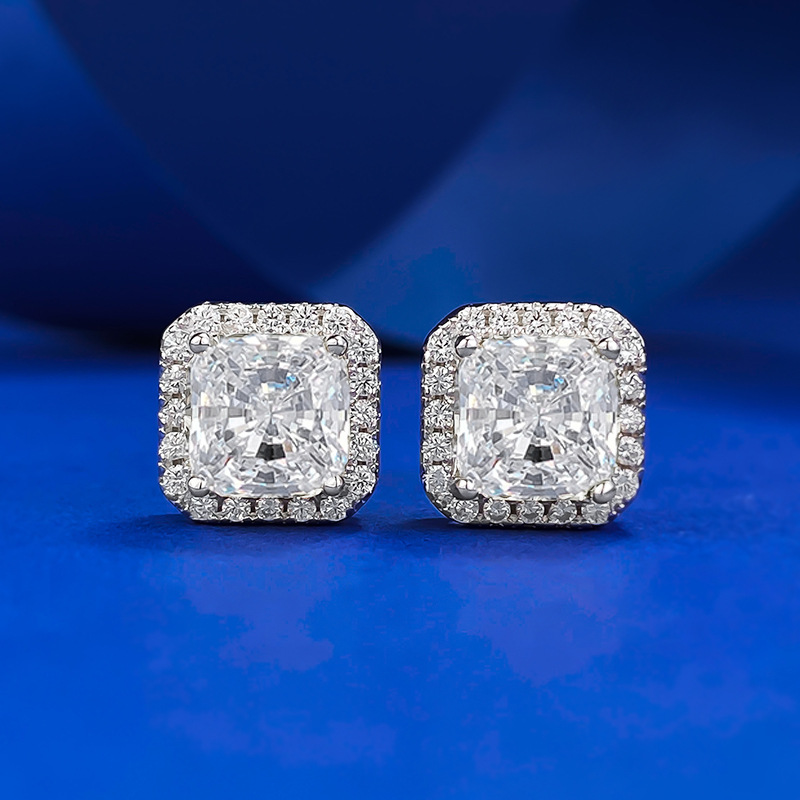
Diamond Drop Earrings Secure Fit: Best Styles, Backings, and Closures for Everyday Wear
Diamond Drop Earrings secure fit is what separates a pair you enjoy from a pair you keep checking in the mirror. The right design should stay steady, feel comfortable, and resist slipping as you move through a long day. If an earring twists forward by lunch, the issue usually is not the diamond itself. It is the way the style, backing, and weight work together.
A secure fit is not just about the backing. Post length, closure tension, weight balance, and where the diamond hangs all affect how the earring wears. Diamond Drop Earrings secure fit can look nearly identical on a tray and feel very different on the ear, so the details matter more than the display photo.
Diamond Drop Earrings Secure Fit: What Actually Keeps Them in Place
A true diamond Drop Earrings Secure fit comes down to comfort, stability, and controlled movement. You want the earring to stay upright without pinching. You also want some motion, because a drop that never moves can look stiff.
Why do some pairs stay put while others slide around all afternoon? The answer is usually the balance between the top and bottom of the design. A compact upper section and a lighter drop tend to sit closer to the lobe. A long, bottom-heavy design needs stronger hardware to behave the same way.
For shoppers comparing diamond Drop Earrings Secure fit across styles, the goal is simple. Choose the pair that matches your routine, not just your outfit. Office wear, travel, dinner plans, and special events all ask for different levels of hold.
What to check before you buy
- The earring should hang straight when closed.
- The back should seat firmly without force.
- The front should not tilt forward when you turn your head.
- The drop should move, but only a little.
Best Backings for Diamond Drop Earrings Secure Fit
Backings matter more than most people think. Many buyers choose the stone first and the closure second, then wonder why the pair feels loose. Shorter drops and tighter closures are often the pairs people keep reaching for after the first month.
Friction backs
Friction backs are common because they are easy to use and comfortable. They work well for lighter styles, but the fit depends on spring tension. If the backing loosens over time, the earring can shift more than you want.
Screw backs
Screw backs use a threaded post that twists into place. They usually feel more secure than friction backs, especially for travel or gifting. The tradeoff is speed, since they take longer to put on and remove.
Locking backs and huggie closures
Locking backs are a strong choice for Diamond Drop Earrings secure fit because they resist accidental opening. Huggie closures go one step further by keeping the design close to the ear. That close fit lowers the chance of spinning, snagging, or leaning forward.
For daily wear, this is often the best category. The closure feels firmer, the weight sits closer to the lobe, and the whole piece tends to stay aligned better through the day.
Classic Drops vs Huggie-Drop Hybrids
Classic drop earrings give you the most visible movement. They look elegant with eveningwear, tailored outfits, and dressy looks that call for sparkle below the ear. For a night out, that is a strong advantage.
In a Diamond Drop Earrings secure fit comparison, classic drops usually depend on the backing and the weight balance. Friction backs can work, but they need good tension. Screw backs and locking backs improve hold, yet the earring can still swing more than a closer-fitting style.
Huggie-drop hybrids solve that problem for many buyers. The closure sits tighter against the ear, so the drop has less room to drift. That makes them a smart choice for commuting, travel, and long workdays.
Pros of classic drops
- Strong visual movement
- Easy to dress up
- Traditional look
- Good for occasional wear
Pros of huggie-drop hybrids
- Better day-long stability
- Less snagging on hair or scarves
- Cleaner fit near the ear
- Easier to wear without adjusting all day
For Diamond Drop Earrings secure fit, the hybrid usually wins on practicality. The classic style still has a place, but it asks for more attention.
Side-by-Side Comparison
| Style | Security | Comfort | Look | Best Use |
|---|---|---|---|---|
| Classic drop with friction back | Moderate | Good | Elegant swing | Events and short wear |
| Classic drop with screw back | High | Good | Refined movement | Travel and gifting |
| Classic drop with locking back | High | Very good | Balanced and polished | Light daily wear |
| Huggie-drop hybrid | Very high | Excellent | Close-to-ear and modern | Everyday wear |
| Diamond studs | Very high | Excellent | Clean and minimal | Active days and long wear |
| Small hoops or huggies | High | Very good | More shape, less swing | Casual to dressy looks |
The pattern is clear. The closer the closure sits to the ear, the more secure the earring usually feels. Diamond studs still win for absolute stability, but huggie-drop styles offer a better mix of movement and hold than most classic drops.
How to Judge Fit Before You Buy
A Diamond Drop Earrings secure fit should be tested, not guessed. GIA recommends checking that settings sit evenly and that clasps close correctly Before You Buy fine jewelry. That advice matters here, because a leaning setting can make even a good design feel wrong.
Pay attention to numbers too. Fine-jewelry posts are often around 0.8 mm to 1.0 mm in diameter, though the exact size can vary. A 14k gold piece is about 58.5% gold, which makes it a strong choice for daily wear. Platinum jewelry is usually about 95% pure and holds up very well over time.
Diamond size also changes the feel. A 0.20 to 0.50 total carat pair often feels lighter and easier to keep steady than a larger, more elaborate design. Larger stones can still work, but they need better engineering.
IGI grading reports are useful when you want more confidence in the stone details. They help confirm cut, color, clarity, and carat weight, which makes comparison shopping easier.
Quick fit check
- Close the backing and see if the earring sits straight.
- Gently move your head side to side.
- Check for forward tilt or side play.
- Confirm the post feels comfortable in your piercing.
- Look at the hinge or latch for clean, even closure.
Diamond Specs That Make a Difference
When people shop diamond drop earrings secure fit, they often focus on carat weight alone. That is only part of the decision. Cut quality affects how much sparkle you get for the size, and a well-cut smaller diamond can look more balanced than a larger stone with weak brilliance.
For everyday wear, clarity in the SI1 to VS2 range is often a practical sweet spot, especially in earrings where the stones are seen from a normal social distance. Color in the G to I range can offer good value in white metals, while slightly warmer colors may still look clean in yellow gold. If you are buying round brilliants, prioritize cut. If you are buying princess, pear, or oval drops, make sure the shape is matched well so the pair looks even when worn.
Certification matters too. GIA is the most widely recognized standard, and IGI is also common, especially for lab-grown diamonds. A report helps confirm you are comparing the right grades, not just reading marketing language. For higher-value pairs, ask whether the center stones are certified individually or as a matched pair. For small accent diamonds, full individual reports are less common, but the seller should still disclose the quality range and Total Carat Weight.
Practical diamond specs to compare
- Carat weight: Smaller drops around 0.20 to 0.50 total carat are easier to wear all day.
- Cut: Excellent or very good cut improves sparkle and can help smaller stones look brighter.
- Color: G to I is often a value range for white gold or platinum; warmer metals can disguise slight warmth.
- Clarity: SI1 to VS2 is often sufficient for earrings because inclusions are less visible at a distance.
- Certification: GIA or IGI adds confidence when you are comparing listings side by side.
Metal Choices and Setting Tradeoffs
The metal you choose can change both the feel and the security of diamond drop earrings secure fit. 14k gold is a strong daily-wear option because it is more durable than 18k gold and still has a rich color. Yellow gold can feel slightly warmer and less stark, while white gold and platinum suit a brighter, more icy diamond look. Platinum is denser, which can make a pair feel more substantial, but that weight can also work against very small lobes if the style is long.
For sensitive ears, nickel-free alloys matter more than style names. If you react to standard white gold, ask about the alloy mix and rhodium plating. Some buyers prefer platinum or higher-karat yellow gold for this reason, though higher-karat gold is softer and can bend more easily over time.
Setting style changes security as well. Prong settings show the diamond well and keep the look open, but they expose more of the stone. Bezel settings encircle the diamond and usually feel more protective, which can be useful for everyday wear. Halo settings add visual size and sparkle, but they can also add weight and make the earring feel busier. For a secure fit, a simpler basket or bezel-like structure often behaves better than a highly ornate design.
Best metal and setting combinations for daily wear
- 14k white gold with a compact basket setting for a balanced look.
- Platinum with locking backs for maximum durability.
- 14k yellow gold with a bezel or semi-bezel drop for a softer, secure feel.
- Minimal halo designs only if the center of gravity stays close to the ear.
Pricing, Shipping, and Returns
Price range depends on the diamond type, metal, and closure quality. Lab-grown diamond drop earrings in a simple secure-fit design can start in the low hundreds and move into the low thousands as carat weight and craftsmanship increase. Natural diamond versions usually cost more, especially once you move into stronger grades, better matching, and precious metal settings. If a pair is unusually cheap, check whether the post, hinge, and backing are made with the same care as the visible stones.
Shipping and returns matter because fit is personal. A pair may look secure online and still feel loose on your ear. Look for a return window long enough to test the earrings at home with different hairstyles, glasses, and clothing collars. If the retailer offers free resizing adjustments, repairs, or replacement backs, that can save money later.
Also check whether the earrings ship with safety packaging and insured delivery. Fine jewelry should arrive in a box that protects the prongs, post, and backing from bending in transit. For gifts, confirm whether the seller can include a presentation box without making the earring harder to inspect on arrival.
Common Mistakes to Avoid
One common mistake is buying too much drop length for a daily-wear piece. Long earrings can catch on scarves, sweaters, and hair, which makes them feel insecure even when the backing is strong. Another mistake is choosing a backing that is hard to manipulate if you wear the earrings often. A screw back may be secure, but it can be annoying if you put jewelry on in a hurry every morning.
Shoppers also underestimate how much weight changes comfort. A heavy front can pull the earring forward, especially if the post is short or the lobe is soft. If the design looks beautiful but the top section is too light to counterbalance the stones below, it may not stay centered. Finally, many buyers ignore the return policy and assume a secure-looking design will fit everyone the same way. It will not.
Before you check out, avoid these errors
- Choosing style before backing.
- Ignoring total carat weight and overall earring weight.
- Buying a long drop for daily wear without testing the fit policy.
- Skipping certification on higher-value diamond pairs.
- Assuming friction backs will stay tight forever.
Care and Long-Term Maintenance
Even the best diamond drop earrings secure fit can loosen if the hardware is neglected. Check the backs every few weeks to make sure the tension still feels consistent. If you use friction backs, look for signs that the clutch has widened or become uneven. If you use screw backs, make sure the threads are clean and not gritty. A professional jeweler can tighten or replace worn components before the fit becomes a problem.
Clean the earrings with mild soap, warm water, and a soft brush if the setting allows it. Dry them fully before storage so moisture does not affect the metal or backing mechanism. Store each pair separately if possible, especially if the posts are long or the stones are exposed. A small pouch or lined compartment prevents scratching and keeps the backs from getting bent.
If you wear your earrings often, schedule occasional inspection. Prongs, hinges, and latch backs can wear down gradually. Catching that early is cheaper than replacing a lost diamond.
Who Should Choose Which Style?
If you want visible movement, classic drop earrings still make sense. They suit buyers who wear jewelry for dinners, events, and dressier outfits. Diamond drop earrings secure fit matters here, but style may matter more.
If you want confidence, choose a huggie-drop hybrid. It stays closer to the ear, which makes it easier to trust for long wear. That is usually the best call for office days, commuting, and travel.
If you want the least movement possible, diamond studs are the safest pick. They sit close to the ear and keep a low profile. Many customers choose them for active days because they forget they are wearing them.
Hoops and huggies sit between the two. They give more shape than studs and more security than loose dangles. If you want something practical without going too minimal, they are worth a look.
Best Overall Choice for Daily Wear
For most buyers, the best diamond drop earrings secure fit comes from a compact huggie-drop design with a locking closure. It gives you enough sparkle to feel finished, but it does not swing so much that you notice it all day.
That recommendation also matches how people actually wear their jewelry. The pairs that stay in rotation are usually the ones that feel balanced and easy. A heavier drop may look great in the box, but a lighter, tighter design usually earns more wear.
If you are comparing stones, you can shop our lab-grown diamonds for value-focused options or browse our jewelry collection for secure-fit styles. If you are also thinking about matching settings or metal tone, our engagement rings page shows how construction affects the way fine jewelry wears.
Buying Tips for the Right Size and Backing
A good way to shop diamond drop earrings secure fit is to compare size, backing, and drop length together. Do not start with sparkle alone. Start with how you plan to wear them.
A simple order helps:
- Decide how often you will wear them.
- Pick the backing type first.
- Match the drop length to your daily clothes.
- Review the total carat weight.
- Check the return policy and warranty.
If you wear earrings for eight or more hours at a time, shorter and lighter usually works better. If you only wear them for dinners or events, classic drops are easier to justify. Either way, the backing should feel firm from day one.
Bottom Line
Diamond drop earrings secure fit is strongest in a huggie-drop or locking-back design. Classic drops still have appeal, but they usually give up some hold to get more motion. Diamond studs remain the most secure option overall, while hoops and huggies sit in the middle.
If you want the safest everyday pick, look for a compact shape, a well-made closure, and balanced weight. Then compare how the pair sits, not just how it sparkles. If you want help narrowing down the right style, contact our jewelry experts for guidance on fit, backing style, and diamond size.
FAQ: Diamond Drop Earrings Secure Fit
What backing is best for diamond drop earrings for everyday wear?
A locking back or a well-made huggie closure is usually the best choice for daily wear. It gives better hold than a standard friction back and keeps the earring closer to the ear. That closer fit helps diamond drop earrings secure fit feel more stable through a long day. If you want the least fuss, ask for a closure that clicks or locks cleanly and does not wiggle when closed.
Are huggie-drop earrings more secure than classic drop earrings?
Yes, in most cases they are. Huggie-drop styles keep more of the weight near the ear, so they tend to twist less and snag less. Classic drops can still work well, but they depend more on backing tension and balance. If you want a pair you can wear from morning to night, the huggie-drop format is usually the safer bet.
How do I know if diamond drop earrings will sit straight on my ears?
Look for a balanced top-to-bottom design and a backing that closes firmly. If the lower part of the earring is too heavy, it can pull forward and lean. GIA guidance also supports checking that settings sit evenly and that clasps close properly before purchase. If possible, try the pair on and turn your head gently to see whether it stays upright.
Are diamond studs better than diamond drop earrings for active days?
Yes, diamond studs are usually better for active days because they sit close to the ear and move less. That lower profile makes them easier to wear when you are busy, traveling, or commuting. A secure-fit drop can still work, but studs are the benchmark for stability. If your day includes a lot of movement, studs are the simplest choice.
What carat size works best if I want secure-fit diamond drop earrings?
A smaller pair, often around 0.20 to 0.50 total carat weight, is easier to keep stable. The lighter weight helps the earring stay upright and reduces pulling on the lobe. Larger stones can still work, but the hardware has to be stronger and the design has to be better balanced. If you want more presence without extra drag, choose a compact drop instead of a long swinging style.
Ready to Find Your Perfect Diamond?
Explore our collection of certified lab-grown diamonds
Shop Diamonds