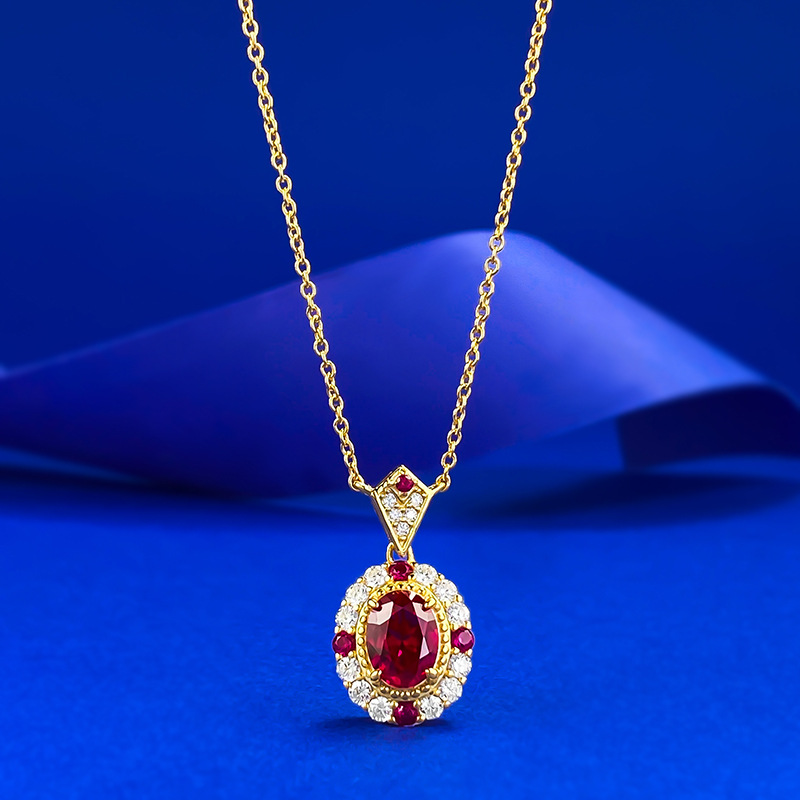
Diamond Necklace Clasp Quality Checklist: What to Inspect Before You Buy
A beautiful diamond necklace can still disappoint if the clasp feels flimsy, stiff, or just plain awkward. That is why a diamond necklace clasp quality checklist belongs right beside diamond cut, metal type, and setting style when you shop.
The clasp is a tiny piece with a very big job: keep the necklace on your neck and out of trouble. If it fails, the whole piece is at risk.
I’ve helped hundreds of couples choose diamond Jewelry for Proposals, anniversaries, and wedding gifts, and the clasp is one of those details people almost never think about until it causes a problem. A diamond necklace clasp quality checklist helps you compare security, comfort, and build quality Before You Buy, and it gives you a better way to read photos, ask sharper questions, and spot weak hardware early.
Why Clasp Quality Matters
A weak clasp can turn a lovely necklace into a repair bill. It can also lead to a lost piece, which is a lot harder to replace than the metal or the stones.
The math is simple. A necklace worn once a day goes through about 365 open-and-close cycles a year. Wear it three times a week, and you still get about 156 cycles. Over time, the spring, hinge, and connector ring are usually the first parts to show stress.
The Gemological Institute of America (GIA) treats workmanship as part of a jewelry piece's overall quality, and that idea applies here too. A well-cut diamond still needs a clasp that holds up in real life.
Shoppers often notice clasp trouble only after the necklace twists in storage or catches on clothing. By then, the issue has moved past a simple style preference.
A diamond necklace clasp quality checklist helps you avoid that gamble before you pay.
Look at the Whole Necklace, Not Just the Clasp
A clasp does not live in isolation. It has to support the chain, the pendant or line of diamonds, and the total weight of the piece. A necklace with 1 to 2 carats of diamonds arranged in a fine line may need a different closure than a heavier 5-carat tennis necklace, even if both look elegant in photos.
Use the diamond necklace clasp quality checklist alongside the rest of the buying details. Pay attention to diamond specs, because stone size and setting style affect how much stress the necklace puts on the closure. A slender pendant necklace with a 0.25-carat center stone usually needs less hardware than a row of larger stones in shared prongs. If the diamonds are round brilliant, princess cut, or emerald cut, the setting can change how much the necklace flexes during wear.
Certification matters too. For center-stone diamond necklaces, ask whether the diamond comes with GIA or IGI paperwork, especially if the piece is expensive or intended as a gift. Certification does not tell you anything direct about clasp strength, but it helps confirm that the value of the necklace matches the care put into the rest of the construction. If the seller gives you clear stone documentation but vague clasp details, that is a useful signal to dig deeper.
Metal choices affect durability
Metal selection changes how a clasp wears over time. Platinum is dense and durable, with excellent long-term resilience, though it can show surface wear and usually costs more. 14k gold is often the practical sweet spot for many buyers because it balances durability and price. 18k gold offers richer color and a more luxurious feel, but it is softer than 14k and may scratch more easily. Sterling silver can work on fashion-forward or lower-priced diamond necklaces, but it is generally less ideal for frequent wear because the clasp and connector can show wear faster.
If you like white metals, compare white gold with platinum carefully. White gold is usually rhodium-plated for a bright finish, and that finish may need refreshing over time. A good diamond necklace clasp quality checklist should ask whether the clasp is solid gold, plated, or rhodium-finished, because those details affect maintenance and appearance later.
Price should match the build
Price alone does not prove clasp quality, but it should give you a reality check. In a lower price range, around $200 to $800, it is normal to see smaller spring rings or simple lobster clasps on light diamond pendants. In the $800 to $3,000 range, many buyers should expect more refined lobster clasps, better connector rings, and cleaner finishing. For tennis necklaces or more substantial diamond pieces above $3,000, a box clasp with a safety latch or another secure double-lock system is often worth insisting on.
If the necklace is priced like a premium fine jewelry item but uses a tiny, flimsy-looking clasp, ask why. A diamond necklace clasp quality checklist should help you catch that mismatch before you commit.
Diamond Necklace Clasp Quality Checklist: The Core Checks
Start with the four traits that tell you the most about daily use: strength, ease of use, precision, and metal match. A diamond necklace clasp quality checklist works best when you look at the closure as part of the whole necklace, not as a separate add-on.
Strength
A strong clasp should resist accidental opening during normal movement. It needs enough spring tension or lock strength to stay shut when the necklace shifts, turns, or brushes against fabric.
A diamond necklace clasp quality checklist should treat weak tension as a real warning sign. If the clasp opens too easily in your hand, it will probably do the same on your neck.
Ease of use
A good clasp opens and closes cleanly. It should not need awkward force, sharp pressure, or a strange angle to work.
A diamond necklace clasp quality checklist should balance security with comfort. If you can close it only by pinching hard or fumbling for a long time, it may become annoying fast.
Precision
Precision means the two sides line up the way they should. The closure should meet squarely, lock fully, and stay aligned after repeated use.
A diamond necklace clasp quality checklist should flag wobble, scraping, or a vague click. Those small problems often show up before a clasp fails.
Metal match
The clasp metal should usually match the chain metal for a cleaner look and better wear. Mixed metals can work in a deliberate design, but they should look intentional.
A diamond necklace clasp quality checklist should question any mismatch that seems accidental. Uneven metal often points to uneven construction.
Match the Clasp to the Necklace
A clasp should fit the weight, scale, and purpose of the necklace. A diamond necklace clasp quality checklist is most useful when you compare the closure to the rest of the piece, not just to a photo of the stones.
Delicate pieces
A fine chain or small pendant usually needs a compact clasp that does its job without overpowering the design. Size matters here, but so does balance.
A diamond necklace clasp quality checklist for delicate jewelry usually favors a small lobster clasp or a well-made spring ring, as long as the build feels solid.
Heavier necklaces
A heavier tennis necklace or bold diamond collar needs more support. Bigger pieces put more strain on the connector, so the clasp should feel sturdy and well anchored.
For those styles, a diamond necklace clasp quality checklist often points toward a box clasp, a larger lobster clasp, or a closure with a safety latch.
Wear pattern
Think about how often you'll wear the necklace. A piece for evening events can lean a little more elegant, while a daily necklace needs better durability and easier handling.
A diamond necklace clasp quality checklist changes with your routine. The more often you wear it, the more you should care about spring strength, connector quality, and low-profile comfort.
Clasp Types and What They Mean
A diamond necklace clasp quality checklist should help you compare closure styles, not just inspect them one by one. Each clasp type has tradeoffs, and the best choice depends on weight, design, and how much security you want.
| Clasp Type | Strength | Best For | Watch Outs |
|---|---|---|---|
| Lobster clasp | Strong and reliable | Daily wear chains, pendants, many fine necklaces | Small versions can be hard to open |
| Spring ring | Compact and light | Very delicate chains | Can feel fiddly and may wear faster |
| Box clasp | Secure and neat | Tennis necklaces, dress pieces | Needs precise alignment |
| Box clasp with safety latch | Very secure | Heavier diamond necklaces, higher-value pieces | Slightly more complex to open |
| Fishhook or hidden clasp | Clean look | Dressy, design-led necklaces | Security depends on the build |
A diamond necklace clasp quality checklist usually gives lobster clasps high marks for everyday use because they are easy to inspect and simple to operate. Many shoppers like box clasps too, especially on refined diamond styles where the closure sits flush.
Lobster clasp
A lobster clasp should open smoothly and snap shut with steady tension. The trigger should return cleanly, and the body should not feel loose or gritty.
If you are using a diamond necklace clasp quality checklist, this is one of the first closures to test. Honestly, I think a good lobster clasp gives you the quickest read on whether a necklace feels well made.
Spring ring
A spring ring is small, neat, and common on delicate chains. It can work well on light pieces, but it deserves a careful look if you plan to wear the necklace often.
A diamond necklace clasp quality checklist should watch for weak springs or a sticky motion. Those signs usually mean the clasp has already started to wear.
Box clasp
A box clasp is a strong fit for many diamond necklaces because it looks clean and locks neatly. The tongue should slide into the box without force and stay seated once it closes.
A diamond necklace clasp quality checklist should test alignment closely here. If the closure misses even slightly, it can wear down faster than you'd expect.
Safety latch and secondary locks
A safety latch is not extra fluff. It is practical backup protection, especially on higher-value pieces.
A diamond necklace clasp quality checklist should give extra credit to double-locking designs, figure-eight safeties, or any closure that adds a second barrier against accidental opening.
How a Jeweler Checks the Build
A diamond necklace clasp quality checklist becomes much more useful when you know what a jeweler looks for. In my 10 years at StoneBridge, the bench team has always checked movement, alignment, finish, and stress points before anyone gets distracted by the sparkle (trust me, I've seen it happen).
The parts that move are the parts that wear first. The clasp, hinge, and connector ring deserve close attention.
Feel
Hold the clasp and open it several times. It should move with control, not with a rough scrape or a vague wobble.
A diamond necklace clasp quality checklist treats grinding, drag, or a hollow feel as a red flag. Those are the clues that something inside the closure may already be tired.
Light
Look at the clasp under bright light or use your phone camera if needed. The metal should look smooth, with no burrs, sharp edges, or rough solder.
A diamond necklace clasp quality checklist also asks you to compare the clasp finish to the chain. If the clasp looks patched on, the build may be less consistent than it appears.
Service interval
For fine jewelry that gets regular wear, a professional check every 6 to 12 months makes sense. That schedule helps catch a weak spring or worn connector before it turns into a missing necklace.
A diamond necklace clasp quality checklist is not a one-time task. It works best when you revisit it after months of use.
Sizing, Fit, and Comfort
Even a secure clasp can be irritating if the necklace does not fit well. The right length affects how the closure sits at the back of the neck and how much tugging it experiences during the day. For many buyers, 16 inches sits close to the collarbone, 18 inches is the most versatile everyday length, and 20 inches or more works better when you want the necklace to layer or fall lower on the chest.
A diamond necklace clasp quality checklist should consider whether the clasp rubs, flips, or twists when the necklace moves. Small pendants tend to stay centered more easily, while heavier center stations or tennis layouts may shift and pull on the closure if the chain is too short. If you are between sizes, ask whether the jeweler can adjust the length by adding or removing links. That can improve both comfort and clasp performance.
Pay attention to extender chains too. Extenders are useful, but they should not be an excuse for weak construction. A short extender with a solid jump ring is usually better than a longer add-on that feels flimsy. If the necklace includes an adjustable clasp, inspect the slider or multiple ring positions just as carefully as the main closure.
Shopping Online vs In Store
A diamond necklace clasp quality checklist is useful in both places, but the clues change. Online, you need strong product details and clear media. In person, you need to trust your hands as much as your eyes.
Product descriptions
Read the closure language closely. Look for terms like lobster clasp, spring ring, box clasp, safety latch, or double-locking closure.
If a listing only says clasp, ask for the exact style. A diamond necklace clasp quality checklist should also look for metal type, chain width, and necklace weight so you can judge whether the closure is scaled correctly.
Photos and video
Good photos should show the clasp open and closed. Close-ups matter here because tiny details tell you a lot about the build.
Video is even better. Motion reveals whether the clasp lines up cleanly or twists before it closes. If the clasp is hidden, ask for a direct shot of the mechanism anyway.
Questions to ask
Use a diamond necklace clasp quality checklist to ask clear, practical questions:
- Is the clasp made from the same metal as the chain?
- Is there a safety latch or a second lock?
- How is the clasp attached to the chain?
- Can the clasp be repaired or replaced later?
- Is this necklace meant for daily wear or occasional wear?
- Does the clasp need routine tightening or care?
If you're comparing necklace styles, browse our jewelry collection to see how different pieces are finished. If you want to compare diamond options too, explore our lab-grown diamonds for more design ideas that pair well with secure hardware.
Shipping, Returns, and Warranty Details
The best clasp in the world is not much help if the necklace arrives damaged or the return policy leaves you stuck. A diamond necklace clasp quality checklist should include practical buying protections, especially when you are ordering online or shipping a gift.
Inspect the packaging plan before checkout. Fine jewelry should arrive in a protective box with the necklace secured so the clasp does not rub against the chain in transit. Ask whether the seller ships with insured delivery and signature confirmation. That matters more on higher-value diamond pieces, where a lost package can become a major hassle.
Read the return window carefully. A 14-day return period is common, but some fine jewelry sellers offer 30 days or more. You want enough time to try the necklace on, check how the clasp feels, and confirm that the length works with your wardrobe. Also look at whether returns require original packaging, tags, or an unworn condition. If the policy is strict, inspect the clasp immediately when the piece arrives so you do not miss the window.
Warranty terms are important too. Ask whether the clasp, spring, or safety latch is covered if it fails under normal wear. Some brands include complimentary inspections or clasp adjustments, while others charge for every repair. A diamond necklace clasp quality checklist is stronger when you pair it with a clear warranty review, because small hardware problems are exactly the kind of issue you want handled cleanly.
Mistakes That Lead to Returns or Repairs
A diamond necklace clasp quality checklist helps you avoid the mistakes people make when they fall in love with the sparkle first. Style matters, but it should not outrank security.
The first mistake is choosing appearance over function. A tiny decorative clasp can look lovely and still be awkward to use.
The second mistake is ignoring scale. Heavy necklaces need sturdier hardware, and thin chains need clasps that match their size.
The third mistake is brushing off warning signs. Weak tension, rough edges, thin solder joints, and closures that need extra force are all reasons to pause.
The fourth mistake is forgetting your routine. A necklace worn every day needs a better clasp than one saved for special nights.
Here’s what nobody tells you: the right clasp can make a necklace feel more luxurious even when the design is simple. That little click should feel reassuring, not nervy (yes, even on a budget).
Care and Maintenance After Purchase
Once you buy the necklace, the diamond necklace clasp quality checklist does not end. Regular care keeps the closure working the way it should. Put the necklace on after lotion, perfume, and hair products have dried, since residue can collect around the clasp and dull the finish. Remove it before swimming, showering, or sleeping, especially if the necklace is delicate or the clasp is small.
Store the necklace flat or hanging separately so the chain does not knot and stress the closure. A clasp that gets pulled while tangled in a jewelry box can lose tension over time. If the necklace is a daily piece, give the clasp a quick visual check once a month. Look for a bent arm, a weak catch, or a jump ring that has started to open.
For diamond pieces with pavé or shared-prong settings near the clasp, use extra care when cleaning. A soft brush, mild soap, and warm water are usually enough for routine cleaning, but avoid soaking the necklace if you are unsure about any glued elements or decorative accents. If you notice a clasp sticking, do not force it. A jeweler can usually clean, lubricate, tighten, or replace the hardware before it becomes a bigger repair.
Final Checks Before Checkout
Run the diamond necklace clasp quality checklist one last time Before You Buy. Open the clasp, close it, and feel for a clean, confident lock.
Check the metal match, the connector ring, and the nearby links. Make sure nothing looks sharp, loose, or out of line.
If the piece has a safety latch, test that too. A diamond necklace clasp quality checklist should leave you feeling sure, not uneasy.
Trust your hands as much as your eyes. If the clasp feels secure now, it has a much better chance of staying secure later.
If you want help comparing necklace styles, repair options, or clasp choices, contact our jewelry experts. You can also read more on our blog for related advice on Fine Jewelry Care and buying decisions.
FAQ
What is the safest clasp for a diamond necklace I wear every day?
For daily wear, a well-made lobster clasp or a box clasp with a safety latch is usually a smart pick. The key is not the name alone, but how the closure feels after repeated use. A diamond necklace clasp quality checklist helps you compare spring tension, alignment, and connector strength Before You Buy. If the clasp feels loose in your hand, keep looking.
How can I tell if a necklace clasp is high quality before I buy?
A high-quality clasp opens and closes smoothly, locks with confidence, and sits squarely on the chain. Look for clean metal, no rough edges, and a connector that feels solid instead of flimsy. A diamond necklace clasp quality checklist should also include the nearby jump ring and solder points, since those areas often reveal weak workmanship first. If you can, test the piece under bright light and move the clasp a few times.
Should the clasp metal match the chain on a diamond necklace?
Yes, it usually should. Matching metals give the necklace a cleaner look and often better long-term wear. Mixed metals can work when the design is clearly intentional, but a mismatch should make you ask a question or two. A diamond necklace clasp quality checklist should treat the clasp as part of the whole piece, not a separate detail.
What clasp works best on a delicate diamond necklace?
For a delicate necklace, the best clasp is usually small, secure, and easy to handle without adding extra weight. A compact lobster clasp often works well, and a spring ring can be fine on a very light piece if the build is excellent. A diamond necklace clasp quality checklist helps you judge whether the closure is scaled correctly for the chain. The goal is balance, not bulk.
How often should I check a diamond necklace clasp for wear?
Check it every few months if you wear the necklace often. Look for looseness, weak spring action, or any change in how the clasp closes. A diamond necklace clasp quality checklist is especially useful after travel, storage, or heavy use because those moments can reveal wear early. For frequently worn fine jewelry, a professional inspection every 6 to 12 months is a smart habit.
Ready to Find Your Perfect Diamond?
Explore our collection of certified lab-grown diamonds
Shop Diamonds