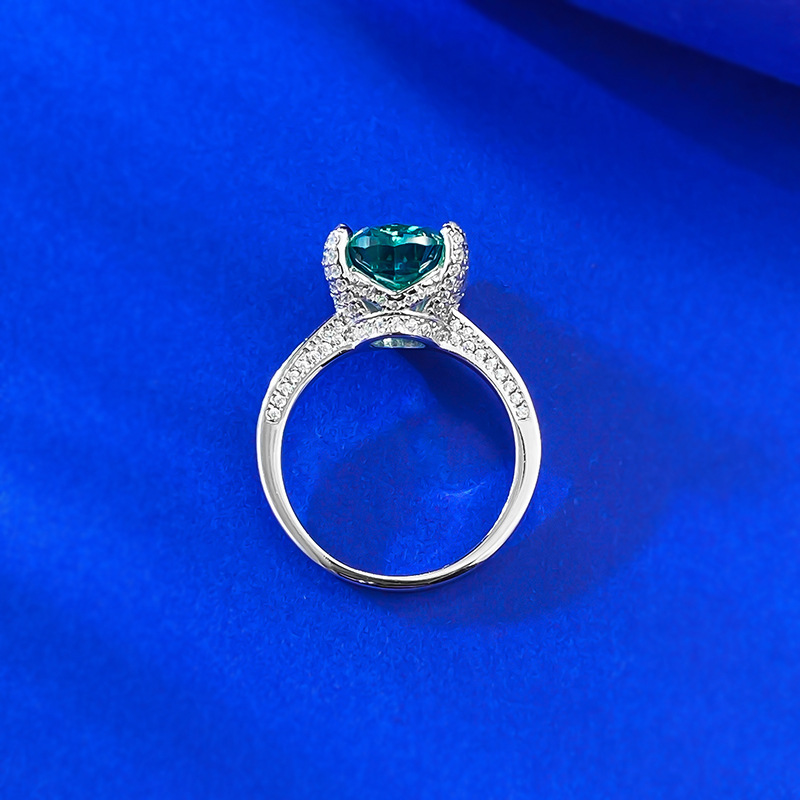
Cushion Engagement Ring Compare: Solitaire vs Halo
Cushion Engagement Ring Compare: What to Check First
If you're doing a Cushion Engagement Ring compare, start with how the ring wears on the hand, not just how it looks in a photo. Face-up size, sparkle, comfort, upkeep, and profile height all change the experience. Do you want the center stone to stand alone, or do you want the whole ring to read bigger at a glance? I've helped hundreds of couples narrow this down, and the answer usually shows up fast once they try both styles on (trust me, the photo alone rarely tells the whole story).
GIA notes that fancy shapes are judged by face-up appearance, proportion, and symmetry rather than one universal cut grade. That matters with cushion cuts, because two stones with the same carat weight can look very different. One can feel open and bright, while another looks deeper and more compact.
If you want to start stone-first, shop our lab-grown diamonds and compare the reports side by side. The report usually clears up the shortlist faster than photos alone. Then the setting can do its part.
A cushion engagement ring compare also gets easier once you look at metal color and head height. Platinum and white gold usually give the stone a cooler frame, while yellow gold adds warmth. A lower profile can sit closer to the finger and feel easier for daily wear, Which Matters More than people expect when they plan to wear the ring every day for years.
Diamond Specs That Matter Most
When you compare cushion engagement rings, the diamond specs should guide the setting choice instead of the other way around. Cushion cuts are usually offered in two broad looks: chunky cushions with larger facet patterns, and crushed-ice styles with a more splintered sparkle. Neither is automatically better, but they do behave differently in natural light and indoor lighting. A chunky cushion often reads a little calmer and more defined, while a crushed-ice stone can look busier and brighter from a distance.
Shape ratio is another detail buyers miss. Some cushions look nearly square, while others stretch into a softer rectangle. A square cushion can feel balanced and classic. A slightly elongated cushion often looks larger for its carat weight because it covers more finger length. If you want a refined starting point, many shoppers like ratios around 1.00 to 1.10 for square-leaning cushions and roughly 1.15 to 1.25 for elongated ones, but the best ratio is the one that flatters the wearer’s hand.
For paper specs, look at table, depth, polish, symmetry, and fluorescence. There is no single perfect number, but these details help you spot extremes. A diamond with a very deep depth can hide weight below the surface and face up smaller than expected. A table that is too large or too small can affect the balance of brightness and fire. For cushions, you usually want a report that looks clean, with proportions that make sense together, not just the lowest price per carat.
Certification matters just as much as the visual read. GIA and IGI are the most common reports buyers see. GIA is often preferred for strict consistency, while IGI is widely used for lab-grown stones and offers detailed grading. The certificate does not replace your eyes, but it does help you compare color, clarity, and measurements without guesswork. If you are shopping online, never compare two cushion stones without checking the lab report first.
Color and clarity should be matched to the setting style. In a solitaire, the center stone gets more attention, so many buyers like near-colorless grades such as D through H and clarity in the VS1 to SI1 range if the stone is eye-clean. In a halo, the surrounding stones can make the center look brighter, which sometimes lets buyers stay a little looser on color without noticing a difference from the top view. The key is to pay for what you will actually see, not for grades that only matter on paper.
One practical buying rule: spend more on cut and proportions than on chasing a higher clarity grade you do not need. A cushion that faces up beautifully will usually give more satisfaction than a technically higher clarity stone with a weaker outline. That is especially true when you are deciding between a solitaire and a halo, because the setting changes how much of the stone's personality stays visible.
Cushion Solitaire: Clean, Timeless, Easy to Live With
A cushion solitaire keeps the center diamond open and easy to see. There is no halo pulling attention away, so the cushion cut diamond stays in charge of the look. For buyers who want a calm, classic ring, that is a strong fit.
For many shoppers, a cushion engagement ring compare ends here because the solitaire puts more of the budget into the center stone. That often means a larger lab-grown diamond, better color, or a higher clarity grade for the same spend. If you care more about diamond quality than extra framing, the solitaire usually feels smarter.
Solitaire rings are also simpler to maintain. Fewer small stones mean fewer places for dirt to hide, and fewer repair points over time. A quick soak, a soft brush, and a prong check every so often usually keep the ring in good shape.
The tradeoff is easy to spot. A solitaire gives less finger coverage, and it adds less sparkle from the setting itself. If you want a bold top view, the look can feel a little restrained. Honestly, I think that restraint is what makes a great solitaire feel so elegant, but it is not the right pick for everyone.
Design Details That Change the Look
A cushion engagement ring compare often comes down to the head and band. A four-prong head shows more of the stone's outline, while a six-prong head can feel softer and a bit more secure. Cathedral settings lift the center stone for a more sculpted profile, while lower settings sit closer to the finger.
Band width changes the whole balance too. A 1.6 mm to 1.8 mm band can make the center diamond read larger, while a 2.0 mm to 2.5 mm band feels sturdier and more grounded. Metal choice matters as well, and explore our engagement rings to compare these details on similar cushion settings.
StoneBridge product photos make these small differences easier to judge. Compare a slim band next to a wider one, then compare a high profile against a low profile. A good cushion engagement ring compare is really a side-by-side test of proportion, and yes, the details that seem tiny on a screen can feel huge once the ring is on a hand.
Cushion Halo: Bigger Look, More Sparkle
A cushion halo wraps the center stone with a frame of smaller diamonds. That changes the whole mood of the ring. The same cushion center can feel brighter, larger, and more decorative with a halo around it.
In a cushion engagement ring compare, halo settings usually win on face-up size. The outer stones widen the visual footprint, and many shoppers say the ring looks about half a size to a full size larger from above. If you want a dramatic first impression, that is hard to beat.
Halos also help with value. Typical retail pricing often puts solitaire settings around $500 to $1,500, while halo settings often land around $900 to $3,000 or more, depending on metal and craftsmanship. The extra cost comes from added stones and more labor, but the visual payoff can be worth it, especially if you love the look of a ring that glows from every angle.
The tradeoff is maintenance. More small stones mean more cleaning points and more chances for a loose accent stone later on. If you want a design that still feels special but is easier to manage, a hidden halo or a single halo can be a good middle path.
Halo Types Worth Comparing
A cushion engagement ring compare gets clearer once you look at halo styles. A single halo gives one clean border of sparkle. A double halo looks larger and more ornate, but it also adds weight and visual drama. A hidden halo keeps the top view simpler and adds flash from the side.
Halo shape matters too. A rounder halo softens the cushion outline, while a squarer halo keeps the geometry more defined. If you want to test how each version changes the center stone, build your ring in our ring builder and switch the halo shape, band width, and metal finish.
Metal Choices, Band Width, and Matching the Ring to Real Life
Metal does more than change color. It affects price, maintenance, feel, and how often the ring needs polishing. Platinum is the most durable-feeling premium option and is a favorite for people who want weight and long-term wear resistance. It usually costs more up front, but many buyers like how it holds a secure, substantial feel on the finger. White gold offers a similar cool look for less money, though it needs periodic rhodium replating to keep its bright finish.
Yellow gold is the warmest and often the easiest way to make a cushion stone feel classic. It flatters near-colorless and faintly warm stones, and it can make a halo look a little softer. Rose gold gives the ring a romantic, blush tone and can be flattering on many skin tones, especially if the wearer prefers jewelry that reads distinctive without being flashy.
Band width deserves its own attention because it changes both durability and style. Very thin bands can make a diamond feel larger, but they may wear faster and bend more easily over time. Wider bands feel sturdy and can balance a bigger center stone, but they may make the setting read less delicate. If you are comparing a cushion solitaire and halo side by side, ask to see the same center stone on a 1.8 mm band and a 2.2 mm band. The difference is often bigger than buyers expect.
Fit also matters when the design includes a halo. Halo rings can feel visually broad at the top, which sometimes makes the finger underneath seem narrower. That can be beautiful, but it can also influence sizing comfort. Many couples size after choosing the actual setting rather than guessing from a plain band. If you are between sizes, a ring with a wide or heavily detailed head may wear slightly different than a simple solitaire.
For everyday wear, I usually suggest checking how the ring sits next to a wedding band. A low-profile solitaire can often stack cleanly with a plain or contoured band. A halo may need a curved or fitted band if the halo footprint is wide. If you know you want a flush look, bring that into the cushion engagement ring compare from the beginning so you do not have to compromise later.
Cushion Engagement Ring Compare: Side by Side
A cushion engagement ring compare is easiest when the options sit beside each other. Labels like "classic" or "sparkly" only get you so far. The details below show what usually changes the buying decision.
| Factor | Cushion Solitaire | Cushion Halo | Best for |
|---|---|---|---|
| Sparkle | Clean, focused sparkle from the center stone | Extra sparkle from the frame and accent stones | Maximum fire |
| Finger coverage | Moderate | High | A larger top view |
| Price | Usually lower setting cost | Usually higher setting cost | More budget for the center diamond |
| Upkeep | Easier to clean and inspect | More cleaning and periodic checks | Low-maintenance wear |
| Comfort | Simple, easy daily wear | Slightly more intricate feel | A streamlined fit |
| Style | Timeless and understated | Bolder and more decorative | Strong visual impact |
| Visual size | Depends mostly on center stone size | Often looks larger at the same carat weight | The biggest face-up look |
A cushion engagement ring compare also has a budget side. A solitaire may let you move from a 1.25 ct lab-grown cushion to a 1.50 ct stone, or improve color and clarity. A halo may keep the center smaller but still give the ring a fuller look. For a lot of buyers, that trade is the whole decision.
If you're Shopping for Certified stones, compare the report first and the setting second. IGI and GIA reports help you judge the diamond itself, while the setting photos show prong height, band width, and halo size. That is the cleanest way to turn a cushion engagement ring compare into a purchase you feel good about.
Common Buying Mistakes to Avoid
One of the biggest mistakes in a cushion engagement ring compare is shopping by carat weight alone. A well-cut 1.20 ct cushion can look more appealing than a heavier stone with a poor outline or excessive depth. Face-up size, proportions, and symmetry matter just as much as the number on the certificate.
Another common issue is choosing a setting that does not match the center stone's shape. A square cushion in a wide halo can feel balanced and geometric, while an elongated cushion in the same halo might look crowded if the outer frame is too thick. Buyers sometimes assume every cushion needs the same style halo, but the best pairing depends on the stone's exact outline.
People also underestimate how often they will see the ring from the side. If the setting is too tall, it may catch on clothing or feel awkward with gloves and jackets. If it is too low, some wedding bands will not sit well beside it. The sweet spot is a setting that sits low enough to be practical but high enough that the diamond does not disappear into the finger.
Another mistake is ignoring the long-term upkeep of pavé or halo accents. Tiny stones are beautiful, but they need periodic inspections. If the wearer is hard on jewelry, ask about prong style, stone security, and repair policies Before You Buy. It is much easier to pick a sturdier version now than to fix a fragile design later.
Finally, do not skip the return policy. Even when a ring looks perfect online, the hand test can change everything. A retailer with a clear return window, insured shipping, and resize options gives you room to make the right call after the ring arrives. That safety net matters more than many buyers realize.
Cushion Engagement Ring Compare: Which Ring Fits Your Priorities?
If your cushion engagement ring compare starts with personality, the choice gets simpler.
Choose a Solitaire if you want:
- A classic ring with less visual clutter.
- A stronger focus on the center diamond.
- Easier cleaning and fewer repair points.
- A style that should age well.
- More budget directed into the stone itself.
Choose a halo if you want:
- The most sparkle for the eye.
- More finger coverage and presence.
- A ring that looks bigger without a huge jump in carat weight.
- A bolder, more decorative profile.
- A design that makes a modest diamond feel dramatic.
Which one matters more to you: the diamond itself, or the spread across your finger? For lab-grown shoppers, that question usually decides the final choice. If you want the biggest center stone you can reach, the solitaire often wins. If you want the biggest visual effect for the money, the halo usually pulls ahead.
Before You Order: Sizing, Care, Shipping, and Returns
Before you finalize a cushion engagement ring compare, make sure the practical details are covered. Ring sizing should ideally be done after you have chosen the actual design, because a wide halo, a thick shank, or a comfort-fit interior can change how the ring feels. If you are ordering as a surprise, use a size chart, borrow a ring the wearer already uses on the correct finger, or ask a jeweler to measure discretely. When in doubt, it is often safer to choose a slightly larger size and adjust later than to force a ring that feels tight from day one.
For care, use mild soap, warm water, and a soft brush for regular cleaning. Avoid harsh chemicals, especially around pavé halos and any setting with small side stones. Ultrasonic cleaners can be fine for some sturdy solitaires, but they are not always ideal for every halo or vintage-inspired design. A yearly professional inspection is a smart habit for both styles, and it becomes even more important if the ring is worn daily while cooking, lifting, or working with tools.
Shipping and returns matter more than buyers often expect. Look for insured shipping, tracking, and signature confirmation. If the ring is custom or made to order, ask whether the return window still applies and whether resizing changes the policy. It is also worth checking whether the seller includes appraisal paperwork, insurance-ready documentation, and lead times for any resize or exchange.
For pricing context, many lab-grown cushion solitaires land in a broad range depending on center stone size, quality, and metal choice. A simple setting can keep more of the budget in the diamond, while a halo can create a larger look at a higher setting cost. When you compare total prices, include the band metal, center-stone certification, hidden halo details, and any upgrade or warranty plan. That keeps the comparison honest.
My Take From Working With Buyers
In my 10 years at StoneBridge, I've seen one pattern over and over: shoppers come in thinking they want the most carat weight they can afford, then they fall in love with the way a setting changes the whole ring. A cushion solitaire feels quiet and polished. A cushion halo feels bright and celebratory, which is a lovely fit for someone who wants the ring to feel special the moment it opens the box.
Here's what nobody tells you: the "best" ring is often the one that matches how the wearer lives, not just how the proposal photos look. A person who works with their hands all day may prefer the lower, simpler feel of a solitaire. Someone who loves a little extra sparkle at dinner, in photos, or under wedding-day lighting may prefer the halo (yes, even on a budget).
I've also found that couples do best when they compare the same cushion center stone in both settings. That removes the noise and shows the real difference in style, presence, and balance. It is a much warmer decision than people expect, because the right ring usually feels like "them" the second they see it.
Expert Take
We've found that shoppers often change their minds once they see the same cushion cut diamond in both settings. The solitaire usually wins on calm, clean lines. The halo usually wins on sparkle and size.
For most buyers, the solitaire is the better all-around pick. It is easier to care for, it looks timeless, and it keeps the focus on the diamond. A cushion engagement ring compare with the same stone in both settings will usually make that clear fast.
The halo is still the better choice for the buyer who wants more drama right away. If you care most about brightness and visual spread, it delivers. To make the final call, compare both styles with the same center stone, the same metal, and a similar band width.
FAQ About Cushion Engagement Ring Compare
Is a cushion halo better than a cushion solitaire for everyday wear?
Both can work for daily wear if the ring is well made. A solitaire usually has fewer small parts, so it is easier to clean and inspect. A halo can still be durable, but it benefits from regular checks because there are more stones at the edge. If your cushion engagement ring compare is really about daily comfort, try both with a low-profile head.
Which looks bigger in a cushion engagement ring compare: solitaire or halo?
A halo usually looks bigger because it widens the ring's outline from the top. Even if the center diamond carat weight stays the same, the accent stones create more face-up spread. That makes the ring read larger in photos and in person. If visual size is your top goal, the halo usually has the edge.
What is the best setting for a cushion cut diamond if I want more sparkle?
A halo setting is usually the strongest choice for sparkle because it adds light from the frame around the center stone. It can make a smaller cushion look much livelier without forcing you into a much larger diamond. Some buyers like a hidden halo for a softer look with a little extra flash. If sparkle leads your cushion engagement ring compare, start there.
How do I compare cushion engagement rings online without getting it wrong?
Start with the diamond report, then check the setting measurements. GIA and IGI reports help you compare the center stone honestly, while product photos show band width, prong style, and halo height. Ask for top, side, and angled photos if they are not already listed. That simple routine removes a lot of guesswork from a cushion engagement ring compare.
Can I save money by choosing a cushion halo with a smaller center stone?
Yes, and many buyers do exactly that. A halo can make a smaller lab-grown diamond look fuller, so you may not need to pay for a much larger center stone. The trick is balancing the setting cost against the diamond savings. If you want the best value, compare total price, not just carat weight.
What should I ask about before I place the order?
Ask about the certification, the exact setting measurements, the return window, resizing options, and whether the ring ships insured with a signature required. If the piece is custom, confirm whether it is final sale. Those details protect you if the ring needs a size tweak or if the proportions do not feel right once it is on the hand.
Shop the Right Fit
If you want a clean, timeless look, start with explore our engagement rings and focus on a well-made cushion solitaire. If you want more sparkle and spread, build your ring in our ring builder around the center stone you like best.
You can also browse fine jewelry pieces for matching gifts and learn about ring sizing Before You Order. If you want help choosing between settings, contact our jewelry experts for one-on-one advice. The best cushion engagement ring compare is the one that matches your hand, your budget, and your day-to-day life, and it should feel exciting, not stressful, when you find the one.
Ready to Find Your Perfect Diamond?
Explore our collection of certified lab-grown diamonds
Shop Diamonds