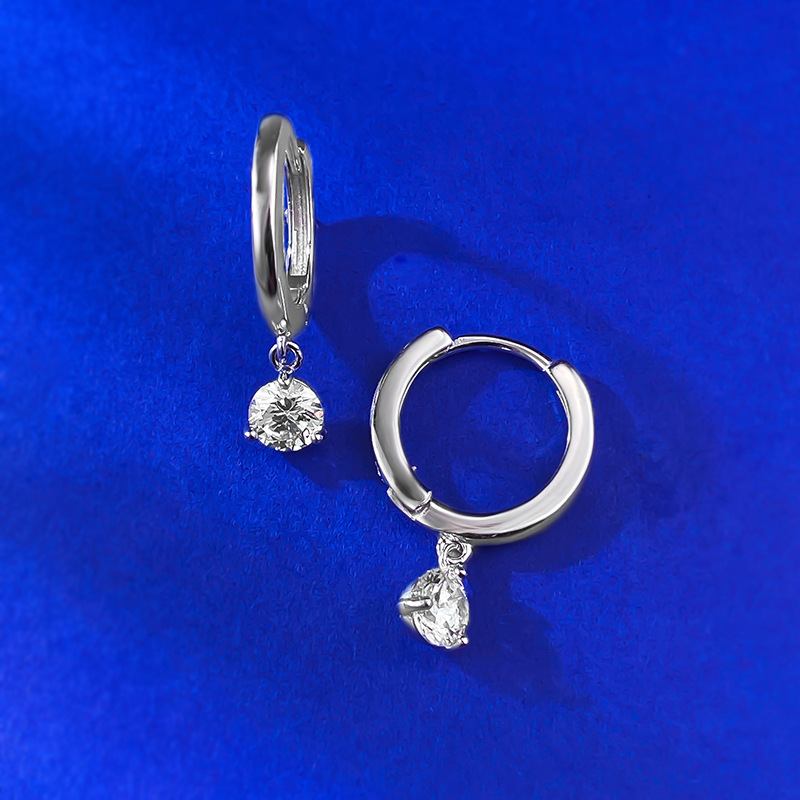
Certified Lab Diamond Stud Earrings: Size, Settings, and Reports
Certified lab Diamond Stud Earrings are easy to wear, easy to style, and harder to compare than they look. Two pairs can seem identical online, yet differ in cut quality, grading report details, setting strength, backing Security, and Comfort.
That’s why the certificate matters. It gives you facts, not guesswork. Still, the report is only one part of the purchase. The best pair should look bright, sit well on the ear, and feel secure enough for real life.
Use this guide to compare certified lab Diamond Stud Earrings by report, size, shape, setting, metal, and daily wear. You’ll also find common buying mistakes, care tips, and answers to questions shoppers ask most often.
Why Certified Lab Diamond Stud Earrings Are Worth Comparing
Certified lab diamond stud earrings do a rare job well: they look polished without feeling overdone. You can wear them with denim, office clothes, bridal looks, or evening outfits. They also work as the anchor piece in a stacked ear.
The tricky part? Diamond studs are small and often photographed the same way. A 1.00 carat total weight pair may look close to a 2.00 carat total weight pair if the images are scaled differently. A four-prong setting can also look much like a basket setting from the front.
Certification helps cut through that confusion. A grading report lists measurable details such as carat weight, measurements, color, clarity, cut, polish, and symmetry. For a matched pair, those details matter twice.
Certified lab diamond stud earrings should have two stones that look balanced together. If one diamond faces up larger, looks warmer, or returns less light, the mismatch may show once you wear them.
What Makes Lab Diamond Stud Earrings Different
Lab-grown diamonds are real diamonds. The Gemological Institute of America states that laboratory-grown diamonds have essentially the same chemical, optical, and physical properties as natural diamonds. Both are made of carbon arranged in a crystal structure.
Most lab diamonds are grown by CVD, short for chemical vapor deposition, or HPHT, short for high pressure high temperature. The finished gem is diamond, not a diamond simulant.
That distinction matters. Cubic zirconia is not diamond. Moissanite is also a separate gemstone and often shows more rainbow-like fire. A certified lab diamond should be clearly identified as laboratory-grown on its grading report.
Certified lab diamond stud earrings use the same quality language buyers know from mined diamonds. Cut, color, clarity, and carat weight still guide the comparison. Reports from IGI, GIA, or GCAL can help confirm those details.
Lab-Grown vs. Mined Diamond Studs
Lab-grown and mined diamond studs can look the same to the naked eye when the cut, color, clarity, and size are similar. Both rank 10 on the Mohs hardness scale, which makes them suitable for everyday earrings.
The biggest difference is often price. Lab diamond studs usually cost less than mined diamond studs with similar grades. That can let you choose a larger total carat weight, a better cut, or a stronger setting within the same budget.
For earrings, that value is practical. Studs sit near the face and catch light as you move. Brightness and balance usually matter more than where the diamond formed.
Why Certification Matters for Diamond Studs
A certificate gives you independent grading details. Instead of relying on terms like “premium” or “near flawless,” you can review the actual report.
For certified lab diamond stud earrings, documentation also helps confirm the match. Two diamonds may share the same total carat weight but have different measurements. One may face up larger or show a warmer tone.
A certificate doesn’t replace your eyes or a jeweler’s inspection. It does give you a clear starting point for comparison, insurance, maintenance, and future appraisals.
How to Read a Report for Certified Lab Diamond Stud Earrings
A diamond report can look technical at first. Focus on the sections that affect appearance, value, and trust.
Start with the grading lab and report number. Reputable labs often let you verify the report in an online database. If the diamond has a laser inscription, the report may list that detail too.
Next, check the origin. The report should say the diamond is laboratory-grown. If that language is missing or unclear, ask the seller before buying.
Review the shape and measurements. Round brilliant diamonds are the classic choice for certified lab diamond stud earrings, but princess, oval, cushion, emerald, and pear shapes are common too. Measurements tell you how large each stone looks from the front.
Then check the 4Cs: carat weight, color, clarity, and cut. For earrings, confirm whether the listed weight is total carat weight or the weight of each stone. A 1.00 carat total weight pair usually means each diamond weighs about 0.50 carat.
Look at polish, symmetry, and fluorescence as well. Faint or medium fluorescence may not affect earrings much, but it should still be disclosed.
Use this quick report check:
- Confirm the grading lab and report number.
- Verify that the stones are laboratory-grown diamonds.
- Compare shape, measurements, and carat weight.
- Review color, clarity, cut, polish, and symmetry.
- Check whether each stone has its own report.
- Match the report details to the product listing.
A strong report supports trust. Clear photos, a fair return policy, and secure settings still matter.
The 4Cs for Lab Diamond Stud Earrings
Cut has the biggest effect on sparkle, especially for round diamond studs. GIA evaluates round diamond cut with factors such as brightness, fire, scintillation, proportions, polish, and symmetry.
A well-cut smaller diamond can look brighter than a larger diamond with weak light return. Many buyers find their best visual value by choosing cut quality before chasing size.
Carat weight needs careful reading. Earrings are usually listed by total carat weight. If a pair is 2.00 carats total weight, each diamond is typically about 1.00 carat.
Color grades run from D, the most colorless, down the alphabet. Many shoppers choose near-colorless grades such as G, H, or I for studs, especially when the cut is strong.
Clarity describes internal inclusions and surface marks. Because studs are viewed at normal social distance, eye-clean VS or well-selected SI diamonds can look beautiful.
How to Match Two Diamonds in a Pair
A well-matched pair should look intentional from every angle. Size comes first. Compare millimeter measurements, not just carat weight.
Color should be close too. A D color diamond beside an I color diamond may show a visible difference, especially in white gold or platinum.
Clarity matters less if both stones are eye-clean. Cut quality matters more. If one stone is lively and the other looks flat, the pair will feel uneven.
For certified lab diamond stud earrings, compare table percentage, depth percentage, cut grade, polish, symmetry, and face-up look when those details are available. Good matching is one of the quiet signs of better craftsmanship.
Choosing the Best Size for Certified Lab Diamond Stud Earrings
Size should fit your style, budget, face shape, and comfort needs. Smaller studs feel subtle and easy. Larger studs create more presence.
Common total carat weight ranges include:
- 0.25 to 0.50 carat total weight: delicate and minimal.
- 0.75 to 1.00 carat total weight: classic for daily wear.
- 1.50 to 2.00 carats total weight: more visible and polished.
- 3.00 carats total weight and above: bold and statement-focused.
Millimeter size is just as useful as carat weight. Carat weight measures mass. Millimeters show how much space the diamond takes up visually.
Our customers often find that 0.75 to 1.00 carat total weight feels like the easiest everyday range. It has enough sparkle to notice without feeling heavy or dressy.
Popular Diamond Shapes for Studs
Round brilliant diamonds give the most classic sparkle. They’re also the easiest shape to compare because cut grading is widely understood.
Princess cuts feel crisp and modern. Oval diamonds can look larger for their weight because of their stretched shape. Cushion cuts have a softer outline, while emerald cuts show broad flashes of light.
Pear-shaped studs create a graceful, directional look. They can be worn point-up or point-down, depending on the setting and your taste.
Which shape is best? The one you’ll wear often. For certified lab diamond stud earrings, beauty on the ear matters more than a shape that only looks good in a product photo.
Setting Styles That Change the Look
The setting affects how the diamond sits, how secure it feels, and how much metal you see. A basket setting supports the stone with a classic metal structure beneath it.
A martini setting has a tapered shape and may sit closer to the ear. Fit depends on ear anatomy, post placement, and backing style.
Bezel settings wrap metal around the diamond edge. They offer strong protection and a sleek look, which can be helpful for active wearers. Less of the diamond’s edge is exposed, so the style looks cleaner and more metal-framed.
Four-prong settings show more diamond. Six-prong settings can feel more traditional and secure on round stones. Low-profile settings often work best for everyday comfort.
Metal and Backing Choices for Daily Wear
Metal affects color, durability, skin comfort, and care. 14k gold is a strong everyday choice because it balances gold content with durability. 18k gold has more gold content and a richer look.
Platinum is dense, durable, and naturally white. White gold has a bright look, though it may need rhodium replating over time.
Yellow gold adds warmth and can soften the look of near-colorless diamonds. Rose gold gives certified lab diamond stud earrings a romantic blush tone.
Backings deserve close attention. Push backs are simple and common. Screw backs add security but take longer to fasten. Guardian or locking backs can be a good choice if you wear your studs often.
For sensitive ears, choose solid gold or platinum when possible. Poorly made plated settings can wear down, irritate skin, or fail with regular use.
Styling Certified Lab Diamond Stud Earrings
Certified lab diamond stud earrings are wardrobe staples because they don’t fight with your outfit. They refine it. You can wear them with a white shirt, knitwear, a black dress, or a bridal look.
They also pair well with other earrings. Diamond studs can sit in the first piercing with huggies above them, or they can brighten a second piercing beside a hoop.
Think of studs as the base piece. Hoops add shape. Huggies add texture close to the ear. Drops and dangles add movement.
If you’re building a fine-jewelry wardrobe slowly, start with certified lab diamond stud earrings in a metal you already wear. Then add pieces in the same tone, or mix metals on purpose.
For more styling ideas, browse the StoneBridge jewelry collection and compare how earrings, necklaces, and bracelets work together.
Pairing Studs With Hoops, Huggies, and Drops
Diamond studs pair naturally with hoops because the shapes balance each other. A small stud in a second piercing can brighten a medium hoop in the first piercing.
Huggie earrings are another easy match. They sit close to the ear, so they don’t overpower the clean look of studs.
Drop and dangle earrings bring movement. For dressier events, you can wear studs in upper piercings while a longer drop earring takes the lead.
Buying Tips for Certified Lab Diamond Stud Earrings
A smart buying process keeps you from choosing on price alone. Start with your budget. Lab diamonds can offer more size for the money, but setting quality, metal, and reports still affect cost.
Next, choose your target total carat weight. Decide whether you want subtle, classic, or statement proportions.
Then prioritize cut. A smaller, well-cut pair often looks better than a larger pair with poor light return.
Review the certificate before checkout. Look for reports from IGI, GIA, GCAL, or another reputable lab. Verify the report number if the lab offers online lookup.
Choose the setting and backing with your routine in mind. If you plan to wear certified lab diamond stud earrings most days, Comfort and Security should beat height and drama.
Before buying, check return terms, warranty details, shipping security, and customer support. The Federal Trade Commission requires jewelry marketing to avoid misleading claims, so clear product language matters.
Use this buyer’s checklist:
- Set a realistic budget.
- Choose a total carat weight range.
- Prioritize cut and light return.
- Verify the grading report number.
- Compare both stones for matching.
- Select metal, setting, post, and backing style.
- Confirm return, warranty, and care policies.
If you want to compare stones before buying, explore lab-grown diamonds at StoneBridge or contact our team through jewelry expert support.
Online Shopping Checklist
Before buying certified lab Diamond Stud Earrings Online, check these details:
- Grading laboratory: IGI, GIA, GCAL, or another reputable lab.
- Report number: available and verifiable when possible.
- Diamond origin: clearly listed as laboratory-grown.
- Total carat weight: stated for the pair.
- Individual stone weight: listed or easy to calculate.
- Cut quality: disclosed, especially for round diamonds.
- Color and clarity: listed for each stone or the matched pair.
- Metal type: 14k gold, 18k gold, platinum, or another fine metal.
- Backing type: push, screw, guardian, or locking back.
- Return window: clear and fair.
Save reports, receipts, care instructions, and appraisals. These records help with insurance, repairs, and future maintenance.
Common Mistakes to Avoid
The first mistake is buying uncertified studs that are marketed as fine diamond jewelry. Without a report, you have less proof of carat weight, color, clarity, cut, and lab-grown origin.
The second mistake is focusing only on size. Bigger isn’t always better. A large diamond with weak cut can look dull, while a smaller well-cut diamond can look crisp and bright.
The third mistake is misunderstanding total carat weight. A listing for 2.00 carats total weight usually means the pair totals 2.00 carats. It does not usually mean each earring is 2.00 carats.
Backing style is another common oversight. Loose push backs can increase the risk of loss. Screw backs or locking backs may offer more peace of mind.
Comfort matters too. Heavy studs can tilt forward if the setting, post, or backing does not support them well. Larger backs and lower settings can help the earrings sit upright.
Specs You May Not Need to Pay More For
Some shoppers pay extra for grades they may not see in earrings. D color and flawless clarity sound impressive, but studs are usually viewed from conversation distance.
A near-colorless, eye-clean pair with excellent cut can be a better buy than ultra-high paper grades with little visible difference. Ask a jeweler to explain the trade-offs if two pairs look similar but differ sharply in price.
Certified lab diamond stud earrings should feel clear and simple to compare. The right pair gives you visible beauty, strong construction, and transparent documentation.
Care and Long-Term Value
Lab diamond studs are durable, but they still need care. Diamonds attract oils, lotion, sunscreen, and hair products. That buildup can dull sparkle.
Clean them at home with warm water, mild dish soap, and a soft brush. Gently clean behind the stone, rinse carefully, and dry with a lint-free cloth.
Avoid bleach and abrasive cleaners. If the setting is delicate, ask a professional jeweler before using an ultrasonic cleaner.
Routine inspection helps prevent loss. Check prongs for snagging, posts for bending, and backs for looseness. If you wear certified lab diamond stud earrings every day, schedule periodic inspections with a jeweler.
Store studs in a soft pouch, lined box, or divided compartment. Diamonds can scratch other jewelry, and posts can tangle with hoops, huggies, drops, or dangles.
Keep reports and receipts together. Good documentation supports insurance, appraisal updates, and repair records.
Choosing Certified Lab Diamond Stud Earrings With Confidence
Certified lab diamond stud earrings are worth choosing carefully because you may wear them more than any other fine-jewelry piece. Start with a reputable grading report. Then compare cut, total carat weight, measurements, color, clarity, and pair matching.
After that, look at the setting, metal, post, and backing. These details shape how the earrings feel after hours of wear.
The best pair is not always the highest grade on paper. It’s the pair that looks bright, balanced, and comfortable on your ear.
Use the certificate as your foundation, then trust craftsmanship and wearability. Certified lab diamond stud earrings should feel special enough for big moments and practical enough for regular wear.
To keep comparing options, shop lab-grown diamonds, browse fine jewelry styles, or reach out to StoneBridge Jewelry for help choosing a pair that fits your budget and routine.
FAQ
Are certified lab diamond stud earrings real diamonds?
Yes. Certified lab diamond stud earrings use diamonds grown in a laboratory, not simulants. They have the same core chemical makeup as mined diamonds and rank 10 on the Mohs hardness scale. The grading report should identify the stones as laboratory-grown and list details such as carat weight, color, clarity, and cut.
What certification should I look for when buying lab diamond studs?
Look for reports from respected labs such as IGI, GIA, or GCAL. The report should state that the diamonds are laboratory-grown and include measurements, carat weight, color, clarity, cut, polish, and symmetry. If a report number is provided, verify it through the lab’s online database Before You Buy. For certified lab diamond stud earrings, reports for both stones give the clearest comparison.
What carat size is best for everyday diamond stud earrings?
Many shoppers like 0.75 to 1.00 carat total weight for everyday diamond studs. This range usually feels noticeable without being too heavy or formal. Smaller studs are great for a minimal look, while 1.50 carats total weight and above creates more presence. Try comparing millimeter measurements, not just carat weight, because face-up size affects how the earrings look.
How do I know if certified lab diamond stud earrings are well matched?
A well-matched pair should have similar measurements, color, cut quality, and brightness. Carat weight alone is not enough because two diamonds with the same weight can face up differently. Review both grading reports if available, then compare the product photos or videos. If one diamond looks warmer, darker, or less lively, ask the jeweler for another matched pair.
Are screw backs better than push backs for diamond studs?
Screw backs offer more security because they twist onto the post. They can be a smart choice if you wear certified lab diamond stud earrings often or worry about loss. Push backs are faster to use and comfortable for many wearers, but they should fit tightly. Locking backs can offer a good middle ground for daily wear.
Ready to Find Your Perfect Diamond?
Explore our collection of certified lab-grown diamonds
Shop Diamonds