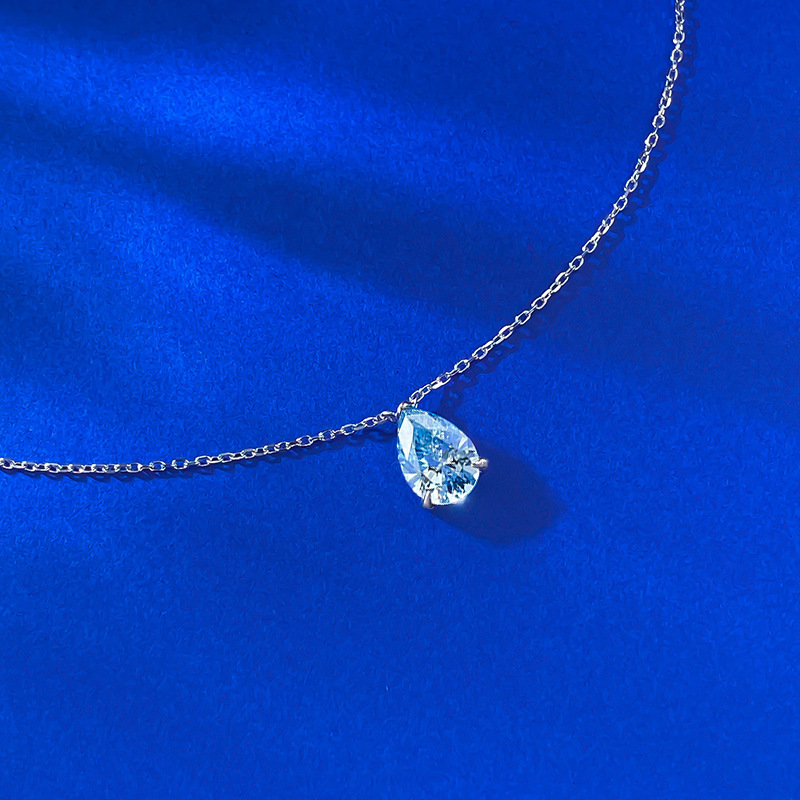
Certified Jewelry Appraisal Buyer Guide: Choose with Confidence Before You Buy
A certified jewelry appraisal buyer guide helps you make a smarter choice Before You Buy fine jewelry or lab-grown diamond pieces. If you're comparing engagement rings, picking a gift, or choosing a collectible item, the right appraisal can confirm what you're buying and help you feel sure about the price.
It also gives you a clearer view of quality, condition, and value. Why guess when you can verify? A good appraisal can protect your purchase now and make insurance or resale easier later.
Why a Certified Jewelry Appraisal Matters Before You Buy
A certified jewelry appraisal is a written professional opinion that describes a piece of jewelry, its materials, condition, and estimated value for a set purpose. It is not the same as a receipt, and it is not the same as a diamond grading report. A receipt shows what you paid. A grading report, such as one from GIA or IGI, focuses on the stone itself.
A certified jewelry appraisal buyer guide helps you see the whole picture. That matters because a product listing can leave out important details like the metal type, whether a center stone is natural or lab-grown, or whether the piece was resized or repaired.
For buyers, the biggest benefit is clarity. The National Association of Jewelry Appraisers and similar industry groups expect appraisals to state the purpose of value. Insurance replacement value is not the same as fair market value, and the report should say which one it uses.
Many shoppers compare two rings that look nearly identical online, only to find big differences in the mounting, stone size, or finish. Those details can change the price by hundreds or even thousands of dollars. A solid appraisal gives you a baseline before money changes hands.
For engagement ring buyers, this can be especially helpful. If you're looking at a solitaire, a halo, or a three-stone style, the appraisal should confirm the total carat weight, metal, measurements, and setting style. If the piece includes a lab-grown diamond, the document should say so clearly.
What to Look for in a Jewelry Appraisal Service
Choosing the right appraiser matters just as much as choosing the jewelry. A strong certified jewelry appraisal buyer guide starts with credentials. Look for training from respected names such as GIA, NAJA, or ASA. These groups don't guarantee perfect work, but they do show formal education and professional standards.
Experience counts, too. Appraising a Diamond Tennis Bracelet is different from valuing an antique brooch or a custom ring. Ask whether the appraiser works with the type of jewelry you're buying. You should also ask whether the appraiser is independent. If the same person is selling the item and appraising it, that creates a conflict of interest.
A good report should be specific and easy to verify. At minimum, it should include:
- Full item description
- Metal type and purity, such as 14K gold, 18K gold, platinum, or sterling silver
- Gemstone type and origin, if known
- Diamond details like cut, color, clarity, carat weight, shape, and fluorescence when relevant
- Measurements for the stones and the piece
- Condition notes for the setting and visible wear
- The purpose of the valuation
- Appraiser credentials and signature
- Date of appraisal
- Photos or image references
A certified jewelry appraisal buyer guide should also help you spot red flags. Be careful if the report feels vague, generic, or light on detail. A document that simply says "diamond ring" or "gold necklace" isn't enough for a serious purchase.
Here are signs to watch for:
- No clear credentials or training
- The seller also wrote the appraisal
- Missing measurements or stone details
- No note about condition or treatments
- No photos or report number
- No explanation of how the value was set
- Copy-paste language that could fit any piece
If the piece includes a diamond, compare the appraisal with any grading report you have. GIA and IGI reports use consistent grading terms, so the details should line up. A ring described as a 1.00 carat round brilliant with VS2 clarity and F color should match the stone you were shown.
If you want to compare styles Before You Buy, you can browse our jewelry collection or explore our engagement rings for clear product details.
Key Details That Should Appear in the Appraisal
A strong certified jewelry appraisal buyer guide should tell you what belongs in the document. The more complete the record, the easier it is to match the report to the seller's description. That matters for rings, earrings, bracelets, necklaces, and diamond jewelry.
For rings, the appraisal should identify the style, band width when relevant, setting style, stone count, and mounting metal. For earrings, it should note whether they're studs, hoops, or drops, plus the clasp or backing type. For bracelets and necklaces, look for chain length, clasp style, link type, and any main stone details.
For diamonds and gemstones, don't settle for carat weight alone. You should expect clear information on:
- Cut
- Color
- Clarity
- Carat weight
- Shape
- Measurements
- Fluorescence, when applicable
- Symmetry and polish, if relevant
- Treatment disclosure, such as heat treatment or oiling for colored stones
- Origin details when available and supported by records
A well-written appraisal for a diamond ring may list a center stone at 6.35 x 6.40 x 3.95 mm, along with the total diamond weight for the full piece. That level of detail makes it easier to verify what you bought. GIA's grading system is built on consistent criteria, so matching the appraisal to a grading report is smart buying.
Supporting paperwork matters, too. Look for:
- Clear photos of the front, back, and side views
- A report number or item number
- The appraisal date
- The purpose of the valuation
- The value type used, such as replacement value
- A signature or seal, if the service uses one
Here's a simple comparison of common document types:
| Document Type | Main Purpose | What It Usually Includes | Best Use for Buyers |
|---|---|---|---|
| Sales receipt | Proof of purchase | Price paid, date, seller | Basic transaction record |
| Diamond grading report | Gem quality analysis | Cut, color, clarity, carat, measurements | Comparing diamond quality |
| Certified jewelry appraisal | Valuation and item ID | Materials, condition, photos, replacement value | Insurance, verification, buying confidence |
This is why a certified jewelry appraisal buyer guide should not treat all paperwork the same. A grading report tells you about the stone. An appraisal tells you about the whole piece and what it may cost to replace.
If you're comparing diamonds, you can shop our lab-grown diamonds and review the specs alongside your appraisal or grading paperwork.
How Certified Appraisals Protect Your Purchase
A certified jewelry appraisal buyer guide isn't just about paperwork. It helps protect the money you're about to spend. When a piece has a credible appraisal, you can compare pricing with more confidence and decide whether the item is fairly valued.
Suppose two lab-grown diamond rings cost about the same. One includes a full appraisal that matches the product listing, while the other has vague paperwork or none at all. The first choice gives you more to work with because you can check the metal type, stone size, setting Style, and Value basis.
It also helps with insurance. Many insurers ask for a documented valuation that includes enough detail to replace the piece if it's lost, stolen, or damaged. Replacement value is usually higher than the amount you paid. That's normal. It reflects what it would cost to replace the item through retail channels with similar quality.
A good appraisal can also help with:
- Loss or theft claims
- Estate planning and asset records
- Gifts that may need future transfer records
- Resale talks if you upgrade later
- Verifying a custom or heirloom piece
For many buyers, the biggest win is peace of mind. Clear paperwork lowers the chance of surprise later. It lets you shop with a steadier head because the piece has been checked, measured, and described by a qualified professional.
Pricing and Value: What Buyers Should Expect
Appraisal pricing varies by service and piece type. Some appraisers charge a flat fee per item. Others bill by the hour or by complexity. A simple wedding band usually costs less to appraise than a custom multi-stone necklace or a large diamond ring with accent stones.
Common pricing models include:
- Flat fee per item for standard pieces
- Per-item rates for multiple pieces
- Hourly pricing for complex or antique work
- Higher fees for research, unusual craftsmanship, or specialty gemstones
A certified jewelry appraisal buyer guide should also explain how the value is set. The appraisal value is not the same as the sale price or the resale price. For insurance, appraisers often use replacement value, which estimates what it would cost to buy a similar item at retail today.
That can be higher than the price you paid because retail replacement includes sourcing, labor, and current market conditions. A ring valued at $4,800 for replacement may have sold for $3,900. That doesn't automatically mean the appraisal is padded. It may simply reflect real replacement costs.
A simple rule helps here: match the appraisal cost to the item's value and complexity. For a higher-priced engagement ring, a careful appraisal is usually worth it. For a lower-cost fashion piece, the fee may not make sense unless you need insurance paperwork. If the item includes a lab-grown center stone, a designer setting, or several stones, a skilled appraiser matters even more.
What are You Really Paying for? If the answer includes expert review, itemized details, photos, and a clear valuation method, the fee is easier to justify.
What to Do Before Ordering an Appraisal
Timing matters. The best time to get an appraisal is soon after purchase, while the piece is still in the same condition and the receipt, grading report, and packaging are easy to match. That helps the report reflect the exact item you received.
You may need a new appraisal after major changes. Resizing, repairs, resetting stones, or upgrading a center stone can all change the report. Market shifts can also make a fresh appraisal useful, especially for higher-value jewelry.
Before you place an order, keep these basics in mind:
- Store all paperwork together in a safe place
- Keep photos of the piece and the documents
- Clean the jewelry gently and follow care advice
- Save the receipt, grading report, and product listing
- Ask about resizing or service work before the appraisal if the piece isn't final yet
Special cases need extra attention. Antique pieces often require more research because age, condition, and craftsmanship can affect value. Custom designs may need close measurements and build notes. Lab-grown diamond jewelry should be labeled clearly, especially when the piece includes a center stone or side stones. Heirloom items can benefit from a professional review because family history alone won't help with insurance paperwork.
A certified jewelry appraisal buyer guide should help you think past the sale day. The paperwork should support ownership, protection, and possible resale with fewer surprises.
How to Use Your Appraisal at StoneBridge Jewelry
At StoneBridge Jewelry, we value clear details. A certified jewelry appraisal buyer guide can help you compare the paperwork with product listings so you can shop with more certainty. Start by matching the metal type, stone size, shape, setting style, and any grading details shown in the report.
If an appraisal says the ring has a 1.50 carat round lab-grown diamond in 14K white gold, the product page should say the same thing. If it doesn't, ask Before You Buy. That one check can prevent a lot of confusion later.
You can also use appraisal details to narrow your search. If you want a certain carat range, a lower profile, or a specific metal color, the report can help you compare options faster. That helps if you're choosing an engagement ring and trying to balance style, durability, and budget.
You can also use our tools to compare styles and settings. Try our ring builder to see how different metals, shapes, and settings affect the final design.
StoneBridge Jewelry shares clear product information so you can make informed choices before checkout. If you want help matching a document to a piece, contact our jewelry experts for support.
FAQ: Certified Jewelry Appraisal Buyer Questions
What should a certified jewelry appraisal include before I buy a ring?
A good appraisal should include item details, gemstone and metal specs, measurements, condition notes, photos, the valuation purpose, and the appraiser's credentials. It should also include the date and enough detail to match the ring to the listing. A certified jewelry appraisal buyer guide helps you spot gaps before you pay.
How do I know if a jewelry appraisal is trustworthy?
Check the appraiser's training, their experience with the type of piece, and whether they have any tie to the sale. A trustworthy report is specific, dated, and backed by photos or a report number. It should also line up with any GIA or IGI paperwork you have.
Is an appraisal useful for lab-grown diamond jewelry?
Yes, it can be very useful. An appraisal confirms the item's specs, supports insurance planning, and helps when the piece is custom or higher in price. For lab-grown diamond jewelry, clear identification in the report is especially helpful.
How much does a certified jewelry appraisal usually cost?
Pricing depends on the item's complexity, the appraiser's time, and how many pieces you need reviewed. A simple piece may cost a modest flat fee, while a custom or antique item can cost more. Ask for the fee upfront so you know exactly what you're getting.
When should I get my jewelry appraised after buying it?
Soon after purchase is best. That way, the paperwork reflects the item's condition, and the receipt and grading report still match easily. If you resize, repair, or update the piece later, get a fresh appraisal.
Shop With Clear Documentation
A certified jewelry appraisal buyer guide gives you a practical way to Buy with Confidence. The right appraisal confirms details, supports value, and helps protect your purchase after checkout. Before You Buy, compare the paperwork, verify the specs, and choose jewelry that comes with documentation you can trust.
Ready to shop? Explore our lab-grown diamonds, browse our jewelry collection, or contact StoneBridge Jewelry for help matching product details to your appraisal.
Ready to Find Your Perfect Diamond?
Explore our collection of certified lab-grown diamonds
Shop Diamonds