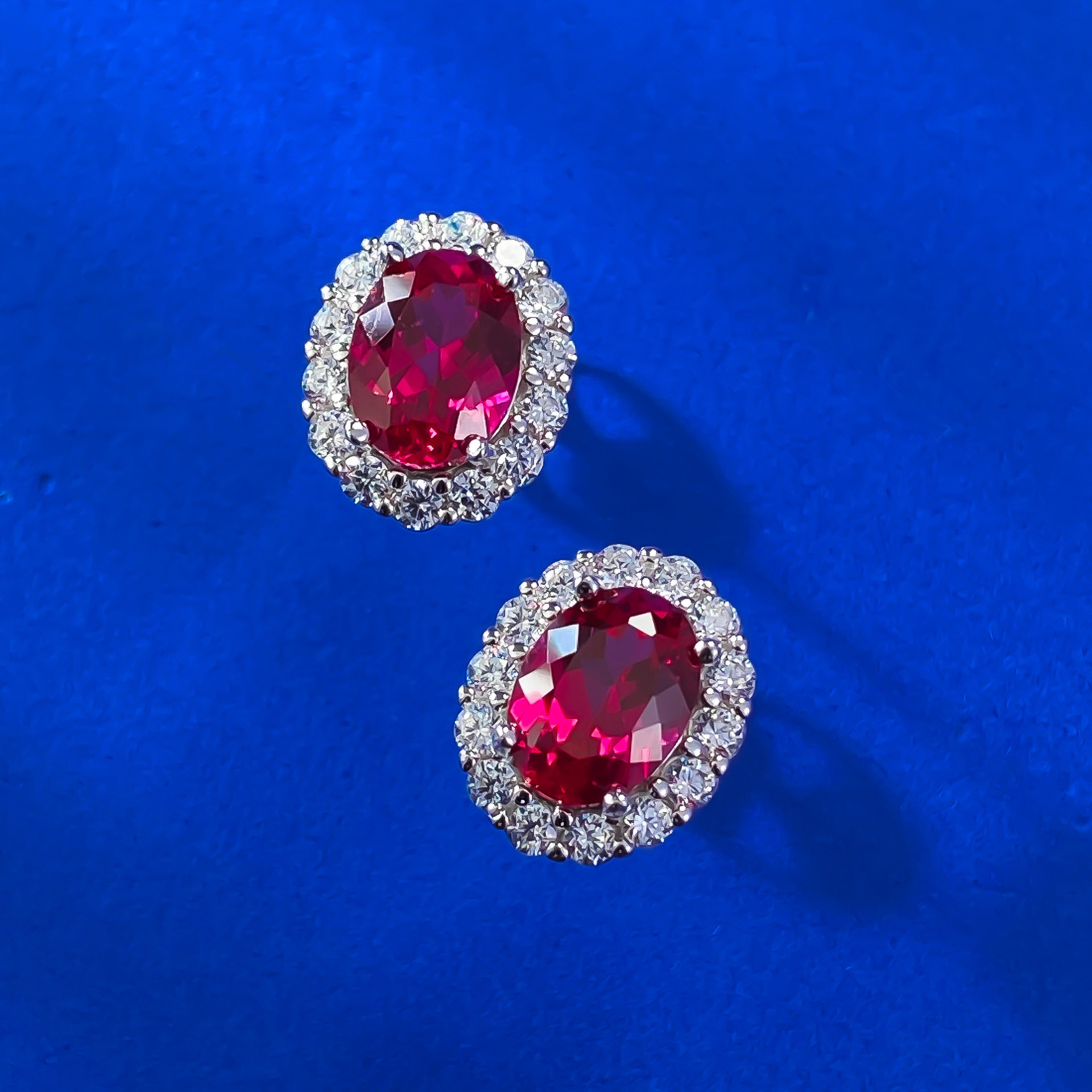
Certified Diamond Huggie Earrings: Fit, Quality, and Buying Tips
Certified Diamond Huggie Earrings are easy to love because they are easy to wear. They sit close to the ear, feel secure through a busy day, and add diamond sparkle for work, travel, dinner, or a bridal look.
The challenge is choosing the right pair. Two styles may look similar online, yet differ in diamond quality, total carat weight, metal, closure strength, and comfort. A smart comparison looks past the sparkle photo and checks the details that affect daily wear.
Start with transparency. A reliable jeweler should share total carat weight, metal purity, setting type, diamond origin, grading range, closure style, and care guidance. Reports or quality documents from GIA, IGI, or GCAL give shoppers a shared way to compare cut, color, clarity, and carat weight.
Diamond huggies also fill a useful spot in a jewelry wardrobe. Stud earrings are clean and minimal. Hoop earrings make a stronger shape. Drop earrings and dangle earrings add length and movement. Huggies give you the secure feel of a small hoop with the polish of diamond-set jewelry.
How Certified Diamond Huggie Earrings Should Fit and Feel
The best certified Diamond Huggie Earrings balance beauty with comfort. Product photos can show sparkle, but they cannot tell you whether the hinge feels smooth or whether the hoop pinches your lobe after an hour.
Think about how you will wear them. Will they be your everyday earrings? Are they going in a first piercing, or will they sit in a second or third piercing as part of a stack? Do you wear headphones, scarves, or high collars often?
Those small habits matter. A pair for daily wear needs a comfortable inner diameter, a secure click, and a smooth inner curve. A pair for events can be a little bolder if you do not plan to wear it for ten hours at a time.
Price depends on several linked factors. Natural diamond huggies with higher total carat weight and tighter color or clarity grades usually cost more. Lab-grown diamond huggies can offer larger size or higher grades at a lower price than comparable mined diamond styles.
The goal is not to buy the highest grade in every category. Earrings are viewed from conversational distance, not under a jeweler's loupe. Cut, setting quality, comfort, and balanced proportions often matter more than paying extra for clarity details no one will see.
What Makes Diamond Huggies Different?
Huggie earrings are small hoop-style earrings designed to sit close around the earlobe. The name comes from the way the hoop appears to hug the ear rather than hang below it.
Most huggies use a hinged, click-top, latch-back, or post-style closure. The close fit makes them less likely to catch on hair, scarves, sweaters, or phone cords than larger hoops. That is one reason certified Diamond Huggie Earrings work so well for everyday jewelry.
They also create a different sparkle pattern than diamond studs. Instead of one bright point on the lobe, the diamonds follow a curve. This gives the ear a line of light that feels polished without looking overdone.
A good pair should sit evenly. The hoop should close cleanly, rest at the intended angle, and avoid squeezing the lobe. If the earring turns, droops, or feels tight, the size may not suit your piercing placement.
Huggie Earrings vs. Diamond Studs
Diamond studs are timeless because they are simple. A single diamond, cluster, or bezel-set stone sits close to the skin and works with nearly every outfit.
Certified Diamond Huggie Earrings create more shape. They frame the lobe with a curved row of diamonds, so they feel a little more styled while staying classic. In a first piercing, they can anchor an ear stack. In an upper piercing, a smaller huggie can frame diamond studs beautifully.
Both styles travel well and suit professional settings. Studs are lower profile. Huggies add more design interest and often feel secure because the closure is built into the hoop.
Huggies vs. Hoops, Drops, and Dangles
Huggies are a compact form of hoop earrings. Traditional hoops may range from petite 12 mm styles to dramatic 50 mm silhouettes. Huggies often fall near 8 mm to 15 mm in inner diameter, though each design fits differently.
Drop earrings hang below the lobe with limited movement. Dangle earrings usually swing more freely. They look beautiful for formal events, but they can feel less practical for daily wear.
Certified diamond huggie earrings offer sparkle without swing. For work, they look polished but not distracting. For evening, they can pair with a larger hoop, drop, or dangle in another piercing if the stack feels balanced.
| Earring Style | Best For | Visual Effect | Wearability |
|---|---|---|---|
| Diamond studs | Minimal daily style | Single point of sparkle | Very easy |
| Diamond huggies | Everyday polish and stacking | Curved line of sparkle | Secure and close-fitting |
| Hoop earrings | Classic statement looks | Circular silhouette | Depends on size |
| Drop earrings | Dressy outfits | Vertical accent | Moderate movement |
| Dangle earrings | Formal styling | Length and motion | More noticeable movement |
Why Certification Matters for Diamond Huggie Earrings
Certification gives you a clearer view of what you are buying. A grading report or jewelry quality document may identify cut, color, clarity, carat weight, measurements, diamond origin, and sometimes polish, symmetry, fluorescence, or growth method.
GIA created the D-to-Z diamond color scale and the Flawless-to-Included clarity scale used across the trade. IGI and GCAL also issue reports for natural and lab-grown diamonds. The lab named on the report matters because grading standards and report formats can vary.
This matters for certified diamond huggie earrings because many pairs use multiple small diamonds. A solitaire ring may have one diamond with an individual report. A huggie pair with 20 tiny diamonds may come with a jewelry report, batch documentation, or a quality range instead.
That documentation can still be useful. Look for the diamond count, total carat weight, color range, clarity range, metal type, closure style, and whether the diamonds are natural or lab-grown. If a listing says 1.00 carat total weight, it usually means the combined diamond weight across both earrings unless the jeweler states otherwise.
Certification also helps with insurance, appraisal, repair records, and future resale estimates. It does not make every pair automatically better, but it gives you facts instead of vague claims.
What Diamond Reports Usually Tell You
Reports for small diamond jewelry often describe a range rather than grading every stone one by one. For example, a pair may list diamonds as near colorless with a VS-SI clarity range. That is normal for many multi-stone earring designs.
Read the product page carefully. Check total carat weight, diamond count, approximate stone size, diamond origin, metal purity, setting type, and closure. If those details are missing, ask Before You Buy.
Customers usually feel most confident when the report details match what they can see and feel in person. The earrings should look balanced, close securely, and show even setting work from left to right. If you want help comparing styles, you can contact our jewelry experts through StoneBridge customer support.
Lab-Grown Diamond Huggies and Certification
Lab-grown diamonds can be graded using the same 4Cs framework as mined diamonds. Reports may also identify the growth method, often CVD or HPHT, and confirm that the stones are laboratory-grown.
Lab-grown diamonds are real diamonds. They have the same chemical composition and crystal structure as mined diamonds. Cubic zirconia and moissanite are different materials, with different optical behavior and durability.
For certified diamond huggie earrings made with lab-grown diamonds, documentation confirms identity and quality. It also makes comparison easier if you are deciding between mined and lab-created options. Many shoppers choose lab-grown huggies because they can get a larger look or higher color and clarity range within the same budget.
How to Choose Certified Diamond Huggie Earrings
A clear buying order keeps you from getting distracted by carat weight alone. Start with lifestyle, then compare diamond quality, metal, setting, size, closure, and retailer support.
Use this simple checklist as you shop:
- Decide how often you will wear the earrings.
- Review the 4Cs, especially cut and total carat weight.
- Choose a metal that suits your skin and style.
- Compare setting styles for sparkle and security.
- Check inner diameter, hoop thickness, and front-facing width.
- Confirm the closure, certification details, return terms, and care support.
A high total carat weight will not help if the earrings pinch. A strong grading report will not matter much if the hinge feels loose. The best certified diamond huggie earrings should look good, feel good, and give you clear quality information.
Step 1: Read the 4Cs for Earrings
The 4Cs are cut, color, clarity, and carat weight. For huggie earrings, cut has a strong visual effect because sparkle depends on how well each diamond handles light.
Color grades follow the GIA D-to-Z scale, with D being colorless. Near-colorless diamonds often look bright in earrings, especially in white gold or platinum. Yellow gold and rose gold can make slightly warmer diamonds look pleasing because the metal softens the contrast.
Clarity grades range from Flawless to Included. Since huggie diamonds are usually small, many shoppers choose eye-clean diamonds instead of paying for microscopic perfection. VS and SI ranges can look beautiful in well-made earrings, depending on the stones and setting.
Carat weight needs careful reading. Total carat weight describes the combined diamond weight in the pair. A 0.50 carat total weight pair with 20 diamonds will look different from a 0.50 carat total weight pair with 10 diamonds.
Step 2: Pick the Metal and Setting
Metal affects durability, color, price, and skin comfort. 14k gold is popular for everyday earrings because it balances strength and gold content. 18k gold has richer gold content but is a bit softer. Platinum is dense, durable, naturally white, and often costs more.
Metal color changes the look. White gold and platinum create a bright, cool frame. Yellow gold feels warm and classic. Rose gold adds softness and can flatter warmer skin tones.
Setting style shapes sparkle and maintenance:
- Prong settings show more diamond surface and create lively sparkle.
- Pavé settings use many small diamonds for a fine, shimmering effect.
- Channel settings hold diamonds between metal walls for a sleek, protected look.
- Bezel settings wrap each diamond in metal for a smooth, modern profile.
For certified diamond huggie earrings worn often, setting quality matters. Look for even spacing, smooth edges, and stones that sit level. The metal should feel finished on the inside, not just on the front.
Step 3: Check Size, Closure, and Comfort
The most useful fit number is inner diameter. It tells you how much room the hoop has around your lobe. A smaller diameter gives a snug look, while a larger one leaves more space and movement.
Hoop thickness matters too. A wider design may feel tighter than expected, even if the diameter sounds generous. Product photos often enlarge earrings, so always read the millimeter measurements.
Common closures include hinged backs, click-top closures, latch backs, and post-style huggies. Hinged and click-top designs are popular because they open easily and close with a snap. Latch backs can feel secure on slightly larger hoops.
If you are unsure, measure earrings you already own. Compare the inside edge-to-edge diameter with the listed size. That quick check can prevent returns and help you choose certified diamond huggie earrings that match your ear shape.
Styling Certified Diamond Huggie Earrings
Certified diamond huggie earrings work because they do not demand a special outfit. They look good with jeans, silk blouses, blazers, cocktail dresses, and bridal accessories.
For daily wear, choose a moderate total carat weight and a smooth closure. White gold or platinum feels crisp. Yellow gold adds warmth. Rose gold gives the look a softer feel.
For work, huggies add polish without much movement. They usually look less bold than oversized hoops and less formal than many drop earrings. For evening, you can layer them with larger shapes or colored gemstones if you have multiple piercings.
One small pair can often cover work, travel, and dinner. Diamond huggies have become a go-to choice for people who want fine jewelry that does not feel fussy.
If you are comparing other diamond jewelry, browse the StoneBridge jewelry collection or review our lab-grown diamond options to see how quality, metal, and design choices change the final look.
Building an Everyday Ear Stack
An ear stack looks best when each earring has a job. Use certified diamond huggie earrings as the anchor in your first piercing, then add smaller studs or tiny hoops above them.
Balance scale, metal tone, and sparkle. If your huggies are bold, keep nearby earrings small. If your huggies are delicate, a bezel stud or slim hoop can add dimension without crowding the ear.
Mixed metals can look intentional when you repeat them. For example, pair yellow gold huggies with a white gold diamond stud and a two-tone ring. Repetition makes the mix feel planned.
Styling for Work, Travel, and Events
Huggies are practical for work because they sit close to the ear. They rarely pull, swing, or catch on collars. If you wear headphones, choose a smoother profile and test the fit against the ear cup.
For travel, certified diamond huggie earrings offer a lot of styling value in one small pair. They can move from sightseeing to dinner without much effort. Their close fit also reduces snagging during flights, scarf weather, and quick outfit changes.
For formal events, pair them with a larger hoop, drop earring, or dangle earring if you have multiple piercings. Keep one focal piece. Let the other earrings support it.
Mistakes to Avoid When Buying Diamond Huggies
The first mistake is buying from photos alone. Jewelry photography uses bright lighting, close crops, and magnification. Small diamonds may look larger or brighter online than they do in normal light.
Check the specifications instead. Look for total carat weight, diamond count, color range, clarity range, metal purity, setting style, inner diameter, and closure type. A reputable jeweler should make these details easy to find.
The second mistake is ignoring closure quality. A weak hinge or loose click can lead to discomfort or loss. When the earrings arrive, open and close them gently. The mechanism should feel aligned and secure, not gritty, bent, or uneven.
The third mistake is comparing only carat weight. A 1.00 carat total weight pair can look very different depending on stone count, cut quality, setting, and hoop size. Smaller diamonds spread along the front half of the hoop can create a continuous look. Fewer larger stones can create bolder flashes.
Craftsmanship deserves a close look too. Are the hoops the same shape? Do the diamonds follow the curve evenly? Are the prongs smooth? Does the inside of the hoop feel finished?
Matching Earrings to Real Life
Everyday earrings should fit your habits. If you sleep in earrings, commute with scarves, wear over-ear headphones, or work out often, low-profile comfort matters.
Metal sensitivities deserve attention. Platinum and high-quality gold are common Choices for Sensitive ears. Some white gold alloys may contain nickel, and many white gold pieces have rhodium plating, so ask about the alloy if allergies are a concern.
Certified diamond huggie earrings should feel good for the way you live. If a pair looks beautiful but feels tight after an hour, it is not the right everyday choice.
Checking Return Policies and Care Support
Review return windows, warranty terms, repair policies, and documentation Before You Buy. Fine jewelry can look different in person because scale, skin tone, and ear anatomy affect the final result.
Care support matters too. Ask how to clean the earrings, how often to inspect the settings, and whether professional maintenance is available. Pavé huggies with many small stones may need more frequent checks.
A good retailer supports the purchase after checkout. For policy details and common shopper questions, visit the StoneBridge FAQ.
How to Care for Certified Diamond Huggie Earrings
Regular care keeps diamonds bright and helps protect the setting. Diamonds attract oil from skin, lotion, sunscreen, and hair products. Because huggies sit close to the ear, buildup can collect near hinges and behind settings.
For at-home cleaning, use warm water with a small amount of mild dish soap. Let the earrings soak briefly, then use a soft brush if the setting allows it. Rinse carefully and dry with a lint-free cloth.
Avoid toothpaste, bleach, chlorine, abrasive pads, and harsh household cleaners. These can damage metal finishes, weaken plating, or leave residue in small setting areas.
For diamond jewelry worn often, one to two professional inspections per year is a sensible rhythm. A jeweler can check prongs, pavé beads, hinges, closures, and alignment. That matters most for certified diamond huggie earrings with many small accent stones.
Storage and Maintenance Tips
Store huggies away from other jewelry. Diamonds can scratch metal and other gemstones, and earrings can rub against each other if tossed loose in a pouch.
A lined jewelry box, divided tray, or individual soft pouch works well. For travel, use a small hard-sided case that protects the hinge and keeps the pair together.
Remove diamond jewelry before swimming, heavy workouts, applying lotions, using hair spray, or cleaning with chemicals. Open and close hinged earrings gently so the mechanism stays aligned.
Diamond Huggie Buying Checklist
Use this list before choosing certified diamond huggie earrings:
- Certification or quality documentation from a trusted source
- Clear 4Cs information, including cut, color, clarity, and total carat weight
- Metal type and purity, such as 14k gold, 18k gold, or platinum
- Setting style that fits your sparkle and security preferences
- Inner diameter, hoop thickness, and overall size in millimeters
- Secure closure with a comfortable feel
- Smooth craftsmanship, balanced symmetry, and even diamond placement
- Return policy, warranty support, and care guidance
Certified diamond huggie earrings are a strong choice if you want verified diamond quality in a piece you will actually wear. They offer more dimension than studs, more subtlety than many hoops, and more daily comfort than most drop or dangle earrings.
Choose the pair that fits your ear, your routine, and your style. Good documentation gives you confidence. Good craftsmanship makes you reach for them again and again.
FAQ
Are certified diamond huggie earrings good for everyday wear?
Yes, certified diamond huggie earrings can be excellent everyday earrings because they sit close to the ear and usually feel secure. Look for a comfortable inner diameter, smooth hinge, durable metal, and clear diamond documentation. If you wear headphones or scarves often, choose a lower-profile design. A quick fit check at home can help you decide whether the pair suits long days.
What size certified diamond huggie earrings should I buy?
Most everyday huggies fall around 8 mm to 15 mm in inner diameter, but your best size depends on your lobe shape and piercing placement. Check millimeter measurements instead of relying on enlarged product photos. A snug pair should hug the ear without pinching. If you are between sizes, compare the listing to earrings you already own and like.
Are lab-grown diamond huggie earrings real diamonds?
Yes, lab-grown diamond huggie earrings use real diamonds when the stones are properly identified as laboratory-grown diamonds. They have the same chemical composition and crystal structure as mined diamonds. Ask for a grading report or jeweler documentation that confirms origin, carat weight, color, and clarity. Avoid confusing lab-grown diamonds with simulants such as cubic zirconia or moissanite.
What should a diamond huggie certification include?
A certification or jewelry quality document should list diamond origin, total carat weight, color range, clarity range, and metal details. Some reports also include measurements, polish, symmetry, fluorescence, or growth method for lab-grown diamonds. Multi-stone huggie earrings may use grading ranges rather than individual reports for every small diamond. Ask the jeweler to explain anything that is not clear Before You Buy.
How do I clean certified diamond huggie earrings safely?
Clean diamond huggies with warm water, mild dish soap, and a soft brush if the setting allows it. Rinse well and dry with a lint-free cloth so moisture does not sit near the hinge. Skip bleach, chlorine, toothpaste, and abrasive cleaners because they can harm metal or plating. For pairs worn often, schedule one or two professional inspections each year.
Ready to Find Your Perfect Diamond?
Explore our collection of certified lab-grown diamonds
Shop Diamonds