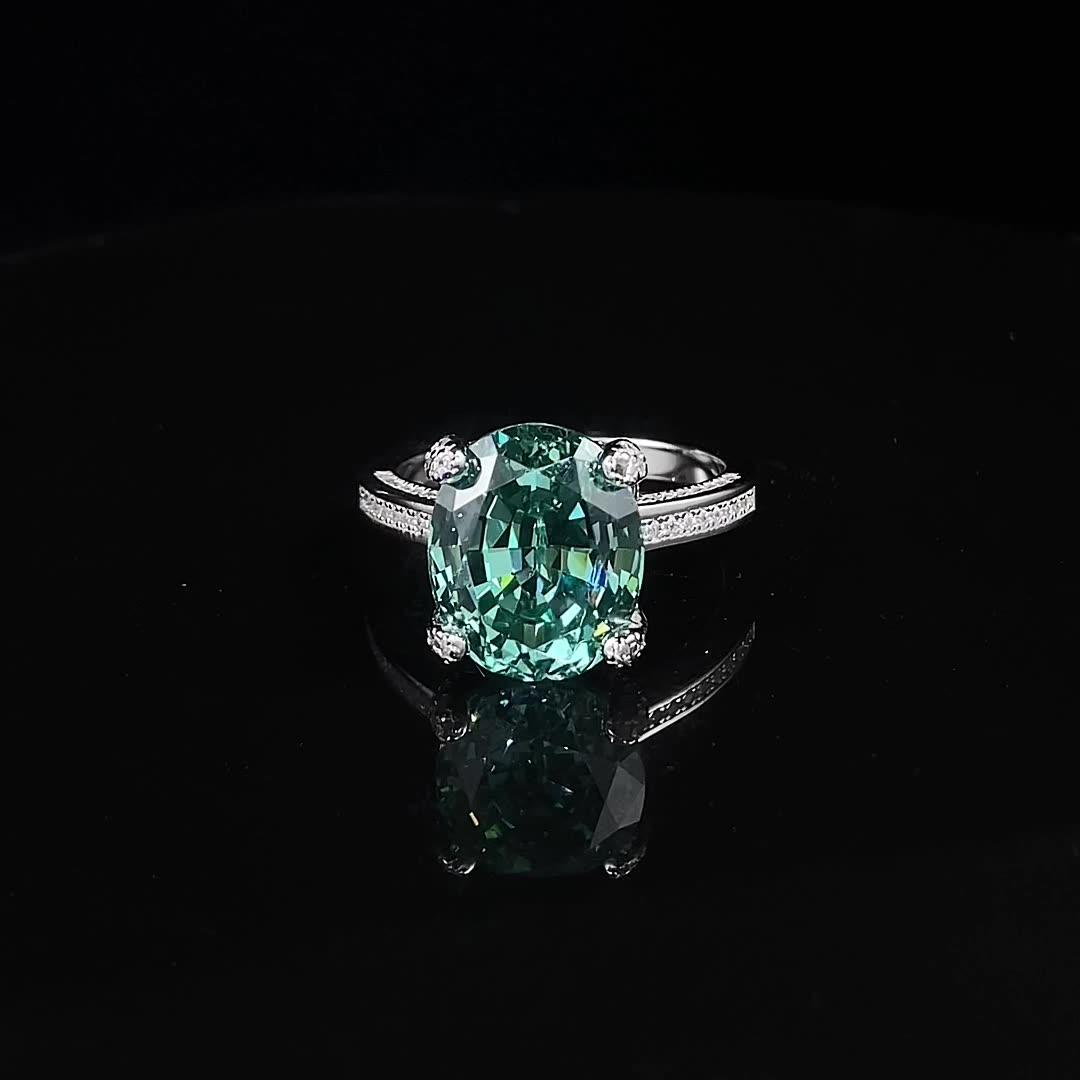
Bridal Jewelry Metals for Brides: Gold, Platinum, Silver, and the Right Wedding Match
Choosing Bridal Jewelry Metals for brides affects more than the color of a necklace or bracelet. Metal choice changes how diamonds look, how earrings feel after eight hours, how photos read in different light, and how often you'll need cleaning or repair.
A White Gold Tennis bracelet, a yellow gold pearl pendant, and platinum diamond studs can all feel bridal. They just tell different stories. The right metal should suit your ring, flatter your skin, work with your gown, and still make sense years after the wedding.
Brides often feel most confident when they start with practical details first. What metal is your engagement ring? Does your skin react to certain alloys? Will you wear these pieces again? Those answers narrow the choices quickly.
Why Bridal Jewelry Metals for Brides Matter
Bridal Jewelry Metals for brides shape the look of diamonds, gemstones, pearls, and dress details. A colorless diamond set in platinum or white gold usually looks crisp and icy. The same diamond near yellow gold may look warmer, especially in candlelight or sunset photos.
Metal also changes the mood of a design. A simple diamond pendant in platinum can feel clean and modern. In yellow gold, it feels softer and classic. In rose gold, it can look romantic without feeling old-fashioned.
Bridal jewelry metals for brides also affect comfort and care. Heavy earrings may bother you by the reception. White gold may need rhodium replating later. Sterling silver can tarnish if it meets perfume, hairspray, or humidity.
Good jewelers look beyond color. They check alloy content, clasp strength, setting security, and finish. GIA notes that metal color can affect how diamond color is perceived, especially around prongs and bezels.
Precious Metals Used in Bridal Jewelry
Most bridal jewelry metals for brides fall into four groups: gold, platinum, sterling silver, and selected mixed-metal designs. Each option has a different balance of color, strength, cost, weight, and upkeep.
Pure precious metals are often too soft for secure fine jewelry. Gold is a clear example. Fine gold is 24k, which means it is nearly pure gold, but it is too soft for many bridal rings, bracelets, and stone settings.
Karat tells you how much pure gold is in the alloy. 18k gold is 75% gold. 14k gold is 58.3% gold. 10k gold is 41.7% gold, though it is less common in fine bridal jewelry.
Platinum is often marked 950 Pt or Plat 950, meaning 95% platinum. Sterling silver is usually marked 925, meaning 92.5% silver. These quality marks help confirm what you're buying.
For online shopping, don't settle for vague metal descriptions. A good product page should list metal type, purity, plating, stone details, clasp type, measurements, and care notes. If that information is missing, ask Before You Order.
Gold Bridal Jewelry: Yellow, White, and Rose
Gold remains one of the most popular bridal jewelry metals for brides because it offers color choice and lasting value. Yellow gold feels warm, traditional, and romantic. It pairs beautifully with ivory gowns, pearls, antique details, and garden weddings.
White gold gives a bright silver-white look at a price that is often lower than platinum. It works well with diamonds, crystal beadwork, white gowns, and clean modern styling. Many white gold pieces are coated with rhodium for extra brightness.
Rose gold gets its blush tone from copper in the alloy. It can flatter warm or neutral skin tones and looks lovely with blush gowns, champagne fabrics, soft florals, and peach makeup.
For bridal gold jewelry, 14k and 18k are the most common fine jewelry choices. 14k gold is usually more durable and budget-friendly. 18k gold has richer color, but it can be softer and more expensive.
Platinum Bridal Jewelry for Lasting Wear
Platinum is a premium choice among bridal jewelry metals for brides. It is naturally white, dense, durable, and often hypoallergenic. Since its color does not rely on rhodium plating, it keeps its white tone over time.
Many jewelers prefer platinum for diamond settings because it holds prongs well. Its weight also gives earrings, pendants, and bracelets a substantial feel. Some brides love that heirloom quality.
Platinum develops a soft patina with wear. That finish is normal. If you prefer a brighter shine, a jeweler can polish it.
The main tradeoffs are price and weight. Platinum usually costs more than gold because it is dense, high in purity, and more labor-intensive to work with. For diamond studs, tennis bracelets, and heirloom pendants, the premium can be worth it.
Sterling Silver and Mixed-Metal Options
Sterling silver can work well for wedding-day accessories, especially statement earrings, hairpieces, cuffs, or pieces you won't wear daily. It is bright, pretty, and more affordable than gold or platinum.
Silver is softer than gold and platinum. It can scratch, bend, and tarnish more easily. For jewelry holding valuable diamonds or gemstones, many brides choose gold or platinum for better long-term security.
Mixed metals can solve styling problems. A two-tone pendant can connect a platinum engagement ring with yellow gold earrings. A bracelet with white and yellow metal can make the whole look feel planned instead of mismatched.
Matching Bridal Metals to Your Ring and Band
Bridal jewelry metals for brides often start with the engagement ring. That ring appears in close-up photos, bouquet shots, ceremony images, and every hand-holding moment. If your ring is platinum, white gold or platinum earrings create a clean match.
Exact matching is not required. Mixed metals can look beautiful when they repeat with purpose. A platinum ring with yellow gold earrings can work if yellow gold appears again in a bracelet, pendant, hairpin, or shoe detail.
Think about the visual path from face to hands. Earrings frame your face. A necklace connects the neckline to the gown. A bracelet often appears near the ring in photos. Those pieces should support each other.
If you're still choosing a ring metal, compare settings in our engagement ring styles before buying your wedding jewelry. Seeing the ring first makes the rest easier.
Build a Metal Story
A strong metal story uses one main metal and repeats it. For many brides, the main metal is the engagement ring or wedding band. From there, earrings, necklaces, bracelets, and hair accessories can echo that tone.
Try these pairings:
- Platinum engagement ring with white gold diamond studs and a white gold tennis bracelet
- Yellow gold band with a pearl necklace and yellow gold drop earrings
- Rose gold ring with blush gemstone studs and a rose gold bracelet
- Two-tone ring with a pendant that repeats both metals
Check the gown details too. Beadwork, embroidery, veil trim, tiara metal, clutch hardware, and shoe buckles all affect the final look.
When Mixed Metals Look Intentional
Mixed metals work best when each color appears more than once. One yellow gold piece beside several white metal pieces may look accidental. Yellow gold earrings plus a yellow gold bracelet look styled.
Limit the palette to two metal colors when possible. Yellow gold, white gold, rose gold, silver, and brass in one outfit can feel busy. Your jewelry should frame you, not fight for attention.
Choosing Bridal Jewelry Metals for Brides by Skin Tone and Dress
Bridal jewelry metals for brides should flatter the person wearing them. Skin undertone, dress color, venue light, and wedding style all matter. Personal preference still wins, but a few styling checks help.
Cool undertones often look bright with platinum, white gold, and sterling silver. Warm undertones often glow with yellow gold and rose gold. Neutral undertones can usually wear all three metal families well.
Not sure where you fall? Try two metals near your face in natural light. Which one makes your skin look fresh? Which one makes your eyes stand out? Trust that first reaction.
Dress Color and Fabric Details
Bright white gowns often pair well with platinum or white gold. The cool metal keeps the look crisp. Ivory gowns usually work well with yellow gold, rose gold, or softer white metals.
Champagne dresses can look rich with yellow gold. Blush gowns often pair beautifully with rose gold, warm yellow gold, or delicate white metal accents. Fabric swatches help, especially if you're shopping online.
Details matter. Crystal beadwork may point toward white gold or platinum. Gold embroidery can make yellow gold feel natural. Pearl buttons can work with several metals, depending on the pearl's overtone.
Venue, Season, and Wedding Mood
Yellow gold suits garden weddings, vintage styling, candlelit receptions, and warm floral palettes. It pairs well with greenery, cream flowers, lace, and antique-inspired details.
Platinum and white gold fit formal ballrooms, modern venues, coastal weddings, winter palettes, satin gowns, and diamond-forward looks. Their cool brightness works well in daylight and flash photography.
Rose gold feels soft and romantic. It suits blush palettes, bohemian details, warm neutrals, and modern dresses with delicate lines.
Durability, Comfort, and Care
Bridal jewelry metals for brides need to perform during real wedding movement. You'll hug people, dance, hold flowers, adjust your veil, and wear the pieces for hours. Comfort matters as much as sparkle.
Durability depends on metal and design. Platinum is dense and secure, but it can show patina. 14k gold is generally harder than 18k gold because it has more strengthening alloy metals. Sterling silver is better for occasional wear than daily heirloom jewelry.
Scratch resistance and dent resistance are not the same. A harder metal may resist scratches but still bend in a thin setting. A dense metal may mark on the surface yet hold its material well.
Care routines vary. Many gold and platinum diamond pieces can be cleaned with warm water, mild soap, and a soft brush. Pearls need gentler care because they are organic gems. White gold rhodium plating may need refreshing every 12 to 24 months, depending on wear.
Best Bridal Metals for Sensitive Skin
For sensitive skin, platinum is often one of the safest bridal jewelry metals for brides. High-purity platinum is commonly hypoallergenic, making it a smart choice for earrings, necklaces, rings, and bracelets.
Nickel-free gold alloys can also work well. The key is confirmation. Don't assume every white gold piece is nickel-free just because it looks bright and clean.
If you've reacted to costume jewelry or plated pieces before, ask for full metal details. Earrings and necklaces deserve extra attention because they touch sensitive skin for long periods.
Maintenance by Metal
Yellow gold and rose gold are fairly easy to maintain. Gentle cleaning keeps most pieces bright, and a jeweler can polish them when the surface dulls. Avoid chlorine, bleach, abrasive cleaners, and heavy perfume contact.
White gold may need rhodium replating to keep its bright white finish. Earrings often keep plating longer than rings or bracelets because they face less friction.
Sterling silver needs more tarnish care. Store it in a dry pouch, keep it away from hairspray and perfume, and use silver-safe polishing products.
How Metals Change Diamonds, Gemstones, and Pearls
Bridal jewelry metals for brides can make stones look brighter, warmer, softer, or more dramatic. This applies to natural diamonds, lab-grown diamonds, colored gemstones, and pearls.
GIA grades diamond color from D to Z. Near-colorless diamonds in the G to J range can still look very white in the right setting. White metals often emphasize that bright look, while yellow or rose gold can add warmth and contrast.
Lab-grown diamonds follow the same 4Cs as mined diamonds: cut, color, clarity, and carat weight. GIA and IGI both issue grading reports for lab-grown diamonds, which helps buyers compare stones more clearly.
If you want a crisp diamond look, pair colorless or near-colorless stones with platinum or white gold. If you want warmth, yellow gold or rose gold may be the better match. You can shop lab-grown diamonds to compare color, cut, and setting styles.
Pearls and Colored Gemstones
Pearls respond to metal in a softer way than diamonds. Creamy pearls glow beside yellow gold. White pearls feel clean and elegant with platinum or white gold. Pink or peach overtones can look especially pretty with rose gold.
Colored gemstones change with metal too. Sapphire looks formal in platinum and richer in yellow gold. Emerald often glows against yellow gold. Ruby can feel classic in either yellow or white metal.
Pastel stones, including morganite, aquamarine, and pale sapphire, often look airy in rose gold or white gold. Match the stone-metal pairing to your flowers, lipstick, bridesmaid dresses, and overall palette.
Practical Buying Tips for Bridal Jewelry Metals for Brides
Start with the pieces you already know you'll wear. Rings come first, then gown, comfort, budget, and long-term use. That order keeps the decision from getting messy.
Match jewelry to the neckline. Strapless, sweetheart, and off-the-shoulder gowns can handle necklaces or statement earrings. High necklines often look better with earrings and a bracelet.
Read product details carefully when you shop online. Confirm metal purity, plating, stone type, stone size, clasp style, chain length, earring backs, return policy, and care instructions. For diamonds, look for grading information from GIA, IGI, or another respected lab when available.
Craftsmanship matters more than chasing the lowest price. Secure prongs, smooth bezels, quality clasps, balanced weight, and clean finishing all affect how the piece wears. Browse our fine jewelry collection or contact StoneBridge Jewelry experts if you'd like help comparing options.
Step-by-Step Metal Checklist
Use this checklist before buying bridal jewelry metals for brides:
- Identify your engagement ring and wedding band metal.
- Decide whether you want matching metals or planned contrast.
- Compare the gown tone: white, ivory, champagne, blush, or off-white.
- Check beadwork, veil trim, hair accessories, and shoe hardware.
- Test metal colors against your skin in natural light.
- Decide if each piece is for one day or years of wear.
- Confirm allergy concerns, especially for earrings and necklaces.
- Review care needs, plating, metal purity, and return terms.
This process keeps the look cohesive and helps you avoid last-minute surprises.
Budget and Value
Budget often narrows the choice, but price should not be the only filter. Platinum usually costs more because it is dense, high-purity, and more difficult to work. It can be a strong value for heirloom diamond jewelry.
Gold gives you more price flexibility. 14k gold balances beauty, strength, and cost. 18k gold offers richer color and higher gold content, which some brides prefer for earrings and necklaces.
Sterling silver costs less, but it needs more care and may not be ideal for valuable stone settings. A well-made 14k gold diamond pendant can be a smarter purchase than a poorly made platinum piece.
If you're planning custom details, our ring builder can help you compare metal color and diamond style before you commit.
Mistakes to Avoid With Bridal Jewelry Metals
The first mistake is choosing bridal jewelry metals for brides only because a color is trending. Trends fade. Your wedding jewelry should suit your ring, gown, skin, comfort needs, and real life.
Another common mistake is ignoring the engagement ring. It will appear in many photos, so nearby bracelets and rings should relate to it. Matching is easy, but planned contrast can work just as well.
Brides also forget about dress undertones. A bright white gown with antique yellow gold can look beautiful, but the rest of the styling needs to support it. Champagne fabric with icy platinum can work too, if the contrast feels intentional.
Sensitivity can create problems late in the day. Earrings worn for ten hours can become painful if the alloy irritates your skin. Ask about nickel, plating, and metal purity before buying.
Before checkout, confirm:
- Metal purity and quality marks
- Whether white gold is rhodium plated
- Whether gold alloys contain nickel
- Stone setting type and clasp security
- Cleaning and maintenance instructions
- Return and exchange policy
Choose a Metal That Feels Like You
The best bridal jewelry metals for brides support the whole wedding look. They connect the engagement ring, wedding band, gown color, skin tone, venue, stones, comfort needs, care routine, and budget.
Yellow gold brings warmth and timeless romance. White gold offers bright elegance at a flexible price. Rose gold feels soft and romantic. Platinum gives natural whiteness, durability, and hypoallergenic appeal. Sterling silver can be lovely for occasional bridal accessories when you understand the upkeep.
Start with your ring, then build outward. Try metals in natural light. Compare them against your gown fabric. If you're investing in diamonds or gemstones, look at how the metal changes their color and sparkle.
StoneBridge Jewelry helps brides compare bridal jewelry metals for brides with clear details and practical styling advice. Explore our wedding-ready fine jewelry, compare lab-grown diamond pieces, or reach out for help choosing the pieces that will become part of your wedding story.
FAQ
What are the best bridal jewelry metals for brides with sensitive skin?
Platinum is often the best starting point because high-purity platinum is commonly hypoallergenic. Nickel-free gold can also work, but you should confirm the alloy before buying earrings or necklaces. If you've reacted to plated jewelry before, avoid vague metal descriptions and ask for full specifications.
Should bridal jewelry match the engagement ring metal?
Matching your bridal jewelry to the engagement ring creates a clean, classic look in photos. Mixed metals can also look polished when each metal appears more than once. Use the ring as the anchor, then repeat any contrast in earrings, a bracelet, a pendant, or hair accessories.
Is white gold or platinum better for wedding jewelry?
White gold is a beautiful choice if you want a bright white look at a more flexible price. Platinum costs more, but it is naturally white, dense, durable, and often better for sensitive skin. Choose white gold if budget and style matter most, and choose platinum if you want low color maintenance and heirloom weight.
What bridal jewelry metal looks best with an ivory dress?
Ivory dresses often look warm and balanced with yellow gold or rose gold. Softer white metals can also work, especially if your gown has crystal beadwork or your engagement ring is platinum. Test the jewelry against a fabric swatch because ivory can range from creamy to almost white.
Can brides mix yellow gold, white gold, and rose gold jewelry?
Yes, brides can mix metals, but the styling needs a clear pattern. Repeat each metal at least twice or use a two-tone piece to connect them. For the most polished wedding look, limit your palette to two metal colors and keep finishes similar.
Ready to Find Your Perfect Diamond?
Explore our collection of certified lab-grown diamonds
Shop Diamonds