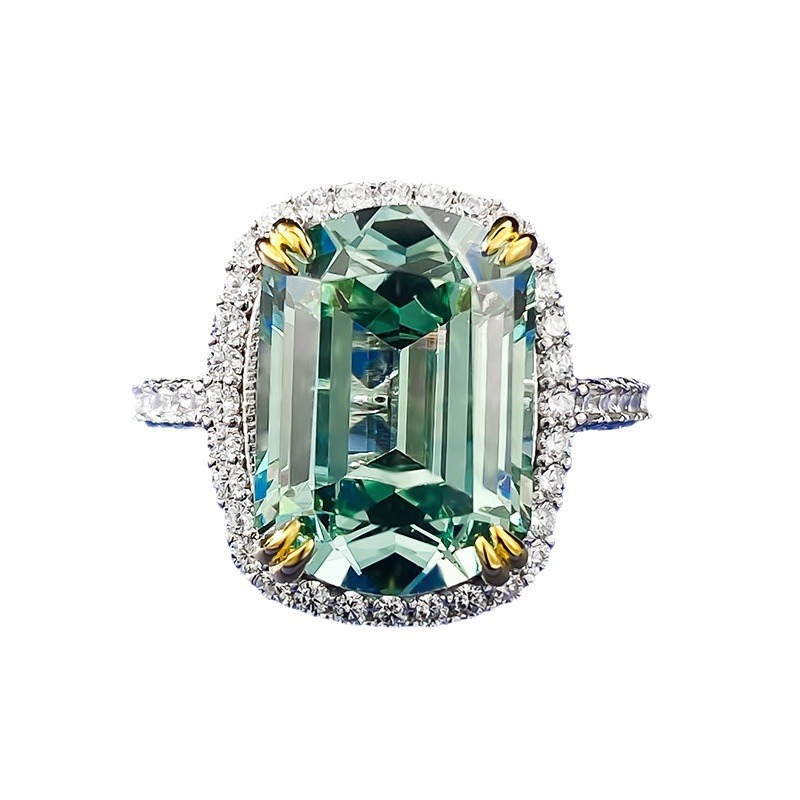
Bezel vs Prong Setting Comparison: Which Ring Setting Fits You?
A ring setting does more than hold a diamond. It changes how the ring looks, how it feels, how much it sparkles, and how well it handles daily wear. This bezel vs prong setting comparison breaks down the two most popular choices for lab-grown diamond engagement rings.
A bezel setting wraps the diamond with a thin rim of metal. A prong setting uses small metal claws to secure the stone. The difference sounds simple, but the choice affects comfort, cleaning, snagging, stone protection, and long-term care.
At StoneBridge Jewelry, we've found that most shoppers are not choosing between good and bad. They're choosing between two different priorities. Bezels usually win for protection and a smooth feel. Prongs usually win for sparkle and a classic diamond-forward look.
Bezel vs Prong Setting Comparison: The Quick Difference
The main difference is metal coverage. In a bezel setting, metal surrounds all or part of the diamond's outer edge. In a prong setting, small posts rise from the mounting and bend over the stone to hold it in place.
That one design choice changes the ring's personality. Bezels create a clean, low-snag profile and help protect the diamond's girdle. Prongs expose more of the crown and sides, so the diamond often looks brighter and more open.
Use this bezel vs prong setting comparison to judge the details that matter in real life:
- Sparkle: How much light reaches and leaves the diamond.
- Security: How protected the stone is from knocks and snags.
- Comfort: How the ring feels during work, travel, parenting, and glove use.
- Maintenance: How often the setting needs cleaning, tightening, or inspection.
- Style: Whether you prefer sleek modern lines or a traditional engagement ring look.
- Cost: How metal weight, labor, and design details affect the final price.
- Diamond visibility: How much of the stone you can see from the top and side.
Lab-grown diamonds make this decision even more interesting. Many shoppers compare larger center stones, such as 1.50, 2.00, or 3.00 carats, because lab-grown diamonds can offer more size flexibility than mined diamonds at the same budget. A larger diamond has more presence, but it also needs a setting that fits the wearer's routine.
What Is a Bezel Setting?
A bezel setting holds a diamond with a rim of precious metal. A full bezel surrounds the entire edge. A partial bezel covers selected sections while leaving part of the stone more open.
The biggest reason shoppers choose a bezel is protection. The bezel covers the diamond's girdle, which is the thin outer edge between the crown and pavilion. GIA and IGI grading reports measure diamond features such as proportions, polish, symmetry, and clarity, but the setting decides how exposed that edge is during daily wear.
A bezel can be slim and modern, bold and sculptural, vintage-inspired, east-west, or set low into the band. It also works well in yellow gold, white gold, rose gold, and platinum. The effect changes with the metal, but the practical benefit stays the same: the diamond has a metal buffer around it.
Our customers often choose bezels when they work with their hands, wear gloves, travel often, or want a ring that doesn't catch on sweaters and hair. If you want a ring you can live in, the bezel side of this bezel vs prong setting comparison deserves attention.
Bezel Setting Pros
A bezel setting gives strong edge protection. Since the metal rim sits around the diamond, it helps guard the girdle from direct impact. That can be reassuring for an engagement ring worn every day.
Bezels also reduce snagging. There are no raised claws to catch on knitwear, bedding, pockets, hair, or medical gloves. This smooth profile can make the ring easier to wear at work, at home, and while traveling.
Style is another reason people love bezels. A slim white gold bezel feels crisp and modern. A yellow gold bezel can give a warm vintage feel. A rose gold bezel adds softness around the center stone.
A bezel may also make some diamonds look more defined from the top view. The metal border creates contrast around round, oval, cushion, emerald, and pear shapes. It doesn't increase carat weight, but it can make the outline feel stronger.
In a bezel vs prong setting comparison, the bezel wins for wearers who want peace of mind, comfort, and a cleaner silhouette.
Bezel Setting Cons
A bezel covers more of the diamond than prongs do. If you want to see as much of the stone as possible, a bezel may feel less open. Heavy bezels can also make the diamond look more framed than floating.
Light performance can shift, too. Prongs usually allow more side light to reach the stone. A thick or deep bezel may limit some light entry, especially if the diamond sits low in the setting.
Cut quality still matters most. GIA grades round brilliant diamond cut from Excellent to Poor, and strong cut quality has a major effect on brilliance, fire, and scintillation. A well-cut lab-grown diamond in a slim bezel can look brighter than a poorly cut diamond in prongs.
Repairs may take more work with bezels. If the bezel is built into the band, resizing or replacing the stone can require more bench time. Craftsmanship matters, especially with oval, pear, marquise, emerald, and radiant cuts where uneven metal is easy to spot.
What Is a Prong Setting?
A prong setting secures a diamond with small metal claws. Four-prong and six-prong settings are the most common. Four prongs show more of the diamond, while six prongs add more contact points and can make a round diamond look more circular.
Prongs come in several styles. You may see claw prongs, petite prongs, rounded prongs, double prongs, V-prongs, basket settings, or cathedral settings. Each changes the look and the level of support.
In a bezel vs prong setting comparison, prongs usually win for diamond visibility. They expose more of the crown and side profile, which can make a well-cut diamond look lively and bright. This is one reason prongs remain the classic choice for Solitaire Engagement Rings.
Prongs are not weak by default. A well-made prong ring in platinum, 14k gold, or 18k gold can last for years with proper care. The trade-off is maintenance. Prongs should be checked because metal can thin, bend, or lift over time.
Prong Setting Pros
The top benefit of prongs is sparkle. Less metal covers the diamond, so more of the stone stays visible. Light can enter and exit from more angles, especially in round brilliant, oval, cushion, radiant, and pear-shaped lab-grown diamonds.
Prongs also work with many designs. Solitaires, pavé bands, hidden halos, three-stone rings, toi et moi styles, and vintage-inspired settings often use prongs because they keep the center stone open. You can see this variety when you explore lab-grown diamond engagement rings.
Prongs fit almost every diamond shape when placed well. Pear and marquise diamonds often need V-prongs at the points. Emerald, radiant, and princess cuts may benefit from corner protection or double prongs.
Cleaning and inspection are usually easy. Warm water, mild dish soap, and a soft brush can reach more of the diamond. A jeweler can also inspect the prong tips, seat, and gallery without much obstruction.
For sparkle-focused buyers, the prong side of this bezel vs prong setting comparison is hard to beat.
Prong Setting Cons
Prongs can snag. Even smooth prongs may catch on sweaters, gloves, hair, or bedding if they sit high or become worn. If you use your hands all day, that can get annoying.
The diamond's edge is more exposed than it is in a bezel. This matters for pointed or sharp-cornered shapes, including pear, marquise, princess, and some radiant cuts. Good prong placement helps, but it does not surround the girdle.
Daily wear also affects prongs. Many jewelers recommend a professional inspection every 6 to 12 months for rings worn often. If a prong becomes thin, bent, or lifted, the diamond may loosen.
Height can be another issue. Some prong settings lift the diamond high above the finger. That look is elegant, but it may not suit gloves, gym equipment, luggage handles, or hands-on work.
Bezel vs Prong Setting Comparison Chart
Here is the short version for quick shoppers. This bezel vs prong setting comparison chart focuses on how each setting performs day to day.
| Feature | Bezel Setting | Prong Setting | Best Fit |
|---|---|---|---|
| Security | Metal rim protects the edge | Secure when maintained | Bezel |
| Sparkle | Bright with good cut and slim metal | More open to light | Prong |
| Snagging | Smooth, low-snag profile | Can catch if high or worn | Bezel |
| Comfort | Often lower and smoother | Can sit higher | Bezel |
| Maintenance | Fewer snag points, rim needs cleaning | Prongs need checks | Tie |
| Cost | May use more metal and labor | Simple designs may cost less | Depends on design |
| Style | Modern, sleek, vintage-friendly | Classic, open, diamond-forward | Personal taste |
| Diamond visibility | Shows less side profile | Shows more of the stone | Prong |
| Active lifestyle | Strong everyday option | Better for careful wearers | Bezel |
The pattern is clear. Bezels protect. Prongs reveal. The best choice depends on which benefit you'll notice more every day.
Sparkle, Cut, and Light Performance
Prongs usually give the diamond more exposure to light. That can increase the look of brilliance and fire, especially with a well-cut round brilliant or oval diamond. If maximum sparkle is your top goal, prongs often make sense.
The setting is only part of the story. GIA identifies cut as a key driver of a diamond's brightness, fire, and scintillation. For round diamonds, GIA cut grades range from Excellent to Poor, so two diamonds of the same carat weight can look very different.
This is why a bezel vs prong setting comparison should include diamond quality. A precise bezel around a well-cut stone can look crisp and bright. A poorly cut stone may look dull even in the most open prong setting.
Fancy shapes need extra judgment. Ovals, pears, and marquise cuts can show a bow-tie effect. Emerald cuts rely more on symmetry and clarity than glittery sparkle. Cushion and radiant cuts vary widely, so seeing the stone's light return matters.
Security, Comfort, and Daily Wear
Bezel settings usually offer better edge protection. The metal rim acts like a guardrail around the diamond's girdle. That makes bezels a smart choice for people who are active, practical, or a little hard on jewelry.
Prong settings can be secure, too. Six prongs give more contact points than four. Platinum is valued for durability and metal behavior, while 14k gold offers strength for daily wear and 18k gold has a richer feel.
Comfort comes down to profile. Bezels often sit lower and feel smoother. Prongs can feel light and elegant, but high-set designs may catch more easily.
Care habits matter. If you're happy to schedule inspections and remove your ring during heavy tasks, prongs are easy to enjoy. If you'd rather think about your ring less, a bezel may suit you better.
Cost and Maintenance Differences
A bezel can cost more than a simple prong setting because it may use more metal and require tight, even workmanship around the stone. The rim has to fit the diamond cleanly. Poorly shaped bezels can look bulky or uneven.
Prong settings are often simpler, but not always cheaper. A prong ring with pavé, a hidden halo, a custom gallery, or detailed side stones may cost more than a clean bezel solitaire. Design complexity, metal type, stone size, and labor all affect the price.
Maintenance also differs. Bezels can collect soap, lotion, or debris along the rim, so gentle brushing helps. Prongs expose more surfaces for cleaning, but the tips need regular checks.
For daily-wear engagement rings, plan on a professional setting inspection every 6 to 12 months. If the ring takes a hit, starts snagging, or the diamond moves, have it checked sooner. You can also contact StoneBridge Jewelry for help choosing a setting that fits your routine.
Who Should Choose a Bezel Setting?
Choose a bezel if you want a secure, smooth, modern ring that feels easy to wear. This setting is especially useful if your ring needs to keep up with busy hands.
A bezel setting is a strong fit for:
- Healthcare workers: Smooth edges are less likely to catch on gloves.
- Parents and caregivers: Lower profiles can feel easier around children.
- Frequent travelers: Better edge protection adds peace of mind.
- Active wearers: The diamond has more coverage during daily movement.
- Minimalist shoppers: The clean rim feels refined and simple.
- Larger diamond buyers: A protective frame can balance size with security.
Round and oval diamonds look especially natural in bezels because their curves are easy to frame. Emerald and asscher cuts gain a sharp architectural look. Pear shapes can work beautifully when the point is protected.
If this bezel vs prong setting comparison makes you lean toward comfort, start with a slim bezel. It gives protection without making the diamond feel overly enclosed.
Who Should Choose a Prong Setting?
Choose prongs if you want an open, bright, traditional engagement ring look. Prongs put the diamond at the center of attention and show more of its shape.
A prong setting is a strong fit for:
- Sparkle-first shoppers: More open metalwork can make the diamond look brighter.
- Classic solitaire fans: Prongs create the familiar engagement ring profile.
- Fancy-shape buyers: Ovals, pears, marquise, cushions, radiants, and emerald cuts all work with careful prong placement.
- Hidden halo lovers: Prongs pair well with raised galleries and side details.
- Regular cleaners: Open settings are easier to brush and inspect.
Four prongs show more diamond and less metal. Six prongs add security and can soften the outline of a round stone. V-prongs help protect pointed shapes, while double prongs can support step cuts and sharp corners.
If this bezel vs prong setting comparison makes you think of sparkle first, prongs are probably your match. Just plan for basic care and inspections.
Our Recommendation for Lab-Grown Diamond Rings
Start with lifestyle, then choose the look. If you work with your hands, wear gloves, travel often, or dislike snagging, choose a bezel. If you want a lifted diamond, strong sparkle, and a classic engagement ring style, choose prongs.
The diamond still matters. Look at cut quality, symmetry, polish, proportions, and visual balance before you choose the setting. For fancy shapes, check the length-to-width ratio, corner protection, and any bow-tie effect.
Metal choice also changes performance. Platinum offers a naturally white look and long-term durability. 14k gold is strong and practical for daily wear. 18k gold has a richer gold content and a slightly softer feel.
Here is the simplest way to use this bezel vs prong setting comparison:
- Choose bezel for protection, comfort, and low-snag wear.
- Choose prong for sparkle, openness, and a classic silhouette.
- Choose six prongs for more contact points on a round diamond.
- Choose four prongs for less metal and a more open view.
- Choose a slim bezel if you want security without a heavy frame.
Shop Bezel and Prong Engagement Rings
Ready to compare styles side by side? Browse StoneBridge bezel-set engagement rings if you want a secure, smooth, low-profile design.
If brilliance is your priority, shop StoneBridge prong-set engagement rings. These designs show more of the diamond and keep the look classic.
Still choosing a center stone? You can shop lab-grown diamonds, use our ring builder, or browse all lab-grown diamond engagement rings. A good bezel vs prong setting comparison should end with a Ring That Fits Your Style, your diamond, and your real life.
FAQ
Is a bezel setting more secure than a prong setting?
Yes, a bezel setting is generally more secure for edge protection because the metal rim surrounds the diamond's girdle. A well-made prong setting can also be secure, especially with quality metal and regular inspections. For a daily-wear engagement ring, the bezel vs prong setting comparison usually favors the bezel if the wearer is active or hard on jewelry.
Does a bezel setting make a diamond look smaller?
A bezel can make slightly less of the diamond visible because it covers the outer edge. A slim, well-made bezel can also frame the stone and make the outline look stronger from the top. Metal color, rim thickness, diamond shape, and cut quality all affect the final look.
Which setting sparkles more, bezel or prong?
Prong settings usually appear to sparkle more because they expose more of the diamond to light. Cut quality still has the biggest effect on brilliance, fire, and scintillation. A well-cut lab-grown diamond in a slim bezel can still look bright, clean, and lively.
Is bezel or prong better for an engagement ring?
A bezel is better if you want comfort, security, and fewer snags. A prong setting is better if you want maximum diamond visibility and a timeless solitaire feel. The right choice depends on your lifestyle, diamond shape, setting height, and maintenance habits.
Are bezel settings more expensive than prong settings?
Bezel settings can cost more because they may use more metal and require careful bench work around the stone. A simple prong solitaire may cost less, but detailed prong designs with pavé, halos, or custom galleries can cost more than a clean bezel. Compare the full design, not just the setting category.
Ready to Find Your Perfect Diamond?
Explore our collection of certified lab-grown diamonds
Shop Diamonds