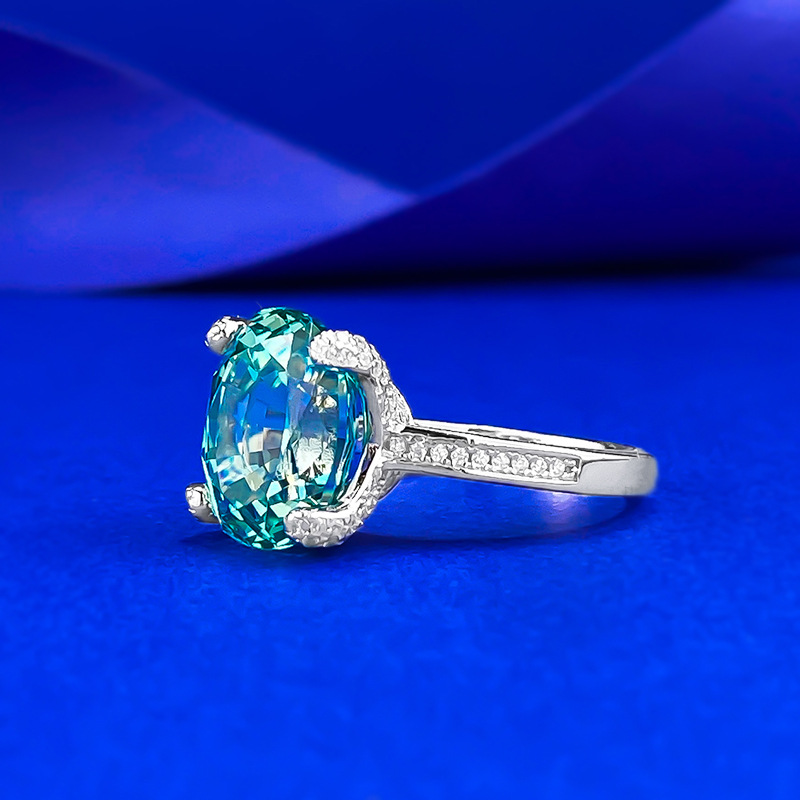
Bezel Setting vs Halo Setting: Which Diamond Style Fits You?
If you’re comparing bezel Setting vs Halo setting, you’re likely choosing between two very different looks. A bezel wraps the center stone in metal for a sleek, secure finish. A halo frames it with smaller diamonds for extra sparkle and a bigger face-up look. The better choice comes down to how you wear your jewelry and what you want to see every time you look at your hand.
Most shoppers narrow the choice down to five things: style, durability, sparkle, price, and day-to-day comfort. Our customers often tell us they want a ring that looks beautiful now and still feels right years later. That’s the real test.
The GIA notes that setting style affects both appearance and wearability, and many halo designs use dozens of small accent stones to build that bright, layered look. That means the setting matters just as much as the center diamond. If you’re weighing bezel setting vs halo setting, this guide breaks it down in plain language.
What Is a Bezel Setting?
A bezel setting uses a metal rim to hold the center stone in place. The metal follows the shape of the diamond and covers part of its edge. That creates a smooth outline and a very secure fit.
The look is clean and modern. It doesn’t shout for attention, but it has a quiet confidence that many buyers love. A bezel can also reduce snagging, which makes it a practical choice for people who work with their hands.
We’ve found that shoppers who want low-maintenance jewelry often lean toward a bezel. It’s a smart pick if you type all day, travel often, or just don’t want to worry about catching prongs on clothes. In the bezel setting vs halo setting debate, this is usually the practical option.
Bezels can be full or partial. A full bezel wraps all the way around the stone, while a partial bezel leaves small openings that show more of the diamond profile. Full bezels tend to feel more secure and modern; partial bezels can make the stone look lighter and slightly more open. Either way, the craft has to be precise. If the metal is uneven, the diamond can look crooked or sit too high.
For buyers comparing diamond specs, bezels often work especially well with stones that have crisp outlines and strong symmetry. Round brilliants are the easiest to bezel cleanly, but Oval, Emerald, Cushion, and asscher cuts can also look excellent when the proportions are right. When reviewing a loose diamond, look for strong polish, symmetry, and a shape that will still show nicely once the rim covers a small portion of the edge.
Why buyers choose a bezel setting
- Strong protection around the center stone
- Less snagging on fabric, hair, or gloves
- Easy to wear every day
- Modern, minimal style
- Good choice for active lifestyles
What to know before buying a bezel
- Choose a diamond with good face-up size, since the bezel can slightly reduce the visible outline
- Make sure the metal is thin enough to look refined, not bulky
- Check that the stone sits evenly inside the rim with no gaps
- Ask whether the bezel is hand-finished or cast, because finish quality changes comfort and durability
What Is a Halo Setting?
A halo setting places smaller diamonds around the center stone. The result is extra sparkle and a larger-looking center. Many halos use round, oval, cushion, or pear shapes to echo the main diamond.
This style has a brighter, more decorative feel. Under sunlight or candlelight, the small stones can catch light from several angles. That’s a big reason people Choose a Halo when they want more presence without moving up to a much larger center diamond.
A halo also changes the way the ring reads from a distance. A 1-carat center stone can often look larger once the halo is added. Industry sources like IGI and GIA both stress that visual size depends on the whole design, not just carat weight. In a bezel setting vs halo setting comparison, the halo usually wins on sparkle.
Halos are not one-size-fits-all. A single halo surrounds the center stone with one row of accents, while a double halo adds even more drama and width. Micro-pavé halos use very small diamonds for a fine, lace-like look, while larger halo stones can feel bolder and more vintage-inspired. The smaller the accent stones, the more important craftsmanship becomes, because tiny diamonds are more vulnerable to movement if the setting is loose.
When you compare halo designs, pay attention to how much of the ring is stone coverage versus metal. A halo can make a center diamond seem larger, but it can also make the whole ring face up wider. That matters if you have shorter fingers or want a lower profile under gloves. The best halo balances visual size with comfort so the ring still feels practical.
Why buyers choose a halo setting
- Makes the center stone look larger
- Adds sparkle from the surrounding diamonds
- Gives the ring a romantic, classic feel
- Works well for statement pieces
- Can boost visual impact without a huge jump in carat size
What to look for in a halo
- Even spacing around the center stone
- Matching diamond sizes for a clean outline
- Secure pavé or bead settings so accent stones stay in place
- A halo that complements the center shape instead of overwhelming it
Bezel Setting vs Halo Setting: Side-by-Side
Here’s the short version of bezel setting vs halo setting. A bezel focuses on protection and clean lines. A halo focuses on brilliance and visual size.
| Feature | Bezel Setting | Halo Setting |
|---|---|---|
| Look | Sleek, modern, minimal | Bright, ornate, eye-catching |
| Sparkle | Centers attention on the main stone | Adds sparkle around the center stone |
| Size effect | Clean but usually looks smaller | Often makes the center look larger |
| Protection | Very secure and low snag risk | Secure, but more exposed details |
| Care | Easier to clean | Needs more cleaning and checking |
| Best for | Daily wear, active hands, simple style | Glamour, romance, statement looks |
| Metal visibility | More visible metal edge | More diamond coverage |
| Cost | Often more streamlined | Can cost more because of added stones and labor |
Security is one of the biggest differences. A bezel covers more of the stone, so it tends to protect the edges better. A halo can still be well made, but it has more small parts that need care.
Price can go either way. A simple bezel may cost less because it uses fewer decorative elements. A halo can raise the price because it needs more stones and more labor. At the same time, a halo can be a smart value choice if you want the ring to look larger without paying for a much bigger center diamond.
The diamond itself matters too. Two rings with the same setting can look very different if one uses an excellent cut and the other uses a weaker cut. For most buyers, cut quality has the biggest impact on sparkle. If you’re shopping in the bezel setting vs halo setting range, start by looking at cut, then compare setting style, then look at overall budget.
Diamond Specs That Matter Most
When you compare rings, it helps to separate diamond quality from setting style. A beautiful halo cannot fully rescue a poorly cut stone, and a strong bezel won’t hide weak proportions. Buyers should focus on the fundamentals: Cut, Color, Clarity, and carat weight.
Cut is the top priority for sparkle. Round brilliants usually deliver the most fire and scintillation, while ovals, cushions, and pears can offer a softer look and more surface area per carat. If you want maximum brilliance in a halo, a well-cut round or oval is often the easiest place to start. In a bezel, emerald and asscher cuts can look especially elegant because the step-cut facets pair well with the clean metal outline.
Color affects how white or warm the diamond appears. In white metals like platinum or white gold, many shoppers like to stay in the near-colorless range, especially if the center stone is large or the halo uses very white accent diamonds. In yellow or rose gold, you may be able to choose a slightly lower color grade because the metal adds warmth and can mask subtle tint.
Clarity matters, but you do not always need perfection. Eye-clean diamonds often offer better value than high-clarity stones whose inclusions are only visible under magnification. For halos, keep in mind that a busy setting may make very minor inclusions easier to overlook, while a bezel can frame the stone in a way that draws attention to the center. Many buyers are comfortable in the VS2 to SI1 range if the stone is eye-clean, though this depends on the specific diamond and shape.
Carat weight is often the easiest spec to compare, but it can be misleading without checking millimeter measurements. Two 1-carat diamonds can look different depending on cut depth and table size. For bezel settings especially, face-up diameter can matter more than the number on the grading report. A well-proportioned stone may look larger than a heavier one with deep proportions.
Always ask to see the grading report from a trusted lab. GIA and IGI are the most familiar names for many shoppers, and both provide useful details about the stone. If you’re buying a natural diamond, ask for the certificate number and verify the report. If you’re buying a lab-grown diamond, look for the same transparency around measurements, growth type, and any treatments. A report does not replace visual inspection, but it helps confirm what you’re paying for.
Pros and Cons of Each Setting
Bezel setting pros
- Excellent stone protection
- Smooth edges that don’t snag as much
- Great for everyday wear
- Less upkeep than detailed settings
- Clean style that stays timeless
Bezel setting cons
- Shows less of the diamond from the side
- Usually has less sparkle than a halo
- Can make the center stone look a bit smaller
- Not the best choice if you want a flashy look
Halo setting pros
- Boosts sparkle right away
- Makes the center stone look bigger
- Gives the ring a more dramatic look
- Works well for engagement rings
- Comes in many shapes and styles
Halo setting cons
- More stones to clean
- More details to check over time
- Less protective than a full bezel
- Can feel busy if you prefer a simple look
If you’re stuck on bezel setting vs halo setting, think about what bothers you more: extra care or less sparkle. That one question usually points to the right answer.
Another useful way to think about it is daily friction. Do you work with your hands, lift weights, handle bags, or wear gloves often? A bezel handles that routine with fewer interruptions. Do you want the ring to double as a statement accessory at dinners, events, or photos? A halo often delivers more impact. Neither setting is universally better; they simply solve different problems.
Metal Choices and How They Change the Look
The metal you choose changes both the appearance and the long-term wear of the ring. Platinum is a favorite for durability and weight. It naturally develops a soft patina over time, which some people love and others prefer to polish away. It’s often a strong match for bezel settings because the metal border becomes part of the design.
14k white gold and 18k white gold are popular for both bezels and halos. Fourteen-karat gold is slightly harder and often more budget-friendly, while 18k has a richer color and a higher gold content. White gold usually requires rhodium plating to keep its bright finish, so factor in future maintenance. Yellow gold works beautifully in vintage-inspired halos and can soften the look of a bezel. Rose gold adds warmth and can make a halo feel romantic and slightly antique.
If you want the most durable everyday choice, ask about the thickness of the band and the setting walls, not just the metal type. A strong design in 14k gold can outperform a flimsy platinum ring if the structure is better made. For a halo, a sturdy head and secure stone seats matter more than the precious metal alone. For a bezel, even wall thickness and a refined edge are key to comfort.
Mixed-metal designs can also help. A white metal head with a yellow or rose gold band may reduce visible wear on the top where the stone sits while adding personality to the ring overall. This is especially useful if you want a halo to feel lighter or a bezel to stand out without looking too industrial.
Who Should Choose a Bezel or a Halo?
If you want a ring that feels secure and easy to live with, a bezel is a strong fit. It works well for professionals, parents, frequent travelers, and anyone who doesn’t want to fuss with their jewelry all day. It’s the setting you stop thinking about, which is exactly why many people like it.
If you want more shine and a bigger-looking center stone, a halo deserves a closer look. It’s a favorite for shoppers who want romance, brightness, and a ring that stands out fast.
Beyond personality, think about your schedule. If you remove jewelry before workouts, cooking, gardening, or hospital shifts, a halo may be perfectly manageable. If you want to leave your ring on most of the time, the bezel usually holds up better to daily bumps. Buyers who commute, travel often, or wear their ring while working on a laptop often appreciate a bezel because it stays out of the way.
Best fit by ring type
- Engagement rings: A halo is popular for extra sparkle, while a bezel gives a modern, secure feel. If you want to compare styles, explore our engagement rings.
- Everyday rings: A bezel usually works better for daily wear because it’s easier to maintain.
- Statement pieces: A halo can create a stronger visual effect, especially with oval, cushion, or pear cuts.
- Active lifestyles: A bezel is often the safer bet in the bezel setting vs halo setting decision.
- Gift jewelry: A halo feels more celebratory, while a bezel feels polished and understated.
Shape matters too. Round and oval diamonds often look especially bright in halos because the surrounding stones echo their curves. Emerald cuts and asscher cuts can look striking in bezel settings because the metal frame highlights their clean geometry. If you’re looking at lab-grown options, shop our lab-grown diamonds to compare shapes that work well in both settings.
Price Ranges and Value Tips
Budget is a major part of the decision. A bezel setting can be more cost-efficient because it uses less accent work and fewer small stones. That said, a very well-crafted bezel in platinum or with a custom gallery can still be expensive. A halo often costs more than a plain solitaire because of the extra diamonds and labor, but it can also save money by making a smaller center stone look more substantial.
For many Engagement Ring Shoppers, the sweet spot is a center diamond that balances size and quality instead of chasing the highest carat weight. For example, a 0.90 to 1.20 carat center stone with a well-made halo may visually compete with a much larger solitaire while staying within budget. In a bezel, the same carat weight may look a little more compact, so shoppers often prioritize millimeter spread and cut quality to maximize appearance.
If you’re trying to stretch your budget, compare natural and lab-grown diamonds side by side. Lab-grown stones often allow you to move up in size or color while keeping the same overall spend. That can make a halo especially attractive if you want a higher visual impact. Just be sure the setting quality is still strong, because a lower diamond price should not lead to weaker craftsmanship.
Price also depends on how much hand finishing is involved. Shared-prong halos, custom-shaped halos, and tapered bezels require more labor than simple mass-produced styles. Ask whether the ring is made to order, whether the accent stones are natural or lab-grown, and whether the center diamond already includes certification. Transparent pricing helps you compare rings more fairly.
How to Size and Fit the Ring
Ring size matters more than many buyers expect. A bezel can sometimes feel slightly more substantial on the finger because the metal wraps the stone, while a halo can feel wider across the top. That does not mean one is uncomfortable by default, but it does mean you should test the fit carefully.
If your ring has a wider top, you may need to size up a quarter or half size for comfort, especially if the band is also wide. Your finger shape, temperature, and knuckle size all affect fit. Some shoppers need a snugger size for a bezel because the smooth edges make the ring feel easier to wear, while others prefer a slightly looser fit to account for swelling.
For brides and buyers who wear rings all day, ask about sizing Options Before You order. Some halo rings can be resized later, but very intricate pavé areas or full eternity bands can limit how much adjustment is possible. A bezel with a simple shank is usually easier to resize, though that depends on the overall construction.
Measure your finger at the end of the day when it is naturally a bit larger. If you plan to stack bands, bring that up before purchase so the ring can be designed with enough clearance. A good fit should slide over the knuckle with some resistance and sit comfortably without spinning too much. If you’re unsure, use our ring size guide Before You Buy.
Care, Cleaning, and Long-Term Maintenance
A bezel is usually easier to maintain because it has fewer exposed details. Cleaning often takes just warm water, mild soap, and a soft brush. A halo needs the same gentle approach, but the tiny stones and bead settings around the center may trap lotion, soap, and dust more easily. That can dull the sparkle faster if you never clean it.
Ultrasonic cleaners can work for some rings, but not every setting is a safe candidate. If your halo has delicate pavé or if your diamond has inclusions, fractures, or treatments that make it sensitive, check with the jeweler first. Heat and vibration are not ideal for every stone or every build. For most buyers, a soft toothbrush and a bowl of soapy water are enough for routine upkeep.
Have the prongs, bezel edge, and accent stones inspected periodically. A halo has more tiny points of failure, so small issues should be caught early. A bezel should be checked for even coverage and any metal wear along the rim, especially if the ring is worn frequently. White gold halos may need replating over time, while platinum and yellow gold may show wear differently.
If you work in a hands-on job, consider removing the ring for heavy lifting, cleaning with chemicals, or sports. Even a strong setting can be stressed by repeated impact. A good habit is to store the ring in a soft pouch or lined box rather than tossing it loose into a bag or drawer. That simple step protects both the center stone and any side stones.
Shipping, Returns, and Buying Online
Buying online can give you more selection and better price comparison, but the policies matter. Before You Order, check shipping speed, insurance coverage, return windows, and whether the ring is eligible for resize or exchange. A strong return policy is especially helpful if you are deciding between bezel setting vs halo setting and want to see which feels right in person.
Look for secure shipping with tracking and signature confirmation. Fine jewelry should be insured during transit. If the piece is custom-made, ask whether production starts immediately or after final confirmation of the diamond. Some retailers allow you to preview the stone certificate and final design before shipment, which is useful when you want to verify proportions.
Return terms vary widely. Some sellers offer 30 days, while custom work may be final sale or carry a restocking fee. Read the fine print on made-to-order pieces, especially if you are selecting a particular halo shape or bezel width. Confirm whether the return applies to the full ring, the center diamond, or both. If you are gifting the ring, ask about rush processing and sizing turnaround so you are not surprised later.
Clear communication is part of value. A retailer that answers questions about measurements, stone quality, and setting construction is usually easier to trust than one that only lists carat weight and a pretty photo. Ask for side views, exact millimeter dimensions, and close-up images of the setting if they are available. Those details matter more than polished marketing language.
Common Mistakes to Avoid
One of the biggest mistakes is shopping by carat weight alone. A poorly cut diamond can look smaller and duller than a well-cut stone with a slightly lower weight. This is especially important in a halo, where the center diamond and accent stones work together. It also matters in a bezel, where shape and spread influence how much of the stone you actually see.
Another mistake is choosing a setting that does not match your lifestyle. A delicate halo can be beautiful, but it may not be the best choice if you lift weights, work around machinery, or rarely take your ring off. On the other hand, some buyers choose a bezel because they expect a minimal look, then later realize they wanted more sparkle all along. Start with how you live, not only how the ring looks in photos.
Shoppers also overlook metal color. A warm center stone can look better in yellow or rose gold, while a bright white stone often looks crisp in platinum or white gold. Halo rings especially need thoughtful metal pairing because the metal changes the contrast around the center. For bezels, a heavy-looking rim can overwhelm the diamond if the proportions are not balanced.
Finally, do not ignore the tiny stones in a halo. Accent diamonds should be well matched, secure, and cleanly set. A halo with uneven melee or weak bead work will not age well. If the setting looks too thin or the stones are rattling, keep looking.
How to Choose the Right Setting
The best way to choose is to ask three simple questions: How will I wear it? How much care do I want to give it? What do I want to notice first? Those answers make the bezel setting vs halo setting choice much easier.
Choose a bezel if you want durability, comfort, and a crisp modern look. Choose a Halo if you want more sparkle and a larger visual size. If you like both ideas, you can also look at hybrid styles, such as a bezel-set center stone with diamond accents in the band.
Craftsmanship matters just as much as design. A bezel should fit the stone evenly so it looks intentional, not bulky. A halo should have even spacing, secure tiny stones, and clean edges. In other words, the setting is only as good as the work behind it.
GIA and IGI both note that setting style changes how a diamond looks and wears over time. That matches what we see every day: the best choice is the one that fits your routine, not just your mood.
If you want a simple rule, here it is. For daily comfort and protection, the bezel usually wins. For brilliance and size, the halo usually wins.
For more help, browse our jewelry collection or use our ring builder to compare styles side by side Before You Buy.
Quick Decision Guide
Still torn on bezel setting vs halo setting? Use this fast check.
- Pick a bezel if you want low maintenance, fewer snag risks, and a sleek finish.
- Pick a halo if you want more sparkle, a bigger-looking diamond, and a dressier feel.
- Pick a hybrid if you want some of both.
A simple question can settle it: do you want the ring to disappear into your routine, or do you want it to catch the eye every time you move your hand?
FAQ: Bezel Setting vs Halo Setting
Is a bezel setting more secure than a halo setting?
Yes, usually. A bezel setting surrounds more of the center stone, so it offers stronger protection against knocks and snags. A halo can still be secure, but it has more small parts and less coverage around the center diamond. In the bezel setting vs halo setting comparison, security tends to favor the bezel.
Does a halo setting make a diamond look bigger?
Yes, it often does. The small diamonds around the center stone widen the overall face-up view, so the ring can look larger than the center carat weight suggests. That’s one of the main reasons people Choose a Halo when they want more presence. It’s a smart option if sparkle and size matter most.
Which is better for everyday wear: bezel setting or halo setting?
A bezel setting is usually better for everyday wear. It’s smoother, more protective, and less likely to catch on clothing or hair. A halo can be worn daily too, but it often needs a little more cleaning to keep the accent stones bright. If you live in your jewelry, the bezel is often easier.
Is a bezel setting less sparkly than a halo setting?
Generally, yes. A bezel gives you a clean frame around the center stone, while a halo adds more reflected light with surrounding diamonds. If you want the ring to flash from across the room, the halo usually delivers more of that effect. If you want a quieter look, the bezel is the better fit.
What is the best setting for a lab-grown diamond: bezel or halo?
Both work well with lab-grown diamonds. The better choice depends on your style and how you plan to wear the ring. A bezel fits a modern, practical buyer, while a halo suits someone who wants a brighter, larger-looking stone. If you’re unsure, contact our jewelry experts for one-on-one help.
Is bezel setting vs halo setting better for engagement rings?
It depends on what matters most to you. A halo gives the ring more sparkle and helps the center stone look bigger, which is why many couples love it for engagement rings. A bezel gives a sleek, secure look that’s ideal for daily wear. For most buyers, the right answer comes down to lifestyle and personal taste.
Shop the Setting That Fits Your Life
If you want a ring that feels secure and simple, start with a bezel. If you want more brilliance and a larger-looking center stone, go with a halo. The best bezel setting vs halo setting choice is the one that fits your routine, your budget, and the way you want the ring to feel on your hand.
Ready to compare styles? Explore our engagement ring collection, check your fit with our ring size guide, or read more on our blog for more diamond tips Before You Buy.
Ready to Find Your Perfect Diamond?
Explore our collection of certified lab-grown diamonds
Shop Diamonds