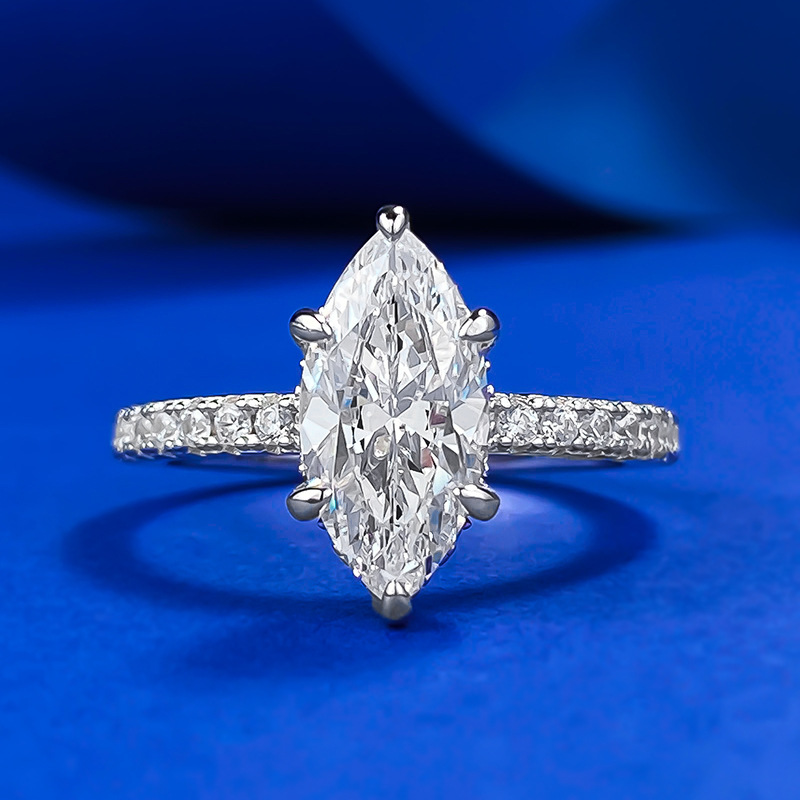
Best Ring Settings for Everyday Wear: Comfort, Security, and Care
The best Ring Settings for Everyday wear need to do more than sparkle in a jewelry case. They have to feel good while you type, wash your hands, put on gloves, carry groceries, travel, and move through a normal day. A ring that looks perfect online can still snag on a sweater or feel top-heavy by lunch.
Setting style plays a major role in daily comfort. It controls how high the stone sits, how protected the edges are, how easy the ring is to clean, and how often it may need a jeweler’s check. The best Ring Settings for Everyday wear balance beauty with comfort, security, and realistic care.
At StoneBridge Jewelry, customers often start with sparkle but make the final choice based on feel. That’s the right instinct. A ring should look beautiful in photos and feel natural on your hand every day.
What Makes a Ring Setting Comfortable for Daily Wear?
Comfort starts with profile, balance, and finish. A lower setting usually catches less on sleeves and gloves. A balanced ring sits upright instead of spinning around the finger. Smooth edges matter too, especially around prongs, galleries, halos, and side stones.
The best Ring Settings for Everyday wear usually avoid sharp details and extreme height. They also leave enough metal in the band to support the stone. Many engagement ring bands feel wearable around 1.8 mm to 2.5 mm wide, though the right width depends on finger size, stone size, metal, and design.
For a daily-wear engagement ring, a band under about 1.6 mm can look airy but may be more prone to bending, especially in pavé or soft metal designs. A 2.0 mm band is often a practical starting point for a center diamond between 1 and 2 carats. Larger stones, elongated shapes, and high settings may need a wider or more structured shank to keep the ring from twisting.
GIA notes that diamond durability depends on hardness, toughness, and stability. Diamonds rank 10 on the Mohs hardness scale, but they can still chip if a pointed corner or thin girdle takes a hard hit. A well-designed setting helps protect those vulnerable edges.
Quick Comfort Checks Before You Buy
Try a ring the way You’ll Actually Wear it. Type for a minute. Slide on a jacket. Reach into a bag. If you plan to stack a wedding band, test both rings together.
Check these details before deciding:
- Profile height: Lower profiles usually work better for active hands.
- Stone security: Prongs should touch the stone evenly, with no lifted tips.
- Edge smoothness: The ring shouldn’t scratch, pinch, or catch.
- Band feel: Very thin bands may feel delicate, while very wide bands may feel tight.
- Cleaning access: Open designs are often easier to brush clean at home.
For the best ring settings for everyday wear, comfort isn’t a bonus. It’s part of the design.
Best Ring Settings for Everyday Wear: Side-by-Side Comparison
There isn’t one perfect setting for everyone. The best ring settings for everyday wear depend on your job, hobbies, hand use, preferred sparkle, and cleaning habits. A nurse may love a bezel. A minimalist may choose a low solitaire. Someone who wants more shine may prefer a halo or pavé band with regular care.
Use this quick comparison as a starting point:
| Ring setting | Comfort | Security | Cleaning ease | Snag risk | Best for |
|---|---|---|---|---|---|
| Solitaire | High if low-set | Good with solid prongs | Easy | Low to moderate | Classic daily wear |
| Bezel | Very high | Excellent | Easy to moderate | Very low | Active lifestyles |
| Channel | High | Very good | Moderate | Low | Bands and accent stones |
| Halo | Moderate to high | Good if well made | Moderate | Moderate | Bigger visual presence |
| Pavé | Moderate | Craftsmanship-dependent | More involved | Moderate | Extra sparkle |
| Three-stone | Moderate to high | Good with secure prongs | Moderate | Moderate | Symbolic styles |
| Cathedral | Varies by height | Good with strong build | Moderate | Moderate | Elegant structure |
| Tension | Varies | Needs precise engineering | Easy to moderate | Low to moderate | Modern designs |
Professional inspections every 6 to 12 months are a smart habit for frequently worn fine jewelry, especially rings with prongs, halos, pavé, or side stones. Daily wear exposes jewelry to soap, lotion, pressure, and small impacts.
Solitaire Settings for Simple Comfort
A solitaire setting keeps the focus on one center stone. It’s clean, timeless, and easy to maintain. With fewer accent stones, there are fewer tiny prongs to inspect and fewer spaces where lotion or soap can collect.
A low-profile solitaire is one of the best ring settings for everyday wear because it keeps the stone closer to the finger. Four prongs give a lighter look, while six prongs can add security and symmetry for round diamonds. The best choice depends on the stone shape and how active your hands are.
Solitaire rings also pair well with many wedding bands. If you want a ring that works alone now and stacks later, this setting stays flexible.
When choosing a solitaire, pay close attention to prong style. Rounded prongs feel soft and traditional. Claw prongs can make a diamond look crisp, but they should be finished smoothly so the tips do not catch. For elongated shapes such as oval, pear, marquise, and emerald cuts, ask whether the setting uses protective end prongs, V-prongs, or additional corner support.
Bezel Settings for Active Hands
A bezel setting wraps a metal rim around the stone’s edge. That rim helps protect the girdle and reduces snagging. For hands-on routines, it’s hard to beat.
The best ring settings for everyday wear often include bezel designs because they feel smooth and secure. They’re especially helpful for pear, marquise, princess, and emerald cuts, which have corners or points that benefit from extra protection.
Bezel settings have a distinct look. A bezel shows a little less of the stone’s outer edge than prongs do. Some shoppers love the sleek frame, while others prefer a more open design.
A full bezel gives the most protection, while a half bezel leaves more of the stone visible from the sides. If brilliance is your top priority, compare the exact design rather than assuming all bezels look the same. A well-cut diamond in a clean bezel can still look bright, especially when the setting is proportioned to avoid covering too much of the crown.
Channel Settings for Low-Snag Sparkle
A channel setting holds small stones between two metal walls. The surface feels smoother than many exposed-prong accent styles, so it’s a practical choice for wedding bands and everyday rings.
Channel settings offer shine without too much texture. A partial channel is often easier to resize than a full eternity band because stones don’t wrap all the way around. Cleaning takes a little care, since buildup can settle between stones.
For buyers who want accent diamonds with lower snag risk, channel styles are among the best ring settings for everyday wear.
Ask whether the channel stones are calibrated and evenly seated. Uneven stones can collect debris, wear against each other, or create small raised edges. For an engagement ring that may need future resizing, a half or three-quarter channel design is usually more practical than stones set all the way around the band.
Decorative Ring Settings That Can Still Work Daily
Decorative ring settings can be worn every day, but they need honest expectations. More stones mean more contact points. More tiny prongs mean more places to check. That doesn’t make them impractical; it just means they ask for more care.
If you love sparkle, choose sturdy construction over extreme delicacy. Ask how often the ring should be inspected, whether resizing is simple, and how to clean the setting at home. You can compare finished styles in our engagement ring collection or test combinations with our ring builder.
Halo Settings for Bigger Visual Size
A halo setting frames the center stone with smaller stones. It adds brightness and can make the center stone look larger. For shoppers comparing carat sizes, this can be a smart way to get more finger coverage.
A low halo can be one of the best ring settings for everyday wear if the outer edge feels smooth and the small stones are secure. A tall halo may catch on hair, gloves, or knitwear. Look closely at the profile, not just the top view.
Halo settings need regular cleaning. They also benefit from inspections every 6 to 12 months because each small stone has its own setting points.
For better daily wear, look for a halo that sits tight to the center stone rather than leaving a visible gap. A tight halo is easier to clean and usually looks more refined. If you choose a cushion, pear, or oval halo, check the outline for symmetry because small differences are more noticeable once the halo frames the center diamond.
Pavé Settings for Fine Sparkle
A pavé setting uses tiny diamonds set closely along the band. The look is bright, delicate, and romantic. It’s popular because it adds sparkle without changing the center stone.
For everyday wear, pavé depends heavily on craftsmanship. The stones should sit evenly, and the band should have enough metal to support them. Very thin pavé bands look refined, but they may not suit people who lift weights, work with tools, or handle luggage often.
Half pavé can be a practical middle ground. You get sparkle across the top while keeping more plain metal on the palm side, where wear is usually heavier.
Micro-pavé needs the most careful expectations because the stones and beads are very small. If one tiny diamond loosens, it may not be obvious at first. Before buying, ask whether small accent stone replacement is covered for a period of time, whether the ring can be resized, and whether the pavé extends past the point where the ring naturally rubs against the sides of nearby fingers.
Three-Stone Settings for Balance and Meaning
A three-stone setting features a center stone with one side stone on each side. Many people choose it to represent past, present, and future. It also gives more presence than a solitaire without using a full halo.
For comfort, proportions matter. Side stones shouldn’t rub against nearby fingers, and the setting shouldn’t sit too high. Secure prongs or protective metalwork are key.
A well-proportioned three-stone ring can be one of the best ring settings for everyday wear when it feels balanced on the hand.
Side-stone shape affects both comfort and durability. Tapered baguettes create a sleek, low-profile look, but their corners need careful setting. Pear or trillion side stones can add drama, though pointed tips should be protected. If you want a softer everyday feel, round or oval side stones often reduce sharp edges and make the ring easier to pair with a wedding band.
Specialized Settings: Cathedral and Tension Styles
Cathedral and tension styles have a more architectural look. They can be beautiful, but they deserve a closer fit and service conversation before purchase. Height, metal strength, and repair options matter here.
A cathedral setting uses raised shoulders to support the center stone. A tension setting uses pressure, or a pressure-like look with hidden support, to hold the stone. Both styles can work well, but they leave less room for guesswork.
Cathedral Settings With Lower Profiles
A cathedral setting lifts the center stone with arches of metal. It can make a ring look elegant and structured without adding extra stones. The main question is height.
Lower cathedral settings can be comfortable for daily wear. Taller versions may catch more often on sleeves, blankets, or gloves. If you want a flush wedding band, test the pairing Before You Buy.
Choose smooth arches and a sturdy band. That combination gives you structure without making the ring feel fussy.
Cathedral shoulders can also help visually transition from the band into a larger center stone. That added support is useful, but it may limit how close a straight wedding band can sit. If a gap bothers you, ask about a matching band, a curved band, or a lower cathedral design before committing.
Tension Settings and Service Limits
A true tension setting uses metal pressure to hold the stone. It creates a clean, modern look, but it requires precise engineering. Metal choice, stone measurements, and manufacturing tolerances all matter.
Resizing may be limited or more complex than it is with traditional ring settings. Ask about service policies before you commit. If you like the look but want extra peace of mind, consider a tension-style design with hidden support.
IGI and GIA grade lab-grown diamonds using established factors such as carat weight, color, clarity, and cut. Whether your diamond is lab-grown or mined, the setting still needs to protect it well.
Diamond Specs That Matter for Everyday Rings
The setting protects the diamond, but the diamond’s own proportions matter too. For daily wear, shoppers often focus on carat weight first. Carat affects size and price, but shape, cut quality, girdle thickness, and certification can be just as important for a ring worn every day.
For round diamonds, prioritize cut grade because cut has the biggest impact on brightness. Many buyers choose GIA or IGI graded diamonds in the Excellent or Ideal range, depending on the grading lab and available inventory. For fancy shapes such as oval, emerald, radiant, pear, and cushion, review measurements, depth, table, symmetry, and video because these stones do not receive the same simple cut grade from every lab.
Color and clarity choices should match the setting metal and your preferences. In white gold or platinum, many shoppers prefer diamonds around G to I color for a balanced mix of value and whiteness, while higher color grades may appeal to those who are color-sensitive. In yellow or rose gold, slightly warmer diamonds can still look beautiful because the metal naturally adds warmth. For clarity, VS2 to SI1 can be a strong value range if the diamond is eye-clean; for lab-grown diamonds, many buyers step into VS or VVS grades because price differences are often smaller.
Certification is not a decorative detail. A grading report from a respected lab such as GIA or IGI confirms the diamond’s key characteristics and helps you compare prices fairly. Make sure the report number matches the stone, and ask whether the diamond is laser-inscribed. For center stones, especially over 0.50 carat, buying without a grading report makes comparison harder and resale or insurance documentation weaker.
Metal Choices for Daily Wear
Metal choice affects durability, maintenance, color, and price. The same setting can feel different in 14k yellow gold, 18k white gold, platinum, or rose gold. Choose the metal for your lifestyle as much as for your skin tone.
Platinum is dense, naturally white, and popular for engagement rings. It develops a soft patina over time rather than losing metal in the same way gold can when scratched. It is often more expensive upfront, but it is a strong choice for prongs and heirloom-minded designs.
14k gold is a practical daily-wear option because it contains more alloy than 18k gold, which can make it more resistant to bending and scratching. 18k gold has a richer gold content and a slightly softer feel, which many people love for fine jewelry. White gold is usually rhodium-plated to achieve a bright white finish, so it may need replating over time, often every 1 to 3 years depending on wear.
Rose gold gets its color from copper alloys and can be durable for daily wear, though it may not suit everyone with copper sensitivity. Yellow gold hides warmth in a diamond well and shows less contrast when tiny scratches appear. If you work with your hands, ask whether the setting uses platinum prongs with a gold band, which can combine the look of gold with extra stone-holding strength.
Budget, Price Ranges, and Value Tradeoffs
Everyday wear does not always mean the most expensive setting. It means the right engineering for the ring’s purpose. A simple solitaire setting may cost less than a pavé, halo, or three-stone setting because it uses fewer stones and requires less detail work. That lower price can leave more budget for the center diamond or a stronger metal choice.
As a general buying guide, plain solitaire settings often start lower than decorative styles, while pavé, halos, three-stone rings, and custom designs rise with metal weight, accent diamond quality, and labor. Platinum usually costs more than 14k gold. Full eternity bands cost more than half bands and can be harder to resize. Very intricate hidden halos or micro-pavé details may look small in photos but add meaningful labor and future maintenance.
If you are balancing budget and durability, spend first on the parts that affect everyday use: secure prongs, adequate band width, a reputable diamond report, and a setting that fits your routine. A slightly smaller well-cut diamond in a sturdy setting is often a better daily ring than a larger stone in a setting that feels fragile or sits too high.
How to Choose the Best Ring Settings for Everyday Wear
Start with your real routine. Do you wear gloves at work? Do you travel often? Do you cook, lift weights, garden, or care for young children? Your answers should shape the setting.
For active hands, a bezel, low solitaire, or channel setting is usually the safest place to start. For more sparkle, look at a low halo, half pavé, or three-stone design with sturdy prongs. For minimal care, keep surfaces smooth and avoid overly delicate details.
Explore lab-grown diamonds once you know the setting style you like. If you’re still browsing gift or band options, our fine jewelry collection can help you compare daily-wear designs beyond engagement rings.
Sizing, Fit, and Stacking
Fit can make a secure setting feel uncomfortable if the size is wrong. Fingers change with temperature, salt intake, exercise, pregnancy, travel, and time of day. Measure when your hands are at a normal temperature, and avoid sizing immediately after a workout or when your fingers are unusually cold.
Wider bands usually feel tighter than narrow bands, so a wide wedding band may need a slightly larger size than a slim engagement ring. If you plan to wear two or three rings together, test the stack as a set. Stacked rings take up more finger space and can create pressure near the knuckle.
Spinning is another common issue. A ring may spin because it is too large, because the center stone is heavy, or because the finger is narrower at the base than at the knuckle. Sizing beads, a Euro shank, or a slightly wider band can sometimes help keep the ring upright without making it difficult to remove.
Everyday Wear Care Tips
Even the best ring settings for everyday wear need basic care. Clean your ring with warm water, mild dish soap, and a soft brush. Skip bleach, abrasive cleaners, and harsh chemicals.
Remove fine jewelry before heavy lifting, swimming, gardening, rock climbing, or cleaning with strong products. Take it off before applying thick lotion, sunscreen, or self-tanner if buildup is a problem.
Book a professional check every 6 to 12 months for daily-wear rings. If you notice a loose stone, bent prong, rough edge, or sudden spinning, stop wearing the ring until a jeweler inspects it.
At home, clean over a bowl rather than an open sink drain. Let the ring soak for a few minutes, brush gently behind the stone and under the gallery, rinse carefully, and dry with a lint-free cloth. Ultrasonic cleaners can loosen stones in pavé, antique, treated, or already-damaged settings, so ask a jeweler before using one.
Shipping, Returns, and Insurance Questions
Before ordering a daily-wear ring online, review the shipping and return details with the same care you give the diamond specs. Look for insured shipping, signature confirmation, secure packaging, and a clear delivery window. If the ring is made to order, confirm the production timeline before planning a proposal or event.
Return and resize policies matter because comfort is hard to judge from photos alone. Ask whether custom settings, engraved rings, resized rings, or special-order diamonds are returnable. Confirm how many days you have to inspect the ring, whether return shipping is insured, and whether the jeweler offers one complimentary resize.
For higher-value rings, arrange insurance as soon as the ring ships or arrives. An appraisal or detailed receipt should list the metal, diamond report number, carat weight, setting style, and any accent stones. Insurance does not replace careful wear, but it protects you from the financial shock of loss, theft, or serious damage.
Common Buying Mistakes to Avoid
Don’t choose only from the top-view photo. Side profile affects comfort, snag risk, and how the ring feels under gloves. A setting that looks low from above may sit much higher than expected.
Don’t pick an ultra-thin band just because it looks dainty. Thin bands can work, but they need enough strength for the stone size and your lifestyle. Also, don’t ignore resizing limits, especially with full eternity, channel, and tension styles.
Don’t assume every “secure” setting is equally durable. A poorly finished bezel can still trap dirt or look bulky. A six-prong setting can still fail if the prongs are thin or uneven. Pavé can be reliable when well made, but it is not the best choice for someone who never wants maintenance.
Another common mistake is choosing a setting before choosing the diamond shape. A setting made for a round brilliant may not properly protect a pear, marquise, princess, or emerald cut. Match the prong layout, basket, and measurements to the actual stone, not just the carat weight.
If you’re unsure about fit, read our ring size guide before ordering. A better fit improves comfort and helps keep the ring from spinning.
The Everyday-Wear Verdict
The best ring settings for everyday wear are comfortable, secure, and easy enough to care for in real life. Bezel settings offer the most protection and the lowest snag risk. Solitaire settings are classic and simple to clean. Channel settings give smooth accent sparkle.
Halo, pavé, three-stone, cathedral, and tension settings can also work when they’re built well and matched to your routine. The right ring should feel like it belongs on your hand, not like something you have to protect every minute.
If you want help comparing the best ring settings for everyday wear, start with your lifestyle first and your sparkle level second. That order usually leads to a ring you’ll enjoy longer.
Ready to Find Your Perfect Diamond?
Explore our collection of certified lab-grown diamonds
Shop Diamonds