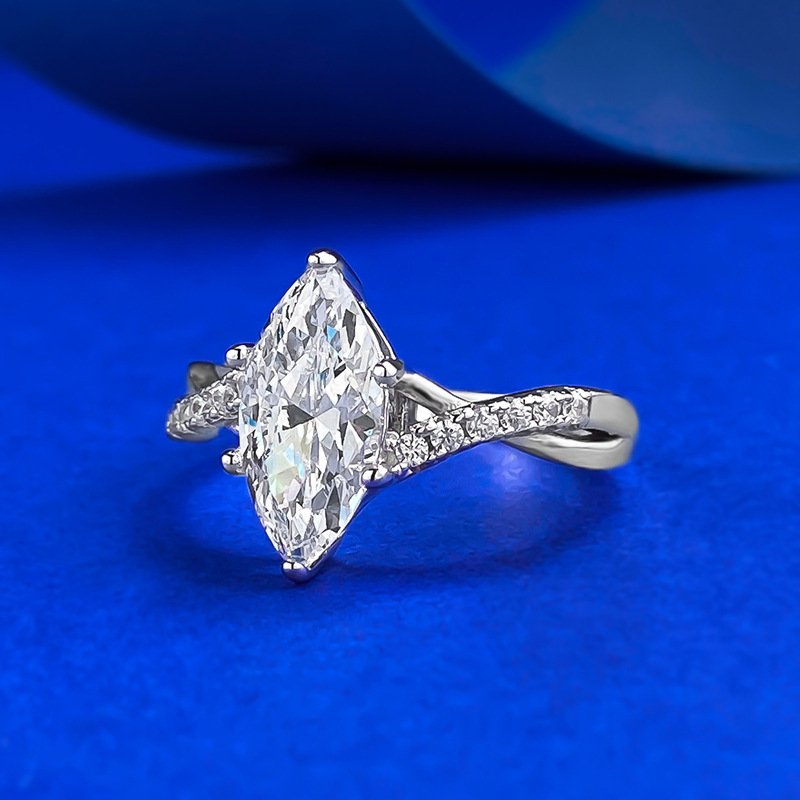
Best Ring Settings for Everyday Wear: Comfort, Beauty, and Durability
Choosing the best Ring Settings for Everyday wear matters more than many shoppers expect. A ring can look perfect in a display case and still feel bulky, catch on clothing, or need frequent repairs once it becomes part of daily life. The right setting balances beauty, comfort, and durability so the ring feels easy from morning to night.
A setting controls how the stone sits, how much of it is exposed, how easily the ring snags, and how simple it is to clean. The same diamond can feel very different in a bezel setting, solitaire setting, pavé setting, or halo setting. Some ring settings are built for sparkle. Others are built for protection. Which one fits your life best? That depends on your hands, your routine, and how much upkeep you want.
This guide compares the best Ring Settings for Everyday wear in plain language. You’ll see which styles work best for active days, office wear, and low-maintenance ownership, plus how to compare comfort and durability Before You Buy.
Why Ring Settings Matter for Everyday Wear
A ring setting is the structure that holds the center stone or stones in place. It affects more than the look. It also shapes how protected the stone is, how the ring feels on your hand, and how much care it will need over time.
Daily wear creates a very different set of demands than occasional jewelry. Rings meet keyboards, steering wheels, gym equipment, handbags, soaps, and constant hand movement. Even small bumps add up over time. A high-profile ring may snag on sweaters. Tiny accent stones may loosen. Sharp edges can feel irritating after a long day.
According to GIA care guidance, routine inspection helps catch loose stones and worn prongs before damage happens. That matters even more for ring settings with multiple stones or raised profiles. We’ve also found that customers who wear their rings every day tend to prefer simpler settings after a few months, especially if they type a lot or work with their hands.
Here’s what changes with everyday use:
- More contact with surfaces: Rings get bumped, tapped, and rubbed constantly.
- More exposure to chemicals: Lotion, sanitizer, soap, and cleaning products can affect finish and buildup.
- More movement: Busy hands raise the chance of snagging and abrasion.
- More long-term stress: Tiny shifts in a setting can build up over months and years.
If you’re comparing ring settings, the real question isn’t only “What looks best?” It’s also “What still feels good after hours of wear?” That’s the real test of the best Ring Settings for Everyday wear.
What Makes a Ring Setting Comfortable and Durable?
Comfort and durability go together. A ring that feels great but wears down fast can become expensive to maintain. A sturdy ring that feels awkward may end up in a jewelry box. The best ring settings for everyday wear handle both well.
Comfort factors to look for
Profile height matters first. Low-profile ring settings sit closer to the finger and are less likely to catch on fabric or tools. Higher settings can look dramatic, but they usually add snag risk for daily wear.
Prong placement also affects comfort. Prongs that are smooth, even, and not too long feel better and snag less. A good prong should hold the stone firmly without feeling sharp.
Band width changes how the ring balances on the hand. Narrow bands can feel delicate, while medium bands often give more stability for everyday wear. Very thin bands may feel less secure if you stack rings or wear a larger center stone.
Edge finishing matters more than many shoppers expect. Rounded edges and polished interiors feel easier on the skin. Sharp transitions can dig in during typing, lifting, or repetitive hand work.
Durability factors to look for
Stone security is essential. The best ring settings for everyday wear keep the center stone stable and protect accent stones from extra exposure.
Metal support affects how well the ring resists bending and wear. Platinum and 14k gold are common everyday choices because they offer a strong mix of durability and value. 18k gold has richer color, but it can show wear a bit sooner than 14k in some settings.
Resistance to snagging helps the ring survive daily activity with less damage. Smooth, closed, or low-profile designs usually perform better.
Ease of cleaning matters too. A setting with fewer hard-to-reach spaces is easier to maintain. Highly detailed settings can collect lotion and debris more quickly, which can dull sparkle over time.
Lifestyle changes the choice as well. If you use your hands constantly, cook often, work in healthcare, train regularly, or stack multiple rings, your ideal ring settings should focus on stability and low friction. Someone who wants a single elegant ring for office wear may accept a little more height or detail. Someone with a more active routine may prefer the most protective ring settings for everyday wear.
Best Ring Settings for Everyday Wear: Pros, Cons, and Best Uses
The best ring settings for everyday wear are not always the flashiest ones. They’re the settings that hold up well, feel comfortable, and fit your routine. Here’s a practical comparison of the most common ring settings for daily use.
| Setting | Everyday Wear Strengths | Possible Drawbacks | Best For |
|---|---|---|---|
| Bezel setting | Excellent protection, smooth profile, low snag risk, easy to clean | Can slightly reduce visible stone size and light return | Active lifestyles, minimal maintenance, frequent hand use |
| Solitaire setting | Clean look, timeless style, easy to inspect and maintain | Depends heavily on prong quality and profile height | Classic buyers, people who want simplicity |
| Halo setting | Strong sparkle, can make the center stone look larger | More small stones, more cleaning, can sit higher | Fashion-forward wearers, sparkle lovers |
| Pavé setting | Delicate shine, elegant detail, stylish for stacking | Small stones can loosen with wear, needs regular checks | Dressier daily wear, lower-impact routines |
| Channel setting | Protected side stones, smooth edges, practical design | Less visual openness than pavé | Busy professionals, ring stacks, low snag preference |
| Three-stone setting | Symbolic, balanced look, strong presence | Wider surface area, more exposed points | Wearers who want meaning and style together |
| Tension setting | Modern, dramatic appearance | Stone exposure can be higher, not ideal for all routines | Style-first buyers with careful habits |
| Cathedral setting | Elegant lift and architectural look | Higher profile may catch more easily | Those who want height and a refined silhouette |
Bezel setting: one of the strongest choices for daily life
A bezel setting is often one of the best ring settings for everyday wear because the metal rim surrounds part or all of the stone. That extra protection reduces the chance of chipping and helps the ring feel smoother against the hand.
Why shoppers like it:
- Very low snag risk
- Strong stone security
- Clean, modern look
- Good for active routines and frequent wear
- Easy to wipe clean
Why some shoppers pass:
- The stone can appear slightly smaller
- Light return may feel less open than in prong settings
- The style reads more modern than classic
A bezel setting works especially well for people who want comfort and peace of mind. If you use your hands a lot, it’s one of the most practical ring settings for everyday wear.
Solitaire setting: simple, timeless, and easy to live with
A solitaire setting remains one of the most popular ring settings because it’s understated and versatile. It usually features one center stone on a plain band, which keeps the look clean and elegant.
Pros:
- Easy to clean and inspect
- Minimal design suits many styles
- Pairs well with stacking bands
- Can feel lighter on the hand
- Works across many stone shapes
Cons:
- Prong quality matters a lot
- A higher solitaire can catch on sleeves
- Less protective than a bezel or channel design
For everyday wear, a solitaire setting is a strong choice if it has a low or moderate profile and well-finished prongs. It’s a solid pick for shoppers who want a classic ring that won’t feel overly ornate.
Halo setting: high sparkle with a little more maintenance
A halo setting surrounds the center stone with smaller accent diamonds, creating extra sparkle and the look of a larger center stone. It’s eye-catching, which is why many shoppers still love it.
Pros:
- Strong brilliance and visual size
- Can make a center stone appear larger
- Elegant, romantic style
Cons:
- More small stones mean more maintenance
- Can sit higher depending on the design
- May need periodic inspection for loose accent stones
Can a halo setting work for daily wear? Yes, it can. It suits people who are comfortable with regular cleaning and occasional professional checks. If you want sparkle first and maintenance second, a halo setting can still be a smart choice among ring settings for everyday wear.
Pavé setting: beautiful, but it needs attention
A pavé setting uses many tiny diamonds set closely together along the band or across the ring surface. The result is a glittering, refined look that many shoppers love.
Pros:
- Excellent sparkle
- Elegant and luxurious appearance
- Great with engagement rings and stacking rings
Cons:
- Small stones can loosen over time
- Harder to clean than simpler settings
- Not the best for rough daily handling
Are pavé settings durable enough for everyday wear? They can be, but they need more care. If you want a pavé look for daily use, choose a well-made design with secure bead work and plan on regular inspections. It’s one of the ring settings that rewards careful ownership.
Channel setting: practical and protective
A channel setting places accent stones between two metal walls, which keeps the edges protected and creates a smooth surface. That makes it a strong contender for everyday wear.
Pros:
- Secure side stones
- Smooth profile with fewer catches
- Durable for ring stacks and frequent use
- Easy to live with in an office or busy setting
Cons:
- Less airy than pavé
- Can look more structured than delicate
- Cleaning the channel space takes some effort
For shoppers who want ring settings that can handle repeated wear without too much fuss, channel setting designs are often a smart middle ground.
Three-stone setting: meaningful and balanced
A three-stone setting features a center stone flanked by two side stones. It offers symbolism, symmetry, and a stronger visual presence than a solitaire setting.
Pros:
- Balanced look with meaningful symbolism
- More presence without feeling oversized
- Works well with many stone shapes
Cons:
- Wider design can catch more often than a solitaire
- Side stones increase inspection points
- Not always the simplest choice for very active wearers
A three-stone setting can be a great option if you want daily elegance with a little more dimension. It’s usually more practical than a highly elevated halo, though not quite as low-maintenance as a bezel setting.
Tension setting: sleek, modern, and best for careful wearers
A tension setting holds the stone in place through pressure rather than traditional prongs. The result looks modern and distinctive.
Pros:
- Striking contemporary style
- Open design can feel visually bold
- Clean lines appeal to design-focused shoppers
Cons:
- Stone is more exposed in many designs
- Can be less forgiving for very active routines
- Requires precise craftsmanship
Tension settings are not always the first choice for the best ring settings for everyday wear, but they can work for careful wearers who care about style and engineering. The quality of the design matters a great deal here.
Cathedral setting: elegant height with a bit more structure
A cathedral setting uses arches that lift the center stone above the band, giving the ring a graceful silhouette.
Pros:
- Elegant and architectural
- Can enhance the sense of height and presence
- Often pairs beautifully with classic styles
Cons:
- Higher profile can snag more easily
- More structure means more places for wear to show
- May feel less practical for heavy hand use
Cathedral settings are beautiful, but they usually work best for people who want visual height and can live with a little more care.
How to Choose the Right Ring Setting for Your Lifestyle
The best ring settings for everyday wear depend on how you actually use your hands. A ring that feels perfect for one person may frustrate another. Use this simple framework to narrow your choice.
1. Start with your daily routine
Ask yourself how often your hands stay busy.
- Very active hands: cooking, lifting, exercise, healthcare, trades, childcare
- Moderately active hands: office work, errands, occasional cleaning
- Lower-impact use: mostly desk work and light daily activity
If your routine is active, prioritize a bezel setting or channel setting. If you want a more classic look, a low-profile solitaire setting can still work well.
2. Match the setting to your maintenance preference
Some ring settings need more attention than others.
- Low maintenance: bezel setting, channel setting
- Moderate maintenance: solitaire setting, three-stone setting
- Higher maintenance: halo setting, pavé setting, tension setting
If you want comfort and simplicity, keep maintenance in the conversation from the start.
3. Think about stone shape and carat size
Stone shape affects how a setting performs. Round, oval, and cushion shapes work beautifully in many ring settings. Emerald cuts often pair well with bezel or channel styles. Marquise and pear shapes can look stunning, but their pointed ends may need more protection if worn daily.
Carat size matters too. A larger stone usually sits higher or needs a more substantial mounting. That can affect comfort and snag risk. A 2.00 carat center stone may need more support than a 0.75 carat stone, especially in a delicate setting. Industry appraisers and gem labs often look closely at setting integrity because the mounting affects long-term wear.
4. Consider stacking and pairing
If you plan to wear an engagement ring with a wedding band or stack multiple rings, choose ring settings that sit neatly together. Low-profile designs often pair better and create less rubbing between bands. A setting that looks great alone may feel crowded once stacked.
5. Balance sparkle with real-life comfort
Many buyers want brilliance without constant worry. That’s possible. A low-profile solitaire setting can offer classic sparkle and easy wear. A bezel setting can feel secure and still look refined. A carefully made halo setting can deliver dramatic shine if you’re willing to check it now and then.
If you’re comparing ring settings for everyday wear, focus on how the ring will feel after months, not just how it photographs on day one.
Common Mistakes to Avoid When Choosing Ring Settings
A beautiful ring can still become frustrating if the setting doesn’t fit your lifestyle. These are the mistakes that cause the most regret.
Choosing an exposed setting without thinking about daily tasks
A high or open design can snag on clothing, bags, and equipment.Buying on style alone
A bold halo setting or tension setting may look amazing, but it can feel too delicate for heavy use.Ignoring band thickness
Very thin bands may wear down faster or feel less stable over time.Overlooking metal choice
The wrong metal can show wear more quickly or feel too soft for frequent use.Skipping maintenance planning
Pavé and halo designs often need regular checks. If you don’t want that responsibility, choose simpler ring settings.Forgetting about stacking
Some designs sit too high or too wide to work well with a wedding band.
The best ring settings for everyday wear should make life easier, not create a list of repairs.
Buying Tips for Everyday Ring Settings
A few small details can make a big difference when you shop.
- Ask to see the ring from the side, not just from the top.
- Check whether the prongs feel smooth to the touch.
- Ask how often the setting should be inspected.
- Compare a low-profile and high-profile version of the same style.
- If possible, try the ring on with a band you plan to wear beside it.
We’ve seen shoppers change their minds after trying two nearly identical styles in person. The one that looks a little less dramatic on paper often feels much better on the hand.
Best Ring Settings for Everyday Wear: Quick Take
If you want the shortest answer, here it is:
- Best overall for protection: bezel setting
- Best classic choice: solitaire setting
- Best for sparkle: halo setting
- Best for detailed shine: pavé setting
- Best practical middle ground: channel setting
The best ring settings for everyday wear are the ones that fit your hand, your habits, and your patience for upkeep. That’s the part that matters most.
Frequently Asked Questions About Everyday Ring Settings
What ring settings are best for everyday wear if I use my hands a lot?
A bezel setting is usually the safest bet if you use your hands a lot. It keeps the stone protected and cuts down on snagging. A low-profile channel setting can also work well for daily wear. If you want the best ring settings for everyday wear, choose a style that stays close to the finger and has smooth edges.
Is a solitaire setting comfortable for daily wear?
Yes, a solitaire setting can be very comfortable for everyday wear if the profile stays low and the prongs are well finished. It’s simple, easy to inspect, and works with many outfits. The main thing to watch is height, since a tall solitaire can catch on sleeves or bags. For comfort, the best ring settings for everyday wear usually keep the stone secure without sitting too high.
Which ring settings need the least maintenance?
Bezel and channel settings usually need the least maintenance because they protect the stone well and have fewer delicate parts exposed. They’re a good fit if you want comfort without constant checking. A solitaire can also be low-maintenance if the prongs stay in good shape. If you want the best ring settings for everyday wear with less upkeep, these are the first styles to compare.
Can I wear a halo setting every day without damaging it?
Yes, you can wear a halo setting every day, but it usually needs more care than simpler ring settings. The small accent stones need periodic checks, and the ring may sit a little higher. That doesn’t make it a bad choice. It just means you should plan for cleaning and inspection if you want the ring to stay in good shape.
How do I choose the best ring setting for comfort and style?
Start with your routine, then match the setting to how active your hands are. If comfort comes first, bezel and low-profile solitaire settings are strong options. If style matters most, a halo or pavé setting can still work for everyday wear if you’re okay with more upkeep. The best ring settings for everyday wear usually strike a balance between how the ring looks and how it feels after a full day.
Choose a Ring Setting You’ll Enjoy Every Day
The best ring settings for everyday wear are the ones that fit your life, not just your taste. If you want maximum protection and low maintenance, a bezel setting is often the strongest answer. If you want something classic and versatile, a low-profile solitaire setting is hard to beat. If you love sparkle, a halo setting or pavé setting can still work for everyday wear as long as you’re fine with a little more care.
Start with your daily habits, then narrow your options by height, security, and maintenance. That approach makes it much easier to choose a ring you’ll enjoy for years.
Explore more with our engagement rings collection, browse fine jewelry, or shop loose diamonds to compare stone and setting options. If you’re building a ring from scratch, our ring builder can help you shape the look you want.
Ready to Find Your Perfect Diamond?
Explore our collection of certified lab-grown diamonds
Shop Diamonds