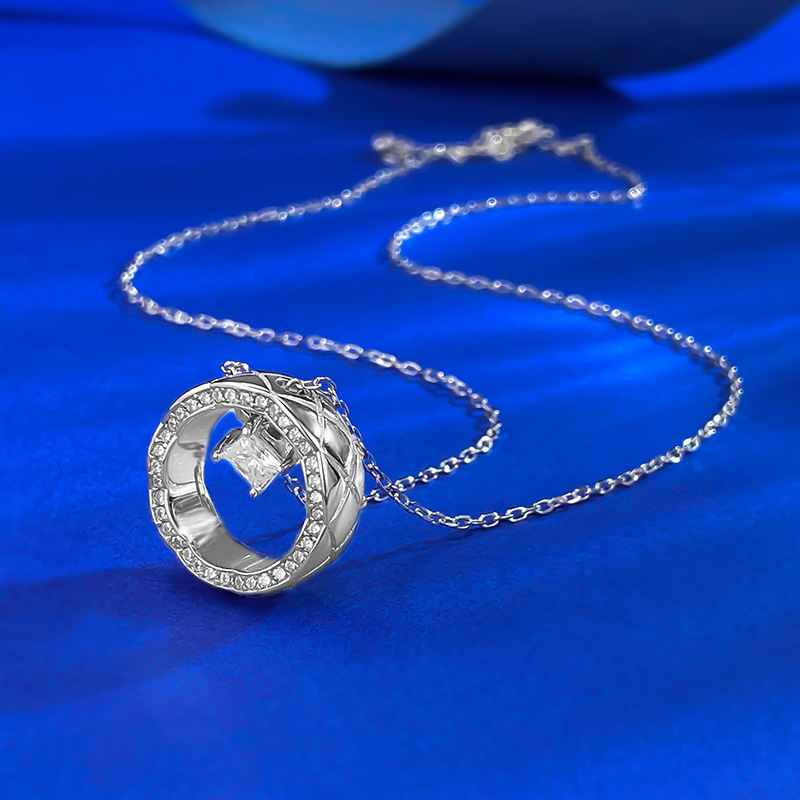
Best Carat Size Under Budget: How to Buy Bigger-Looking Diamonds
Finding the best carat size under budget doesn't mean choosing the biggest diamond on the page. It means choosing the diamond that looks bright, balanced, and beautiful once it's set. Carat weight matters, but it isn't the whole story.
A diamond's cut, shape, millimeter measurements, color, clarity, and setting all affect how large it appears. Lab-grown diamonds give StoneBridge Jewelry shoppers more room to compare those details without stretching the budget too far.
Want the short version? Protect sparkle first, compare face-up size second, and use the setting to your advantage.
What the Best Carat Size Under Budget Really Means
The best carat size under budget is the point where size, sparkle, quality, and price meet. A larger diamond with weak cut quality can look flat. A slightly smaller diamond with strong light return can look cleaner, brighter, and more expensive.
According to the Gemological Institute of America, one carat equals 200 milligrams. That number measures weight, not visible size. Two diamonds with the same carat weight can look different from the top because depth, shape, and proportions change the face-up spread.
For example, a well-cut 1.00 carat round brilliant diamond often measures about 6.4 to 6.5 mm across. A deeper 1.00 carat stone may look smaller. An oval, pear, marquise, or emerald cut can cover more finger area at the same weight.
Before you choose, compare these details:
- Carat weight and millimeter measurements
- Cut grade, polish, symmetry, and proportions
- Diamond shape and length-to-width ratio
- Color grade and chosen metal color
- Clarity grade and whether the stone is eye-clean
- Lab-grown diamond certification from IGI or GIA
- Setting style, band width, and accent stones
Customers often feel more confident after comparing actual dimensions instead of shopping by carat number alone. A 1.40 carat oval may look larger than a 1.50 carat round in some settings. A 0.90 carat round can also look very close to a 1.00 carat round once it's mounted.
Why Lab-Grown Diamonds Help Your Budget Go Further
Lab-grown diamonds are real diamonds. They have the same chemical, physical, and optical properties as mined diamonds, and respected labs such as IGI and GIA grade them using the 4Cs: cut, color, clarity, and carat weight.
For many shoppers, lab-grown diamonds make the best carat size under budget easier to reach. You may be able to choose a larger center stone, improve the color grade, select cleaner clarity, or upgrade the setting while staying within the same total budget.
That flexibility matters. If you're deciding between a smaller mined diamond and a larger certified lab-grown diamond, the lab-grown option may give you the look you wanted from the start.
Use certification as your safety net. A grading report confirms key details such as measurements, carat weight, color, clarity, polish, symmetry, and fluorescence. It also helps you compare stones fairly.
To see current options, you can shop StoneBridge lab-grown diamonds and compare carat weights, shapes, and grading reports side by side.
The 4Cs That Affect Diamond Size and Value
Carat gets the most attention because it's easy to measure. Cut usually matters more to beauty. A well-cut diamond reflects more light back to your eye, which helps it look lively and sometimes even larger.
Color and clarity also affect price, but you don't always need top grades. Many buyers prefer near-colorless grades such as G, H, or I because they look bright in most settings. For clarity, an eye-clean diamond often gives better value than paying for a grade difference you can't see without magnification.
| Feature | What It Affects | Smart Budget Move |
|---|---|---|
| Carat | Diamond weight and size category | Compare millimeters, not weight alone |
| Cut | Brilliance, fire, and sparkle | Prioritize excellent or very good cut |
| Color | Warmth or whiteness | Match the grade to the metal color |
| Clarity | Inclusions and blemishes | Choose eye-clean over flawless if saving matters |
| Shape | Face-up size and style | Try elongated shapes for more coverage |
| Certification | Verified quality details | Review IGI or GIA reports before buying |
| Setting | Finished look on the hand | Use halo, pavé, or slim bands for presence |
If you want the best carat size under budget, don't spend on grades that don't change the real-life look. Put more of the budget toward cut, face-up size, and a setting that flatters the diamond.
Carat Weight vs. Face-Up Size
Carat is weight. Face-up size is what you see when the diamond is viewed from above. They aren't the same thing.
A diamond with too much depth can hide weight below the surface. That means you're paying for carat weight that doesn't add much visible size. A well-proportioned stone spreads weight more efficiently and looks larger for its grade.
Check these numbers Before You Buy:
- Length and width in millimeters
- Depth percentage
- Table percentage
- Shape ratio
- Product photos or videos
- Setting width and height
For elongated shapes, ratio is especially useful. Oval diamonds often look balanced around 1.30 to 1.50 length-to-width. Pear shapes commonly sit around 1.45 to 1.75, depending on taste.
Cut, Color, and Clarity Trade-Offs
Cut is the first quality factor to protect. For round brilliant diamonds, excellent cut is often worth prioritizing because it supports strong sparkle. For fancy shapes, review videos, symmetry, and proportions carefully.
Color gives you room to save. Yellow gold and rose gold can make near-colorless diamonds look warm and flattering. Platinum and white gold may call for slightly higher color grades, especially in larger stones.
Clarity is similar. A flawless diamond is rare, but it may not look better to the naked eye than an eye-clean VS2 or SI1 diamond. With lab-grown diamonds, many shoppers can choose clean-looking stones while still keeping the best carat size under budget in reach.
Best Carat Size Under Budget by Price Range
Budgets vary, and diamond pricing changes with inventory. Shape, certification, metal, setting, and quality grades all affect the final price. Use the ranges below as a planning tool, not a fixed quote.
| Budget Range | Fine Jewelry Goal | Engagement Ring Goal | Smart Value Move |
|---|---|---|---|
| Under $500 | Petite pendants, small studs, accent jewelry | Minimalist promise or fashion ring | Focus on design and total carat weight |
| $500-$1,000 | Studs, pendants, stackable rings | Smaller lab-grown center stone | Choose a simple setting with strong sparkle |
| $1,000-$2,500 | Larger studs or statement pendants | Popular lab-grown engagement ring sizes | Compare 0.90-1.40 ct stones |
| $2,500-$5,000 | Premium diamond gifts | Larger center stones and upgraded settings | Compare 1.50-2.50 ct lab-grown options |
| $5,000+ | High-impact fine jewelry | Larger certified lab-grown diamonds | Balance size with premium cut and color |
A diamond stud pair uses total carat weight, often written as ctw. A 1.00 ctw pair usually means two diamonds around 0.50 carat each. A solitaire engagement ring usually lists the center diamond separately.
If you're shopping for a ring, explore StoneBridge engagement rings and compare how different settings change the same diamond size. For earrings, pendants, and bracelets, browse fine jewelry styles to see how total carat weight appears across designs.
Everyday Jewelry Carat Sizes
Everyday pieces don't need to be oversized to feel special. Diamond studs in 0.50 ctw, 1.00 ctw, 1.50 ctw, and 2.00 ctw are popular because they suit many wardrobes. A 1.00 ctw pair gives a classic daily look, while 2.00 ctw feels more noticeable.
For pendants, 0.50 to 1.00 carat often looks elegant without feeling heavy. A bezel setting can make the outline more defined. A halo pendant adds sparkle and makes the center stone look larger.
Multi-stone jewelry needs a closer read. A bracelet or pavé ring may show a higher total carat weight, but the stones are spread across the piece. Check both total carat weight and individual stone size before deciding.
Engagement Ring Carat Sizes That Stretch Value
Engagement ring shoppers often start with milestone sizes: 1.00, 1.50, 2.00, or 3.00 carats. Those marks are popular, so prices can rise around them. Stones just below those numbers often look nearly the same once set.
Consider these value points:
- 0.90 to 0.99 carat instead of 1.00 carat
- 1.35 to 1.49 carat instead of 1.50 carat
- 1.80 to 1.99 carat instead of 2.00 carat
- 2.70 to 2.99 carat instead of 3.00 carat
This simple comparison can make it easier to find the best carat size under budget. If the millimeter spread is close, the visual difference may be small. The savings can go toward a better cut, a cleaner clarity grade, or a setting you love.
StoneBridge Jewelry's ring builder can help you pair a diamond with a setting and compare the finished look before you commit.
Diamond Shapes That Look Larger for the Carat Weight
Shape changes everything. Round brilliant diamonds are loved for sparkle, but they can cost more per carat than many fancy shapes. If finger coverage is your goal, elongated shapes often give more visible size.
Oval diamonds are a favorite because they look soft, bright, and flattering. Pear and marquise diamonds stretch the eye along the finger. Emerald cuts offer a sleek, elegant look with broad flashes of light, though they can show inclusions more easily.
The best carat size under budget may be a smaller diamond in the right shape rather than a larger diamond in the wrong one. Try comparing an oval, radiant, cushion, and round with similar prices. The winner may surprise you.
Best Shapes for a Bigger Look
Start with these shapes if visual size is the priority:
- Oval: Brilliant, flattering, and versatile
- Pear: Elegant, tapered, and lengthening
- Marquise: Dramatic and often large-looking for its weight
- Elongated cushion: Soft, romantic, and finger-lengthening
- Emerald: Clean, refined, and broad in the right ratio
- Radiant: Sparkly with a modern rectangular or square shape
Measurements matter more than the shape name alone. A poorly proportioned oval can look too narrow or too short. A balanced stone will look intentional and more refined.
Best Shapes for Sparkle
Round brilliant diamonds remain the benchmark for sparkle because their faceting is designed for strong light return. If brilliance matters most, a slightly smaller excellent-cut round may beat a larger fancy shape with weak proportions.
Radiant and cushion cuts are strong alternatives. Radiants feel crisp and modern. Cushions give a softer look with plenty of fire when well cut.
Sparkle affects perceived size, too. A diamond that flashes across the room often feels larger than its measurements suggest.
Settings That Make a Diamond Look Bigger
The setting can help you get the best carat size under budget without raising the center stone size. A thoughtful design adds presence, frames the diamond, and changes how the eye reads scale.
Popular size-enhancing settings include:
- Halo: Small diamonds surround the center and increase visible diameter
- Hidden halo: Accent stones add side-view sparkle without changing the top outline
- Pavé: Tiny diamonds along the band add shimmer
- Three-stone: Side stones add width and meaning
- Bezel: A metal rim defines the diamond's shape
- Slim band: A narrow shank makes the center stone look larger by contrast
A 1.25 carat oval in a halo can look more dramatic than a 1.50 carat oval in a heavy plain band. A 1.00 carat round on a slim solitaire band can look crisp, clean, and balanced.
Durability matters too. Pavé and halo rings have small accent stones that need occasional checks. Low-profile settings can suit active hands better than tall designs.
Halo, Hidden Halo, and Pavé Settings
A halo is one of the most effective ways to make a center diamond look larger. It adds sparkle around the edge and creates a bigger overall outline. For many shoppers, it delivers a stronger finished look than jumping to the next carat milestone.
A hidden halo is quieter from the top. It adds detail from the side, which makes the ring feel special without changing the center diamond's face-up shape. Pavé bands add shine along the finger and pair well with both round and elongated stones.
These settings do need care. Clean them gently, avoid rough wear, and have the prongs checked from time to time.
Solitaire and Slim-Band Settings
A solitaire is timeless and often budget-friendly. It lets more of your money go into the center diamond. That helps if you're focused on cut quality and face-up size.
Slim bands are especially flattering. A band around 1.50 mm to 2.00 mm can make the center stone look larger by contrast. A wider band may make the same diamond look smaller.
Metal color also helps. White gold and platinum create a bright frame. Yellow and rose gold add warmth, which can make near-colorless diamonds look beautiful while keeping the best carat size under budget within reach.
Smart Pricing Moves for the Best Carat Size Under Budget
Diamond prices often jump at popular milestone weights. A 1.00 carat diamond may cost noticeably more than a 0.90 carat diamond with similar specs. The same pattern can happen near 1.50, 2.00, and 3.00 carats.
Ask a better question than, "What's the biggest diamond I can afford?" Try this instead: "Which diamond gives me the best mix of size, sparkle, certification, and setting for my budget?"
Compare value across:
- Carat weight and millimeter spread
- Cut grade or visual light performance
- Color grade with your chosen metal
- Eye-clean clarity
- Shape and proportions
- IGI or GIA grading report
- Setting design and accent stones
- Return, resizing, and service policies
Transparent details protect you from overpaying for weight alone. A certified lab-grown diamond with clear measurements gives you a stronger basis for comparison than a vague listing.
Why Slightly Under-Carat Diamonds Can Be Smart
Diamonds just below benchmark sizes are often the sweet spot. A 0.94 carat diamond can look almost the same as a 1.00 carat diamond once set. A 1.45 carat oval may give the same impression as a 1.50 carat oval.
Look at millimeters first. If two diamonds have nearly the same length and width, the lower-weight stone may be the smarter buy. Better cut, color, or clarity can make it even more appealing.
This habit helps shoppers find the best carat size under budget without giving up the look they want.
When Quality Matters More Than Carat
Spend more on cut when sparkle is the priority. A bright diamond catches the eye faster than a dull larger stone. This is especially true for round brilliant diamonds.
Spend more on color if you're choosing white gold or platinum, especially with larger diamonds. Body color can be easier to notice as diamond size increases. Warm metals give you more flexibility.
Spend more on clarity for emerald and Asscher cuts. Their long, open facets can reveal inclusions more clearly than brilliant-cut shapes. For those styles, inspect videos and choose an eye-clean stone.
Lifestyle Checks Before You Buy
A diamond should fit real life. If the wearer works with gloves, lifts weights, cares for children, cooks often, or uses their hands all day, a lower-profile ring may be more comfortable. A bezel or secure prong setting can also reduce snagging.
For earrings, think about comfort and support. Larger studs can tilt forward if the backing isn't strong enough. For pendants, chain length affects where the diamond sits on the neckline.
Before checkout, review:
- Ring size and resizing options
- Setting height and prong design
- Metal type and skin sensitivity
- Diamond certification
- Return policy and service options
- Cleaning instructions
- Insurance or appraisal needs
The best carat size under budget should look great in photos and feel natural during daily wear. If a diamond feels too tall, too wide, or too delicate for your routine, keep comparing.
Care, Certification, and Long-Term Confidence
Certification gives you facts. Care keeps the diamond looking bright. Both matter after the purchase.
IGI and GIA reports help confirm the diamond's main quality details. They don't replace your eyes, but they do make comparisons clearer. Pair the report with images, videos, measurements, and jeweler guidance.
Basic care is simple:
- Clean diamond jewelry with mild soap, warm water, and a soft brush
- Avoid bleach, harsh chemicals, and abrasive cleaners
- Remove rings during heavy lifting, sports, or messy tasks
- Store jewelry separately to prevent scratches
- Schedule prong checks for pieces worn every day
StoneBridge Jewelry provides clear product details so you can compare lab-grown diamond jewelry with confidence. If you want help choosing, contact our jewelry experts Before You Buy.
Shop Smarter at StoneBridge Jewelry
The best carat size under budget depends on your style, jewelry type, setting, and quality goals. For engagement rings, compare slightly under-milestone stones, elongated shapes, and slim or halo settings. For studs, pendants, and bracelets, check total carat weight and individual stone size.
A smart diamond purchase isn't only about the number on the grading report. It's about how the finished piece looks, feels, and wears. Choose the diamond that gives you the strongest balance of beauty, certification, and price.
Ready to compare? Shop StoneBridge Jewelry's lab-grown diamonds, engagement rings, and fine jewelry collections to find the best carat size under budget before your favorite shape or setting sells out.
FAQ
What is the best carat size under budget for an engagement ring?
The best carat size under budget depends on your total price range, preferred shape, and setting style. Many shoppers get strong value from lab-grown diamonds just below major milestones, such as 0.90, 1.40, or 1.90 carats. Compare millimeter measurements, not carat weight alone. A well-cut diamond with a smart setting can look larger than its number suggests.
How do I make a diamond look bigger without buying more carat weight?
Choose a shape with strong face-up spread, such as oval, pear, marquise, elongated cushion, or radiant. A halo, hidden halo, pavé band, bezel, or slim solitaire band can also make the center stone look more substantial. Keep the band proportionate to the diamond so the design feels balanced. Product videos and hand-view photos help you judge the final look.
Is cut or carat more important when shopping on a budget?
Cut is usually more important because it controls sparkle, brightness, and overall beauty. A smaller excellent-cut diamond often looks better than a larger stone with weak light return. Once you've protected cut quality, compare face-up measurements and shape. That order helps you find the best carat size under budget without sacrificing the look you'll notice every day.
Are lab-grown diamonds a good choice for a larger carat size under budget?
Yes, lab-grown diamonds can be a smart option for shoppers who want more size or better quality for the money. They are real diamonds and can be graded by respected labs such as IGI and GIA. The lower price point often lets buyers compare larger carat weights, better color, or cleaner clarity. Always review the grading report and measurements before choosing.
Should I buy a diamond just under 1 carat, 1.5 carats, or 2 carats?
Often, yes. Diamonds just below popular benchmark weights can offer excellent value with little visible difference once set. A 0.94 carat stone may look very close to a 1.00 carat stone if the measurements are similar. The same idea applies near 1.50 and 2.00 carats. Use the savings for cut quality, a better setting, or the jewelry style you really want.
Ready to Find Your Perfect Diamond?
Explore our collection of certified lab-grown diamonds
Shop Diamonds