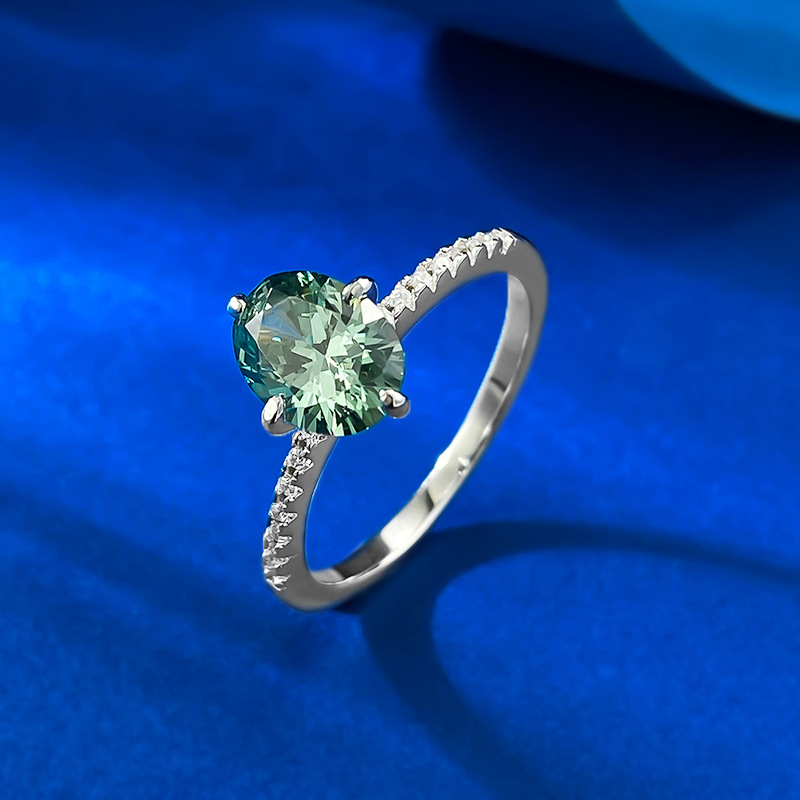
Yellow Gold vs White Gold: Which Metal Fits Your Jewelry Best?
Choosing between yellow Gold vs White gold is about more than color. The metal affects how the piece looks, how much care it needs, and how it pairs with your diamond or gemstone.
For an engagement ring, wedding band, or everyday necklace, the best choice usually comes down to three things: your style, your routine, and how much upkeep you’re willing to handle. Which One Feels right on your hand, not just in a photo?
Yellow Gold vs White Gold: What You’re Really Comparing
Yellow gold vs white gold starts with alloy makeup and finish. Both are gold, but the other metals in the mix change the color and wear pattern.
Yellow gold keeps the warm tone most people picture when they think of gold jewelry. White gold blends gold with white metals like palladium, silver, or nickel, then usually gets rhodium plating for a bright white surface.
That finish matters. The surface you see on white gold can wear down over time, while yellow gold keeps its color more evenly. GIA explains that white gold often needs periodic surface renewal, which is one reason many shoppers compare the two so closely.
Here are the main things to compare Before You Buy:
- Color and how it looks next to your stone
- Daily wear and scratch visibility
- Care and replating needs
- Karat level and how that affects strength
- Style, from classic to modern
If you want to compare settings side by side, browse our engagement rings and use the design details to narrow your choices.
Karat, Alloys, and Why They Matter
With yellow gold vs white gold, shoppers often focus on color and overlook karat. That can be a mistake, because karat affects both durability and budget. 14K gold is a common sweet spot for rings because it is harder and usually less expensive than 18K. 18K gold contains more pure gold, so it has a richer color and a slightly softer feel.
For everyday rings, bracelets, and frequent-wear earrings, 14K is often the practical choice. For a luxury piece or a heirloom-style ring, 18K can be worth the extra cost if you want the deeper gold color. The same rule applies to both yellow and white gold, so compare karat first, then color.
If you’re shopping for a diamond ring, also ask how the alloy affects the setting. More alloy metals can mean better hardness, but the prongs and edges still need proper craftsmanship. A well-made 14K setting with solid prongs often performs better than an 18K setting that is too thin.
Yellow Gold: Warm, Classic, and Easy to Live With
Yellow gold vs white gold often comes down to whether you want warmth or contrast. Yellow gold has a rich, familiar look that has never really gone out of style.
What Yellow Gold Is
Yellow gold is made by mixing pure gold with metals such as copper and silver while keeping the gold’s natural yellow color. Most shoppers choose 14K or 18K. In 14K, gold makes up 58.3% of the alloy, while 18K contains 75% gold.
That difference affects both color and strength. A 14K piece is usually harder and better for everyday wear. An 18K piece looks richer and deeper in color, but it can be a little softer.
Yellow gold is also easier to understand from a maintenance standpoint. Because there is no plating layer to wear away, the color stays consistent through the life of the piece. That makes it a strong option for anyone who does not want to schedule professional touch-ups.
Why Buyers Choose Yellow Gold
Yellow gold has a timeless feel. It works well if you want a ring that looks elegant now and still feels right 20 years from now.
It also hides small wear marks better than a bright white finish. That’s useful for rings you’ll wear every day. At StoneBridge Jewelry, we’ve found that customers who want less upkeep often lean toward yellow gold vs white gold once they see both in person.
Yellow gold also pairs beautifully with many stones. It can warm up lower-color diamonds and give colored gemstones a richer frame. Rubies, emeralds, sapphires, and morganite all look strong in yellow gold.
For vintage-inspired designs, yellow gold can make milgrain, filigree, and hand-engraved details stand out more clearly. Those design elements are often less visible in bright white metal, so if the craftsmanship is part of what you’re paying for, yellow gold can showcase it better.
What to Know About Diamond Color in Yellow Gold
If you’re comparing yellow gold vs white gold for a diamond ring, diamond color grade matters. Yellow gold can make a near-colorless diamond appear a bit warmer, especially in grades around H, I, or J. That is not always a drawback. Many buyers prefer the softer look because it can help them stretch their budget into a larger center stone.
If your priority is maximum whiteness, you may want to stay in the D through G range or choose white gold. If you like a softer, more romantic appearance, yellow gold can make a slightly warmer diamond look intentional instead of tinted.
For cuts with big open tables such as emerald or oval, check the stone in daylight and indoor light before deciding. A diamond can look noticeably different depending on the metal beneath it, so ask to see images or videos of the exact stone in the exact setting.
Tradeoffs to Keep in Mind
The biggest tradeoff is softness at higher karats. A 18K ring will usually show wear sooner than a 14K ring, especially if you wear it constantly.
Yellow gold also has a more traditional look. Some shoppers love that. Others want a brighter metal that fades into the background.
If you want to compare band styles, try our ring builder and see how yellow and white settings change the look of the same stone.
Best Yellow Gold Jewelry Choices by Type
Yellow gold works especially well for pieces that benefit from a slightly richer color story. Think solitaire pendants, signet rings, tennis bracelets with colored stone accents, and classic wedding bands with a comfort fit interior. It is also popular for stacking bands because the warm tone complements rose gold and mixed-metal combinations without looking harsh.
If you are buying a chain, pendant, or hoop earring, yellow gold can be a practical pick because the finish does not depend on replating. That means fewer surprises over time and a more uniform look from clasp to clasp.
White Gold: Bright, Crisp, and Popular for Diamonds
Yellow gold vs white gold changes quickly once you look at the finish. White gold is designed to look clean and cool, especially next to diamonds.
What White Gold Is
White gold is not naturally pure white. Jewelers usually add rhodium plating on top of the alloy to create that bright, mirror-like finish.
That’s why a white gold ring can look extra sharp on day one. It also explains why the surface can change with wear. As the rhodium layer thins, the ring may show a warmer tone underneath.
Not all white gold alloys are the same. Some are made with nickel, which can create a brighter white base but may not be suitable for people with sensitivities. Palladium-based white gold usually costs more but can be a better option for skin comfort and a naturally whiter base color.
Why Buyers Choose White Gold
White gold gives diamonds a bright, neutral backdrop. It blends into the setting, so the center stone often stands out more.
That makes it a popular pick for round brilliant, oval, emerald-cut, and pear-shaped diamonds. It’s also a natural match for near-colorless stones, especially in the D through G range.
Style is another reason people choose it. White gold feels modern, clean, and easy to match with other cool-toned jewelry. If you’re building a full bridal look, shop our jewelry collection for bands and matching pieces.
White gold is also a smart choice for buyers who wear a lot of silver-toned pieces already. If your watch, earrings, and necklace are all cool-toned, white gold can make the set look coordinated instead of mixed.
Diamond Setting Benefits in White Gold
For diamond buyers, white gold is often chosen because it minimizes visual contrast between the metal and the stone. That can make the center diamond feel larger or more seamless in the setting. Halo rings, three-stone rings, and pavé bands often look especially crisp in white gold because the metal supports a bright, unified sparkle effect.
That said, the setting style still matters more than the metal alone. A low-profile solitaire with slim prongs may keep a diamond looking elegant and secure, while a tall halo setting can make the stone appear larger but also catch on clothing. If you want a “bigger” visual effect, look at halo or cathedral settings. If you want easier daily wear, a low basket or bezel-style design may be the better buy.
Tradeoffs to Keep in Mind
The main downside is upkeep. White gold usually needs replating every 1 to 2 years if the ring is worn daily, and heavy wear can shorten that timeline.
Some people also notice a slight color shift as the plating fades. The base metal is still white gold, but the bright top layer wears off first.
Skin sensitivity matters too. Some white gold alloys contain nickel, which can bother sensitive skin. If that’s a concern, ask for nickel-free or palladium-based options.
White gold can also show scratches and dents more plainly once the rhodium layer thins. If you are hard on your hands, work with tools, or frequently use hand sanitizer and cleaning chemicals, you may notice the finish aging faster than you expect.
White Gold for Different Gemstones
White gold is not only for diamonds. It can be a strong choice for aquamarine, blue topaz, morganite, and moonstone when you want a light, airy look. For gemstones with a cooler tone, white gold keeps the design from feeling too heavy.
If your stone is very dark—such as deep blue sapphire or black onyx—white gold may create a sharper outline, while yellow gold can soften the contrast. The right answer depends on whether you want the stone to pop or feel anchored.
Yellow Gold vs White Gold: Side-by-Side Comparison
Yellow gold vs white gold is easiest to judge when you compare the key factors together.
| Factor | Yellow Gold | White Gold | Best Fit |
|---|---|---|---|
| Appearance | Warm, rich, classic | Bright, neutral, reflective | Choose by style and stone color |
| Daily wear | Hides wear marks well | Shows finish wear sooner | Yellow gold for low-maintenance wear |
| Maintenance | Simple cleaning and polishing | Needs periodic replating | Yellow gold for less upkeep |
| Diamond look | Adds warmth and contrast | Helps stones look brighter | White gold for colorless diamonds |
| Gemstones | Adds depth to colored stones | Gives a cooler frame | Yellow gold for rich color |
| Style vibe | Traditional, vintage, timeless | Modern, crisp, clean | Match your wardrobe |
Appearance
Yellow gold vs white gold shows the biggest difference in color. Yellow gold feels warm and soft. White gold feels bright and cool.
On a diamond solitaire, white gold often makes the stone look more neutral. On a sapphire or emerald, yellow gold can add more depth and richness.
Durability
At the same karat, yellow gold vs white gold is usually closer than people expect. The real durability difference often comes from 14K versus 18K, not just the color.
In general, 14K is a smart choice for rings that take daily knocks. It has more alloy metal and less pure gold, so it usually holds up better than 18K.
If you want maximum longevity, also pay attention to the thickness of the shank, the prong construction, and how high the center stone sits above the band. A sturdy setting can matter just as much as the metal color.
Maintenance
Yellow gold is simpler to care for. Clean it with mild soap, warm water, and a soft brush.
White gold needs the same care plus replating when the rhodium wears off. The underside of the band and the prongs usually show wear first, since they rub against skin and objects most often.
For both metals, avoid ultrasonic cleaning if the setting contains fragile stones, fracture-filled diamonds, or loose pavé. A professional cleaning once or twice a year can help catch loose prongs before they become a problem.
Price
Yellow gold vs white gold is usually close in price when the karat and design are the same. Gold market prices and craftsmanship matter more than color.
A detailed pavé ring can cost more than a simple solitaire even if both use the same metal. The setting design often has a bigger impact on price than the gold color itself.
As a rough buying guide, simple 14K gold bands are often among the most accessible choices, while 18K designer-style settings and intricate halo rings can move into a higher tier. The price difference between yellow and white gold on a like-for-like piece is usually modest compared with the diamond itself, especially if the stone has a premium cut grade or strong certification.
Style and Gemstone Match
Yellow gold vs white gold can change the whole mood of a piece. Yellow gold works well with earth tones, vintage styles, and richly colored gems.
White gold fits cooler palettes and modern designs. It also works well if you want the diamond to look as white as possible.
How to Choose Based on Jewelry Type
Yellow gold vs white gold isn’t one-size-fits-all. The best metal depends on the piece you’re buying.
Engagement Rings
For engagement rings, white gold is popular because it blends into diamond settings and gives a crisp look. Yellow gold is a strong choice if you want warmth, contrast, or a vintage feel.
If you’re choosing a ring for daily wear, also think about prong thickness, band width, and stone height. A well-made 14K yellow gold ring can outlast a thin white gold setting.
When shopping for a diamond engagement ring, ask for the full stone details: carat, cut, color, clarity, and certification. Look for a grading report from GIA or AGS for lab-graded diamonds, and review the proportions if they are available. For round brilliants, many shoppers aim for an excellent or ideal cut grade because cut has the biggest effect on sparkle. For oval, pear, and cushion cuts, pay close attention to how the stone performs in videos, since shape and light return can vary more than with rounds.
If you are choosing between metals for a near-colorless diamond, you can often save money by pairing a good H or I color stone with yellow gold, rather than paying more for a higher color grade just to compensate for white metal. In white gold, a lower color diamond can sometimes show a bit more warmth, especially in larger stones, so compare the exact stone in the exact setting whenever possible.
Wedding Bands
Both metals work well for wedding bands. Yellow gold is easier if you want low-maintenance wear. White gold is best if you want the band to match a white gold engagement ring.
For comfort, pay attention to the inner profile. Comfort-fit bands with rounded interiors tend to feel better for all-day wear, especially in wider widths like 5 mm to 8 mm. Narrow bands around 2 mm to 3 mm are popular for stacking and can feel lighter on the hand, but they may show bending sooner if worn alone and handled roughly.
If you want matching bands for both partners, note that men’s bands often do better in 14K because of the extra durability, while women’s bands may prioritize appearance and stacking flexibility. Mixed-metal wedding sets can also work if the design uses the same finish and proportion on both rings.
Earrings and Necklaces
For earrings and pendants, upkeep matters less than with rings. That gives you more freedom to choose based on style alone.
Yellow gold feels elegant and warm. White gold feels crisp and understated.
For necklace chains, think about clasp strength and chain style as much as color. Cable, box, and rope chains each wear differently. A yellow gold pendant can also make a gemstone look more saturated, while a white gold pendant can keep a diamond or pale stone feeling airy.
Stackable Rings and Mixed-Metal Looks
Stacking has made yellow gold vs white gold a fashion choice for many buyers. A mixed-metal stack can look intentional and modern when the finishes are balanced.
If you’re building a set, make sure the widths and finishes work together. Matching proportions make the stack feel planned instead of random.
One common mistake is mixing polished and matte finishes without considering how they reflect light. Another is combining a very thin ring with a much thicker one, which can make the stack look uneven. If you want a mixed-metal stack, repeat one design element—such as pavé, knife-edge shaping, or a milgrain edge—across the rings to make them visually connect.
Diamond and Gemstone Buying Details to Check Before You Decide
Metal choice matters, but it should be part of the full buying picture. If you are comparing yellow gold vs white gold for an engagement ring or fine jewelry piece, make sure the stone and setting are also right for how you live.
For diamonds, ask for a grading report from a respected lab such as GIA or AGS. If you are buying a lab-grown diamond, confirm the report source and read the fine print about growth method and any post-growth treatments. For natural diamonds, a report can help you compare stones on color, clarity, cut, and proportions without relying on a sales description alone.
If budget is a concern, remember that cut is usually the most important factor for sparkle. A smaller diamond with an excellent cut often looks better than a larger stone with a poor cut. In many cases, choosing yellow gold can let you spend more on the diamond itself, while white gold can be worth the extra attention if you want the cleanest possible presentation.
For colored gemstones, ask whether the stone has been treated. Heat-treated sapphires and rubies are common, while emeralds may be oiled or filled and need gentler care. Those treatment details affect cleaning, long-term durability, and whether an ultrasonic cleaner is safe. The right metal can support the stone visually, but it cannot compensate for a setting that is too thin for a fragile gem.
Sizing, Fit, and Everyday Wear Considerations
Yellow gold vs white gold also affects how a piece wears over time. The ring may feel the same on day one, but the way it ages depends on your hands and habits.
For rings, fit should be snug enough that it does not spin freely, but not so tight that your finger swells uncomfortably in warm weather. Many people need a slightly different size in summer than in winter. If you are between sizes, ask the jeweler about half-size adjustments, sizing beads, or a sizing bar, especially for engagement rings that may include a center stone or side stones.
Band width matters too. A wider band often feels tighter than a narrow band in the same size, so shoppers sometimes need to size up slightly for widths over 6 mm. This is especially important for wedding bands and cigar-style rings.
If you wear gloves, work with your hands, or type all day, try on both metals in the same design if possible. A high-polish white gold ring may show scratches more quickly, while yellow gold can look softer and less reflective. Either metal can be practical, but the right profile and width matter just as much as the color.
How to Care for Yellow Gold and White Gold
Yellow gold vs white gold has different maintenance needs, but both benefit from simple routines. Clean both with warm water, a drop of mild dish soap, and a soft toothbrush. Dry with a lint-free cloth and store them separately to avoid scratching.
For yellow gold, avoid harsh abrasives and remove the piece before heavy lifting or chores. For white gold, keep an eye on the rhodium plating. If the ring starts to look less bright or slightly yellowish at the edges, it may be time for replating.
Take rings off before swimming in chlorinated pools or using bleach-based cleaners. Chlorine can be hard on many metals and may weaken some alloys over time. Lotions, sunscreen, and makeup can also build up around prongs and under the setting, so periodic cleaning helps keep the stone looking brighter.
If your jewelry has diamonds in pave or micropave settings, have a jeweler inspect the prongs regularly. Small stones can loosen as the ring flexes with daily use. This is true for both yellow and white gold, but it is especially important on settings with many tiny stones where one loose melee can affect the entire line of sparkle.
Shipping, Returns, and Buying Online Safely
When you shop yellow gold vs white gold online, the buying experience matters almost as much as the design. Before placing an order, review shipping speed, insurance, return policy, resizing policy, and any restocking fees.
Look for secure shipping with signature confirmation and package insurance. Jewelry should never arrive in an unprotected mailer without tracking. If the piece is custom-made or engraved, ask whether it is final sale, because many custom items cannot be returned once production starts.
Returns are especially important if you are choosing between yellow and white gold without seeing the piece in person. A generous return window gives you time to compare color in natural light, indoor light, and with the rest of your wardrobe. If the seller offers complimentary resizing, check the timeframe and whether shipping is covered for the first adjustment.
Also confirm what happens if the ring needs replating, polishing, or a prong repair after purchase. Some jewelers offer lifetime cleaning and inspections, while others charge separately. Those services can change the real cost of ownership, especially for white gold pieces that need periodic renewal.
Common Mistakes Buyers Make
Yellow gold vs white gold is easy to oversimplify. The biggest mistakes often happen when buyers focus only on the metal and ignore the setting, stone, or long-term care.
- Choosing white gold for the look, then forgetting about replating costs
- Choosing yellow gold and then overpaying for a higher diamond color grade that the metal would soften anyway
- Ignoring skin sensitivity and discovering a nickel reaction later
- Buying an 18K daily-wear ring when a 14K setting would be more practical
- Picking a delicate pavé style for a very active lifestyle without asking about prong strength
- Not checking return and resizing policies before ordering online
- Choosing a ring size based on one try-on session instead of considering temperature and time of day
Another common mistake is forgetting to match the finish. A glossy white gold ring paired with brushed yellow gold bands can look intentional, but only if the contrast is part of the plan. Otherwise, the set may feel disconnected. When in doubt, compare the full look together instead of one piece at a time.
Who Should Choose Yellow Gold or White Gold?
Yellow gold vs white gold becomes easier once you think about your habits.
Yellow Gold Is a Strong Fit If You:
- Like a warm, classic look
- Want less upkeep
- Wear your jewelry every day
- Prefer vintage or heirloom-inspired designs
- Want colored gemstones to feel richer
- Already wear yellow-tone jewelry
White Gold Is a Strong Fit If You:
- Want a bright, modern finish
- Want your diamond to look as white as possible
- Like clean, cool-toned jewelry
- Don’t mind periodic replating
- Prefer a more minimal look
- Often wear silver, platinum, or white-toned pieces
Expert Tips Before You Buy
Yellow gold vs white gold should be decided with the stone, the setting, and the wearer in mind. We’ve seen buyers change their minds once they try both metals on in natural light.
Ask these questions Before You Order:
- Do you want warmth or contrast?
- Will you wear the piece every day?
- Are you okay with replating if you choose white gold?
- Does the metal make the stone look better in real light?
It also helps to ask about the karat and alloy mix. If you have sensitive skin, confirm whether the white gold is nickel-free or palladium-based.
If you are comparing two similar rings, ask for side-by-side photos on the same hand. A metal can look very different against skin tone, and the best choice is the one that complements the wearer instead of just the display photo. Warm undertones often pair naturally with yellow gold, while cool undertones can make white gold feel especially crisp. That is not a hard rule, but it is a useful starting point.
Final Take: Which One Should You Choose?
Yellow gold vs white gold comes down to the look you want and the care you’re willing to give. Yellow gold is the better pick for classic style, lower maintenance, and warm contrast. White gold is the better pick if you want a bright, modern finish that helps diamonds stand out.
If you want a cooler look, shop white gold engagement rings. If you want a warmer, easier-care setting, choose yellow gold engagement rings.
Start with the stone, then choose the metal that supports it. You can browse our engagement rings, explore our diamonds, or use our ring builder to create the look you want.
Most buyers end up happiest when the choice matches their real life, not just a trend. If you like low-maintenance jewelry, yellow gold usually wins. If you want a clean diamond-forward look and do not mind future upkeep, white gold can be the stronger option. Either way, a well-made ring in the right karat, with a secure setting and a clear return policy, is a better purchase than a rushed decision based on color alone.
Ready to Find Your Perfect Diamond?
Explore our collection of certified lab-grown diamonds
Shop Diamonds