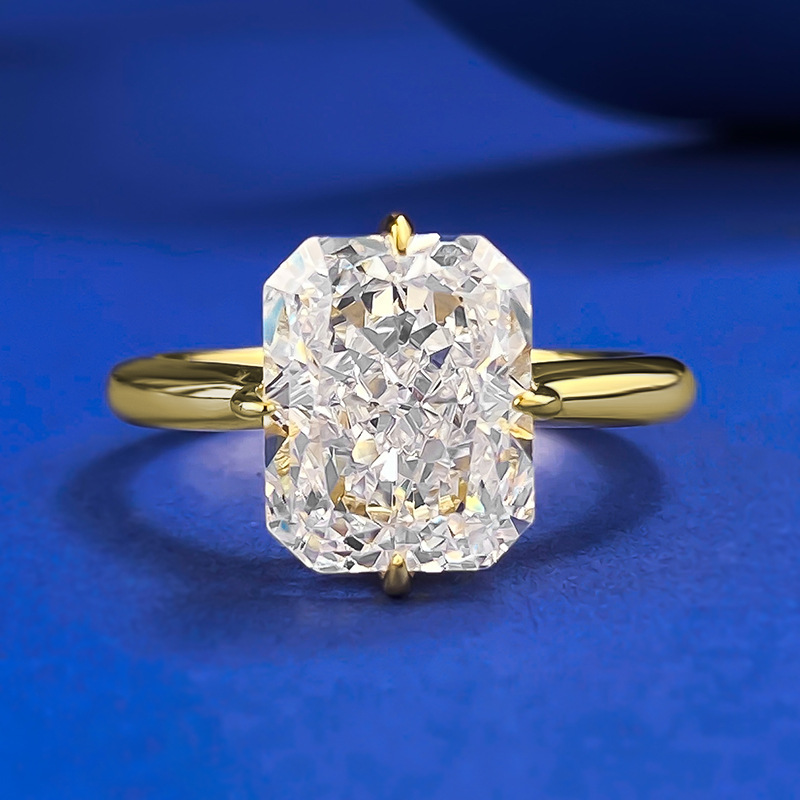
Yellow Gold vs Platinum Setting: Which Is Better for Your Ring?
The Yellow Gold vs Platinum setting choice affects more than color. It changes how the ring looks on your hand, how it wears over time, and how much upkeep it needs.
That matters because the ring will live with you every day, not sit in a box. If you want a piece that Fits Your Style and your routine, the metal should be part of the decision from the start.
The best choice usually comes down to three things: the stone, the setting style, and how you plan to wear the ring. Some buyers want warmth and tradition. Others want a bright white frame, a heavier feel, and a cooler finish that stays visually clean for years.
What the Metal Changes in a Ring Setting
A setting is the metal framework that holds the center stone and shapes the ring's profile. Prongs, halos, pavé, baskets, and shoulders all depend on that metal choice.
In a yellow gold vs platinum setting, the metal does real work. It changes the tone of the ring, affects how light reflects around the stone, and shapes the way the ring ages.
That is why jewelers ask about lifestyle before they ask about style. A person who types all day, lifts weights, or works with their hands needs a different metal than someone who wears a ring mainly for special occasions.
A useful comparison starts with these points:
- How the metal looks next to the stone
- How it handles daily wear
- How much care it needs
- How much you want to spend
- How heavy you want it to feel on the hand
Yellow Gold Setting: Warmth, Tradition, and Easy Style
Yellow gold has a familiar warmth that many people connect with classic jewelry. In a yellow gold vs platinum setting, yellow gold usually feels softer, richer, and more traditional.
It gives diamonds a warm frame and can make colored stones look lively. Emeralds, sapphires, and rubies often stand out against yellow gold because the metal adds depth without stealing attention.
Yellow gold also works across many designs. A solitaire feels timeless. A halo can look romantic. Pavé details often stand out more because the gold adds contrast around each stone.
Yellow Gold Setting Details
Most shoppers compare 14k and 18k yellow gold. A 14k setting is 58.3 percent gold, while 18k is 75 percent gold. That difference matters. More gold usually gives you a richer color, while 14k usually gives you a harder surface for everyday wear.
Yellow gold is also straightforward to maintain. It does not need rhodium plating, and a jeweler can usually clean or polish it during routine service. If you prefer a metal that is easy to live with, that simplicity helps.
StoneBridge customers often choose yellow gold when they want a ring that feels classic without looking stiff or formal. It tends to suit buyers who like warm tones, vintage details, or a softer look around the center stone.
Best styles for yellow gold:
- Solitaire settings for a clean, traditional look
- Halo settings for extra sparkle and presence
- Pavé settings that lean warm and detailed
Platinum Setting: White, Dense, and Naturally Cool
Platinum has a naturally white color that gives diamonds a crisp frame. In a yellow gold vs platinum setting, platinum usually creates the most neutral backdrop for colorless and near-colorless stones.
That cool tone can make a diamond look brighter and sharper. It also suits modern designs, three-stone rings, and minimal solitaires where the metal should feel solid rather than decorative.
Platinum has another clear advantage. GIA notes that platinum jewelry is commonly made at 95 percent purity and often marked Pt950. That high purity helps explain why platinum feels premium and why many buyers see it as a long-term choice.
Platinum Setting Details
Platinum is dense. It is roughly 60 percent denser than 14k yellow gold, so a similar ring usually feels heavier on the hand. Some people like that weight because it feels secure and substantial.
Platinum also develops patina over time. That soft surface change is normal, not damage. Some wearers like the matte look. Others prefer a high-shine finish and ask for polishing from time to time.
If you have sensitive skin, platinum is often the better pick. It is naturally hypoallergenic for most people and does not rely on a bright plating layer to look white.
Best styles for platinum:
- Three-stone rings that benefit from a strong white frame
- Solitaire settings that highlight diamond brightness
- Clean, modern designs with fine details
How the Metal Affects the Stone
The yellow gold vs platinum setting decision should be made with the center stone in mind. Metal color does not change the diamond itself, but it changes how your eye reads the stone.
With a colorless diamond, platinum keeps the visual field neutral. That is especially helpful if you are buying a D, E, or F color stone, or a high-clarity round brilliant where you want maximum crispness. With a warmer diamond, yellow gold can help the stone look more intentional because the setting does not make the stone appear comparatively tinted.
The effect is even more noticeable with fancy shapes. Oval, pear, and cushion cuts can show more body color at the ends and edges. A platinum setting tends to emphasize those details and keep the look cool. Yellow gold can soften the contrast and give those same shapes a warmer outline.
For colored gemstones, the choice can be practical as well as visual. Yellow gold often flatters rich blues, greens, and reds because the metal adds depth. Platinum can work beautifully too, but it will usually read more modern and less decorative.
Diamond Specs That Pair Well With Each Metal
If you are buying a diamond first and choosing the setting second, a few specs can make the decision easier.
For platinum, many buyers prefer stones with higher color grades, such as D to H, because the white metal preserves the bright appearance. A round brilliant with an excellent or ideal cut, very good polish, and excellent symmetry usually benefits most from platinum because the metal supports the stone without adding warmth.
For yellow gold, near-colorless stones in the G to J range can look very good if the setting adds warmth intentionally. That can be a smart budget move if you want a larger carat weight or a more elaborate setting. A well-cut diamond in the 1.00 to 1.50 carat range often looks striking in yellow gold because the metal gives the ring a classic frame without forcing you into the highest color grades.
Clarity matters less to the setting choice than cut, but it still affects the buying decision. If you are looking at VS1 to SI1 clarity, check for any inclusions that may be visible face-up, especially in elongated shapes. Platinum or yellow gold will not hide them. The metal only changes the backdrop.
If you are buying a lab-grown diamond, look for a grading report from a recognized lab such as IGI or GIA. For natural diamonds, GIA reports remain the most widely trusted reference point. Certification matters because it helps you compare stones on cut, color, clarity, and proportions rather than on sales copy.
Yellow Gold vs Platinum Setting: Side-by-Side
A useful yellow gold vs platinum setting comparison should cover real wear, not just appearance. The metal affects maintenance, resizing, weight, and how the ring looks after years of use.
| Factor | Yellow Gold Setting | Platinum Setting | What It Means |
|---|---|---|---|
| Appearance | Warm and classic | Cool and white | Choose the tone you want around the stone |
| Feel | Lighter on the hand | Heavier and denser | Platinum feels more substantial |
| Durability | Strong, but shows wear differently | Very dense and secure | Platinum often feels more rugged |
| Maintenance | Easy to clean and polish | Develops patina over time | Pick the finish you are willing to keep up |
| Price | Usually lower | Usually higher | Gold often leaves room in the budget for a larger stone |
| Resizing | Often simpler | Can take more labor | Gold is usually easier to adjust later |
| Skin Sensitivity | Depends on alloy | Usually better for sensitive skin | Platinum is often the safer choice |
Stone color also changes the result. Platinum can make colorless diamonds look especially crisp because the metal stays visually neutral. Yellow gold adds warmth, which can look beautiful with warmer diamonds and many colored gemstones.
Many shoppers who plan to wear the ring every day care most about two things: how the metal feels and how much maintenance it needs. That is where the yellow gold vs platinum setting decision gets practical.
A few direct questions help narrow it down:
- Do you want a warm or cool frame around the stone?
- Will the ring sit next to a wedding band every day?
- Do you want a lighter feel or a heavier one?
- Is easier resizing important to you later on?
Price and Budget
Metal choice can affect the total price more than many buyers expect. In a simple setting, yellow gold is usually the lower-cost option, which can free up budget for the center stone, a better cut grade, or a more detailed setting. Platinum typically costs more because the metal itself is denser and the finished ring uses more material by weight.
As a rough guide, a basic 14k yellow gold solitaire setting may start in the lower hundreds, while a comparable platinum setting often lands higher. Once you add pavé, a hidden halo, a cathedral profile, or custom finishing, the gap grows. For more elaborate designs, the setting price can move into the four-figure range in either metal.
That does not mean platinum is always the wrong value. For buyers who want a long-term, high-purity metal with a white finish, the extra cost can be justified. But if your priority is maximizing diamond quality or size within a fixed budget, yellow gold often gives you more room to balance the rest of the ring.
When comparing quotes, make sure you are comparing the same details:
- Band width, such as 1.8 mm versus 2.2 mm
- Metal purity, such as 14k versus 18k yellow gold or Pt950 platinum
- Number of prongs and prong style
- Whether the setting includes side stones or pavé
- Whether the price includes a matching wedding band or only the engagement ring
Setting Style Matters as Much as Metal
The same yellow gold vs platinum setting can look very different depending on the construction. A thin knife-edge band, a split shank, and a four-prong solitaire all wear differently, even if the metal is the same.
Prong choice matters for daily wear. Four prongs can show more of the stone, while six prongs can add security for round stones and some larger center stones. Platinum prongs are often favored for security because the metal is strong and resists bending well in normal wear. Yellow gold prongs can still be excellent, especially in sturdier widths, but very fine prongs need thoughtful maintenance over time.
Low-profile settings are worth considering if you are active or wear gloves often. A basket that keeps the stone closer to the finger can reduce snagging, and that matters whether you choose yellow gold or platinum. Higher settings can look more dramatic, but they are more exposed to impact.
If your ring will be paired with a wedding band, check the fit between the two rings. Some settings sit flush easily, while others leave a gap unless the band is contoured. That detail often matters more than metal color after the wedding day.
Sizing, Fit, and Long-Term Wear
Ring size should be part of the purchase conversation before you commit. A ring that feels right at the counter can fit differently in real life depending on band width, shank shape, and how the metal sits against the finger.
Wider bands generally feel tighter than narrow ones. If you are comparing a slim 1.7 mm band in yellow gold to a broader 2.3 mm platinum version, do not assume the same size will work. Many buyers need to go up a quarter size or half size when choosing a wider ring.
Platinum resizing can be more labor intensive than yellow gold resizing, especially on rings with pavé, shared prongs, or decorative details. That does not make platinum difficult to own, but it does make accurate sizing more important at the start.
Comfort-fit bands can help if you are between sizes or wear your ring all day. They have a slightly rounded interior that can make the ring feel easier to slide on and off. That can be a smart upgrade for either metal, especially on wider styles.
If your finger size changes with heat, travel, or exercise, ask about seasonal fit before you place the order. A ring that is slightly loose in winter but tight in summer is a common buying mistake, and it is easier to avoid upfront than to fix later.
Care, Cleaning, and Repairs
Both metals are durable, but they age differently. Yellow gold usually shows scratches as ordinary wear and can be polished to restore shine. Platinum does not lose metal the same way in everyday use, but it can develop a soft patina that some people like and others want polished out.
For basic cleaning, warm water, mild soap, and a soft brush work for both. Avoid harsh chemicals, chlorine, and abrasive household cleaners. If you wear the ring while swimming or cleaning, rinse it afterward. That is especially important for settings with pavé or tiny accent stones.
Have the prongs checked periodically, particularly if the ring is worn every day. A six-month inspection is a practical standard for engagement rings. If you are hard on your jewelry, yearly maintenance is not enough. Loose prongs and worn galleries are repair issues, not styling issues, and they should be caught early.
Yellow gold can be easier to alter if you later need a new size, a new head, or a reset. Platinum repairs are common too, but they usually require a jeweler who works regularly with the metal. If you expect frequent changes, that should be part of the purchase decision.
Buying Online: Shipping, Returns, and Inspection
When you shop online, the yellow gold vs platinum setting decision should include the seller's policies, not only the design photos. You want a clear return window, insured shipping, and a simple inspection process when the ring arrives.
Look for these basics Before You Buy:
- Insured shipping with tracking
- A return window long enough to inspect the ring in person
- Clear resize or exchange terms
- Documentation for the center stone and metal purity
- Photos or videos of the actual ring, not only renderings
When the ring arrives, inspect the prongs, finish, and symmetry under good light. Check that the stone sits centered, the shank is even, and the setting feels smooth against the skin. If you are comparing two metals, it helps to view them side by side at the same time of day, because yellow gold can read warmer in indoor light and platinum can look slightly brighter under daylight.
Ask about the return process before you finalize the order. A good policy should tell you whether the ring can be resized first, whether custom orders are final sale, and who covers return shipping if the piece does not work out.
Common Mistakes Buyers Make
One common mistake is choosing the metal before choosing the diamond. If you already know the center stone is a D color round brilliant, platinum may preserve the look you want. If you have not finalized the stone, locking into metal too early can limit the best overall balance.
Another mistake is confusing metal color with durability. Yellow gold is not automatically fragile, and platinum is not automatically maintenance-free. The setting design, band thickness, and prong structure matter as much as the metal itself.
Some buyers also overlook how the wedding band will stack. A yellow gold engagement ring with a platinum band can work, but it should be deliberate. The same is true in reverse. Mixed metals are fine if the final look is planned, not accidental.
Do not ignore lifestyle. If you work with your hands, clean frequently, or exercise with the ring on, a low-profile setting and secure prongs may matter more than whether the metal is yellow gold or platinum. The wrong setting height can create more regret than the wrong color.
How to Choose Between Yellow Gold and Platinum
The fastest way to decide is to match the metal to the wearer.
Choose yellow gold if you want warmth, classic style, and a lower starting price. It is a strong fit for vintage inspiration, mixed gemstone color, and buyers who want more budget room for the center stone.
Choose platinum if you want a white-metal look, a heavier feel, and a naturally hypoallergenic option. It is a strong pick for buyers who want a premium finish and a secure everyday ring.
A yellow gold vs platinum setting choice also depends on the rest of the jewelry you wear. Yellow gold stacks cleanly with yellow gold bands. Platinum looks seamless with platinum bands. Mixed-metal stacks can work too, but they need to look intentional.
Skin tone can help, but it should not make the decision for you. Warm skin often pairs nicely with yellow gold. Cooler styling often looks clean in platinum. Either metal can work if the ring design and stone are balanced.
If you plan to reset the stone later, yellow gold is often easier to work with. If you want a ring that feels permanent and substantial, platinum has a strong case.
StoneBridge Recommendation
At StoneBridge, we frame the yellow gold vs platinum setting choice around use case, not trend.
For most buyers who want value, warmth, and flexibility, yellow gold is the better place to start. For buyers who want a cool white frame, heavier feel, and a high-purity metal, platinum is often the better fit.
If you are shopping for a colorless diamond, platinum often keeps the eye on the stone. If you are choosing a warmer diamond or a colored gem, yellow gold can add richness without fighting the center stone.
Start by browsing our engagement rings, then compare metal options in our ring builder. If you are still choosing the center stone, shop our lab-grown diamonds to see how the metal changes the look.
FAQ
Is yellow gold or platinum better for an engagement ring setting?
It depends on what you value most. Yellow gold gives you warmth, a classic look, and a lower entry price, while platinum gives you a cool white finish and a heavier feel. If you want a softer, traditional look, yellow gold is a strong choice. If you want a crisp, premium look for daily wear, platinum usually wins.
Does platinum last longer than yellow gold for ring settings?
Platinum is very dense, so it often feels like the tougher option in a yellow gold vs platinum setting comparison. Yellow gold can also last a long time if the design and karat level fit your lifestyle. For daily wear, the real test is not just the metal. It is the setting style, the prong work, and how often the ring gets knocked around.
Which setting makes a diamond look brighter, yellow gold or platinum?
Platinum usually makes a diamond look brighter because it gives the stone a neutral white frame. Yellow gold adds warmth, which can soften the look in a nice way, especially with warmer diamonds. If you want the stone to look icy and sharp, platinum is usually the better match. If you want a richer glow, yellow gold can be beautiful.
Is yellow gold or platinum better for sensitive skin?
Platinum is often the safer choice for sensitive skin because it is naturally hypoallergenic for most wearers and usually made in high-purity alloys. Yellow gold can still work well, but the alloy matters a lot. If you already know your skin reacts to some metals, platinum is the simpler starting point. A jeweler can also help you confirm the exact alloy Before You Buy.
Why is platinum more expensive than yellow gold?
Platinum usually costs more because it is denser, uses more metal by weight, and sits in a higher price tier. In a yellow gold vs platinum setting, that extra metal content can raise the cost even when the design looks similar. Pt950 also carries a premium because of its purity and reputation. If budget is tight, yellow gold usually leaves more room for the center stone or a more detailed setting.
Should I choose platinum if I want a larger diamond?
Not automatically. If your budget is fixed, yellow gold can sometimes let you spend more on the center stone instead of the setting. That may be the better trade if size or cut quality matters most to you. Platinum is a strong choice when the metal itself is a priority, but it should not come at the expense of a better diamond if the diamond is what you will notice first.
Can I resize a platinum or yellow gold ring later?
Yes, most rings can be resized, but the process is usually easier in yellow gold. Platinum can be resized too, though it often takes more labor and can be trickier on designs with pavé or intricate details. If you expect your size to change, choose a design that allows resizing and ask the jeweler about the limits Before You Buy.
What should I check on a diamond certificate before choosing the setting?
Look at the cut grade first, then color, clarity, and proportions. For round diamonds, an excellent or ideal cut is usually the most important factor for sparkle. If you are comparing metals, a certified stone lets you separate the diamond's performance from the setting's appearance. GIA and IGI reports are the most common reference points for that comparison.
Ready to Find Your Perfect Diamond?
Explore our collection of certified lab-grown diamonds
Shop Diamonds