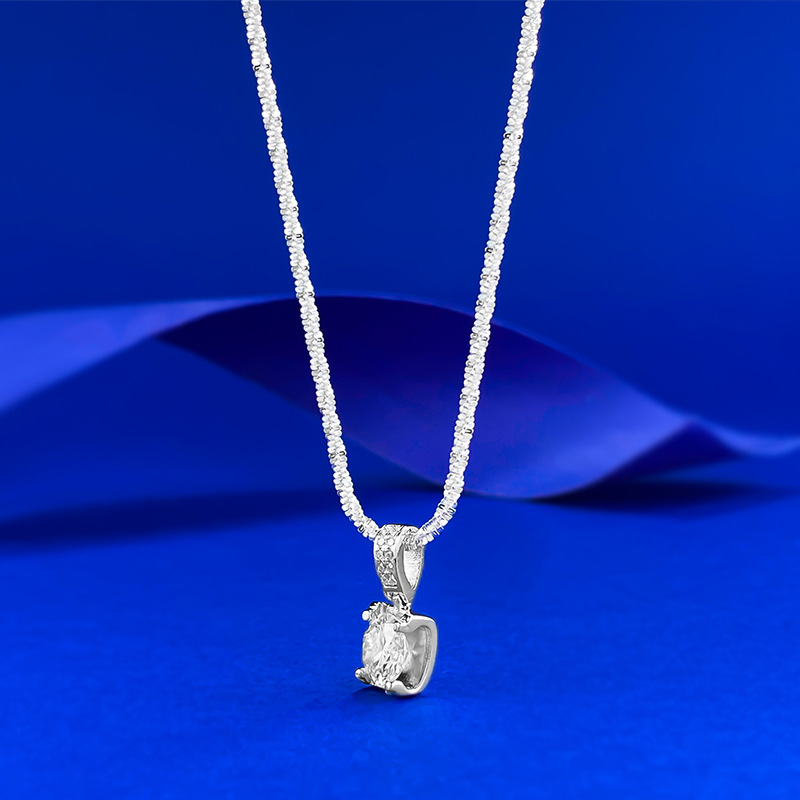
White Gold Replating Cost Before Buying: A Practical Jewelry Guide
White Gold Replating cost before buying is one of those details many shoppers learn only after the ring is already on their hand. It matters because most White Gold Jewelry gets its bright, icy finish from rhodium plating. That finish looks beautiful with lab-grown diamonds, but it does not last forever.
A white gold engagement ring worn every day usually needs more care than diamond studs or a pendant. Hands touch soap, lotion, sanitizer, gym equipment, keys, desks, and steering wheels. Earrings and necklaces avoid much of that friction, so their plating often lasts longer.
At StoneBridge Jewelry, we've found that shoppers feel more confident when they understand both the purchase price and the likely care costs. I've helped many couples compare metals right before choosing the ring, and this is one of those practical details that can make the whole decision feel calmer. White Gold Replating cost before buying helps you compare white gold with platinum, 14k with 18k gold, and simple settings with more detailed designs.
What White Gold Replating Cost Before Buying Really Means
White Gold Replating cost before buying refers to the expected cost of refreshing the rhodium layer on white gold jewelry after normal wear. Rhodium is a bright, reflective platinum-group metal. Jewelers apply it over white gold to create the crisp white look many shoppers expect.
Gold itself is yellow. To make white gold, jewelers mix pure gold with lighter metals such as silver, palladium, zinc, or nickel, depending on the alloy. According to GIA, 14k gold contains 58.3% pure gold, while 18k gold contains 75% pure gold. The rest is made of alloy metals that affect strength, color, and comfort.
Rhodium plating sits on the surface. Over time, it thins on high-contact areas. You may see a warmer tone on the underside of a ring, dull spots near the shank, or uneven color along edges and prongs.
That wear is normal. It does not mean the jewelry is poorly made. White Gold Replating cost before buying simply gives you a more honest view of long-term ownership (trust me, we see plenty of beautiful rings that just need a fresh finish).
Why White Gold Needs Rhodium Replating
White gold is not naturally the same bright white shade as rhodium. Even well-made white gold can have a soft gray, cream, or pale yellow undertone under the plating. Rhodium gives the metal its polished, cool-white finish.
Rings usually show wear first. The bottom of the band rubs against hard surfaces all day. Prongs and side details can also lose brightness, especially on engagement rings, wedding bands, and stackable rings.
Pendants, necklaces, and earrings often keep their finish longer. They touch skin and fabric, but they don't face the same daily impact as rings. Bracelets vary because they move against desks, sleeves, bags, and other jewelry.
White gold replating cost before buying matters most for pieces you'll wear daily. If you're choosing a lab-grown diamond engagement ring, a wedding band, or an anniversary ring, include future maintenance in the budget. A proposal ring carries a lot of emotion, and nobody wants a surprise maintenance cost to dull that happy, just-engaged feeling.
Signs Your White Gold May Need Replating
You may need replating if the ring looks yellowish on the bottom, feels dull after cleaning, or shows patchy color near high-contact areas. A jeweler can confirm whether the rhodium is worn or whether the piece needs polishing, prong work, or repair.
Don't wait until the setting looks damaged. A service visit can catch loose stones, thinning prongs, and weak spots early. That is especially helpful for pave, halo, channel, and eternity designs.
Typical White Gold Replating Cost Before Buying
White gold replating cost before buying usually falls in a broad range because jewelers price the work by item type, condition, size, and detail. Many simple white gold ring replating services cost about $40 to $150. Larger pieces, luxury settings, heavy polishing, repairs, shipping, or stone tightening can raise the total.
A plain white gold band is usually easier to clean, polish, and plate than a pave eternity band. A solitaire ring may be simpler than a hidden halo with tiny diamonds under the center stone. A tennis bracelet has more surface area and many more settings to inspect.
Use the $40 to $150 range as a planning number, not a promise. Ask for the exact policy Before You Buy. Some jewelers include inspection or a first replating service. Others charge separately for polishing, repairs, shipping, insurance, or stone checks.
White gold replating cost before buying should sit next to the ring price, diamond price, warranty terms, and resizing policy. A lower upfront price can still be a smart choice if future care is clear and affordable (yes, even on a budget).
What Changes the Replating Price?
The biggest cost factors are surface area, setting detail, polishing needs, and stone security. Wide bands and bracelets need more prep. Pave and halo designs need slower handling because small stones and prongs require careful inspection.
Scratches, dents, and residue can add labor. If a prong is worn or a stone is loose, the jeweler may recommend repair before plating. That protects the piece and helps the rhodium finish look even.
Location also matters. Repair pricing in a large city may differ from pricing in a smaller market. White gold replating cost before buying gives you a realistic question to ask before checkout: what would this exact piece cost to maintain?
Budgeting Example for a White Gold Engagement Ring
Here is a practical way to think about the numbers. Suppose you are comparing a 14k white gold solitaire with a certified 1.50 carat lab-grown diamond against the same design in platinum. The white gold version may cost several hundred dollars less upfront, depending on the setting weight and market pricing. If replating costs $75 to $125 every one to three years, you can estimate what the difference looks like over the first decade.
For some couples, that math still favors white gold because the upfront savings can go toward a better diamond cut grade, a slightly larger center stone, or a wedding band. For others, platinum makes more sense because they prefer less finish maintenance. Neither answer is automatically better; the right choice depends on how often the ring will be worn, how bright you want the metal to stay, and whether you mind sending the ring in for service.
14k vs. 18k White Gold Replating Expectations
White gold replating cost before buying can change slightly based on whether you choose 14k or 18k white gold. The karat does not decide everything, but it affects the metal underneath the rhodium.
14k white gold has more alloy metal than 18k. That can make it a practical choice for engagement rings, wedding bands, and daily stacks. Many shoppers like 14k because it balances durability, beauty, and value.
18k white gold has more pure gold. It feels luxurious and has a higher precious metal content, but it may show a warmer undertone as rhodium wears, depending on the alloy. It can also be a bit softer than 14k in some designs.
Honestly, I think 14k white gold is underrated for people who want a ring they can wear every day without babying it. If you work with your hands, lift weights, garden, or wear your ring daily, 14k white gold may be the easier choice. If you want higher gold content and you're careful with jewelry, 18k white gold can be lovely.
White Gold vs. Platinum: Which Costs More Over Time?
White gold replating cost before buying often comes up when shoppers compare white gold with platinum. White gold usually costs less upfront. Platinum is naturally white-gray and does not need rhodium replating in the same way.
Platinum is denser than gold, so a platinum ring often feels heavier. It can also cost more because of metal weight and labor. Instead of losing rhodium brightness, platinum develops a soft patina with wear.
The better metal depends on what you value. If you want a bright white finish and a lower starting price, white gold is a strong option. If you prefer a naturally white metal and want to avoid plating maintenance, platinum may be worth the higher upfront cost.
For many buyers, white gold leaves more room in the budget for diamond size, cut quality, or setting detail. I've seen couples choose white gold so they could move up in cut quality or choose a more meaningful center stone, and that can be a very smart tradeoff. You can compare certified lab-grown diamonds in our lab-grown diamond collection and decide how metal choice affects the full purchase.
How Design Style Affects White Gold Replating Cost Before Buying
White gold replating cost before buying is not the same for every design. A simple solitaire, a pave halo, and a full eternity band may all be white gold, but they do not require the same service time.
Solitaire rings are often more straightforward to inspect and refinish. Pave rings need extra care around small stones. Eternity bands can be more complex because diamonds circle the entire ring and leave less plain metal for resizing or polishing.
Wedding bands also vary. A plain band may be easy to replate. A wide band, engraved band, channel-set band, or diamond anniversary band may cost more because the jeweler needs to protect details while restoring the finish.
Before choosing a setting, review how it will wear. If you're still comparing ring shapes, metals, and diamonds, the StoneBridge ring builder can help you see how each choice changes the final piece.
Daily Wear Pieces Need the Most Planning
Engagement rings and wedding bands deserve the closest look because they see the most friction. If you wear rings every day, white gold replating cost before buying should be part of your budget from the start.
Earrings, pendants, and necklaces usually need less frequent replating. They still benefit from cleaning and safe storage, but they avoid most hard contact. A tennis bracelet sits in the middle because it moves often and has many small settings to inspect.
Setting Tradeoffs to Consider Before Checkout
A low-profile solitaire is often easier to live with than a tall, intricate design because it catches less on sweaters, gloves, and bags. Four prongs can show more of the diamond, while six prongs add a bit more security and can make a round diamond look slightly rounder. Bezel settings protect the edge of the diamond well, but they create a more metal-forward look and may slightly reduce the open, airy appearance some buyers want.
Pave and hidden halo settings add sparkle, but they also add tiny diamonds, tiny prongs, and more places for buildup to collect. If you love that look, choose it with clear expectations: plan for inspections, avoid hard knocks, and ask how melee stone replacement is handled. Channel settings are smoother than pave in many designs, yet they can be difficult to resize if diamonds run far around the band.
Diamond Specs That Matter with White Gold
White gold is a bright metal, so diamond color and cut choices show clearly. For many lab-grown diamond engagement rings in white gold, D through H color gives a crisp look. I color can still be beautiful, especially in round brilliants or yellow gold settings, but step cuts like emerald and Asscher tend to reveal color more easily because their facets are broad and mirror-like.
Clarity depends on the shape and size. Many shoppers do well with eye-clean VS2 or SI1 diamonds in brilliant cuts, while emerald, Asscher, and larger oval or radiant cuts may look better in VS1 or higher if inclusions sit near the center. Always review the actual diamond images and grading report, not just the grade listed on the product page.
Cut quality deserves the most attention. A well-cut 1.25 carat diamond can look brighter and more lively than a poorly cut 1.50 carat diamond. For round diamonds, look for an excellent or ideal cut grade from a respected grading lab. For fancy shapes, compare length-to-width ratio, symmetry, bow-tie appearance, and video performance because the report alone will not tell the whole story.
Certification and Paperwork
For a significant lab-grown diamond purchase, ask for an independent grading report from a recognized laboratory such as GIA, IGI, or GCAL. The report should list the diamond's carat weight, measurements, color, clarity, polish, symmetry, fluorescence if applicable, and growth method notes when provided. Match the report number to the diamond inscription when possible.
Keep the appraisal, sales receipt, grading report, and warranty information together. These documents matter for insurance, returns, resizing questions, and future service. If you ever send the ring in for replating, photograph the ring first and record the center diamond report number for your own peace of mind.
Sizing, Resizing, and Fit in White Gold Rings
Ring size affects comfort, security, and future service. A ring that is too tight can be uncomfortable in warm weather, while a ring that spins too much may wear unevenly and expose prongs to more impact. Wider bands usually feel tighter than thin bands, so a 6 mm wedding band may need a slightly larger size than a delicate engagement ring.
White gold rings can often be resized, but the design matters. Plain shanks and solitaires are usually the easiest. Eternity bands, engraved designs, tension-style rings, and bands with diamonds far down the sides may have limited resizing options. Before buying, ask how many sizes the ring can safely move and whether resizing affects the warranty or plating.
If you are ordering a surprise engagement ring, use an existing ring from the correct finger if possible, or choose a temporary size with a clear resizing policy. Finger size changes with temperature, salt intake, pregnancy, travel, and time of day, so avoid measuring only once after a workout or on a very cold morning.
How to Reduce Replating Costs After Purchase
Good habits can stretch the time between replating appointments. Remove white gold rings before swimming, cleaning, gardening, lifting weights, or applying lotion and sunscreen. Chlorine, bleach, ammonia, abrasives, and constant rubbing can all shorten the life of the rhodium finish.
Clean white gold gently at home. Use warm water, mild dish soap, and a soft brush. Rinse well and dry with a lint-free cloth. Skip toothpaste, baking soda scrubs, rough polishing cloths, and harsh dips unless your jeweler says they are safe for that exact piece.
Storage makes a difference too. Keep diamond jewelry separate so stones don't scratch metal or other gems. Use soft pouches, lined boxes, or divided compartments.
Professional inspections can save money. Many jewelers recommend checking daily-wear rings every six to twelve months. A quick inspection can spot lifted prongs, loose melee diamonds, worn shanks, and early damage before the repair bill grows. Here's what nobody tells you: the small checkups are usually far less stressful than waiting until a stone feels loose.
Ask These Questions Before You Buy
Ask clear service questions before checkout. Is the first rhodium replating included? Are six-month or annual inspections free? Does the warranty cover polishing, prong tightening, stone loss, or only manufacturing defects?
Also ask whether you pay shipping, insurance, or handling for service. If the piece has pave or an eternity design, ask how resizing and future maintenance work. These answers make white gold replating cost before buying easier to compare across jewelers.
Shipping, Returns, and Service Policies
For Online Jewelry Purchases, review shipping and return terms as carefully as you review the diamond. Look for insured shipping, signature requirements, secure packaging, and clear timing for made-to-order pieces. If the ring needs resizing after delivery, ask whether the return window pauses during service or continues while the ring is away.
Custom rings, engraved bands, modified settings, and special-order diamond pieces may have different return rules than standard inventory. That does not mean you should avoid them, but you should understand the policy before payment. A strong service policy can be worth real money when you are comparing two similar white gold rings.
Why White Gold Works So Well with Lab-Grown Diamonds
White gold pairs beautifully with lab-grown diamonds because the rhodium finish gives diamonds a clean, bright frame. This matters most with colorless and near-colorless stones. GIA grades colorless diamonds D, E, and F, while near-colorless diamonds fall from G through J.
A bright white setting can support the crisp look many shoppers want in round, oval, emerald, cushion, pear, and radiant cuts. It does not replace good cut quality, though. Cut still drives sparkle, so compare diamond proportions, grading reports, and setting style together.
Lab-grown diamonds can also help with budgeting. Many shoppers choose a larger carat weight, a better cut grade, or a more detailed setting while still planning for future care. White gold replating cost before buying keeps that plan realistic.
If you're looking beyond rings, browse fine jewelry styles such as diamond studs, pendants, bracelets, and anniversary gifts in white gold. A white gold pendant or pair of studs can make a beautiful wedding morning gift, anniversary surprise, or milestone piece without the same upkeep schedule as a daily-wear ring.
Allergies, Nickel, and Comfort
Some white gold alloys contain nickel. If you have nickel sensitivity, ask about the alloy Before You Buy. Rhodium can act as a barrier at first, but sensitive skin may react if the plating wears thin.
Nickel-free white gold, palladium-based white gold, platinum, or another metal may be a better fit. If a ring causes itching, redness, or irritation, stop wearing it and speak with a healthcare professional. Then ask a jeweler about safer metal options.
Comfort matters as much as beauty. A ring should Fit Your Style, budget, and skin. It should also match how you live.
Common Mistakes to Avoid
One common mistake is choosing the most delicate setting because it looks beautiful in photos, then wearing it through every workout, vacation, and household project. Fine prongs and micro-pave can be perfectly appropriate, but they need realistic care. Another mistake is judging value by carat weight alone. A larger diamond with weak cut quality may look flat beside a slightly smaller, brighter stone.
Buyers also forget to compare the total ownership package. A ring with a lower price but no resizing support, unclear warranty terms, and expensive insured shipping for service may not be the best deal. Before buying, confirm the metal, diamond report, setting details, estimated production timeline, return eligibility, resizing options, and expected white gold replating cost before buying. Those details make the purchase feel less like a guess and more like a plan.
Shop White Gold Jewelry with Confidence
White gold replating cost before buying gives you a clearer way to compare fine jewelry. You can weigh the upfront price, future care, metal comfort, setting durability, and warranty support before you commit.
White gold remains popular for good reason. It looks bright, elegant, and clean with lab-grown diamonds. It often costs less than platinum upfront, and periodic replating can refresh the finish you loved on day one.
Ready to compare options? Browse white gold engagement rings, build a custom ring with the StoneBridge ring builder, or contact our jewelry experts for help choosing the right metal and care plan.
Ready to Find Your Perfect Diamond?
Explore our collection of certified lab-grown diamonds
Shop Diamonds