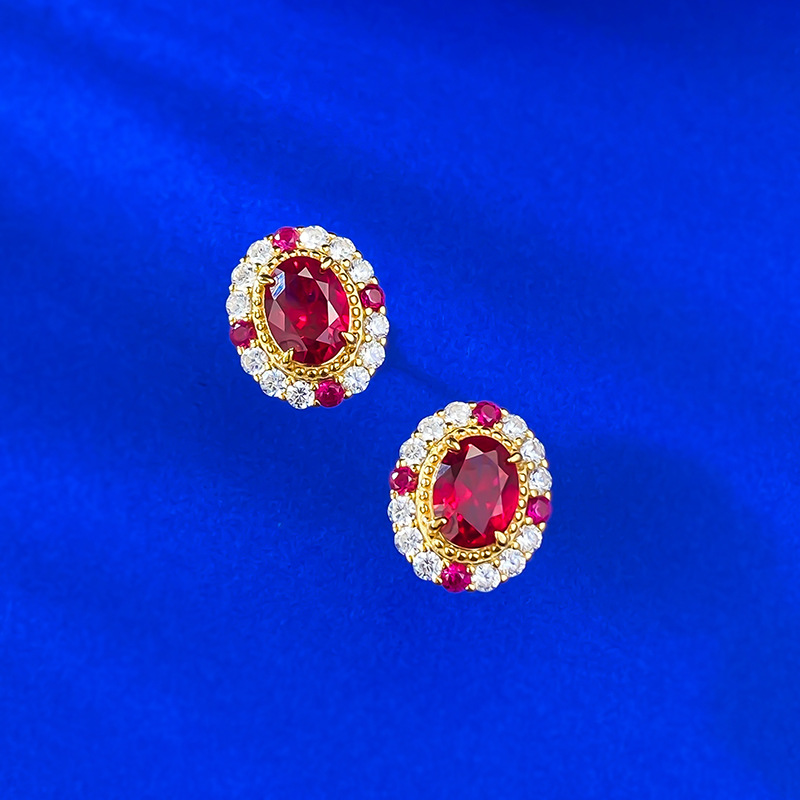
White Gold Diamond Earrings Metal Comparison: White Gold vs Platinum vs Yellow Gold
A White Gold Diamond earrings metal comparison matters because the metal shapes the whole experience. It affects how bright the diamonds look, how the earrings feel on the ear, how much upkeep they need, and what you pay. The setting is the frame, and the frame changes the finished piece. I’ve helped hundreds of couples choose earrings for proposals, anniversaries, and wedding-day gifts, and the metal is usually the detail that changes their mind at the last minute (trust me, I’ve seen it happen).
If you are shopping for stud earrings, diamond studs, hoop earrings, huggie earrings, drop earrings, or dangle earrings, start with the metal before you lock in the stone. GIA notes that platinum jewelry is commonly marked platinum 950, which means 95% platinum. In gold jewelry, 14k is 58.5% pure gold and 18k is 75% pure gold. Those numbers affect color, weight, durability, and price.
If you are still comparing stones, you can shop our lab-grown diamonds and see how the same diamond looks in different settings. You can also browse our jewelry collection to compare styles side by side before you decide.
White Gold Diamond Earrings Metal Comparison: What Changes Most
A White Gold Diamond earrings metal comparison usually comes down to three things: appearance, wear, and upkeep. White gold gives a bright, clean finish. Platinum brings a naturally white, dense feel. Yellow gold adds warmth and contrast. Honestly, I think the right answer is rarely about “best” in the abstract; it is about Which Metal Fits how you actually live.
Many shoppers start with color and end with comfort. That makes sense, because earrings sit close to the skin and get worn often. A pair that looks perfect in the case can feel different after a full day.
White Gold: Bright, Easy to Wear, and Popular
White gold is made by blending pure gold with white metals, then finishing it with rhodium plating. That top layer gives the metal its cool, mirror-like look. It also helps diamond studs stand out without a yellow cast.
In a white gold diamond earrings metal comparison, white gold often wins on value. 14k white gold is a strong everyday pick because it is usually harder than 18k. 18k white gold has more gold in the mix, so it can feel richer and slightly softer. In my 10 years at StoneBridge, I’ve found that 14k is the sweet spot for shoppers who want sparkle, durability, and a price that still leaves room in the budget (yes, even on a budget).
Best Styles in White Gold
White gold works especially well for diamond studs, small hoops, and huggies. Those styles need a clean frame, not a heavy one. It also suits drop earrings when you want the stones to stay front and center.
Care Notes for White Gold
The main tradeoff is upkeep. White gold usually needs replating over time as the rhodium layer wears down. That does not mean the earrings are failing; it just means the finish needs a refresh to keep the bright white look.
For daily wear, a quick cleaning and a yearly check are smart habits. If you like a polished, icy look and want a lower starting price, white gold is hard to beat.
What to Ask Before Buying White Gold
Ask whether the piece is 14k or 18k, whether it is rhodium plated, and how the maker finishes the back side of the earring. Some white gold earrings look identical from the front but feel very different in the ear because of the post length, backing style, or the way the setting distributes weight. If you are comparing two similar pairs, those details can matter more than a tiny difference in diamond size.
Also ask whether the earrings are nickel-free if you have sensitive skin. White gold alloys can vary, and while many people wear them comfortably, not every alloy is the same.
Platinum: Dense, Secure, and Naturally White
Platinum is the premium choice in many white gold diamond earrings metal comparison conversations. It is naturally white, so it does not depend on rhodium for color. It also feels heavier in the hand, which many buyers read as quality.
That weight can be a real plus in diamond studs and premium hoops. Platinum is dense, so it supports prongs and settings well over time. If you wear earrings every day and want a metal that feels substantial, platinum deserves a close look.
Where Platinum Shines
Platinum is a strong fit for heirloom pieces, gift purchases, and high-value studs. It is also a smart option for shoppers with sensitive ears. Many people who react to some gold alloys do better with platinum.
Here’s what nobody tells you: when someone is choosing earrings for a milestone gift, platinum often feels more emotionally reassuring. There is something about that weight and permanence that makes the piece feel serious, especially for an engagement celebration, wedding gift, or first big anniversary.
Patina and Upkeep
A white gold diamond earrings metal comparison can get confusing here, because platinum wears differently. It tends to develop a soft patina instead of losing metal in the same way some people expect. Some shoppers love that soft sheen. Others prefer a high-polish finish and ask a jeweler to restore it from time to time.
Platinum usually needs less color maintenance than white gold, but it still benefits from cleaning and inspection. If long-term security matters more than upfront price, platinum is the strongest premium pick.
When Platinum Is Worth the Upgrade
Choose platinum if the earrings are meant to be worn constantly, if the diamond is relatively large, or if you want the most secure feel around the setting. For studs above 1 carat total weight, the extra density can be reassuring because the pair carries more visual and physical presence. Platinum also makes sense if you expect to pass the earrings down later and want a metal that ages with a quiet, lived-in character rather than a bright, plated finish.
Yellow Gold: Warm Contrast with a Classic Feel
Yellow gold changes the mood of a pair quickly. Instead of a bright, cool frame, you get warmth and contrast. That can be striking, especially if you like a more classic or fashion-forward look.
In a white gold diamond earrings metal comparison, yellow gold is the style choice. It is not trying to mimic platinum or white gold. It gives the diamond a different personality, and I like that it has confidence. It does not ask for permission.
When Yellow Gold Makes Sense
Yellow gold works well for statement hoops, drop earrings, and dangle earrings. It can also look beautiful with white diamonds if you want contrast rather than an icy finish. If your wardrobe leans warm, yellow gold often feels the most natural.
It is also a lovely pick for sentimental gifts. I have seen yellow gold earrings chosen for mothers, bridesmaids, and new graduates because the color feels familiar and generous, almost like a small keepsake with a warm glow.
Yellow Gold and Diamond Color
Yellow gold can be forgiving with slightly warmer diamonds because the metal itself adds warmth. If you are choosing a near-colorless stone and want the brightest possible appearance, a white metal may show that crispness more clearly. But if the diamond is set in a design with smaller stones or decorative halos, yellow gold can create a rich contrast that makes the center stone feel more intentional rather than less white.
White Gold Diamond Earrings Metal Comparison: Side-by-Side
Here is the clearest way to compare the three metals.
| Factor | White Gold (14k / 18k) | Platinum (950) | Yellow Gold (14k / 18k) |
|---|---|---|---|
| Look | Bright, modern, reflective | Naturally white, soft patina over time | Warm, classic, rich |
| Durability | Strong; 14k is usually harder than 18k | Excellent for long-term wear | Strong; 14k is usually more durable than 18k |
| Feel | Light to medium | Heavier and more dense | Light to medium |
| Sensitivity | Depends on the alloy | Often best for sensitive ears | Depends on alloy mix |
| Upkeep | Replating and cleaning | Cleaning, inspection, and polishing | Routine cleaning |
| Price | Usually below platinum | Highest typical cost | Often close to white gold |
| Best use | Everyday studs, hoops, huggies | Premium studs and heirloom pieces | Warm, statement-driven styles |
A white gold diamond earrings metal comparison gets easier once you see the tradeoffs in one place. White gold gives you the brightest look for the money. Platinum gives you the most premium feel. Yellow gold gives you the warmest finish.
Typical Price Differences
For comparable designs, white gold is usually the most budget-friendly precious metal choice, especially in 14k. Yellow gold often lands in a similar range, though the final price depends on the maker, the diamond quality, and whether the design is simple or detailed. Platinum is usually the most expensive because the raw metal costs more and the finished piece often uses more metal by weight.
As a rough shopping guide, the metal difference on small stud earrings may be modest, while the gap becomes more noticeable on larger hoops, heavier huggies, or multi-stone drop earrings. In plain terms: the more metal the design uses, the more that platinum premium shows up.
Diamond Specs That Pair Well With Each Metal
The metal is only half the decision. The diamond specs determine whether the earrings look crisp, balanced, and worth the money. For earrings, especially stud earrings, buyers often focus on total carat weight, but that number alone is not enough. Two pairs with the same total carat can look very different if one has better cut quality or better matching.
Cut, Color, and Clarity for Earrings
For Round Diamond Studs, prioritize cut first. A well-cut diamond returns more light, which matters a lot in earrings because the stones are viewed from a distance and move with the face. If the cut is weak, even a larger pair can look sleepy. For lab-grown or natural diamonds, look for Excellent or Ideal cut grades when available.
Color is easier to manage in earrings than in a center stone ring because earrings are smaller and sit away from the face. Many shoppers are happy in the near-colorless range, often around G-H for white metals and H-I for yellow gold, though personal preference matters. If you are picking white gold or platinum, a higher color grade can make the pair look brighter and more seamless against the metal.
Clarity does not need to be the highest grade for most earrings. VS2 to SI1 can be a practical sweet spot if the inclusions are not visible face-up. Since earrings are worn as a pair, matching matters more than perfection on paper. A matched pair with similar dimensions and symmetry usually looks better than two individually impressive stones that do not quite balance.
Certification and Matching
Ask for a grading report from a trusted lab when the stones are significant in size or value. GIA is widely respected for natural diamonds, and IGI is commonly used for lab-grown diamonds. Some shoppers also look for GCAL or other recognized reports. What matters most is that the diamonds are independently graded and that the pair is matched for size, color, clarity, and cut so they read as a true set.
If you are comparing white gold diamond earrings metal comparison options with similar stone quality, a better certification can help justify a higher price. It also makes resale, insurance, and future appraisals easier.
Carat Weight, Size, and Wearability
For studs, total carat weight is often more useful than carat per stone. A half-carat total weight pair will look delicate and daily-wear friendly, while a one-carat total weight pair starts to feel more noticeable, and two carats total makes a clear statement. The right choice depends on ear size, hairstyle, and how often you want the earrings to stand out.
As a practical note, larger stones need stronger settings and better backs. That is where platinum can earn its keep, especially in classic four-prong or martini settings. A larger pair in white gold can still be secure, but the design should be sturdy enough to support the weight without tipping forward.
Setting Details That Matter More Than People Think
When people compare metals, they sometimes forget the setting can change the whole wearing experience. A secure and flattering setting can make a modest stone look better than a larger stone in a poorly designed mount.
Prong, Bezel, and Basket Settings
Prong settings let in the most light, which is why they are common for diamond studs. White gold and platinum both work well here, but platinum can feel a little more reassuring if the stone is larger or worn daily. Bezel settings wrap more metal around the stone, which can be excellent for active wear, but they create a different look and can slightly reduce the open sparkle you get from prongs. Basket settings add structure and support, which can help the stone sit securely and evenly on the ear.
If you like a very airy look, white gold prongs are often the cleanest choice. If you want a more protected feel, platinum or yellow gold in a bezel or low-profile basket may be better.
Post Length, Backings, and Comfort
Comfort is not a small detail. Stud earrings usually come with posts around a standard length, but the right fit depends on your earlobes and how you like the backing to sit. Friction backs are common and easy to use. Screw backs add extra security and can be helpful for valuable earrings or for people who lose backs often. La Pousette or locking backs are another option for shoppers who want a tighter hold.
For hoops and huggies, diameter matters as much as the metal. A 10 to 12 mm huggie sits close to the ear and reads as neat and modern, while a 14 to 16 mm hoop gives a little more movement and visual presence. The wrong size can feel too tight or too loose, so check the inside diameter and the closure type Before You Buy.
Why Metal Choice Affects Setting Security
Platinum’s density makes it a favorite when the setting has to hold up over time. It is often a smart choice for prongs that need to keep their shape. White gold can also be strong, especially in 14k, but because it is plated for color, some buyers prefer platinum when they want the metal itself to stay the same shade over years of wear. Yellow gold is beautiful in many settings too, but if you want the crispest contrast around a white diamond, the white metals still tend to read more modern.
How to Choose the Right Metal
Start with how often you will wear the earrings. If they are for everyday use, comfort and finish matter more than a small price difference. Then think about sensitivity. If your ears react easily, platinum moves to the front of the line.
After that, match the metal to the earring style. Studs and diamond studs usually look cleanest in white metals. Hoops and huggies often lean white gold because it balances value and shine. Drop earrings and dangle earrings can look more dramatic in yellow gold.
Best Metal by Lifestyle
If you want one pair to wear to work, on weekends, and for special occasions, 14k white gold is often the most practical all-around choice. If you want an heirloom-level pair that you may never take off, platinum is the strongest long-term option. If your wardrobe leans warm or vintage, yellow gold gives you a cohesive look without trying to imitate anything else.
Also think about maintenance habits. If you know you will not remember to inspect or replate jewelry, platinum may save you frustration. If you love the crisp white look and do not mind periodic maintenance, white gold is still an excellent option.
Buying Mistakes to Avoid
The biggest mistake in a white gold diamond earrings metal comparison is choosing only by color. Metal is about wear, not just style. A pair can look beautiful in the box and still be the wrong choice if it irritates your skin, feels too heavy, or requires more upkeep than you want.
Common Buyer Errors
One common mistake is buying based on carat weight alone. Bigger is not always better if the cut is mediocre or the pair is poorly matched. Another mistake is ignoring the backing type. A high-value pair with loose friction backs is more likely to get lost than a well-designed pair with secure locking backs.
People also underestimate how often white gold needs replating. If you want a metal that stays naturally white, platinum is the easier long-term answer. And if you are buying yellow gold because it is less expensive, make sure the design actually suits the warm metal; not every diamond style benefits from contrast.
Return Policies and Shipping
Before You Buy, check the return window and whether the earrings must be unworn and in original packaging. Fine jewelry retailers often ship with insurance and require a signature, which is a good thing. If the piece is a gift, ask whether the seller can include plain packaging or a gift receipt. You should also confirm whether the earrings are final sale, especially for customized designs or engraved pieces.
Shipping protection matters more for earrings than many shoppers realize. Insured shipping, tracking, and a clear delivery confirmation are non-negotiable for valuable diamond jewelry. If the pair comes with a certificate, appraisal, or grading report, make sure those documents are included in the shipment or available digitally.
Care and Long-Term Maintenance
All fine earrings need care, but each metal has a different rhythm. White gold benefits from regular cleaning and occasional replating. Platinum needs cleaning and polish refreshes, but it does not rely on a plated finish for color. Yellow gold is straightforward, but it can still pick up scratches and residue from lotions, hairspray, and daily wear.
Simple Care Rules
Use warm water, mild soap, and a soft brush for routine cleaning. Dry the earrings carefully and store them separately so the posts and backs do not scratch other jewelry. Take them off before swimming, heavy workouts, or using harsh cleaners. Chlorine, saltwater, and perfumes are especially unkind to fine finishes over time.
If you wear white gold frequently, expect the rhodium finish to brighten with a jeweler’s touch-up whenever the color starts to look slightly warmer or grayer. For platinum, soft polishing can restore a sharper shine if you prefer a more reflective look. A yearly inspection is a smart habit for any diamond earring, especially if the setting is prong-based.
Storage Tips
Keep matching backs together and store each pair in a fabric-lined box or pouch. For studs, it helps to fasten the backs loosely during storage so the posts do not bend. If you travel often, use a case with individual slots. That small habit prevents bent posts, lost backs, and unnecessary scratches.
FAQ: White Gold Diamond Earrings Metal Comparison
Which metal is best for diamond studs if I want value and brightness?
White gold is usually the best place to start if you want a bright look without paying platinum prices. It gives diamond studs a clean frame and keeps the purchase more accessible. If you plan to wear the studs every day, 14k white gold is a practical choice because it is typically harder than 18k. Platinum is still the better move if long-term durability is your top priority.
Do white gold diamond earrings need replating?
Yes, white gold often needs replating because the rhodium finish wears down with use. How fast that happens depends on wear, storage, and friction from hair or clothing. A jeweler can bring back the bright white finish when it starts to look softer. If you want a lower-maintenance metal, platinum may fit you better.
Are platinum earrings better for sensitive ears?
Platinum is usually the safest choice for shoppers with sensitive ears. It is a high-purity metal, and many people who react to some gold alloys do better with it. If you have had skin issues with jewelry before, ask about the exact alloy Before You Buy. That one step can save you a lot of guesswork later.
What is the best metal for hoops and huggies?
White gold is often the best mix of style, price, and shine for hoops and huggies. Platinum is the premium option if you want a denser feel and less concern about the metal over time. Yellow gold still makes sense if you want a warmer look that stands out more. The right answer depends on the outfit and how often you plan to wear them.
How often should I have white gold earrings checked?
Once a year is a good benchmark for most fine earrings. A jeweler can check the prongs, inspect the finish, and tell you whether replating is needed. If you wear the pair daily, you may want to look at them a little more often. Small checks now help keep the setting secure later.
Should I choose natural or lab-grown diamonds for earrings?
Either can work beautifully, and the metal choice does not change that. Lab-grown diamonds often let you choose a larger or higher-color pair for the same budget, which is useful if you want a crisp white look in platinum or white gold. Natural diamonds may carry more traditional appeal. The best choice depends on your budget, values, and whether you care more about size or origin. If you are comparing both, make sure the grading report and matched-pair quality are equally clear for either option.
Final Take
For most shoppers, the best answer in a white gold diamond earrings metal comparison is white gold first, platinum second, and yellow gold for style-led choices. White gold gives the broadest appeal and the best price-to-look ratio. Platinum is the premium move when you want density, security, and a naturally white finish. Yellow gold is the warm, classic option when you want the metal to make a statement of its own.
If you want to compare stones before you choose a setting, shop our lab-grown diamonds. If you want help matching the metal to a specific pair, browse our jewelry collection or contact our jewelry experts for guidance.
Ready to Find Your Perfect Diamond?
Explore our collection of certified lab-grown diamonds
Shop Diamonds