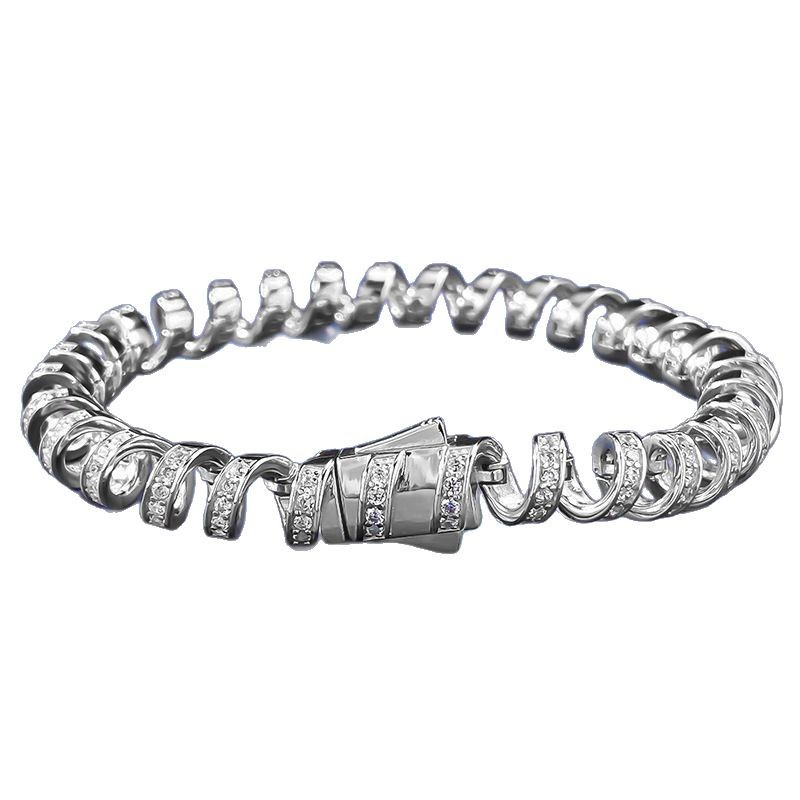
Tennis Bracelet Quality Checklist: How to Buy One That Lasts
A Diamond Tennis Bracelet should feel easy to wear, not fragile or fussy. It may mark an anniversary, become your everyday sparkle, or finish a dressy look with one clean line of light. Because it carries both sentimental and financial value, a Tennis Bracelet Quality Checklist helps you look past first impressions.
The best bracelets bring together diamond matching, metal strength, secure settings, smooth movement, and a clasp you can trust. This tennis bracelet quality checklist works for lab-grown Diamond Tennis Bracelets and natural diamond tennis bracelets. Use it online, in a showroom, or while comparing two pieces that look similar at first glance.
Why a Tennis Bracelet Quality Checklist Matters
A tennis bracelet looks simple: diamonds set in a flexible line around the wrist. That simplicity is exactly why quality matters. Every stone, prong, link, and clasp has to do its job.
Two bracelets can both be listed as 3.00 carats total weight and still feel very different. One may have brighter diamonds, better matching, heavier metal, and a firmer clasp. The other may win on price but lose on daily comfort and long-term wear.
This tennis bracelet quality checklist keeps the comparison honest. It helps you judge sparkle, structure, fit, and service before you commit. Who wants to spend fine-jewelry money on a bracelet that feels risky to wear?
Lab-grown diamonds deserve the same review as natural diamonds. They share the same core chemical composition as mined diamonds, but cut, color, clarity, and matching still vary. A lab-grown bracelet is only a smart buy when the craftsmanship supports the beauty.
In my years helping StoneBridge customers choose milestone jewelry, I’ve learned that the bracelet people love most is rarely the one with the flashiest spec sheet. It is the one they actually feel comfortable wearing to dinner, to work, and to family celebrations without worrying every time they move their wrist.
What Makes a Tennis Bracelet Different
A tennis bracelet is a flexible line bracelet set with evenly matched diamonds or gemstones. Unlike a bangle, it bends with the wrist. Unlike a station bracelet, the stones usually run in a continuous row.
The style became famous after tennis champion Chris Evert stopped a match to find her diamond line bracelet. The story stuck because it proved a useful point: a bracelet made for movement needs real security.
Use this quick comparison Before You Buy:
- Bangles are rigid or semi-rigid and do not drape around the wrist.
- Station bracelets place diamonds at intervals along a chain.
- Link bracelets highlight metal links, often with diamond accents.
- Chain bracelets rely on metal pattern and movement.
- Tennis bracelets need consistent stones, strong settings, and secure clasps.
A good tennis bracelet quality checklist should focus on real wear. The bracelet turns, brushes against sleeves, rests on desks, and moves all day. Beauty matters, but construction keeps the piece wearable.
Diamond Quality in a Tennis Bracelet Quality Checklist
Diamond quality is the first major test. Still, a tennis bracelet is not judged exactly like a solitaire ring. Instead of one center stone, you are judging a row of smaller diamonds working together.
The 4Cs, cut, color, clarity, and carat weight, still matter. The Gemological Institute of America, or GIA, created the 4Cs system used across the diamond trade. For bracelets, the most important question is whether the diamonds look even as a group.
A bracelet with lively, well-matched diamonds can look finer than one with higher listed grades but uneven stones. Look for a continuous ribbon of light. The diamonds should not shift from bright to dull, icy to warm, or large to small as your eye moves across the wrist.
Cut and Brilliance
Cut has the biggest effect on sparkle. Even small bracelet diamonds need good proportions and symmetry to return light well. A poorly cut diamond can look flat, even when the color and clarity sound impressive.
Your tennis bracelet quality checklist should include one simple test: does the sparkle stay consistent from end to end? Move the bracelet under soft indoor light and daylight if you can. Showroom lighting can flatter almost anything (trust me, I’ve seen it happen).
Many bracelet diamonds are small and may not have individual grading reports. That makes visual review and seller transparency more important. Ask for quality ranges, not vague claims.
Color, Clarity, and Matching
Color matching matters because the stones sit side by side. A warmer diamond can stand out in white gold or platinum. Near-colorless diamonds can look beautiful in a bracelet when they match well.
Clarity should be practical. For smaller bracelet diamonds, eye-clean stones often make more sense than paying for flawless grades. GIA clarity grading considers the size, position, nature, color, and relief of inclusions, but your unaided eye is the key test for most bracelet stones.
Check for cloudy diamonds, dark inclusions, uneven color, and dull sections. If one stone keeps catching your eye for the wrong reason, do not ignore it.
Honestly, I think matching is where many bracelets either win you over or lose you completely. One slightly off-color diamond may sound minor on paper, but in a straight line of stones, your eye finds it fast.
Carat Weight and Stone Size
Total carat weight tells you the combined diamond weight. It does not tell you the size of each diamond unless you also know the stone count. A 5.00 carat total weight bracelet with many small stones looks different from one with fewer larger stones.
Larger diamonds create more wrist presence, but they may sit higher and feel less flexible. Smaller diamonds often drape more easily and suit daily wear. Your tennis bracelet quality checklist should balance size with comfort.
Calibration is the quiet detail that makes a bracelet look expensive. The stones should line up cleanly in diameter and height. Uneven spacing or raised diamonds can make even a costly bracelet look unfinished.
Settings, Metal, and Craftsmanship
The setting holds the bracelet together, so it deserves close attention. Diamonds rank 10 on the Mohs hardness scale, but that does not mean the bracelet is maintenance-free. Prongs, links, and clasps can still wear with use.
Common setting styles include prong, shared prong, bezel, and channel-style designs. Each one changes the look and the level of protection.
| Setting Style | Best For | Quality Check |
|---|---|---|
| Prong setting | Classic sparkle and light return | Prongs should be even, smooth, and tight |
| Shared prong setting | A delicate diamond line | Check spacing and prong strength carefully |
| Bezel setting | Modern style and edge protection | Bezels should be smooth and evenly shaped |
| Channel-style setting | Sleek sides and a protected profile | Stones should sit level without visible gaps |
Metal choice affects durability, color, and feel. Fourteen-karat gold contains 58.3% pure gold and is popular for daily jewelry because it balances strength and value. Eighteen-karat gold contains 75% pure gold and has a richer tone, but it can be softer.
Platinum is naturally white and dense. It costs more in many cases and develops a soft patina over time. Some buyers love that lived-in finish; others prefer the bright polish of rhodium-plated white gold.
If you are comparing diamond specifications, StoneBridge Jewelry's lab-grown diamond education and selection can help you understand how cut, color, clarity, and value work together. The same logic applies to bracelets.
Prong and Stone Security
Prongs should hold each diamond evenly. They should not snag, lean, or look rough. Run your eyes along both edges of the bracelet and check for stones that look tilted or crowded.
A practical tennis bracelet quality checklist includes a loose-stone check. Do not push hard on the diamonds at home. Instead, listen for rattling, look for gaps, and ask a jeweler to inspect anything suspicious.
Our customers often tell us the clasp gets most of their attention at first. After a few months of wear, they start noticing prong smoothness, comfort, and how easily the bracelet cleans. Those small details shape daily satisfaction.
Here’s what nobody tells you: a bracelet can be gorgeous in a photo and still feel annoying if the prongs are scratchy or the underside is unfinished. Comfort is not a bonus. It is part of quality.
Metal Finish and Weight
Popular choices include 14k yellow gold, 14k white gold, 14k rose gold, 18k gold, and platinum. The best option depends on budget, skin tone, existing jewelry, and care preferences.
White gold is usually finished with rhodium plating for a bright white look. That plating can wear and may need refreshing. Yellow gold and rose gold show their natural color without plating.
Metal weight matters. A bracelet that feels oddly light for its size may have less support around the stones and links. Look for clean polishing, smooth edges, solid hinges, and neat finishing on the underside too.
Flexibility and Link Construction
A quality tennis bracelet should move smoothly. It should not kink, twist, or fight the curve of the wrist. Good articulation lowers stress on the links and makes the bracelet more comfortable.
Lay the bracelet flat and look at the line. Then hold it from one end and watch how it drapes. Stiff sections, uneven gaps, or twisting can point to weaker construction.
This is where a tennis bracelet quality checklist protects you from buying by sparkle alone. Fluid movement is one of the clearest signs of careful workmanship.
Clasp, Safety Features, and Fit
The clasp is a small part with a big job. A tennis bracelet sits on an active part of the body, so the closure must feel secure. A beautiful bracelet is not useful if you are afraid to wear it.
Common clasp types include box clasps, fold-over clasps, hidden clasps, and figure-eight safety locks. Box clasps are common because they blend into the bracelet line and close firmly. Higher-value bracelets often benefit from one or two extra safety features.
Fit affects security too. A bracelet that is too loose can slide over the hand or catch on objects. A bracelet that is too tight can strain links and feel uncomfortable.
Most ready-made tennis bracelets are around 7 inches long, but wrists and preferences vary. Measure with a soft tape or a strip of paper. Wider bracelets may need a bit more room.
How to Check the Clasp
A secure clasp should close with a firm click. It should not feel soft, loose, or crooked. If you are shopping online, ask for a short clasp video.
Figure-eight safeties should snap into place and sit close to the bracelet. They should not poke your wrist or swing loosely. If the safety feels flimsy, treat that as a warning sign.
Your tennis bracelet quality checklist should treat clasp quality as non-negotiable. The closure should match the value of the piece, not feel like an afterthought.
How a Tennis Bracelet Should Fit
A tennis bracelet should feel secure with slight movement. It should not squeeze your wrist, and it should not slide so far that it can move over your hand.
A useful rule is about one finger of space between the bracelet and wrist. If you layer bracelets, you may prefer a little more room. If you wear it daily at work or while traveling, a closer fit may feel safer.
Lifestyle matters. If you type all day, a lower-profile bracelet may feel better. If you want a special-occasion piece, larger diamonds and more wrist presence may be worth the extra height.
I’ve helped customers choose tennis bracelets for anniversaries, wedding mornings, graduation gifts, and quiet “you deserve this” moments. The sweetest purchases are usually the ones where the giver has thought about how the bracelet will live with the person, not just how it will look in the box.
Online and In-Person Tennis Bracelet Quality Checklist
A clear inspection routine makes shopping easier. Start with the look, then verify the details. The bracelet should appeal to your eye first, but the specifications should explain why it looks good.
Use this tennis bracelet quality checklist Before You Buy:
- Check the diamond line for even sparkle, color, size, and spacing.
- Confirm total carat weight, stone count, diamond shape, metal type, bracelet length, and clasp design.
- Ask about grading details from GIA, IGI, or another recognized source when available.
- Inspect prongs, bezels, channels, and stone alignment.
- Test flexibility and make sure the bracelet drapes smoothly.
- Open and close the clasp several times, or request a video.
- Review return windows, warranty terms, resizing options, and repair support.
- Compare value, not just the lowest price.
Third-party grading reports are especially useful for larger diamonds or higher-value pieces. IGI reports are common for lab-grown diamonds, while GIA is widely recognized across natural and lab-grown diamond education. For bracelets with many small stones, the jeweler's transparency matters just as much.
Customer reviews can help when they mention clasp feel, comfort, sparkle, and service. Still, do not rely on reviews alone. Use them along with specifications, images, policies, and direct support.
Buying a Tennis Bracelet Online
Online listings should give you enough detail to compare confidently. Look for clear photos, magnified views, video, metal type, total carat weight, bracelet length, clasp information, and diamond quality ranges.
For lab-Grown Diamond Bracelets, the listing should clearly state that the diamonds are lab-grown. For natural diamond bracelets, it should give honest quality ranges. Vague words such as premium or luxury are not enough by themselves.
A strong tennis bracelet quality checklist also includes service details. Look for insured shipping, a clear return policy, and responsive support. You can browse StoneBridge fine jewelry to compare how product details are presented across different styles.
If you are buying a tennis bracelet as a proposal gift, wedding-day surprise, or anniversary piece, give yourself time for questions and sizing (yes, even on a budget). A little planning keeps the moment focused on joy instead of last-minute stress.
Inspecting a Bracelet in Person
In person, use your eyes, hands, and time. Ask to view the bracelet under different lighting if possible. Bright case lights can make weak diamonds look better than they are.
Try the bracelet on and move your wrist naturally. Test the clasp more than once. Look closely at the spacing, prongs, stone height, and how the bracelet sits on your wrist.
A professional jeweler can spot loose stones, bent prongs, weak links, and uneven construction. For a significant purchase, that expert check can save you from a costly repair later.
Common Mistakes to Avoid
The most common mistake is buying by total carat weight alone. Bigger can be tempting, but dull diamonds or weak settings will not feel satisfying over time. A smaller, better-made bracelet often looks more refined.
Very low pricing should lead to more questions. Price differences can reflect diamond origin, cut quality, metal weight, setting labor, clasp strength, warranty coverage, and service. Low price is not always bad, but it needs context.
Fit is another detail people overlook. A bracelet can look perfect in photos and feel awkward on the wrist. Your tennis bracelet quality checklist should always include length, width, profile, and how you plan to wear it.
Aftercare matters too. Diamond bracelets can collect oils, lotion, and dust behind the stones. Regular cleaning keeps sparkle bright, while periodic inspections help catch worn prongs or clasp issues early.
Size Without Craftsmanship
A high carat weight does not guarantee beauty. If the diamonds are poorly cut, visibly mismatched, or unevenly set, the bracelet may look less polished than a smaller option.
Craftsmanship affects daily wear. Secure settings protect the diamonds. Smooth links make the bracelet comfortable. A strong clasp gives you confidence when you leave the house.
Use a tennis bracelet quality checklist to weigh sparkle, comfort, and durability together. That balance usually leads to a better purchase than chasing the largest number on the tag.
Skipping Maintenance Questions
Ask about cleaning, inspections, warranty coverage, resizing, and repairs Before You Buy. Some bracelets can be shortened more easily than lengthened. Lengthening may require matched stones and compatible links.
If you plan to wear the bracelet often, schedule professional inspections about once or twice a year. At home, clean gently with warm water, mild dish soap, and a soft brush unless your jeweler gives different care instructions.
For more fine jewelry guidance, visit the StoneBridge jewelry blog. If you are building a full bridal or gift plan, you may also want to compare bracelet choices with engagement ring styles or design ideas from the ring builder.
Final Tennis Bracelet Quality Checklist Before You Buy
A tennis bracelet should sparkle, but it should also feel secure, smooth, and well supported by clear information. Use this last tennis bracelet quality checklist when you are ready to compare your top choices.
Before You Buy, review these essentials:
- Diamond quality: lively cut, eye-clean appearance, and consistent color.
- Diamond matching: even size, tone, sparkle, and spacing.
- Setting security: smooth prongs, clean bezels, level stones, or neat channels.
- Metal quality: suitable gold or platinum choice, solid feel, and refined finish.
- Link construction: smooth movement, clean alignment, and fluid drape.
- Clasp strength: firm closure with safety features when appropriate.
- Fit: secure comfort with enough room for natural movement.
- Documentation: clear specs, grading details when available, and honest diamond disclosure.
- Aftercare: warranty, inspection, cleaning, repair, and resizing support.
The best bracelet is not always the largest or the most expensive. It is the one that Fits Your Style, routine, budget, and comfort level. Daily wear may call for a lower profile and extra clasp security, while a special-occasion bracelet may lean toward bigger diamonds and more drama.
Keep this tennis bracelet quality checklist handy whenever you compare options. It gives you a practical way to judge beauty, build, fit, and long-term value Before You Buy from StoneBridge Jewelry.
Ready to Find Your Perfect Diamond?
Explore our collection of certified lab-grown diamonds
Shop Diamonds