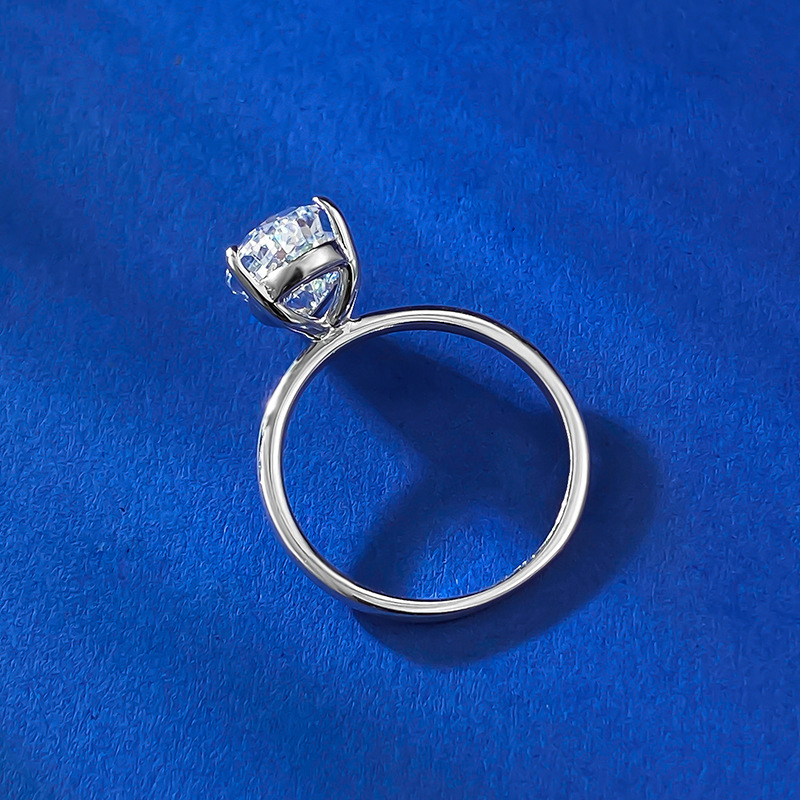
Sustainable Wedding Band Metal Comparison: Which Metal Is Best for Your Ring?
The sustainable Wedding Band Metal comparison starts with a simple question: Which Metal Fits Your values, your budget, and the way you will wear the ring every day? For many couples, the answer comes down to recycled gold or recycled platinum. Both can be excellent choices, but they behave differently, feel different, and age in different ways. That is why a clear Sustainable Wedding Band metal comparison matters Before You Buy.
Sustainable Wedding Band Metal Comparison: What Makes a Metal Truly Sustainable?
Sustainability in jewelry is bigger than a recycled label. A metal earns that reputation when it checks several boxes at once:
- Recycled content that reduces the need for new mining
- Responsible sourcing and transparent refining standards
- Long service life so the ring stays in use for decades
- Repairability and resizeability for real-world wear
- End-of-life recyclability so the metal can re-enter the supply chain
That definition matters because a wedding band is not a fashion purchase with a short life span. It is a daily-wear ring, often worn through work, travel, workouts, and years of routine contact. The best sustainable Wedding Band Metal comparison looks at more than one factor. It weighs appearance, durability, price, maintenance, and environmental impact together.
For premium wedding bands, recycled gold and recycled platinum are the main contenders. Both are precious metals with strong resale and recycling value. Both can be sourced with a lower mining footprint than newly extracted metal. And both can support heirloom-quality rings when the alloy, craftsmanship, and care are right.
This comparison is built for shoppers who want to compare options before they buy, not after. If you are narrowing down styles, browse our jewelry collection and use this guide to decide which metal belongs on your hand for the long haul.
Recycled Gold Wedding Bands: Features, Benefits, and Trade-Offs
Recycled gold remains one of the most versatile choices in the sustainable Wedding Band Metal comparison. It comes in yellow, white, and rose tones, so it works for shoppers who want a classic look or a warmer, more personal color story. Because gold is alloyed with other metals, you can also fine-tune durability and color by choosing 14K or 18K.
14K gold contains 58.5% pure gold and is often harder than 18K because of its higher alloy content. 18K gold contains 75% pure gold and has a richer color and a slightly softer feel. That difference matters for people who want to balance beauty with everyday wear. For couples comparing Wedding Band Metals, recycled gold offers the widest style range of the two metals in this Sustainable Wedding Band metal comparison.
The sustainability case is straightforward. Recycled gold reuses an existing material stream, which helps reduce pressure on new mining. Because gold can be refined and re-refined without losing its value, it is a strong candidate for circular jewelry design. Industry standards also make it easy to verify purity through karat marks and supplier documentation, which helps support sourcing transparency.
There are trade-offs, though. Gold alloys vary, so two rings that both say gold may not wear the same way. White gold often needs rhodium plating to keep its bright white finish. Rose gold carries copper in the alloy, which gives it color but can also affect hardness and long-term appearance. Gold is durable enough for daily wear, but it can show scratches more readily than platinum in some finishes.
For many buyers, those trade-offs are acceptable because gold is comfortable, familiar, and easy to style. It also tends to be easier to resize and repair than some alternatives, which helps preserve the ring over decades of use. That combination keeps recycled gold near the top of any sustainable Wedding Band Metal comparison.
How Recycled Gold Performs in Real Life
In day-to-day use, recycled gold performs well if you Choose the Right karat and width. A 14K band usually handles scratches and bumps better than a softer, higher-karat version, while 18K offers a richer color and more traditional luxury feel. Wider bands, around 4 mm to 6 mm, can also feel sturdier for active wearers.
Gold is generally straightforward to resize, solder, and polish, which helps with long-term ownership. That repairability adds real value for a wedding band that will be worn daily. According to many jewelers, recycled gold stays a top choice because it gives couples more design freedom without giving up responsible sourcing.
When Recycled Gold Is the Better Buy
Recycled gold is usually the better buy if you want:
- Warmth, color variety, or a traditional bridal look
- Better value at similar design complexity
- Easier matching with yellow gold engagement rings or mixed-metal stacks
- A ring that can be resized and refreshed with relative ease
It is also a smart place to start if you want to balance sustainability with affordability. If you are comparing product styles, try our ring builder and preview how recycled gold looks in different widths, profiles, and finishes. StoneBridge Jewelry can also help you narrow the fit if you are unsure about ring size or comfort fit details.
Platinum Wedding Bands: Features, Benefits, and Trade-Offs
Platinum takes a different place in the sustainable Wedding Band Metal comparison. It has a naturally white color, so it does not need rhodium plating to look bright. It also has a dense, substantial feel that many buyers associate with luxury and permanence. For a wedding band, that heft can be very appealing.
Fine jewelry platinum is often Pt950, meaning 95% pure platinum in the alloy. That high purity is one reason platinum has such a strong reputation in bridal jewelry. According to GIA guidance, platinum is valued for its whiteness, density, and excellent resistance to corrosion. It is a premium metal with a premium feel.
Sustainability starts with lifecycle. Recycled platinum reduces the need for new mining and keeps a high-value metal in circulation. Because platinum is durable and long-wearing, it can support a ring that stays in service for decades. A ring that lasts longer is often the quieter kind of sustainable choice, and that principle matters in any sustainable Wedding Band Metal comparison.
The drawbacks are easy to understand. Platinum usually costs more than gold, especially for similar widths and design complexity. It is heavier, which some wearers love and others notice right away. And over time, platinum develops a patina, a soft surface finish that many people enjoy but some buyers want to polish away.
That patina is not the same thing as damage. It is part of how platinum ages. The metal can displace rather than wear away as quickly as some other options, which helps it stay on the finger for the long term. If you prefer a mirror-bright finish, plan on occasional professional polishing.
Why Platinum Can Be a Sustainable Long-Term Choice
Platinum has a strong case in any sustainable Wedding Band Metal comparison because it can last for a very long time with normal care. Fewer replacements mean fewer purchases, less material churn, and better long-term value. The metal’s density and corrosion resistance also help it hold up well in daily wear.
Recycled platinum is especially compelling when a jeweler can explain sourcing and refinery standards clearly. Responsible refinement and documented recycled content give shoppers more confidence in the supply chain. GIA and industry professionals both treat platinum as a top-tier jewelry metal for long-life use, which supports its sustainability story.
Who Should Choose Platinum for a Wedding Band?
Platinum is often the right choice for couples who want:
- A naturally white metal with no plating cycle
- A substantial, luxury feel on the finger
- Strong daily-wear performance with minimal color change
- An heirloom-minded ring that can stay in use for generations
It is especially attractive for active lifestyles and for shoppers who want a premium metal that needs little visual maintenance. If platinum is on your short list, contact our jewelry experts for help comparing profiles, widths, and comfort-fit options Before You Buy.
Sustainable Wedding Band Metal Comparison Table: Recycled Gold vs. Platinum
The sustainable Wedding Band Metal comparison below puts Recycled Gold and Platinum side by side so you can scan the differences quickly.
| Category | Recycled Gold | Platinum | Better Fit |
|---|---|---|---|
| Recycled content potential | Strong, widely available | Strong, especially in premium bridal jewelry | Tie |
| Mining impact | Lower when recycled | Lower when recycled | Tie |
| Natural color | Yellow, white, or rose | Naturally white | Platinum |
| Durability | Very good, varies by karat | Excellent, dense, long-wearing | Platinum |
| Scratch appearance | Can show wear more readily | Develops patina, displaces rather than loses mass as quickly | Platinum |
| Maintenance | White gold may need rhodium plating | Usually lower finish maintenance | Platinum |
| Resizing and repair | Generally easier | Very repairable, often more specialized | Recycled gold |
| Weight on finger | Lighter to medium | Heavier and more substantial | Depends on preference |
| Price range | Usually more affordable | Usually premium priced | Recycled gold |
| Style versatility | Very high | High, but naturally white only | Recycled gold |
| Long-term ownership value | Strong | Very strong | Platinum |
For many shoppers, the cleanest read of the Sustainable Wedding Band metal comparison is this: recycled gold wins on variety and value, while platinum wins on durability and prestige. The final choice depends on what you want the ring to do every day, not just how it looks in a display case.
Which Metal Fits Your Priorities?
If you want the most flexible styling options, recycled gold is usually the easier pick. Yellow gold feels timeless. White gold offers a cooler, more traditional bridal look. Rose gold brings a softer tone that stands out without being flashy. That range makes recycled gold especially attractive for couples who want matching bands but do not want identical looks.
If you want the strongest daily-wear profile, platinum is hard to beat. It feels substantial, holds its white color, and handles long service life very well. For active wearers, people who do not want to think about rhodium plating, or couples aiming for heirloom quality, platinum often justifies the higher price.
A practical decision framework can help:
- Set your budget first. If you want more room for width, finish, engraving, or a matching set, recycled gold often stretches further.
- Think about how you wear jewelry. If you work with your hands, hit the gym often, or prefer low-maintenance ownership, platinum has an edge.
- Match the metal to your engagement ring. Gold stacks naturally with gold, while platinum pairs beautifully with diamond solitaires and white-metal settings.
- Decide how much color choice matters. If you want yellow or rose tones, recycled gold is the obvious fit.
- Consider long-term care. If you want a naturally white metal that skips plating, platinum keeps maintenance simple.
For couples choosing matching bands, you do not have to pick the same metal for both partners. Many shoppers choose recycled gold for one ring and platinum for the other based on lifestyle, fit, or aesthetic preference. A mixed-metal approach can still feel coordinated if the width, profile, or finish stays consistent.
If you are still comparing styles, read more on our blog for related ring-buying advice, then come back to the sustainable wedding band metal comparison with your shortlist in hand.
Expert Recommendation: Best Overall Choice for Most Couples
For most couples, recycled gold is the best overall choice in the sustainable wedding band metal comparison. It gives you the broadest style range, a generally friendlier price point, and strong sustainability credentials when sourced as recycled precious metal. It also offers the easiest path to matching bridal sets, because yellow, white, and rose tones all sit within the same metal family.
That said, platinum is the stronger choice for buyers who want maximum durability and the least finish upkeep. GIA and industry professionals consistently place platinum in the top tier for bridal wear because of its purity, density, and long service life. If your top priority is a naturally white metal with a premium feel, platinum can be worth the higher cost.
So the real winner depends on your goal. If you want the best blend of value, versatility, and sustainability, recycled gold takes the lead. If you want the toughest premium feel and the most maintenance-light white metal, platinum is the better match. Either way, the sustainable wedding band metal comparison points you toward a ring that can last for years with the right care.
FAQ: Sustainable Wedding Band Metal Comparison Questions
What is the most sustainable metal for a wedding band?
Recycled gold and recycled platinum are usually the strongest contenders because they reduce demand for newly mined metal. The best choice depends on whether you care more about style flexibility, low maintenance, or long-term durability. A well-made ring that you wear for decades is often more sustainable than a cheaper ring you replace sooner.
Are recycled gold wedding bands more sustainable than platinum?
Not always. Sustainability depends on recycled content, refinement standards, how long the ring lasts, and whether it is repaired instead of replaced. Recycled gold often has a strong sustainability story, while recycled platinum can be equally compelling because of its longevity.
Is platinum a good choice for an eco-friendly wedding band?
Yes. Platinum can be an excellent eco-friendly choice when it is recycled and responsibly sourced. Its long lifespan also supports sustainability because a durable ring can reduce the need for replacement over time.
How can I tell if a wedding band metal is ethically sourced?
Look for clear recycled-content claims, supplier transparency, and specific information about the refinery or sourcing chain. A reputable jeweler should be able to explain the metal’s origin, purity, and finishing process. If those details are vague, keep asking questions.
Which sustainable wedding band metal is best for everyday wear?
For many buyers, platinum is the most durable everyday option, while recycled gold is the more versatile and budget-friendly one. If you want low maintenance and a naturally white surface, platinum stands out. If you want warmth, more color choices, and easier value balancing, recycled gold is a strong fit.
Shop the Winner
Ready to move from research to selection? Start with the metal that matches your priorities in the sustainable wedding band metal comparison.
- Choose recycled gold wedding bands if you want warm color, wider style variety, and stronger value at a range of price points.
- Choose platinum wedding bands if you want a naturally white metal, premium weight, and long-term daily-wear strength.
- Need help with fit before you buy? Use our ring sizing guide and compare comfort-fit options before placing your order.
If you are still deciding, the fastest next step is simple: compare recycled gold and platinum side by side, then pick the metal that matches your daily routine and long-term goals. The right sustainable wedding band metal comparison makes the decision easier, and the right ring makes the choice feel complete.
Ready to Find Your Perfect Diamond?
Explore our collection of certified lab-grown diamonds
Shop Diamonds