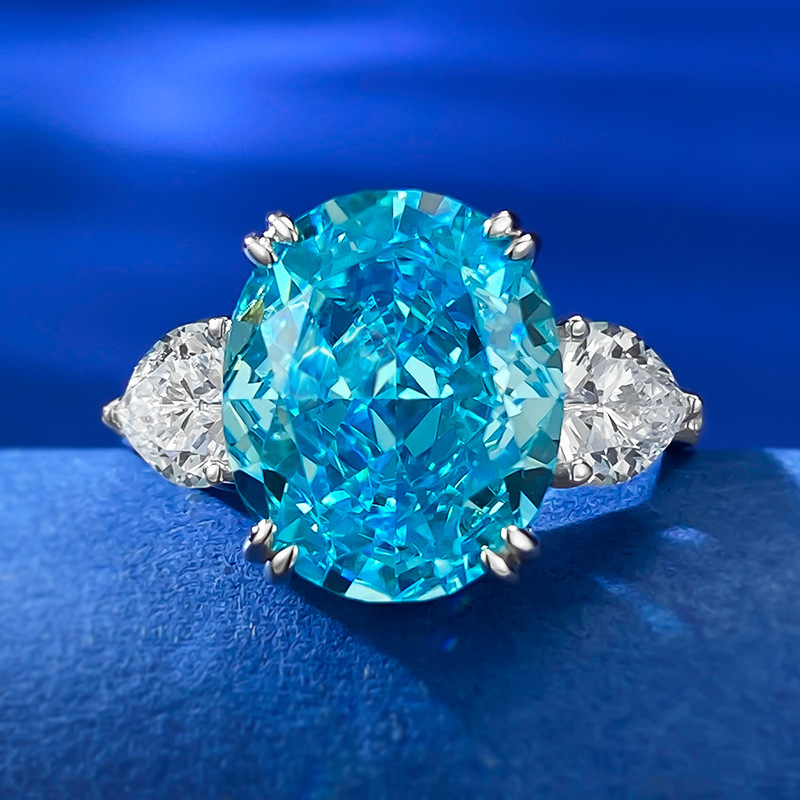
Sustainable Jewelry for Engagement Gifts: How to Choose Pieces That Last
Choosing sustainable jewelry for engagement gifts means finding a piece that feels personal, looks beautiful, and stands up to everyday wear. The best choices balance style, responsibility, and lasting quality, so the gift still feels special years later.
More shoppers want to know where materials came from and how a piece was made. That has reshaped the engagement market. Buyers now compare ethical diamonds, lab-grown stones, recycled precious metals, and shipping practices before making a decision.
Why sustainable jewelry for engagement gifts matters
Sustainable jewelry for engagement gifts brings environmental and ethical priorities into one lasting purchase. Many pieces use recycled gold or platinum, lab-grown diamonds, traceable gemstones, and clearer sourcing standards. The aim is simple: reduce avoidable harm without giving up beauty or quality.
Jewelry supply chains can be hard to trace. Mined diamonds and metals may involve land disturbance, water use, and labor concerns depending on where they come from. Buyers often see only the finished piece, not the steps behind it. Sustainable jewelry for engagement gifts helps close that gap.
The emotional side matters too. An engagement gift marks a promise, so the story behind it should feel honest. A piece made with eco-friendly jewelry practices can carry more meaning because it reflects care in both the gift and the buying process.
Consumer demand has clearly moved in this direction. GIA notes that lab-grown diamonds share the same crystal structure and optical properties as mined diamonds, which is why many shoppers compare them side by side. Industry reports also show steady growth in interest in recycled metals and verified sourcing.
What makes jewelry sustainable?
People often use sustainable, ethical, and eco-friendly as if they mean the same thing. They overlap, but each one covers a different part of the story.
Sustainable vs. ethical vs. eco-friendly vs. green jewelry
- Sustainable jewelry focuses on long-term environmental and social responsibility across sourcing, production, and use.
- Ethical jewelry emphasizes labor standards, conflict-free sourcing, and supply-chain transparency.
- Eco-friendly jewelry points to lower-impact materials or manufacturing, such as recycled metals or lower emissions.
- Green jewelry is a broad marketing phrase, so it needs proof before you trust it.
For sustainable jewelry for engagement gifts, the strongest pieces usually combine all of these ideas. A ring with recycled gold, a verified center stone, and clear production details is more convincing than one that only uses a sustainability label.
Lab-grown diamonds are a good example. They’re created in controlled settings instead of mined from the earth. That can reduce land disruption and make the supply chain easier to track. According to GIA, lab-grown and mined diamonds have the same crystal structure, so buyers can compare them on quality, not just origin.
Recycled metals matter too. Reusing gold or platinum reduces demand for newly mined material. It can also lower the footprint tied to extraction and refining. That makes recycled metals a practical choice for shoppers who want sustainable jewelry for engagement gifts without losing the look and feel of fine jewelry.
Responsible sourcing is the final piece. A brand may use recycled materials and still need to explain gemstone origin, labor practices, and chain-of-custody checks. Sustainability is partly about proof. If a retailer can’t explain its claims, the claims don’t mean much.
Key things to look for in sustainable engagement jewelry
The best pieces usually check several boxes at once. A small detail in sourcing or manufacturing can change the overall value, so it helps to look closely.
Ethical diamonds and conflict-free diamonds
Diamond origin is one of the first things to verify. Ethical diamonds are sourced under standards meant to reduce social and environmental harm. Conflict-free diamonds are described in a way that shows they are not funding armed conflict.
A trustworthy retailer should explain those claims clearly. Look for country of origin details when they’re available, Kimberley Process compliance for mined diamonds, and retailer sourcing policies. You should also see documentation from grading or sourcing partners.
The Kimberley Process is useful, but it’s only a starting point. It was designed to reduce the flow of conflict diamonds, yet it does not cover every labor or environmental issue. That’s why many shoppers of sustainable jewelry for engagement gifts ask for more than a single label.
Our customers often feel more confident once they see the grading report and the sourcing note together. If either one is missing, the story feels incomplete.
Recycled gold, platinum, and other precious metals
Metals make a big difference in the sustainability story. Recycled gold and recycled platinum can reduce the need for new mining while keeping the durability buyers expect from fine jewelry.
Good signs include recycled content listed in the product details, post-consumer or pre-consumer recycled material, and supplier documentation. It also helps when the retailer says whether the setting, chain, or clasp uses recycled metal.
For sustainable jewelry for engagement gifts, recycled metals are a strong fit. They keep the same classic look, but they support a lower-impact materials story. That makes them a smart option for buyers who want eco-friendly jewelry and long wear at the same time.
Lab-grown diamond center stones
Lab-grown diamonds are now one of the most popular choices for sustainable jewelry for engagement gifts. They often give buyers a larger stone or a better cut for the same budget as a mined diamond.
They also fit well with responsible sourcing goals because the production process is easier to trace. Buyers can ask about the growth method, the grading report, and whether the brand shares energy-use details or renewable energy commitments.
Still, lab-grown doesn’t automatically mean low impact. A stone from one facility can have a very different energy profile from another. So it’s better to ask questions than to assume.
Certifications and traceability
Certifications help turn marketing claims into something you can check. No single certificate covers every part of sustainability, but several standards add real confidence.
Look for:
- GIA or IGI grading reports for diamonds
- Metal sourcing disclosures from the retailer
- Chain-of-custody or provenance documents
- Sustainability standards used by the brand or supplier
- Packaging and manufacturing details tied to eco-friendly jewelry claims
Traceability matters because it shows the path from source to showcase. A retailer that can identify origin, materials, and production methods is usually more credible than one using vague language.
Carbon neutral or low-impact practices
Some brands mention carbon neutral shipping, offset programs, or low-impact manufacturing. Those claims can help, but they should be specific. Ask whether the claim covers the whole company, one product line, or only shipping.
These efforts may include renewable energy in production, offsetting emissions, smaller packaging, or local manufacturing. They don’t replace ethical diamonds or responsible sourcing. They add another layer to the sustainability picture.
Materials and features compared
| Material or feature | Sustainability value | Buyer benefit | What to verify |
|---|---|---|---|
| Lab-grown diamond | Often lower social risk and easier traceability | Larger look for the budget, strong sparkle | Grading report, production details, energy policy |
| Recycled gold | Reduces demand for new mining | Same look and durability as mined gold | Recycled content percentage, supplier disclosure |
| Recycled platinum | Durable and long-wearing | Great for engagement rings and daily wear | Purity, recycled source, finishing details |
| Conflict-free diamonds | Reduces conflict-related sourcing risk | More peace of mind | Kimberley Process status, retailer policy, origin details |
| Carbon neutral shipping | Can lower delivery footprint | Cleaner delivery process | Whether offsets are verified and what is included |
How to choose sustainable jewelry for engagement gifts
A good buying process keeps style, budget, and sourcing in balance. Sustainable jewelry for engagement gifts should feel like an upgrade, not a compromise.
Step 1: Start with style
Begin with the recipient’s taste. Solitaire, halo, three-stone, bezel, and vintage-inspired designs all create a different feel. The best sustainable choice is the one they’ll actually love wearing.
Think about the metal color, stone shape, setting style, and everyday comfort. A low-profile ring may be easier to wear than a tall setting. A beautiful piece that sits in a box isn’t a great value, no matter how responsible it sounds.
Step 2: Set a clear budget
Budget narrows the field fast. Lab-grown diamonds often let buyers choose a larger or higher-quality center stone for the same spend as a smaller mined diamond. Recycled metals may not always cost less, but they can support responsible sourcing without cutting quality.
Common price drivers include carat weight, cut grade, clarity, color, metal type, and craftsmanship. You should also think about future care. Cleaning, resizing, and insurance all matter over time.
Step 3: Rank your sustainability priorities
Not every shopper values the same thing. Some want ethical diamonds first. Others care most about recycled metals or lower-impact shipping. Rank your top priorities before you compare products.
A simple order helps:
- Must-have: conflict-free diamonds, recycled gold, or a lab-grown center stone
- Nice-to-have: carbon neutral shipping, FSC packaging, local manufacturing
- Bonus: repair services, lifetime cleaning, upgrade programs
That framework makes sustainable jewelry for engagement gifts easier to compare. It also keeps the process focused when several pieces look similar.
Step 4: Check retailer transparency
The retailer matters as much as the ring. Strong brands publish clear details and answer sourcing questions directly. Weak brands rely on words like earth-conscious or luxury-made without proof.
A transparent retailer should tell you where the stone came from, whether the setting uses recycled metal, which lab issued the grading report, and how the piece is packaged and serviced. If those answers are hard to find, keep looking.
Step 5: Compare beauty and durability together
A responsible piece still has to last. Fine jewelry is meant for daily wear, so check the security of the setting, the thickness of the metal, and the care policy.
Before You Buy, compare prong structure, metal purity, resizing options, and repair coverage. Sustainable jewelry for engagement gifts should be both meaningful and practical.
Questions to ask before you buy
Use these questions to test the retailer’s knowledge:
- Is the center stone lab-grown or mined?
- If it’s mined, how is it verified as conflict-free?
- What percentage of the metal is recycled?
- Can you share grading reports or sourcing documents?
- Do you offer repair, resizing, or care services?
- Is the packaging recyclable or reduced?
- Are any carbon neutral claims independently verified?
If you want to compare styles or stone options, browse our jewelry collection, explore our engagement rings, or build your own ring to see how different sustainable designs come together.
How to spot greenwashing before you buy
Reading product pages carefully can save time and disappointment. Some listings sound sustainable, but only a few are backed by real details.
Watch for vague claims
Greenwashing happens when brands use environmental language without proof. That can include phrases like eco-friendly jewelry or ethical without explaining why the claim is true.
Warning signs include no mention of materials or origin, no grading report, and sustainability language that appears only in marketing copy. If the page feels slippery, ask for specifics.
Read the product page like a buyer, not a browser
Focus on the facts first. Check metal type, stone origin, total carat weight, setting height, warranty, and shipping details.
A listing with exact measurements, GIA or IGI grading information, and metal content is usually more trustworthy than one built on broad claims. Short on details? That’s your cue to slow down.
Look beyond sticker price
Price alone can be misleading. A cheaper ring may use thinner metal or a weaker setting. A more expensive one may include better craftsmanship, stronger service support, and clearer responsible sourcing.
The real value comes from longevity, maintenance costs, stone quality, upgrade options, and heirloom potential. That’s where sustainable jewelry for engagement gifts starts to make sense as a long-term purchase.
Use retailer policies as proof
Retailers that care about responsible sourcing usually make their policies easy to find. Look for written sourcing standards, grading lab partnerships, recycling or take-back programs, repair services, and sustainability FAQs.
We’ve found that the best retailers are usually the ones willing to answer the uncomfortable questions. If you want help comparing pieces, contact our jewelry experts for guidance on materials, settings, or diamond options.
Common mistakes to avoid
A few simple missteps can undo an otherwise thoughtful purchase.
Assuming “natural” means ethical
Natural doesn’t automatically mean responsible. A mined diamond can be beautiful and well-sourced, but the word itself proves nothing. The same goes for luxury or premium.
Trusting vague claims without documentation
Claims about eco-friendly jewelry or green jewelry should be backed by real details. If a retailer can’t explain sourcing, materials, or manufacturing, treat the claim with caution.
Focusing only on price
Budget matters, but it shouldn’t be the only filter. A slightly higher price can be worth it if the piece includes ethical diamonds, recycled metals, stronger craftsmanship, and better service.
Ignoring long-term wear
An engagement gift should last for years. Choose a design that fits daily life, not just the proposal moment. Sustainable jewelry for engagement gifts should feel special and practical at the same time.
Choosing a meaningful, responsible engagement gift
Sustainable jewelry for engagement gifts lets buyers honor a major life moment with intention. It combines beauty, symbolism, and responsible sourcing in one lasting piece.
The best purchases usually come from asking the right questions: Where did the stone come from? What materials were used? Can the retailer prove conflict-free diamonds or recycled content? Are carbon neutral claims backed up, or just easy words?
When you shop that way, sustainable jewelry for engagement gifts becomes easier to compare and easier to trust. If you’re ready to keep exploring, shop our lab-grown diamonds, review our engagement styles, or read more on our blog to learn how responsible sourcing shapes fine jewelry.
FAQ
What is sustainable jewelry for engagement gifts?
Sustainable jewelry for engagement gifts is made with environmental and ethical care in mind. That can include lab-grown diamonds, recycled metals, and clearer sourcing practices. The goal is to reduce avoidable harm while still giving a piece that feels special and lasts.
Are lab-grown diamonds considered ethical diamonds?
Lab-grown diamonds are often treated as ethical diamonds because they’re created in controlled settings and usually come with more traceable sourcing. That said, you should still check the retailer’s manufacturing and energy-use disclosures. A grading report and a clear product page make the claim easier to trust.
How do I know if an engagement ring is conflict-free?
Look for a retailer that explains its sourcing policy and backs it up with documents. Kimberley Process compliance is one sign, but it isn’t the whole story. Ask for origin details, grading reports, and any third-party verification available.
Is eco-friendly jewelry more expensive?
Not always. Eco-friendly jewelry can cost more or less depending on the stone, metal, and craftsmanship. Lab-grown diamonds often give buyers more size or quality for the budget, while recycled metals support responsible sourcing without lowering durability.
What should I ask a jeweler before buying a sustainable engagement gift?
Ask where the diamond or gemstone came from, what metals were used, and whether recycled materials were involved. You should also ask about repair services, packaging, and whether any carbon neutral claims are verified. Those answers help you separate real sustainability from clever marketing.
Ready to Find Your Perfect Diamond?
Explore our collection of certified lab-grown diamonds
Shop Diamonds