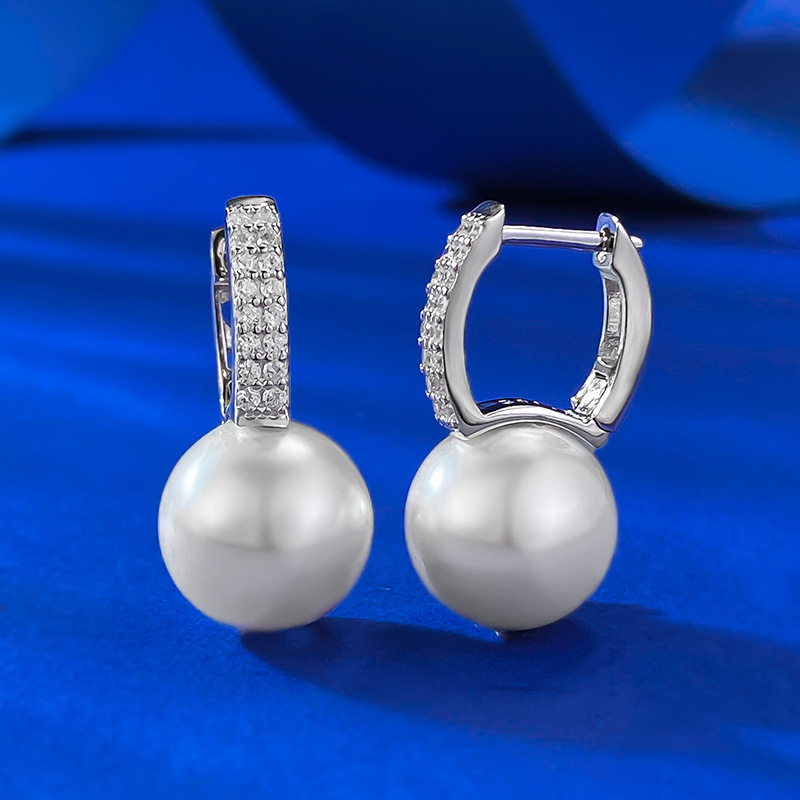
Stud Earrings Storage for Travel: Cases, Cards, and Rolls Compared
Choosing stud earrings storage for travel sounds simple until one backing disappears into a suitcase lining. Small earrings are easy to lose, and fine settings don't love pressure from cosmetics, chargers, or shoes. If you're packing diamond studs, huggies, hoops, or drop earrings, the storage choice Matters Before You leave home.
Three practical options stand out: compact travel jewelry cases, dedicated earring holders or cards, and jewelry rolls. Each one can work. The best choice depends on the value of your earrings, the length of your trip, and how much jewelry you plan to bring.
What Good Stud Earrings Storage for Travel Should Do
Good stud earrings storage for travel has four jobs. It should keep pairs together, protect posts from bending, stop diamonds and metals from rubbing, and make each pair easy to find. A loose pouch rarely does all four.
A structured case, a flat earring card, and a soft jewelry roll all improve organization. They don't protect jewelry in the same way, though. The difference matters most with diamond studs and other fine earrings.
Look for these features before you pack:
- Soft lining, such as microfiber, velvet, or suede-like fabric
- Separate slots or compartments for each pair
- A secure zipper, snap, or firm closure
- Space behind post holes so posts don't press into a hard wall
- Crush resistance for carry-ons, totes, and hotel safes
- Clear organization so you'll notice if a backing is missing
Diamond studs need extra separation. GIA notes that diamond ranks 10 on the Mohs hardness scale, which means it can scratch many softer gems and metals. That hardness makes diamonds durable for wear, but it also means they shouldn't bounce around beside pearls, gold hoops, or delicate chains.
Our customers often tell us they travel with one pair of diamond studs because they work for meetings, dinners, and casual days. We've found that those same customers are happiest with a small structured case, not a fabric pouch. It adds very little bulk and prevents the most common travel problems.
Match the Storage to the Jewelry Value
Before you choose a holder, consider what the earrings would cost to replace. Simple sterling silver studs may be under $50, while 14k gold gemstone studs often fall in the $150-$600 range depending on the stone and setting. Lab-grown diamond studs vary widely, but many buyers shopping for everyday fine jewelry compare pairs from about $300 to $2,500, with larger or higher-spec pairs costing more. Mined diamond studs with strong grading reports can be considerably higher.
That price spread should influence how protective your travel storage needs to be. A $12 card may be fine for costume studs. It is not the right only layer for a 2 carat total weight pair of diamond earrings in platinum. The higher the value, the more you should prioritize rigid sides, a secure closure, individual compartments, and a predictable place for the backs.
Also think about sentimental value. A pair of inherited pearl studs or anniversary diamond earrings may be impossible to replace even if the retail value is modest. Those pieces deserve the same careful packing as more expensive jewelry.
Option 1: Compact Travel Jewelry Case
A compact travel jewelry case is the strongest all-around choice for stud earrings storage for travel. It usually has a firm outer shell, a soft interior, and divided sections for earrings, rings, necklaces, and bracelets. For most fine jewelry owners, that's the right mix of protection and convenience.
This option works especially well if you pack more than one style. You can keep diamond studs in post holes, huggie earrings in a small compartment, and a necklace on a hook or tab. Nothing has to sit loose in the same pocket.
A case that's 4 to 6 inches wide fits easily inside most personal items, handbags, and hotel safes. Smaller cube cases suit weekend trips. Larger book-style cases work better for weddings, longer vacations, or anyone who likes several jewelry options.
Why Cases Protect Diamond Studs Better
Diamond studs may be small, but they aren't low-risk. A 1 carat total weight pair can represent a real investment, especially in 14k gold or platinum settings. IGI and GIA grading reports also show that cut, color, clarity, and carat weight can change value quickly.
A structured case keeps each stud in place. It also protects the post, prongs, basket, martini setting, or bezel from pressure. That's useful if the case sits under a laptop in a tote or beside other valuables in a hotel safe.
For diamond earrings, separation is the real win. Don't store diamond studs loose with pearls, emeralds, opals, chains, or polished gold pieces. A lined compartment or post panel helps reduce scratching and keeps backs from wandering.
What to Check Before Buying a Travel Jewelry Case
Not every small case is built well. When comparing cases online, zoom in on the interior construction. Earring holes should be reinforced enough that posts do not tear through the panel, but not so tight that you need to force the earrings into place. The area behind the panel should have a little clearance for posts and screw backs.
Check the closure carefully. A zipper is usually safer than a magnetic flap because it contains loose backs if one comes off. The zipper should run smoothly and close fully at the corners. If you travel often, avoid cases with thin cardboard-like walls, shedding velvet, or dividers that collapse when you press them lightly.
For diamond studs, a case with separate post holes and a small lidded compartment is especially useful. You can wear one pair and keep spare backs, a polishing cloth, or a small silicone stopper in the closed section. If you own screw-back studs, confirm that the case is deep enough for the threaded posts and larger backs, since they take more space than simple friction backs.
Pros and Cons of a Travel Jewelry Case
Pros:
- Best protection for diamond studs and fine earrings
- Separate areas reduce scratches and tangles
- Zippered designs help contain tiny backs
- Works for studs, huggies, small hoops, rings, and necklaces
- Easy to place in hand luggage or a hotel safe
- Good for business trips, weddings, and frequent travel
Cons:
- Thicker than an earring card
- Small cases may not fit long dangle earrings
- Cheap versions can have weak zippers or flimsy dividers
- Overpacking can still create pressure points
A compact case is the best stud earrings storage for travel if your earrings are valuable, sentimental, or hard to replace. It may be more than you need for one inexpensive pair, but it's the safer default for fine jewelry.
Option 2: Earring Holder or Travel Card
An earring holder or pierced travel card is slim, light, and simple. You push the posts through the holes, secure the backs, and keep several pairs on one flat panel. For everyday studs, it's a handy space-saver.
This format makes selection easy. You can see silver studs, gold studs, tiny gemstone studs, and simple huggies at a glance. If you're packing six low-risk pairs for outfit changes, a card can be more efficient than several small boxes.
The tradeoff is structure. A flat card doesn't offer much crush protection. If it bends, the posts may bend too. Exposed backs can also catch on fabric or press against nearby items.
Best Uses for Earring Cards
Earring cards work best for:
- Everyday stud earrings
- Small huggie earrings
- Short trips with limited jewelry
- Lower-cost pieces that are easy to replace
- Organizing several pairs inside a larger case
For fine diamond studs, use an earring card only with another layer of protection. Place the card inside a padded pouch or, better yet, inside a structured travel case. That layered setup gives you visibility without giving up too much safety.
Would you pack a diamond ring loose in a makeup bag? Probably not. Diamond studs deserve the same level of care, even though they're smaller.
How to Use an Earring Card Without Damaging Posts
If you use a card, do not push the earrings through thick leather or stiff plastic unless the holes are already cleanly punched. Forcing a post through resistant material can bend the post slightly, and even a small bend can make the backing feel loose or uneven. Thin metal posts on petite studs are the most vulnerable.
Leave space between pairs. Large basket-set studs and halo studs can rub if the holes are too close together. If a card has tightly spaced rows, use every other hole for larger earrings. For screw-back diamond studs, tighten the backs only until secure; over-tightening can make them difficult to remove after a flight or long day.
A practical packing method is to place the filled card inside a small zip pouch, then place that pouch in a hard case or a protected handbag pocket. This keeps visibility and saves space while adding a second barrier against pressure and snagging.
Pros and Cons of an Earring Holder
Pros:
- Slimmest option for multiple studs
- Usually affordable
- Easy to see every pair
- Lightweight for short trips
- Fits inside many pouches and small bags
Cons:
- Weak crush resistance
- Posts may stay exposed
- Not ideal for high-value diamond studs on its own
- Hoops may not sit securely
- Drop and dangle earrings can catch or tangle
For casual jewelry, a card is useful. For premium earrings, it's better as part of a stud earrings storage for travel system rather than the only storage layer.
Option 3: Jewelry Roll
A jewelry roll is a soft organizer that folds or rolls closed. It may include zip pockets, snap tabs, ring sections, and small fabric panels for earrings. It packs flatter than many cases, especially when it's not overfilled.
Jewelry rolls are flexible. They can hold studs, huggies, small hoops, necklaces, bracelets, and rings. Many travelers like them because they slide into narrow spaces in a suitcase.
Softness is also the weakness. A thin roll can flatten under pressure from shoes, books, or toiletry bags. Loose items may shift inside pockets unless each section closes well.
When a Jewelry Roll Makes Sense
A jewelry roll makes sense for casual trips, mixed everyday jewelry, and travelers who want one flexible organizer. It can work for stud earrings storage for travel if the earring panel is secure and the roll has padding. Thin rolls should go inside a handbag or padded compartment, not at the bottom of a suitcase.
Use wider pockets for hoop earrings so the shape doesn't distort. Store drop earrings and dangle earrings separately, with enough length so they don't bend or knot. Keep huggies closed so hinges don't snag.
For diamond studs, a jewelry roll is acceptable only if it protects against pressure. If it feels thin in your hand, add a hard case around it.
Roll Features Worth Paying For
Look for a jewelry roll with zippered pockets rather than open slip pockets. A zipper keeps tiny backs and lightweight studs from moving when the roll is turned sideways. Soft tie closures are attractive, but they should not be the only thing securing fine earrings.
Padding matters more than size. A very large roll can tempt you to pack too much, which creates pressure when it is folded. A medium roll with fewer, better-divided compartments is usually safer. If the roll has a detachable earring panel, check that the snaps or hook-and-loop strips hold firmly and do not scrape against polished metal.
For travel with diamond studs and a few gold pieces, a roll works best when each category has its own section: studs on a panel, hoops in a zip pocket, necklaces on tabs, and rings on a padded bar. Avoid putting diamond studs in the same zip pocket as a gold chain. The diamonds can abrade the chain links as the roll moves.
Side-by-Side Comparison: Cases vs Cards vs Rolls
The best stud earrings storage for travel balances size, protection, and visibility. A card wins on thin packing. A roll offers flexible space. A compact case gives the best protection for fine jewelry.
| Feature | Compact Travel Jewelry Case | Earring Holder or Travel Card | Jewelry Roll |
|---|---|---|---|
| Protection level | High with structured sides | Low to medium | Medium if padded |
| Best for diamond studs | Yes | Only with extra protection | Only if padded or inside a case |
| Crush resistance | Strongest option | Weak | Limited |
| Scratch resistance | Strong with lined sections | Moderate | Moderate |
| Stud capacity | Moderate | High | Moderate |
| Hoop compatibility | Good with open sections | Limited | Good with wide pockets |
| Drop earring compatibility | Good if deep enough | Limited | Moderate with separation |
| Packing size | Compact but thicker | Very slim | Slim unless overfilled |
| Typical price range | About $25-$150+ | About $5-$40 | About $15-$100 |
| Best use | Fine jewelry and mixed travel jewelry | Multiple everyday studs | Casual mixed jewelry |
The commercial winner is the compact travel jewelry case. It protects posts, separates diamonds, and keeps backs contained. For StoneBridge Jewelry customers buying lab-grown diamond studs, that's the storage option we'd recommend first.
Earring cards and jewelry rolls still have a place. Use them for everyday earrings, short trips, or as organizers inside a firmer case. The more valuable the earrings, the more structure you need.
How to Choose the Right Stud Earrings Storage for Travel
Start with your itinerary. A weekend with one pair of studs doesn't require the same organizer as a destination wedding with hoops, drops, huggies, and a necklace. Then consider value. If the earrings would be expensive or stressful to replace, choose more protection.
Choose a compact travel jewelry case if you pack diamond studs, 14k gold huggies, small hoops, necklaces, rings, or bracelets. It gives you one protected place for everything. It also makes it easier to check your jewelry before hotel checkout.
Choose an earring card if you bring several simple studs and space is tight. For safer stud earrings storage for travel, slide the card into a padded pouch or structured case. Don't leave the card loose in a tote with keys, sunglasses, or cosmetics.
Choose a jewelry roll if you want flexible storage for casual jewelry. Pick one with zippered pockets and a padded body. Avoid stuffing it so full that earrings press into each other.
Diamond Stud Specs That Affect Storage
The size and setting of your diamond studs change how they should be packed. Smaller studs, such as 0.25 to 0.50 carat total weight, usually sit lower and are easier to store on a card or post panel. Mid-size pairs, such as 1 to 2 carats total weight, often have taller baskets or martini settings that need more depth. Larger pairs, including 3 carats total weight and above, should have a dedicated compartment or a deeper earring row so the diamonds do not press into the lid.
Setting style also matters. Four-prong and three-prong martini settings show a lot of diamond and can sit close to the ear, but the prongs should not be crushed against hard surfaces. Basket settings are stable and classic, though they can be slightly taller. Bezel settings wrap metal around the diamond edge, which can be helpful for active wear, but the polished bezel can still scratch if stored beside another diamond. Halo studs need extra space because the outer ring of small diamonds can catch on fabric panels or rub against nearby earrings.
Backing choice affects storage depth. Friction backs are slim and common, but they should be checked for snugness before every trip. Screw backs add security, although they take longer to put on and remove. Guardian or locking backs can feel reassuring for travel, but they are bulkier and need a case with enough clearance behind the post panel.
Metal Choices for Travel Earrings
For fine studs, 14k gold is a practical travel choice because it balances durability, color, and value. Yellow gold hides small scuffs better than white gold, while white gold offers a bright look that pairs naturally with diamonds. Keep in mind that white gold is commonly rhodium plated, and repeated rubbing against rough storage materials can wear that finish faster. Rose gold is durable and warm-toned, but it should still be separated from diamonds and harder gemstones.
Platinum is dense, naturally white, and excellent for diamond settings, especially for buyers who prefer a premium metal. It can develop a patina with wear, which many people like, but it is still not immune to surface marks. Sterling silver is affordable for everyday studs, but it can tarnish during humid trips or when stored near lotions and cosmetics. If you pack silver, include a small anti-tarnish strip in a separate compartment and keep it dry.
Buying Diamond Studs With Travel in Mind
If you are shopping for new diamond studs and you travel often, choose earrings that are beautiful but not fussy. Round brilliant lab-grown diamond studs are the easiest to wear across dress codes, and their shape fits most case slots well. Princess, oval, cushion, and emerald-cut studs can also travel well, but cornered shapes should have secure prongs or protective settings.
For everyday travel studs, many buyers like 0.50 to 1.50 carat total weight because the earrings have presence without feeling too heavy. If you want a bold look for events, 2 to 3 carats total weight can be striking, but larger studs need stronger backs and more careful storage. Always consider the weight on your ear, not just the look in photos.
For lab-grown diamond studs, look for transparent grading from IGI or GIA when available, especially at higher carat weights. Cut quality is usually the first spec to prioritize for sparkle. For round studs, Excellent or Ideal cut grades are worth seeking. Color in the near-colorless range, such as G-H or I-J depending on the setting and budget, often gives a bright appearance in earrings. Clarity can be practical rather than perfect; many SI1-VS2 diamonds appear clean to the eye in stud earrings, though you should review the actual stones or product details.
Price depends on carat weight, cut, color, clarity, metal, and setting. Lab-grown diamond studs often provide larger carat size for the budget compared with mined diamonds. Still, avoid buying by carat weight alone. A well-cut 1 carat total weight pair can look livelier than a larger pair with poor cut quality. A secure 14k gold or platinum setting is also worth paying for because loose prongs or weak posts are exactly the problems that become stressful while traveling.
Travel Tips for Diamond Studs, Hoops, and Huggies
Small habits prevent big headaches. Before you pack, check every backing, hinge, and clasp. Friction backs, screw backs, and guardian backs should feel secure.
Use these tips for safer Stud Earrings Storage for Travel:
- Place each diamond stud in its own slot or compartment.
- Keep diamonds away from softer gems and polished metal surfaces.
- Store hoop earrings in wider sections so they keep their shape.
- Pack drop and dangle earrings with length clearance.
- Close huggie earrings before storing them.
- Carry fine jewelry in hand luggage, not checked baggage.
- Photograph valuable earrings before travel.
- Save receipts, appraisals, and IGI or GIA reports in a separate digital folder.
Documentation matters. Many insurance and appraisal professionals recommend keeping clear photos and purchase records for higher-value jewelry. If your studs have grading reports, don't pack the only copy with the earrings.
Care and Cleaning While Traveling
Pack a small, non-abrasive polishing cloth if you will be away for more than a few days. For diamond studs, the most common travel buildup comes from sunscreen, hair products, moisturizer, and makeup. These products can dull sparkle even when the diamonds are secure.
If you need a quick clean, use warm water with a drop of mild dish soap, then gently brush around the setting with a very soft toothbrush. Rinse carefully in a bowl rather than over an open hotel sink drain. Dry with a lint-free cloth before returning the earrings to the case. Avoid chlorine, bleach, toothpaste, alcohol-heavy cleaners, and ultrasonic machines unless your jeweler has confirmed that your specific earrings and settings are safe for that method.
Never put damp earrings back into a closed case for long periods. Moisture can affect certain linings, encourage tarnish on silver, and leave residue around backs and posts. Let the earrings dry fully first.
Common Travel Mistakes to Avoid
One common mistake is wearing expensive studs through an entire trip without checking the backs. Even secure backs can loosen after sleeping, changing scarves, taking headphones on and off, or pulling clothing over the head. Make a quick backing check part of your morning routine.
Another mistake is using the original presentation box as the travel case. Some presentation boxes are sturdy, but many are bulky and not designed to hold jewelry securely while moving. A smaller travel case with individual slots usually performs better.
Travelers also forget to separate jewelry from toiletries. Perfume, hairspray, lotion, and sunscreen can leave film on diamonds and metal. Pack jewelry in a different pocket from liquids, and put earrings on after cosmetics have dried. Finally, do not leave fine jewelry on a nightstand, hotel bathroom counter, spa robe pocket, or rental-car cup holder. Use the same storage spot every time so checkout is easier.
Shipping, Returns, and Warranty Details to Check Before a Trip
If you are buying new studs for a wedding, vacation, business trip, or gift, order earlier than you think you need to. In-stock earrings may ship quickly, while made-to-order or custom diamond studs can require additional production time. Build in enough time to inspect the earrings, try the backs, confirm comfort, and arrange any exchange before departure.
Review shipping details before checkout. For fine jewelry, look for insured shipping, tracking, and signature requirements. A secure delivery process matters, especially for diamond studs. If you are traveling soon, avoid sending high-value jewelry to a hotel unless the seller and property both have clear procedures for receiving insured packages.
Return policies also matter. Check the return window, whether earrings are returnable after trying them on, and whether custom sizes, special orders, or engraved items are final sale. For diamond studs, confirm what paperwork is included: sales receipt, grading reports when applicable, warranty information, and care instructions. Keep digital copies in your email or cloud storage before you travel.
Ask about post and backing repairs. Good stud earrings are small mechanical objects: posts can bend, backs can wear, and prongs should be inspected over time. A clear warranty or service policy gives you a path if a backing becomes loose or a setting needs attention later.
StoneBridge Jewelry Recommendation
For most travelers, the best stud earrings storage for travel is a compact structured case with a padded lining, dedicated earring slots, and a secure zipper. It protects against abrasion, pressure, and loss better than a card or roll on its own.
If you bring many pairs of studs, use a pierced card inside a structured case. That gives you neat rows of earrings plus the extra protection of firm sides. It's a smart setup for long trips, weddings, and frequent flyers.
StoneBridge Jewelry specializes in lab-grown diamond jewelry, including travel-friendly studs that pair well with almost any outfit. Lab-grown diamonds have the same chemical, physical, and optical properties as mined diamonds, and many are graded by IGI or GIA using the 4Cs. Whether your studs are 0.50 carat total weight or 3 carats total weight, the setting still needs careful storage.
When comparing diamond studs, look at the full combination: carat total weight, cut quality, color, clarity, metal, setting style, and backing type. A classic 14k gold four-prong pair may be ideal for daily wear, while platinum bezel studs can suit buyers who want a clean, secure look. If you travel frequently, prioritize comfort, secure backs, and a setting that sits well in a compact case.
Ready to pack better earrings? Explore StoneBridge Jewelry's lab-grown diamond stud earrings, compare diamond studs, or browse travel-ready fine jewelry. You can also shop loose lab-grown diamonds if you're comparing carat weight, cut, color, and clarity before choosing a pair.
A good case protects your jewelry. Well-made earrings make the case worth carrying.
Final Takeaway Before You Pack
The safest stud earrings storage for travel is structured, padded, compact, and matched to your jewelry. A travel jewelry case is the best choice for diamond studs and mixed fine jewelry because it protects posts, separates pieces, and reduces scratch risk.
An earring card or jewelry roll can work for everyday studs and short trips. Use extra protection if the earrings are valuable or delicate. Before your next trip, match your storage to the value of what you're packing, then enjoy your earrings without the hotel-room search party.
Ready to Find Your Perfect Diamond?
Explore our collection of certified lab-grown diamonds
Shop Diamonds