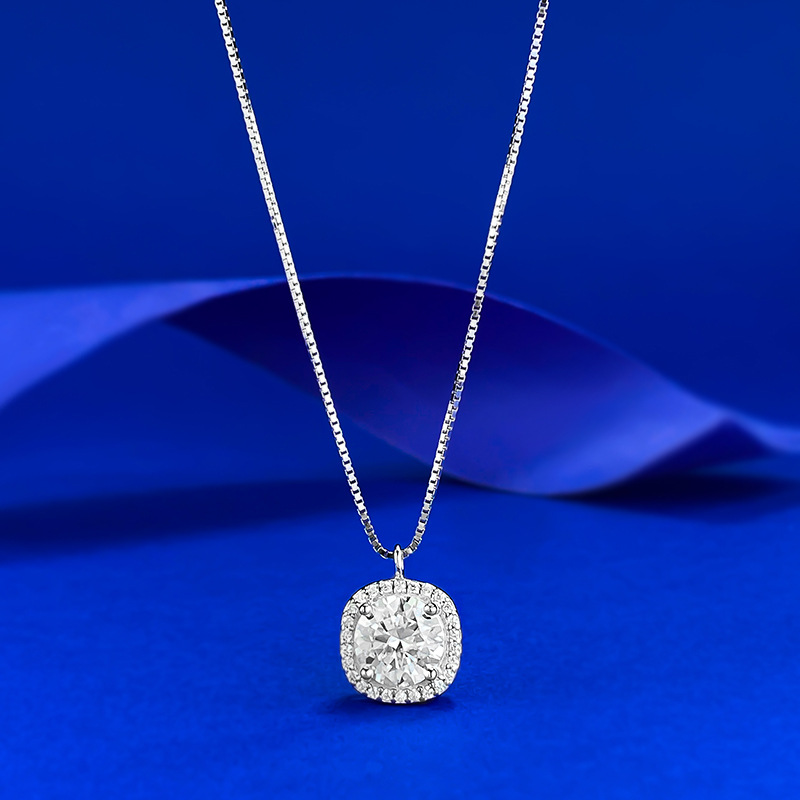
Solitaire Pendant Clasp Security: The Safest Closure Options Compared
Solitaire Pendant Clasp security matters more than many buyers think. A beautiful diamond or gemstone pendant can still fail if the clasp opens too easily or wears down fast. For daily wear, gift purchases, and long-term ownership, the clasp is part of the safety system, not a tiny detail.
A pendant can look the same from across the room, yet the closure changes how secure it feels and how easy it is to wear. Which clasp would you trust on a piece you wear every day? For that reason, solitaire pendant clasp security should be part of the buying decision from the start.
StoneBridge Jewelry looks at secure solitaire pendant options with a practical eye: lock strength, comfort, durability, ease of use, and accidental opening risk. The goal is simple. Find the clasp that gives Fine Jewelry Buyers real confidence without making the piece annoying to wear.
What Matters Most in Solitaire Pendant Clasp Security
Solitaire pendant clasp security means how well the clasp stays closed during normal wear. That includes movement, light snags, the pull of the chain, and repeated use over time. For a pendant with a diamond or other valuable stone, even a small weak point matters.
The most common closure types for solitaire pendants are lobster clasps, spring ring clasps, magnetic closures, and screw-lock styles. Each one behaves differently based on chain weight, metal quality, pendant size, and how often you wear it. A fine everyday chain does not need the same hardware as a heavier necklace.
To compare solitaire pendant clasp security in a fair way, these five factors matter most:
- Lock strength: how firmly the clasp stays shut.
- Ease of use: how simple it is to fasten and remove.
- Comfort: whether the hardware feels smooth and wearable.
- Durability: how well it handles repeated opening and closing.
- Accidental opening risk: how likely it is to pop open from tension or wear.
The Gemological Institute of America, or GIA, regularly stresses craftsmanship, secure construction, and routine inspection in fine jewelry. That advice fits pendant clasps too. A good closure should close cleanly, feel smooth, and resist wear that builds up over time.
We've seen this pattern often in repair work. The clasp usually fails before the pendant does. That’s why the closure deserves as much attention as the stone.
Lobster Clasp for Solitaire Pendant Clasp Security
A lobster clasp uses a spring-loaded lever that opens the gate and snaps shut when released. The shape looks like a lobster claw, which is where the name comes from. It’s one of the most common fine jewelry closures because it’s simple and reliable.
For solitaire pendant clasp security, the lobster clasp has clear advantages. The spring-loaded gate creates a firm close that resists casual opening. The larger shape also makes it easier to use than many tiny alternatives, which helps people who fasten their own jewelry every day.
Why buyers trust lobster clasps
A lobster clasp works well because the mechanism is straightforward. There are fewer fragile parts than in some other clasp styles, and the snap-close feel gives a clear signal that it locked. For a Diamond Solitaire Pendant or a small gemstone pendant, that confidence matters.
Many jewelers also see lobster clasps as a common upgrade for customers replacing weaker closures. That makes sense. The spring tension can be set strong enough for daily wear, and the shape usually handles wear better than tiny round clasps.
Benefits for secure pendant wear
- Strong spring-loaded closure
- Good everyday reliability
- Easier to fasten than very small clasps
- Works well with many chain styles and metals
- Fits daily wear and gift purchases well
Drawbacks to keep in mind
No clasp is perfect. A lobster clasp can wear out if the spring weakens or the lever loosens. Smaller lobster clasps can also be hard to use for people with limited hand strength, though larger ones solve that problem better.
Size is the other tradeoff. On very delicate chains, the clasp may look a bit larger than expected. Still, for buyers focused on solitaire pendant clasp security, that tradeoff is usually worth it.
Expert view on lobster clasps
Many jewelers prefer lobster clasps for everyday fine jewelry because they strike a strong balance between safety and ease of use. A good lobster clasp should close cleanly, return without sticking, and feel firm rather than loose. That spring tension is a big part of its value.
If you want a secure, practical closure for a solitaire pendant, the lobster clasp is often the standard other options are measured against.
Spring Ring, Magnetic, and Screw-Lock Alternatives
Spring ring clasps, magnetic closures, and screw-lock styles all show up in pendant jewelry, but they don’t perform the same way. Some are built for convenience. Others aim for a tighter lock. For solitaire pendant clasp security, those differences matter.
Spring ring clasp
A spring ring clasp uses a small round ring with an internal spring gate. You pull back the tiny lever to open it, then release it to close. This is a long-used jewelry clasp and still appears on many light necklaces.
Pros:
- Familiar design
- Lightweight and compact
- Often used on fine chains
- Stays discreet on delicate pendants
Cons:
- Small opening can be hard to handle
- Spring parts may wear faster than larger clasps
- Harder to fasten with one hand
- Can feel less secure on heavier pendants
For solitaire pendant clasp security, spring ring clasps can work on lighter pieces. Still, the small hardware often makes them less practical for buyers who want easy daily wear. They suit lighter necklaces better than pendant styles that need stronger hardware.
Magnetic closures
Magnetic clasps connect through attraction rather than a mechanical gate. They’re quick and easy, which appeals to some buyers. But convenience has limits.
Pros:
- Very easy to fasten
- Helpful for wearers with limited dexterity
- Simple, clean function
Cons:
- Easier to separate under tension
- Not the first choice for valuable fine jewelry
- Riskier for active wear or heavier pendants
- Less proven for long-term security than mechanical clasps
For solitaire pendant clasp security, magnetic closures usually aren’t the top pick for diamond pendants or valuable gemstone pieces. They suit fashion jewelry better than buyers who want maximum confidence.
Screw-lock style alternatives
Screw-lock closures twist shut instead of snapping closed. They’re less common on everyday solitaire pendants, but they do offer a more deliberate locking action.
Pros:
- Strong sense of closure
- Can reduce accidental opening risk
- Useful when security matters more than speed
Cons:
- Slower to use
- Can feel inconvenient for daily wear
- Threads may wear if the design is weak
- Less common in standard pendant chains
For solitaire pendant clasp security, screw-lock styles are more specialized. They can work well for some buyers, but they’re not the easiest choice for regular wear. Some shoppers prefer them for special-occasion necklaces or higher-value pieces.
Which alternatives make sense?
Spring ring clasps suit lighter chains and simple pendants when the buyer wants a low-profile look. Magnetic clasps suit convenience-first shoppers, not maximum-security buyers. Screw-lock styles fit buyers who want a deliberate closure and don’t mind the extra effort.
For a fine solitaire pendant, though, most shoppers still prefer a strong mechanical clasp.
Side-by-Side Comparison of Clasp Security
A direct comparison makes the differences easier to see. For solitaire pendant clasp security, the best closure is usually the one that combines strong holding power with dependable daily use.
| Clasp Type | Security Rating | Ease of Use | Durability | Cost | Best Use Case | Accidental Opening Risk |
|---|---|---|---|---|---|---|
| Lobster clasp | High | High | High | Moderate | Daily wear, gifting, fine jewelry | Low |
| Spring ring clasp | Moderate | Moderate to Low | Moderate | Low | Lightweight pendants, minimal profiles | Moderate |
| Magnetic clasp | Low to Moderate | Very High | Moderate | Moderate | Convenience-first fashion jewelry | Moderate to High |
| Screw-lock style | High | Low to Moderate | Moderate to High | Moderate to High | Security-focused buyers, special use | Low |
Lobster clasp vs. spring ring clasp
The lobster clasp usually wins on both security and ease of use. It’s easier to grip, easier to inspect, and more forgiving during daily wear. The spring ring clasp can be secure, but the smaller design often makes it harder to use and more dependent on strong spring tension.
For solitaire pendant clasp security, the lobster clasp usually offers the better long-term balance. It’s also easier to service if the spring weakens.
Lobster clasp vs. magnetic clasp
Magnetic clasps are fast, but speed is not the same as security. On a pendant that carries a diamond or a meaningful gift stone, a mechanical lock usually gives more peace of mind. Magnetic clasps can separate more easily under pull, especially if the chain snags on clothing or hair.
That makes lobster clasps the stronger choice for most fine jewelry buyers. Magnetic closures still help in some convenience-based situations, but they aren’t the first option for high-value solitaire pendant clasp security.
Lobster clasp vs. screw-lock style
Screw-lock closures can feel very secure once closed. They suit buyers who want a deliberate lock and don’t mind extra time. Still, they’re less convenient for daily wear than a lobster clasp, and thread quality becomes a real issue if the hardware is poorly made.
A good lobster clasp often wins for everyday use because it’s secure without being slow. That balance is a big reason it remains a staple in fine jewelry.
What the comparison means in real life
For a necklace worn to work, out to dinner, and during errands, the lobster clasp is usually the most practical choice. For a lightweight piece worn now and then, a spring ring may be fine. For an ultra-convenient fashion item, a magnetic closure can work.
Still, for most buyers comparing solitaire pendant clasp security, the lobster clasp gives the strongest mix of daily reliability and easy handling.
Maintenance and inspection matter too
Even the best clasp loses performance if nobody checks it. Jewelers often inspect for weak spring tension, bent lever arms, loose jump rings, excess wear, and clasps that no longer snap shut fully.
A quick check every few months makes sense for daily-wear pendants. If the clasp feels soft, opens too easily, or catches oddly, have it serviced. Clasp quality affects performance just as much as clasp type.
Who Should Choose Each Clasp Type?
Different shoppers have different needs. The best clasp for solitaire pendant clasp security depends on how often you wear the piece and how much convenience matters.
Choose a lobster clasp if you are:
- An active daily wearer
- Buying a gift for someone else
- Looking for a dependable fine jewelry option
- Balancing security and convenience
- Shopping for a pendant chain with moderate to higher weight
The lobster clasp suits most buyers because it offers dependable security without making the necklace hard to wear.
Choose a spring ring clasp if you are:
- Buying a lightweight pendant
- Wanting a discreet, compact closure
- Comfortable with a smaller fastening mechanism
- Wearing the necklace occasionally rather than every day
The spring ring clasp can work, but it’s better for lighter settings and less demanding wear patterns.
Choose a magnetic clasp if you are:
- Prioritizing speed and convenience above all else
- Buying for someone with limited dexterity
- Using the pendant in low-risk settings
- Accepting less security for easier wear
This option is not the strongest choice for valuable solitaire pendant clasp security, but it can solve real comfort or accessibility needs.
Choose a screw-lock style if you are:
- Very security-focused
- Willing to trade convenience for peace of mind
- Wearing the pendant in controlled settings
- Wanting a closure that feels intentionally locked
Lifestyle factors to think about
Travel, commuting, workouts, and all-day wear push a clasp harder than occasional use. If you wear the pendant often, the closure should stand up to movement, shirt friction, and repeated fastening. Chain weight matters too. A fine chain with a small pendant may not need a heavy clasp, but it still needs enough metal strength to stay closed.
Budget matters as well. A secure closure is part of the value of the piece, and paying a little more for better workmanship is usually worth it.
Our Recommendation for Solitaire Pendant Clasp Security
StoneBridge Jewelry recommends the lobster clasp for most buyers. It’s the best all-around choice for solitaire pendant clasp security.
Why? Because it gives the strongest mix of security, usability, and long-term value for fine jewelry shoppers. It closes with a reliable spring mechanism, handles daily wear well, and is easier to fasten than many smaller alternatives.
Why the lobster clasp performs best
A well-made lobster clasp usually beats a spring ring in handling and comfort. It’s also more practical than a magnetic closure for valuable pieces, since it doesn’t rely on attraction alone. Compared with screw-lock styles, it gives faster daily use while still holding firmly.
From a jeweler’s point of view, the best clasp is the one you’ll use correctly every time. A closure that is too small or awkward may be secure in theory, but less dependable in real life. That’s one reason lobster clasps remain a standard choice for pendant chains.
What to inspect before you buy
Look closely at the product details and make sure the clasp is built to fine jewelry standards. A strong purchase usually includes:
- Clear clasp type listed in the product description
- Solid metal construction that matches the chain and pendant quality
- Smooth spring action with no sticking or looseness
- Reinforced jump rings or connections where the clasp meets the chain
- Balanced chain weight so the clasp doesn’t feel overloaded
The GIA and other jewelry authorities keep pointing buyers back to craftsmanship and maintenance. The same rule applies here. A secure clasp is about the design, yes, but it’s also about how well the parts are made.
Metal quality and craftsmanship matter
A lobster clasp in sterling silver, 14k gold, or platinum can perform very differently depending on how it’s built. Weak springs, thin metal, poor soldering, and rough finishing all reduce performance. Better metalwork usually means better retention and smoother wear.
If you're comparing solitaire pendant clasp security across product listings, look for clear notes on metal type, chain construction, and closure design. That combination is a strong sign of a well-made piece.
How to Shop Secure Solitaire Pendants at StoneBridge Jewelry
When you shop at StoneBridge Jewelry, start with the details that affect security most. Look for pendant listings that name the clasp type, metal quality, and chain build. If a pendant is meant for daily wear, a lobster clasp is usually the safest choice.
For buyers comparing styles, check chain thickness, pendant setting security, and any mention of reinforced closures. A secure chain with a well-finished clasp supports the pendant better and lowers the chance of accidental release.
If you want to compare more pieces, browse our jewelry collection for fine pendant styles that balance elegance and security, or shop our lab-grown diamonds if you want a diamond solitaire look with clear value. If you're choosing a necklace for a special gift, explore our engagement rings for matching inspiration, or use our ring builder to coordinate a set. If you need help picking chain length or matching a pendant to your wardrobe, contact our jewelry experts for personal guidance.
The best secure solitaire pendant options are the ones that feel right in daily use and hold up over time. For shoppers who want solitaire pendant clasp security Without Giving Up comfort, a well-made lobster clasp is the safest place to start.
FAQ
What is the most secure clasp for a solitaire pendant necklace?
A lobster clasp is usually the most secure and practical choice for a solitaire pendant necklace. It gives you a strong spring-loaded close and works well for everyday wear. We’ve found it also holds up better than smaller closures when the pendant gets worn often.
Is a spring ring clasp safe enough for a diamond pendant I wear daily?
A spring ring clasp can be safe on a light pendant, but it’s not our first pick for daily wear. The smaller size can make it harder to fasten and inspect, especially if you’re in a hurry. For better solitaire pendant clasp security, many shoppers move up to a lobster clasp instead.
Are magnetic clasps a good idea for valuable solitaire pendants?
Magnetic clasps are handy, but they’re usually better for convenience than for maximum security. If the necklace catches on clothing or hair, the clasp can separate more easily than a mechanical lock. For valuable pieces, a lobster clasp or screw-lock style is the safer call.
How can I tell if my pendant clasp needs replacing?
Look for a weak snap, a loose gate, bending, or a clasp that opens too easily. If you have to fiddle with it just to get it to close, that’s a warning sign. Our customers often bring in pieces after 1 to 3 years of regular wear because the spring tension has faded.
What should I check before buying a solitaire pendant online?
Check the clasp type, chain thickness, and metal quality Before You Buy. Product photos should also show the closure clearly, so you can judge the build. If you want the best solitaire pendant clasp security, look for reinforced links and a lobster clasp on a well-made chain.
Ready to Find Your Perfect Diamond?
Explore our collection of certified lab-grown diamonds
Shop Diamonds