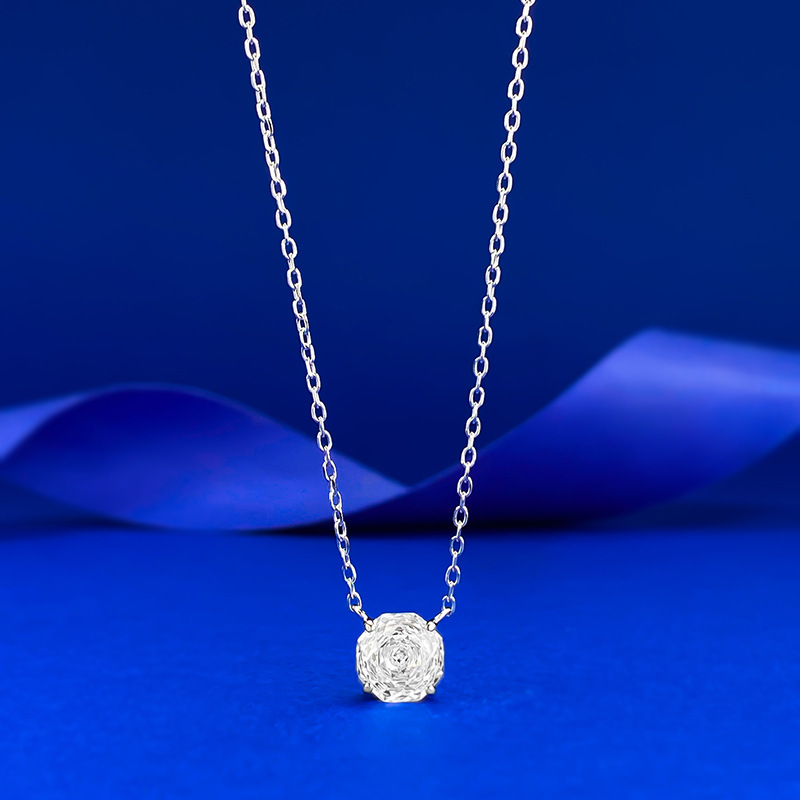
Solitaire Pendant Clarity to Buy: A Practical Diamond Guide
A Diamond Solitaire Pendant is simple, elegant, and easy to wear. It works with a T-shirt, a blazer, a black dress, or a bridal look. Because one diamond does all the work, shoppers often ask the same question: what is the best solitaire pendant clarity to buy without spending too much?
The short answer is simple: buy the lowest clarity grade that still looks clean to the naked eye in your chosen size and shape. For many pendants, that means VS2 or VS1. For smaller stones, an eye-clean SI1 can be a smart buy. For larger diamonds or step cuts, VVS2 or VS1 may feel safer.
StoneBridge Jewelry focuses on lab-grown diamond jewelry with clear specifications and wearable design. Lab-grown diamonds have the same chemical, physical, and optical properties as mined diamonds when graded by the same standards. That gives many buyers more room to choose a better cut, larger carat weight, or cleaner clarity grade.
Is higher clarity always better? Not for a pendant. A pendant sits at the neckline, not on the hand, so people usually see it from two to five feet away. Tiny inclusions that show under 10x magnification often disappear in real life.
This guide explains the solitaire pendant clarity to buy by size, shape, setting, and budget. You'll see where to spend, where to save, and how to choose a diamond pendant that looks bright every time you wear it.
Why Diamond Clarity Matters in a Solitaire Pendant
Diamond clarity describes internal inclusions and surface blemishes. Grading labs look at their size, number, position, color, and visibility under 10x magnification. The Gemological Institute of America, or GIA, uses the clarity scale FL, IF, VVS1, VVS2, VS1, VS2, SI1, SI2, and Included grades.
That scale is useful, but it doesn't tell the whole story. Two VS2 diamonds can look very different. One may have a small white inclusion near the edge. Another may have a darker crystal under the table, which is the flat top facet of the diamond.
The best solitaire pendant clarity to buy depends on how the diamond looks without magnification. Jewelers call this eye-clean. It means you don't see distracting marks during normal wear.
Pendants are forgiving because of viewing distance. A ring gets inspected up close while someone talks with their hands. A necklace is framed by skin, fabric, and movement. That distance helps hide tiny clarity features.
Clarity still matters. A dark inclusion in the center of a 1.50 carat diamond can pull the eye. A feather near the edge may need review for durability. Step-cut shapes, such as emerald and asscher, also show inclusions more easily than round brilliant cuts.
Eye-Clean Clarity vs. Certificate Clarity
An eye-clean diamond looks clean to the naked eye. Certificate clarity tells you what a trained grader found under magnification. Both matter, but for most pendants, the eye-clean test carries more weight.
For a solitaire pendant clarity to buy with strong value, VS2 and VS1 are often the sweet spot. These grades usually look clean when worn and cost less than VVS, IF, or FL grades. In smaller brilliant-cut pendants, SI1 can also work if the diamond has been checked carefully.
VVS diamonds are cleaner under magnification. Most people won't see a visible difference between a well-cut VS1 pendant and a VVS1 pendant once the necklace is on. If both look bright and clean, the lower-priced stone may be the better choice.
Why Pendant Viewing Distance Changes the Rules
A pendant is usually viewed from conversation distance. That simple fact changes how strict you need to be about clarity. Small inclusions become much harder to spot as the diamond moves, catches light, and rests against clothing or skin.
This gives you a chance to spend wisely. Instead of paying for flawless clarity, you can put more of the budget toward cut, carat weight, metal quality, or a stronger chain. Those choices often make a bigger visible difference.
A practical rule works well: choose the solitaire pendant clarity to buy that looks clean and bright in your exact diamond. Don't shop by grade alone. Review images, grading details, and the location of inclusions.
Best Solitaire Pendant Clarity to Buy by Carat Size
Diamond size changes the clarity decision. The larger the diamond, the easier it can be to notice inclusions. A tiny mark in a 0.30 carat stone may be nearly invisible. A similar mark in a 1.50 carat pendant deserves a closer look.
Lab-grown diamonds help here because they often cost less than comparable mined diamonds with similar grades. That can make VS, VVS, or a larger carat weight more attainable. Even so, the smartest solitaire pendant clarity to buy is still the one that supports visible beauty, not just a higher line on a report.
Use this chart as a starting point:
| Pendant Diamond Size | Strong Value Clarity | Premium Clarity Option | Main Buying Focus |
|---|---|---|---|
| Under 0.50 carat | SI1 to VS2 | VS1 | Cut, sparkle, secure setting |
| 0.50 to 1.00 carat | VS2 to VS1 | VVS2 | Eye-clean look and balanced value |
| Over 1.00 carat | VS1 to VVS2 | VVS1 or higher | Inclusion placement, shape, presence |
Under 0.50 Carat: Save on Clarity, Watch the Sparkle
For solitaire pendants under 0.50 carat, SI1 to VS2 is often enough if the diamond is eye-clean. At this size, most inclusions are hard to notice in a necklace. Round, oval, cushion, pear, and princess cuts can hide minor marks especially well because their facets break up reflections.
The best solitaire pendant clarity to buy in this size should leave room for the details you see every day. Cut quality, a flattering metal tone, a secure setting, and a comfortable chain matter more than jumping from VS2 to VVS1.
If you're buying a gift, VS2 is a safe middle ground. It feels premium on paper and usually looks clean in person. SI1 can be excellent too, but only when the inclusion pattern is reviewed.
0.50 to 1.00 Carat: The Most Flexible Range
The 0.50 to 1.00 carat range is popular because it has presence without feeling too formal. For this size, VS2 to VS1 is usually the best solitaire pendant clarity to buy. It gives a clean look, strong value, and broad availability in lab-grown diamonds.
Some SI1 diamonds also work well, especially in round brilliant or oval shapes. Look for inclusions near the edge rather than under the center table. A prong or basket may make edge inclusions even less noticeable.
When comparing two diamonds, trust the visible result. If a VS2 and VVS2 look the same to your eye, the VS2 may let you choose a larger stone, upgraded chain, or preferred metal.
Over 1.00 Carat: Clarity Deserves More Attention
Above 1.00 carat, clarity becomes more visible. There is more surface area, and the eye has more space to catch a dark mark or cloudy zone. For larger pendants, VS1 to VVS2 is often the safest solitaire pendant clarity to buy.
Shape matters even more at this size. Round brilliant, oval, pear, and cushion cuts hide inclusions better than emerald or asscher cuts. Step cuts have long, open facets, so you may want VS1 or VVS2 for extra confidence.
For a major anniversary gift or statement pendant, higher clarity can also add emotional value. Some buyers simply feel better giving a VVS stone. That's a fair reason to upgrade, as long as you know you're paying partly for rarity and peace of mind.
Compare Cut, Shape, Color, and Setting Before Clarity
Clarity is only one part of a beautiful pendant. A diamond with excellent cut can look brighter and larger than a higher-clarity stone with weak light return. GIA reports that cut affects how a diamond interacts with light, including brightness, fire, and scintillation.
Before choosing the solitaire pendant clarity to buy, compare these details:
- Diamond shape and cut style
- Cut quality and light return
- Color grade and metal tone
- Clarity grade and inclusion location
- Carat weight and millimeter size
- Setting style and craftsmanship
- Chain length, chain type, and clasp security
- Grading report from GIA, IGI, GCAL, or another trusted lab
Independent grading gives you a baseline. GIA, IGI, and GCAL reports document carat weight, measurements, color, clarity, polish, symmetry, and lab-grown diamond disclosure when applicable. A report doesn't replace your eyes, but it helps confirm what you're buying.
Many StoneBridge Jewelry customers start by asking for the highest clarity, then choose a better-balanced diamond after comparing real images. Often, a well-cut VS2 looks more lively than a VVS2 with weaker proportions.
Diamond Shape and Sparkle
Round brilliant diamonds are classic for solitaire pendants because they offer strong sparkle and easy styling. Oval diamonds look graceful and slightly elongated. Pear shapes feel elegant and distinctive. Cushion cuts have a soft, romantic look. Princess cuts feel crisp and modern.
Emerald and asscher cuts have a quieter, glassier beauty. They don't hide inclusions as well because the facets are broad and open. If you love this look, move one clarity grade higher than you would for a round pendant.
For brilliant cuts, the best solitaire pendant clarity to buy is often VS2. For step cuts, VS1 or VVS2 may be worth the premium, especially at 1.00 carat or larger.
Color Grade and Metal Tone
Color also affects how clean a diamond appears. In white gold or platinum, many shoppers prefer G, H, or I color because the cool metal can make warmth easier to see. In yellow or rose gold, slightly warmer grades can look soft and intentional.
Balance color and metal carefully. A J color diamond may look beautiful in yellow gold but warmer in white gold. A near-colorless diamond in white gold may appear crisp and bright.
Choose the solitaire pendant clarity to buy alongside color, not separately. A clean VS2 in the right metal can look better than a higher-clarity diamond with a color mismatch.
Setting Style, Chain Length, and Daily Wear
The setting changes both the look and the protection of the pendant. A four-prong setting shows more diamond and keeps the style light. A basket setting adds structure and helps the pendant sit neatly. A bezel setting wraps the edge in metal, which gives a sleek look and extra protection.
Chain length also matters. A 16-inch chain sits higher near the collarbone. An 18-inch chain is the easiest everyday length for many people. A 20-inch chain sits lower and layers well.
Don't ignore the chain. A larger pendant on a too-delicate chain can feel unbalanced. A secure clasp, sturdy links, and a well-shaped bail help the necklace wear comfortably.
Lab-Grown Diamond Pendants and Clarity Value
Lab-grown diamonds are real diamonds with a different origin. They are created in controlled conditions rather than mined from the earth. When graded by the same standards, they share the same chemical, physical, and optical properties as mined diamonds.
For shoppers deciding on solitaire pendant clarity to buy, lab-grown diamonds can stretch the budget. You may be able to compare VS1, VVS2, or larger carat weights at prices that feel more reachable. That flexibility is one reason lab-Grown Diamond Pendants have become popular for birthdays, anniversaries, graduations, and bridal gifts.
You can shop lab-grown diamonds by size, shape, and quality, or browse fine jewelry gifts if you're building a set. If you're also comparing bridal styles, StoneBridge's engagement ring collection and ring builder can help you understand how clarity choices change between rings and pendants.
More Beauty for the Same Budget
Lab-grown pricing often gives buyers room to choose a stronger overall diamond. That doesn't mean you need the highest clarity available. It means you can choose more carefully.
For most buyers, VS2 to VS1 remains the best solitaire pendant clarity to buy. VVS2 becomes more attractive for larger stones, step cuts, or gifts where the report matters. IF and FL grades are rare and impressive, but they usually don't improve the worn look of a pendant.
Think of clarity as protection against visible distractions. Once the diamond looks clean, spend the rest where you'll notice it: cut, size, setting, and chain comfort.
Everyday Versatility and Gift Appeal
A solitaire pendant has staying power because it doesn't chase trends. It can be worn alone, layered with a chain, or paired with diamond studs. It feels polished but not fussy.
Our customers often choose round or oval pendants for everyday gifts. Pear and emerald-cut pendants are popular when the recipient likes a more personal shape. For daily wear, a bezel or low-profile basket can make the piece feel secure.
The right solitaire pendant clarity to buy should match the recipient's habits. A practical wearer may prefer a durable setting and eye-clean VS clarity. A collector may care more about VVS or higher grades.
Pricing: Which Clarity Grade Is Worth Paying For?
Clarity affects price, but the price jump isn't always visible. Moving from SI1 to VS2 can matter if the SI1 has visible inclusions. Moving from VS1 to VVS1 may look identical in a pendant, even though the cost can rise.
Diamond prices also change at popular carat marks, especially 0.50, 1.00, 1.50, and 2.00 carats. Industry pricing commonly rises more sharply around these thresholds because demand is high. If you're flexible, a 0.90 carat pendant may offer strong value compared with a 1.00 carat stone.
Here is a simple clarity value plan:
- SI1: Best for smaller pendants when verified eye-clean
- VS2 to VS1: Best overall value for most solitaire pendants
- VVS2 to VVS1: Best for larger diamonds, step cuts, and premium gifts
- IF or FL: Best for buyers who value rarity more than visible difference
For most daily necklaces, the best solitaire pendant clarity to buy is VS2 or VS1. It looks clean, feels premium, and avoids the steepest clarity premiums.
When VVS Is Worth It
VVS clarity can be worth the added cost in a few cases. Choose it for emerald or asscher cuts, diamonds over 1.00 carat, or a gift where the recipient will value the grading details. It can also make sense if you're building a high-spec piece and want every line on the report to feel special.
Compare the real diamond, not just the grade. A VVS diamond with average cut won't sparkle like an excellent-cut VS diamond. Beauty starts with light performance.
If your budget forces a choice, choose excellent cut before ultra-high clarity. You'll see sparkle every day. You won't see most VVS-level differences without magnification.
When Not to Overpay
FL and IF diamonds are beautiful on paper. In a pendant, they often don't look different from VVS or even strong VS grades. You're paying for rarity, not always more visible beauty.
That money may work harder elsewhere. A slightly larger diamond can give more presence. A better chain can improve comfort. A higher-quality setting can make the whole necklace feel more refined.
The smartest solitaire pendant clarity to buy is the one that keeps the diamond clean to the eye and leaves budget for the details that improve wear.
How to Choose a Pendant for the Wearer
A pendant should fit the person, not just the certificate. Think about how they'll wear it. Will it be an everyday necklace, a wedding-day accent, or a special-occasion piece?
Ask these questions Before You Buy:
- Does the wearer prefer classic or distinctive jewelry?
- Will they wear it daily or only sometimes?
- Do they usually wear white, yellow, or rose gold?
- Do they layer necklaces or wear one signature piece?
- Would they notice more size, higher clarity, or a protective setting first?
For a minimalist, a 0.50 carat round pendant in VS2 clarity may be perfect. For someone who likes bolder jewelry, a 1.25 carat oval or pear may feel more exciting. For a practical daily wearer, a bezel setting can be a smart choice.
Size and Style Tips
Under 0.50 carat feels delicate and easy to wear. A 0.50 to 1.00 carat pendant gives a classic amount of sparkle. Over 1.00 carat creates a more noticeable statement.
Round pendants are the easiest to gift because they suit almost everyone. Fancy shapes add personality. Oval, pear, cushion, and emerald cuts all feel elegant, but they carry different clarity needs.
Match the solitaire pendant clarity to buy to the shape. Brilliant cuts allow more flexibility. Step cuts usually reward a cleaner grade.
Care and Long-Term Maintenance
Diamonds are durable, but necklaces still need care. Lotions, oils, and dust can dull sparkle. Cleaning keeps the diamond bright.
Use warm water, mild dish soap, and a soft toothbrush. Rinse well and dry with a lint-free cloth. Skip harsh chemicals, abrasive cleaners, swimming, and heavy exercise while wearing fine jewelry.
Check prongs, clasps, and chains often if the pendant is worn daily. Many jewelers recommend a professional inspection once or twice a year. That quick check can catch loose prongs or worn links before they become bigger problems.
Buying from StoneBridge Jewelry
Start with the size and shape you love. Then choose the solitaire pendant clarity to buy based on eye-clean beauty. After that, check cut, color, metal, setting, chain length, and grading documentation.
For most shoppers, VS2 to VS1 is the best balance. SI1 can be a strong value in smaller brilliant-cut pendants if verified eye-clean. VVS2 or VVS1 is worth considering for larger diamonds, emerald cuts, asscher cuts, and meaningful luxury gifts.
StoneBridge Jewelry offers lab-grown Diamond Solitaire Pendants with clear specifications, refined settings, and support from jewelry specialists. If you'd like help comparing options, contact our jewelry experts with your preferred size, shape, and budget.
Ready to choose your pendant? Shop StoneBridge Jewelry's lab-grown Diamond Solitaire Pendants and focus on what you'll actually see: clean beauty, strong sparkle, and a necklace you'll reach for often.
Ready to Find Your Perfect Diamond?
Explore our collection of certified lab-grown diamonds
Shop Diamonds