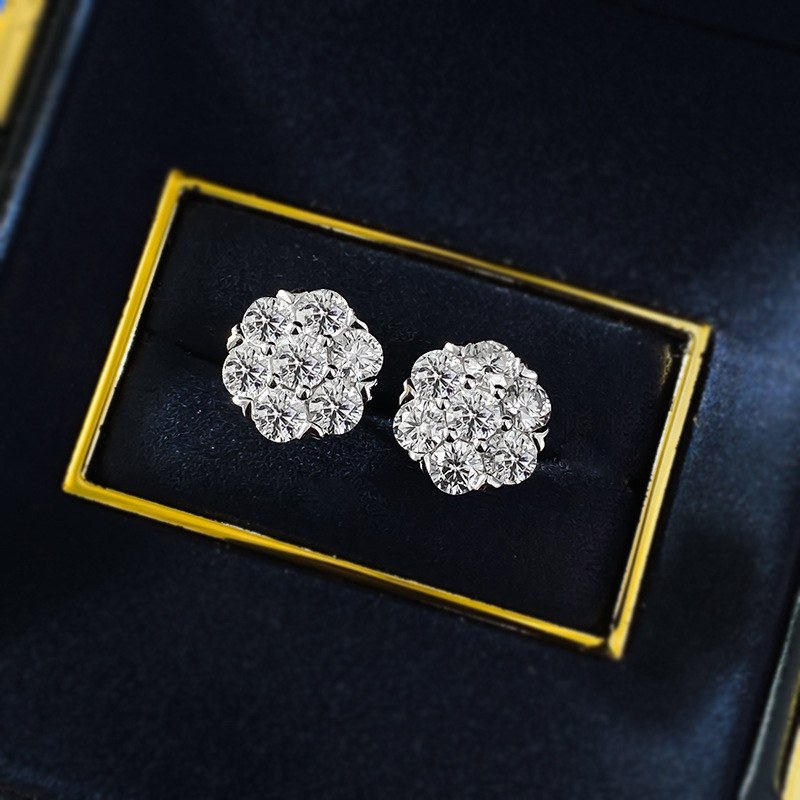
Service Center Jewelry ID Verification Guide for Safer Buying
A service center jewelry ID verification guide answers one core question: does the jewelry in your hand match the certificate, receipt, appraisal, warranty file, or retailer record tied to it?
That question matters before repair, resale, insurance, gifting, and secondhand buying. It matters even more with lab-grown diamond engagement rings, tennis bracelets, and pieces that have been resized or serviced.
I’ve helped hundreds of couples choose lab-grown diamond engagement rings, and one thing comes up again and again: people save the proposal photos, but forget where they saved the certificate. Keep both. Years later, that little bit of organization can save a surprising amount of stress.
This service center jewelry ID verification guide compares two practical routes. One is an in-person check by a jeweler, service center, gemologist, or appraiser. The other is online verification through diamond reports, laser inscriptions, order records, and retailer support.
Both can help. They solve different problems.
Service Center Jewelry ID Verification Guide: What Gets Checked
Jewelry ID verification is not the same as a quick look at a ring photo. The goal is to connect specific details on the item to specific details in the paperwork.
A proper check may confirm:
- Diamond report number or certificate number
- Laser inscription on the diamond girdle, if present
- Metal stamp, such as 14K, 18K, PT950, or platinum
- SKU, order number, receipt, or warranty file
- Setting style, prong count, side stones, and mounting type
- Carat weight, shape, measurements, color, clarity, and cut grade
- Bracelet length, ring size, earring style, or chain length
- Condition issues, including chips, loose stones, worn prongs, or bent settings
GIA explains diamond quality through the 4Cs: carat weight, color, clarity, and cut. GIA and IGI reports also list measurements, often to hundredths of a millimeter, such as 7.30 x 7.34 x 4.55 mm. Those numbers give jewelers something concrete to compare.
The certificate describes a diamond. Verification checks whether that diamond appears to be the one in the jewelry. It sounds simple, but this is where details matter (trust me, I’ve seen one mixed-up file create a very long afternoon).
Diamond Details Worth Comparing Before You Buy
The easiest jewelry to verify later is the jewelry you buy with clear specifications now. For a center diamond, do not stop at "2 carat oval" or "excellent quality." Ask for the full report details: exact carat weight, shape, measurements, color grade, clarity grade, cut grade when applicable, polish, symmetry, fluorescence, and laser inscription number.
For round brilliant diamonds, cut grade deserves special attention because it strongly affects brightness. Many buyers prefer GIA or IGI Excellent cut for round diamonds, but two Excellent stones can still look different. Compare table percentage, depth percentage, crown angle, pavilion angle, and measurements if you are choosing between similar stones. For fancy shapes such as oval, pear, emerald, radiant, cushion, and marquise, there may not be the same simple cut grade, so look closely at the actual dimensions, length-to-width ratio, bow-tie effect, and face-up appearance.
Practical buyer ranges vary by taste and budget, but many lab-grown diamond shoppers look for G-H color and VS1-VS2 clarity for a clean, bright engagement ring without paying for grades they may not see without magnification. If you want a crisper icy look, D-F color may be worth the premium, especially in white gold or platinum. If you are choosing yellow gold or rose gold, an H-I color diamond can still appear beautiful because the warm metal softens the contrast.
Price should also be part of your verification mindset. Lab-grown diamond pricing changes with market supply, shape, size, and quality, but a documented 1.00 carat lab-grown center stone is often far less expensive than a mined diamond of similar grades. A complete lab-grown diamond engagement ring may range from under $1,000 for a modest solitaire to several thousand dollars for a larger certified center stone, platinum setting, hidden halo, side stones, or custom work. If a secondhand listing is far below normal market expectations and the seller cannot produce a valid report, receipt, or clear inscription photo, slow down.
Option A: In-Person Service Center Jewelry Verification
In-person verification focuses on the physical piece. Bring the jewelry and every document you have: receipt, grading report, appraisal, warranty card, repair ticket, shipping record, email confirmation, and clear photos.
A jeweler or service specialist may inspect the item under 10x magnification, check hallmarks, look for a laser inscription, measure visible stones, and compare the findings with your records. For mounted diamonds, measurements may not be exact, but they should still make sense.
This service center jewelry ID verification guide recommends in-person review when the piece has a question mark attached to it. Think missing paperwork, repair history, inherited jewelry, insurance disputes, resale listings, or concern that a stone was switched.
Pros of Service Center Verification
Service center checks give you the strongest read on the object itself. A professional can see wear, damage, workmanship, and details that never appear on a certificate.
The main benefits include:
- Physical comparison between the jewelry and its paperwork
- Condition review for prongs, clasps, stones, shanks, and settings
- Laser inscription checks when the girdle is visible
- Notes that may support repair, insurance, or resale conversations
- Better review of multi-stone pieces, such as tennis bracelets and eternity bands
Many customers ask for verification before resizing an engagement ring or insuring a new lab-grown diamond. That timing makes sense. A quick check at intake can document the piece before work begins.
In my years with StoneBridge customers, I’ve noticed the most careful shoppers are often the most sentimental ones. They are not being fussy; they are protecting the ring that will show up in proposal stories, wedding photos, anniversary dinners, and all the everyday moments in between.
Cons of Service Center Verification
Service center verification can take time. You may need an appointment, shipping, a service fee, or several business days for a written appraisal.
Expertise also varies. Not every shop has a gemologist on staff, and not every mounted diamond shows its inscription clearly. A service center may confirm the physical details but still lack access to the original retailer order record.
Ask what you will receive Before You Book. A service note, inspection receipt, and formal appraisal are not the same document.
What to Ask Before Leaving Jewelry for Service
If you are dropping off a ring, bracelet, necklace, or earrings, ask the service center to write down identifying details at intake. A good intake ticket should include the metal type, ring size or bracelet length, center stone shape, approximate carat weight, side stone count, visible inscriptions, obvious damage, and any work requested.
For engagement rings, ask whether resizing will affect the inscription, warranty, engraving, or pavé stones on the shank. A plain solitaire can often be resized more easily than an eternity band or a ring with diamonds set all the way around. White gold may also need rhodium replating after certain repairs, while platinum can show a soft patina but does not need rhodium to stay white.
For bracelets and necklaces, pay attention to clasps and links. A tennis bracelet verification should include the total length, clasp style, safety latch condition, stone count, and any replaced stones. A weak clasp can matter as much as a mismatched certificate because it increases the risk of loss.
Option B: Online Certificate and Retailer Record Checks
Online verification starts with documents. It works best when you bought from a reputable retailer and still have the order number, digital certificate, product details, and warranty information.
Use the diamond report number first. Search it through the issuing lab, such as GIA Report Check or IGI's online report verification tool. Then compare the report with your receipt, SKU, product page, and order confirmation.
This service center jewelry ID verification guide treats online lookup as a smart first step for lab-grown diamond jewelry. Many lab-grown center stones come with digital reports, and many carry laser inscriptions tied to those reports.
Still, online records have a limit. A valid report number proves the report exists in the lab's system. It does not prove the stone in your ring is that exact stone unless the inscription, measurements, and jewelry details line up.
Honestly, I think online verification is one of the most underused parts of smart jewelry shopping. It takes only a few minutes, but it gives you a cleaner paper trail before you ever walk into a service center.
Pros of Online Verification
Online verification is fast and easy. You can often confirm a report number, carat weight, shape, color, clarity, and measurements in minutes.
Online checks are useful for:
- Reviewing a diamond before purchase
- Confirming original StoneBridge order details
- Saving documents for insurance
- Checking warranty records
- Comparing two lab-grown diamonds side by side
- Sharing clear records with a buyer or gift recipient
If you are shopping now, start with pieces that make verification easy later. You can compare certificate-backed stones in our lab-grown diamond collection, review settings in our engagement rings collection, or design a documented piece with the StoneBridge ring builder.
Cons of Online Verification
Online verification cannot inspect the jewelry in your hand. It will not catch a loose prong, damaged clasp, replaced head, altered shank, or stone that no longer matches the document.
It also depends on clean records. Missing receipts, fake certificates, unclear photos, and undocumented repairs can weaken the paper trail.
If the inscription is listed but you cannot see it, do not assume the worst. Mounted stones can block the girdle. That is a good reason to ask a jeweler for help, not an automatic sign of a problem.
Service Center vs Online Jewelry ID Verification
The simplest rule is this: online records confirm the paper trail, while service center checks confirm the physical item.
Use this comparison when deciding which route fits your situation:
| Criteria | Service Center Verification | Online Certificate and Retailer Records |
|---|---|---|
| Best strength | Confirms the physical jewelry, markings, condition, and mounted details | Confirms lab report data, SKU, purchase history, and original specifications |
| Speed | Same day to several business days | Often minutes, unless retailer support is needed |
| Cost | May include inspection or appraisal fees | Often free through lab lookup tools or retailer records |
| Best for | Repairs, missing documents, inherited jewelry, resale, insurance questions | Clear reports, original orders, pre-purchase research, warranty checks |
| Main limit | May not access the original retailer file | Cannot fully confirm the item without physical matching |
A high-value piece deserves both routes. Start online, then ask a qualified jeweler to match the report to the diamond and inspect the setting.
For a lab-grown diamond engagement ring, the center stone should match the report number, shape, measurements, and inscription if visible. For a tennis bracelet, in-person inspection often helps more because dozens of smaller stones may not have individual certificates.
Best Fit by Jewelry Type
A service center jewelry ID verification guide should change its advice based on the jewelry type. A solitaire ring and a multi-stone bracelet do not carry the same verification risks.
Engagement Rings
Use online report lookup first, then confirm the physical ring if it is being resized, repaired, insured, appraised, or resold. The center diamond should match the report's shape, carat weight, measurements, color, clarity, and inscription details.
Setting style affects both beauty and verification. A four-prong solitaire shows more of the diamond and can make inscription checks easier, but a six-prong head gives round diamonds a little more security. A bezel setting protects the edge of the stone well, which is helpful for active wearers, but it can hide more of the girdle. Halo and hidden halo rings add sparkle for the price, yet they create more tiny stones and prongs that need inspection.
Ring size also belongs in the record. If the receipt says size 6.5 and the ring now measures size 5.25, ask whether it was resized and whether the work was documented. A small resize is common; repeated or major resizing can affect the shank, side stones, engraving, and warranty coverage.
Here’s what nobody tells you: the best time to organize engagement ring records is before the proposal excitement takes over. After the yes, there are calls to make, Photos to Take, and people to hug. Paperwork is not exactly the romantic part, but it protects the romantic part.
Lab-Grown Diamond Studs and Pendants
Online records may be enough when each stone has a clear report. If the earrings use small uncertified stones, a jeweler's inspection can give a better read on metal, setting quality, and condition.
For studs, compare the listed total carat weight with the actual pair. A "2.00 carat total weight" pair usually means about 1.00 carat per ear, not 2.00 carats each. Check whether the backs are friction, screw back, guardian, or locking backs, because replacement backs can change Comfort and Security. For pendants, confirm the chain metal, chain length, clasp type, and whether the diamond is fixed or sliding on the chain.
Tennis Bracelets and Multi-Stone Jewelry
Choose service center verification for tennis bracelets, eternity bands, and pavé jewelry. A professional can count stones, check the clasp, inspect each setting, confirm the metal stamp, and estimate whether the total carat weight fits the record.
Bracelet length matters for both comfort and loss prevention. A standard women's tennis bracelet is often around 7 inches, but wrists vary. Too tight can stress links and clasps; too loose can snag and flip. Ask the service center to check articulation, solder joints, safety catches, and any stones that sit lower or higher than the rest.
Heirloom and Estate Jewelry
Start with a professional inspection. Older appraisals may use outdated grading language, and values may no longer reflect current replacement costs.
Heirloom jewelry deserves a little patience. These pieces often carry family stories, not just market value, and a careful verification process can help preserve both.
Metal Choices, Wear, and Verification Clues
Metal can help confirm identity, but it can also reveal repair history. A 14K stamp means the piece is 14 karat gold, while 18K contains more gold and is often richer in color. PT950 or Plat usually indicates platinum. Sterling silver may be marked 925, though silver is less common for fine diamond engagement rings because it is softer and tarnishes more easily.
White gold is usually rhodium plated, so a ring that looks slightly yellow at the base of the shank may simply need replating. Platinum stays naturally white but develops surface wear differently. Rose gold contains copper, which gives it warmth but can make resizing a little more delicate depending on the alloy and design.
When records say "platinum" and the ring is stamped 14K, that conflict needs review. When a receipt says 14K white gold and the ring has normal rhodium wear after years of daily use, that is not a red flag by itself. Context matters.
Our Recommended Verification Process
The strongest service center jewelry ID verification guide uses both paper and proof. Start with records, then bring in a professional when the value, history, or risk calls for it.
Follow these steps:
- Gather receipts, reports, appraisals, warranty cards, repair tickets, emails, and photos.
- Check the issuing lab and report number through GIA, IGI, or the named grading lab.
- Compare carat weight, shape, measurements, color, clarity, cut, polish, and symmetry.
- Match retailer details, including SKU, metal type, ring size, style name, and purchase date.
- Look for hallmarks and inscriptions only if you can do so safely.
- Photograph the jewelry from the top, side, inside shank, clasp, and any damaged area.
- Ask a jeweler, gemologist, appraiser, or service center to review any mismatch.
For insurance, ask the insurer exactly what they need. Some accept a receipt and grading report for a new purchase. Others require a formal appraisal with replacement value.
For resale, good documentation builds trust. A listing with a report number, retailer record, recent photos, and inspection note looks far more credible than one that says only "diamond ring, about two carats."
I always tell customers to create one simple folder for their jewelry records (yes, even on a budget). A receipt, report, appraisal, warranty note, and a few clear photos can make future repairs, claims, or resale conversations much easier.
Shipping, Returns, and Documentation Tips
If you are shipping jewelry for service, verification, return, or resale, treat the packing process as part of your record. Photograph the item before packing, photograph the paperwork included, and keep the tracking number, insurance amount, and delivery confirmation. Use the shipping method recommended by the retailer or service center, not the cheapest option you can find.
Before returning a newly purchased piece, confirm the return window, whether resizing voids return eligibility, whether custom or engraved items are final sale, and whether the diamond report must be returned with the jewelry. Missing certificates, damaged packaging, removed tags, or undocumented wear can slow a refund or create a dispute.
For high-value pieces, avoid writing words like "diamond," "jewelry," or "engagement ring" on the outside of a package. Use the provided label, follow the retailer's instructions, and ask whether adult signature, insurance, and tamper-evident packaging are required.
Common Mistakes That Make Verification Harder
Most verification problems are not dramatic. They come from small gaps that pile up over time.
- Saving a screenshot of a diamond but not the report number
- Buying a secondhand ring without confirming the inscription or measurements
- Assuming total carat weight means the size of one stone
- Resizing or repairing jewelry without keeping the service receipt
- Ignoring loose prongs until a stone falls out
- Throwing away packaging that contains a certificate, warranty card, or SKU label
- Using an old appraisal for insurance when replacement costs have changed
Another common mistake is choosing only by carat weight. A poorly cut 2.00 carat diamond can look dull beside a brighter 1.70 carat diamond with better proportions. For verification, carat weight helps identify the stone; for buying, light performance and shape appeal still decide whether you will love wearing it.
Red Flags That Need Professional Review
Move from online checking to service center verification if something feels off. Small measurement differences can happen with mounted stones, but major conflicts deserve attention.
Watch for these red flags:
- The certificate number does not appear in the lab database.
- The report describes a different shape, size, or carat weight.
- The laser inscription is different from the report.
- The metal stamp conflicts with the receipt or appraisal.
- The stone count, total carat weight, or setting style does not match the record.
- Stones look loose, chipped, cloudy, cracked, or poorly set.
- Repairs were completed without written documentation.
- A buyer, insurer, or appraiser challenges the piece's identity.
A few hundredths of a millimeter may be explainable on a mounted stone. A report for a 2.00 carat oval attached to a ring holding a 1.20 carat round is not.
Shop With Verification in Mind
Good verification starts before checkout. Choose jewelry with clear product details, lab-Grown Diamond Reports, metal information, warranty terms, and accessible support.
Before You Buy, compare more than the headline price. Check whether the center diamond is certified, whether the setting metal is 14K, 18K, or platinum, whether the ring can be resized, whether the warranty covers manufacturing defects, and whether routine care such as prong checks or cleaning is recommended. A low price loses its appeal if the seller cannot provide a report, a return policy, or basic support after delivery.
Care habits also protect verification value. Remove fine jewelry before heavy lifting, chlorine pools, gardening, and abrasive cleaning. Have prongs and clasps checked periodically, especially on rings worn every day. Clean diamond jewelry with warm water, mild dish soap, and a soft brush when appropriate, but avoid harsh chemicals and ultrasonic cleaners if the piece has fragile stones, treated gems, or unknown repairs.
StoneBridge customers can use order details and product records as part of the verification path for eligible purchases. If you need help finding information for a previous order, contact our team with your order number and the details you want to confirm.
You can also browse fine jewelry with documentation in mind through our jewelry collection. Save the product page, receipt, report, warranty details, and photos in one folder. Future you will be grateful.
Final Guidance for Confident Verification
Use online verification when your paperwork is complete and the jewelry has no service history. Use service center verification when the item has missing records, repair history, visible wear, resale pressure, insurance questions, or any mismatch.
Use both for valuable pieces. That includes lab-grown diamond engagement rings, tennis bracelets, heirlooms, custom settings, and jewelry headed for appraisal or resale.
A service center jewelry ID verification guide is most useful when it helps you make a calm decision. If you need speed, start with the report and retailer record. If you need proof about the object in hand, get a professional inspection.
Ready to Find Your Perfect Diamond?
Explore our collection of certified lab-grown diamonds
Shop Diamonds