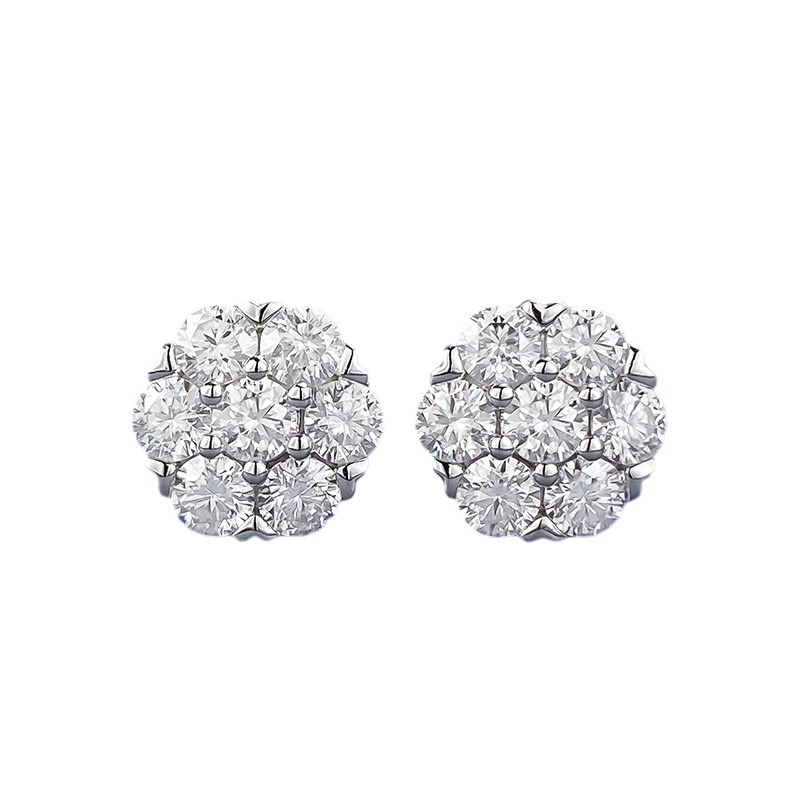
Safe Jewelry Cleaning for Gold Settings: Home Care vs Pro Service
Safe jewelry cleaning for gold settings sounds simple until you’re dealing with a loose prong, a cloudy finish, or a stone that doesn’t love water. The safest method depends on the metal, the setting, and the gem. For daily wear, heirloom pieces, and mixed-metal designs, the real choice is between gentle home care and a jeweler’s service.
Gold settings include yellow gold, white gold, and rose gold. They’re often set with diamonds, sapphires, emeralds, rubies, pearls, and other stones. The goal isn’t just shine. It’s keeping the finish smooth, the prongs tight, and the details free of buildup.
GIA advises matching cleaning methods to the Stone and Setting type, especially for delicate prongs and porous gems. That advice lines up with what we see in store: a quick, gentle routine works well for most pieces, while a professional check catches problems before they grow.
Safe Jewelry Cleaning for Gold Settings: What We’re Comparing
Safe jewelry cleaning for gold settings means removing skin oils, lotion, soap film, and everyday dirt without harming the metal or stones. Gold is durable, but polished surfaces can still scratch. White gold may also be rhodium-plated, and that finish needs a softer touch.
This comparison covers two common methods:
- Home cleaning with mild soap, warm water, and a soft brush
- Professional cleaning with inspection, steam, polishing, or ultrasonic treatment
A simple gold band and a pavé halo ring don’t need the same care. A plain wedding band is easy to clean. A vintage ring with tiny stones is a different story. So is a chain with hidden links or a bracelet with tight joints.
For us, “safe” means four things:
- Protecting the gold finish
- Keeping stones secure
- Avoiding harsh chemicals and abrasive paste
- Reducing wear on prongs, bezels, and clasps
Safe jewelry cleaning for gold settings should be judged by more than shine alone. What looks bright for a day can still cause wear over time.
At-Home Cleaning: The Gentle Routine Most Pieces Need
For most people, the best starting point for safe jewelry cleaning for gold settings is the simplest one: warm water, mild soap, and a soft brush. Done carefully, that’s enough to lift daily grime without stressing the piece.
How to clean gold jewelry at home
- Fill a small bowl with warm water, not hot.
- Add a few drops of mild, ammonia-free dish soap.
- Soak the jewelry for 10 to 20 minutes.
- Brush gently with a soft toothbrush or jewelry brush.
- Rinse in lukewarm water.
- Dry with a lint-free cloth.
- Let it air-dry fully before storing.
This method works because it clears away oils and surface dirt without scratching the gold. That matters more than getting a dramatic shine fast.
Why home care works well
- It’s low cost
- It takes only a few minutes
- Most people already have the supplies
- It’s gentle when pressure stays light
- It works well between professional visits
Where home cleaning falls short
Home cleaning won’t reach every hidden spot. It won’t remove old buildup under a center stone, and it won’t fix a dull finish caused by wear. It also isn’t right for every gem. Pearls, opals, emeralds, turquoise, and many treated stones need extra caution.
Best use cases for home care
Home cleaning is usually a good fit for:
- Everyday engagement rings with secure stones
- Plain yellow gold bands
- White gold rings between rhodium services
- Rose gold necklaces and bracelets with simple settings
- Lightly soiled pieces worn often
If the piece looks dull but sound, safe jewelry cleaning for gold settings at home is often enough.
Mistakes to skip
- Toothpaste or baking soda
- Hard-bristle brushes
- Harsh dips without checking suitability
- Bleach, acetone, or strong household cleaners
- Cleaning over an open sink
A soft touch beats a fast fix.
Professional Cleaning: What a Jeweler Can Do That You Can’t
Professional service gives safe jewelry cleaning for gold settings a deeper reset. A jeweler can inspect the piece, spot wear, and clean areas that are hard to reach at home.
What professional cleaning may include
A jeweler may offer:
- Inspection under magnification
- Steam cleaning
- Controlled cleaning solutions
- Ultrasonic cleaning for approved pieces
- Polishing
- Prong and clasp checks
That inspection is the big advantage. Our customers often bring in rings that look fine at first glance, then learn a prong is bent or a shank is thinning. Catching that early can save a stone.
When ultrasonic cleaning makes sense
Ultrasonic machines use vibration to shake grime loose. They can work well on sturdy diamonds in secure gold settings. Still, they’re not for everything. GIA and many jewelers warn against ultrasonic cleaning for fragile stones, older settings, or pieces with hidden damage.
Avoid ultrasonic treatment if the piece has:
- Loose stones
- Fractured gems
- Pearls, opals, emeralds, or turquoise
- Antique or worn settings
- Thin prongs or delicate pavé work
Professional care can be the deepest clean, but it’s only safe when the piece qualifies.
Pros of professional service
- Better deep cleaning
- Expert inspection of stone security
- Stronger access to tiny crevices
- Polishing support for tired finishes
- Helpful for heirlooms and high-value pieces
Cons of professional service
- Costs more than home care
- Takes time and a visit
- Not every piece can go in an ultrasonic machine
- Aggressive polishing can change the surface if handled poorly
Best times to choose a jeweler
Professional care is a smart pick for:
- Daily-wear engagement rings
- Pavé or halo settings
- Heirloom jewelry
- White gold that needs a refresh
- Rings that haven’t been checked in 6 to 12 months
- Pieces with complex links, clasps, or hidden settings
For safe jewelry cleaning for gold settings, professional service is often the better periodic reset.
Safe Jewelry Cleaning for Gold Settings: Side-by-Side Comparison
Choosing a method is easier when you compare them directly. Safe jewelry cleaning for gold settings comes down to safety, cost, convenience, and how complex the piece is.
| Category | At-Home Cleaning | Professional Cleaning |
|---|---|---|
| Safety | Very safe with gentle care and suitable stones | Very safe when a jeweler checks the piece first |
| Cleaning power | Good for light grime and daily buildup | Stronger for deep dirt and tight crevices |
| Damage risk | Low if you avoid abrasives and harsh chemicals | Low to moderate, depending on condition and method |
| Cost | Very low | Higher, service-based |
| Convenience | High, done anytime | Requires an appointment or visit |
| Best frequency | Weekly or as needed | Every 6 to 12 months for many daily-wear pieces |
| Best for | Routine care and simple designs | Heirlooms, intricate settings, and inspections |
| Stone fit | Best for durable stones and secure settings | Better after jeweler review |
Which option is safer?
For simple upkeep, home care often wins because it’s gentle and easy to control. For intricate or valuable jewelry, a jeweler may be safer because they can inspect the setting first. Safe jewelry cleaning for gold settings isn’t just about the cleaner. It’s about the condition of the piece.
Which option cleans better?
Professional care usually wins here. Steam and ultrasonic tools can reach under stones and into tiny spaces that a brush can’t.
Which option costs less?
Home care, hands down. A bowl, mild soap, and a soft brush cost very little.
Which option is easier?
Home cleaning. No appointment. No travel. No waiting.
The best plan is usually both: use gentle home care often, then book professional service from time to time.
Which Cleaning Method Fits Your Gold Jewelry?
The right method depends on the piece itself. Safe jewelry cleaning for gold settings should match the item, not just the metal.
Engagement rings
Engagement rings take the most daily wear. They face lotion, hand soap, kitchen mess, and constant contact. For solitaire rings with secure prongs, gentle home cleaning works well between checkups. If the ring has pavé, halo, or vintage detail, professional cleaning is the better deep-clean choice.
If you’re comparing ring styles, explore our engagement rings to see how setting type affects care.
Wedding bands
Plain gold bands are the easiest to maintain. Safe jewelry cleaning for gold settings at home is usually enough unless the band has engraving, texture, or accent stones.
Necklaces
Gold necklaces collect lotion, perfume, and skin oils. Simple chains are easy to clean at home. Pendants with diamonds or colored stones may need a softer brush and more careful drying.
Earrings
Earrings trap residue around posts, backs, and tiny settings. Light home care is usually fine. If the design has delicate prongs or small gems, a jeweler can help keep it secure.
Bracelets
Bracelets take a beating from sleeves, desks, and daily movement. Safe jewelry cleaning for gold settings is usually simple here, but clasps and links should be checked during service.
Setting style matters too
- Prong settings: Sparkly, but the prongs need checks
- Bezel settings: Protective and easier to care for
- Pavé settings: Beautiful, but tiny stones need caution
- Halo settings: Many small stones mean more places for dirt
- Channel settings: Durable, though grime can collect at the edges
If the build is complex, the condition of the setting matters more than the cleaner.
Mixed metals and sensitive stones
Mixed-metal pieces age differently. White gold may need rhodium replating. Rose gold can wear in a softer way because of its copper content. Softer gemstones should never be treated like diamonds.
If your ring includes diamonds, shop our lab-grown diamonds for styles that pair well with low-maintenance gold settings.
Expert Recommendation for Safer Gold Jewelry Care
The safest routine for safe jewelry cleaning for gold settings is simple: use gentle home care for routine upkeep, then book a jeweler for inspection and deeper cleaning.
A practical care routine
- Check the piece before cleaning.
- Look for loose stones, bent prongs, or a wobbly clasp.
- Use mild soap and warm water.
- Skip abrasive powders and strong cleaners.
- Brush lightly.
- Focus on the underside of stones and the inside of the setting.
- Rinse carefully.
- Keep the drain covered.
- Dry with a lint-free cloth.
- Don’t rub hard.
- Store pieces separately.
- Gold scratches easily against harder stones.
- Schedule professional service.
- For many daily-wear rings, every 6 to 12 months is a solid rhythm.
What the trade recommends
Industry sources like GIA and IGI keep pointing to the same basics: match the method to the stone, inspect the setting, and avoid harsh treatment. That’s also what experienced jewelers do every day.
Use extra care if your jewelry has:
- Loose prongs
- An antique mounting
- Porous or treated gems
- Thin shanks or worn edges
- White gold plating wear
If you’re unsure, ask a jeweler before using any machine-based cleaner. You can also contact our jewelry experts for help with safe jewelry cleaning for gold settings.
StoneBridge Jewelry care tip
We’ve found that the best results usually come from a simple care kit and a regular inspection schedule. A jewelry-safe cleaning solution, a soft detailing brush, and a lint-free cloth cover most day-to-day needs.
For care-friendly styles, browse our jewelry collection. If you’re starting from scratch, try our ring builder to choose a setting that’s easier to maintain.
Shop smarter for gold settings
Choose care essentials that support safe jewelry cleaning for gold settings, including gentle solution, soft brushes, and storage pieces. For more help, read our blog and check our FAQ.
FAQ: Safe Jewelry Cleaning for Gold Settings
What is the safest way to clean gold jewelry at home without hurting the setting?
Use warm water, mild dish soap, and a soft brush. Soak the piece for 10 to 20 minutes, then brush gently around the stones and inside the band. This keeps safe jewelry cleaning for gold settings simple and low risk. Avoid toothpaste, baking soda, and stiff brushes, since those can scratch gold over time.
Can I use an ultrasonic cleaner on gold rings with diamonds?
Sometimes, but only after a jeweler checks the piece. Ultrasonic cleaning can be fine for sturdy diamonds in secure gold settings, but it can also loosen weak prongs or reveal hidden damage. If the ring has pavé, antique detail, or any loose stone, skip the machine. Safe jewelry cleaning for gold settings should always start with the setting’s condition.
Is toothpaste or baking soda safe for gold jewelry?
No, both are too abrasive for regular use. They can leave tiny scratches on polished gold and dull the finish faster than you’d expect. A mild soap-and-water routine is a better choice for safe jewelry cleaning for gold settings. If a piece needs more than that, a jeweler is the better next step.
How often should I have gold settings professionally cleaned?
For daily-wear rings, every 6 to 12 months is a good target. If the piece has tiny stones, a delicate setting, or heavy wear, a jeweler may need to check it sooner. Professional care is useful because it combines cleaning with inspection. That makes safe jewelry cleaning for gold settings a lot more reliable over time.
What’s the best cleaning method for white gold jewelry?
White gold usually does best with gentle home cleaning and periodic professional care. A jeweler can also check the rhodium plating and refresh the finish if needed. Avoid harsh chemicals and abrasive cleaners, since they can make the surface look tired faster. For white gold, safe jewelry cleaning for gold settings is really about protecting both the metal and the plating.
Choose the Safer Path for Gold Jewelry Care
If your goal is safe jewelry cleaning for gold settings, keep the routine simple. Mild soap and warm water handle most day-to-day cleaning. A jeweler’s service gives you the deeper clean and the inspection that can prevent bigger repairs later.
A good rule of thumb? Clean gently at home, then let a pro check the piece now and then. That approach protects the finish, supports stone security, and helps gold settings stay beautiful longer.
If you’re ready to care for your jewelry the right way, browse our jewelry collection or contact our jewelry experts for advice on safe jewelry cleaning for gold settings.
Ready to Find Your Perfect Diamond?
Explore our collection of certified lab-grown diamonds
Shop Diamonds