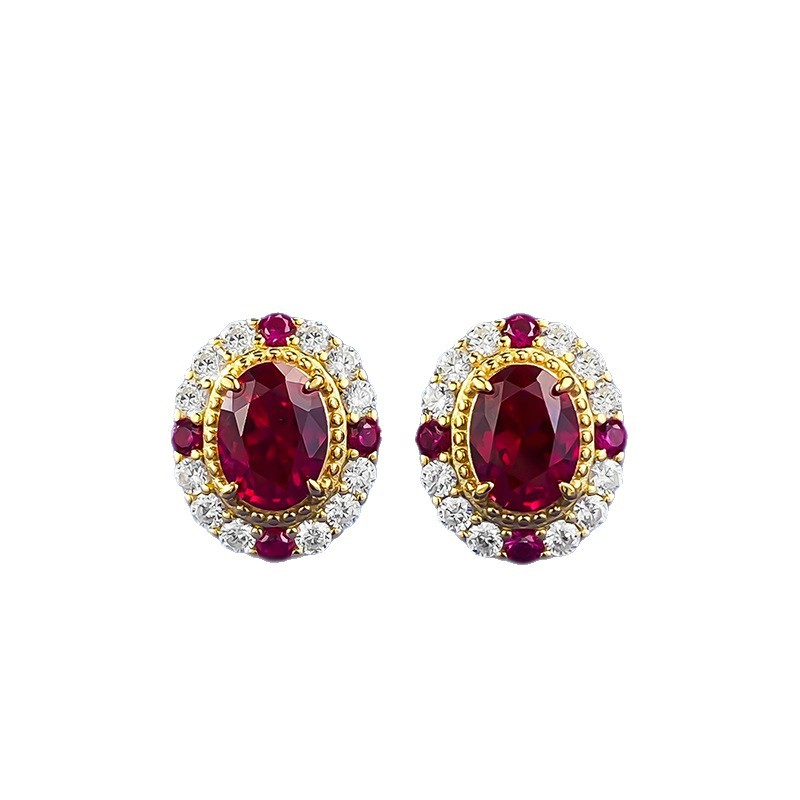
Round Stud Earrings Size Comparison: Find Your Best Fit
A Round Stud Earrings Size comparison matters because a few millimeters can change the whole look. The right pair affects sparkle, comfort, and how often you’ll reach for it. Choose well, and the earrings feel easy from morning to night.
Size also affects how the studs work with your face shape, hair, and wardrobe. A Pair That Looks perfect in a case can feel too quiet or too bold once it’s on your ear. That’s why a round Stud Earrings Size comparison should look at more than carat weight alone.
If you’re also weighing metals or matching pieces, you can browse our jewelry collection to see how different styles wear in real life. For buyers comparing diamond options, shop our lab-grown diamonds for more size and value choices.
What This Round Stud Earrings Size Comparison Covers
Round studs usually fall into three easy size groups: Small, Medium, and Large. Carat weight helps, but it doesn’t tell the full story. Cut quality, setting style, and metal color all change how big the earring looks on the ear.
GIA notes that cut quality is one of the biggest factors in brilliance. In plain terms, a well-cut 0.50 ct stone can look brighter than a larger stone with weaker proportions. That’s one reason size charts can mislead shoppers.
For this round Stud Earrings Size comparison, we’re focusing on the details that actually change how the earrings wear:
- Face shape balance
- Sparkle at arm’s length
- Comfort and weight
- Setting style
- Occasion fit
Studs also behave differently from other earring styles. Hoops and huggies frame the face, while drop earrings and dangles add movement. Round studs stay centered and feel cleaner, so the size choice matters in a different way.
How Size Changes the Look of Round Stud Earrings
A small shift in diameter can make a pair look delicate, balanced, or bold. A 3 mm stud and a 6.5 mm stud may sound close on paper, but they read very differently on the ear.
In practical terms, the eye does not measure studs the way a jeweler’s scale does. It notices how much of the ear they cover, whether the stone reaches past the lobe, and how much light return you see while moving. The same carat weight can therefore present differently depending on the diamond’s cut, depth, and mounting. If you are comparing online photos, pay attention to millimeter measurements, not just carats or stock images.
Small, medium, and large at a glance
Small studs usually feel subtle. They sit close to the ear and give off light rather than making a big statement. In a round Stud Earrings Size comparison, they’re the quietest choice.
Medium studs are the most versatile. They show clearly, but they don’t overwhelm your face. For many shoppers, this is the sweet spot.
Large studs create the strongest visual impact. They look more dramatic and more polished from a distance. If you want your earrings to stand out right away, this is the size group to look at.
A simple way to decide
Use this rule of thumb:
- Pick small if you want a low-profile look or a second-piercing stud.
- Pick medium if you want one pair that works almost everywhere.
- Pick large if you want a statement piece with real presence.
That framework works especially well for diamond studs. Shoppers often judge the look by how it reads across a room, not by a close-up photo. That’s the view that matters most in daily wear.
Millimeter size and visual scale
When you compare round studs, the millimeter size tells you the face-up width of the stone or design. Even a 1 mm increase can be noticeable once the earring sits on the ear. A 4 mm stud reads as neat and restrained, while a 5 mm or 6 mm pair begins to feel much more visible. Halo designs and thick prongs can make the same center stone appear larger, so always compare the finished diameter, not just the center diamond.
Small Round Studs: Best For Subtle Shine
Small round studs usually fall around 2 mm to 4 mm, depending on the Stone and Setting. They’re a good fit if you want a neat, understated look. In a Round Stud Earrings size comparison, they’re the least noticeable option.
Small studs are also useful when you want your ears to look polished without becoming the focus of the outfit. They can soften a tailored look, add a light point of sparkle to knitwear, and work well in multiple piercings where larger earrings would feel crowded. For people with petite features or narrow earlobes, small studs often sit more proportionally than larger ones.
Best features
- Light and easy to wear all day
- Great for stacking
- Nice for second or third piercings
- Clean and minimal
- Low visual weight
Why shoppers like them
Small studs are easy to forget you’re wearing, and that’s a plus for a lot of people. They work well with office clothes, gym days, and stacked ear looks. They also pair nicely with huggie earrings when you want a soft layered effect.
They can be a smart buy if you are building a jewelry wardrobe slowly. A smaller pair is often the easiest introduction to fine jewelry because it feels less formal and usually costs less than larger stones. It also tends to fit into more situations, from travel to work commutes, where you may not want to wear something high-profile.
Where they fall short
The biggest drawback is visibility. Small studs can disappear on larger earlobes or under thick hair. They also show less sparkle, so they may feel too quiet if you want the earrings to be the main feature. In a round Stud Earrings Size comparison, small studs win on discretion, not impact.
Another tradeoff is resale perception. A small diamond may still be excellent quality, but some shoppers attach more emotional value to size than to craftsmanship. If you want the earrings to read as a gift with clear “wow” factor, small studs may feel too restrained unless the cut and metal are especially strong.
Medium Round Studs: The Most Flexible Choice
Medium round studs are the safest all-around pick in a Round Stud Earrings size comparison. They usually hit the zone where the earrings are easy to notice but still feel natural. For many diamond stud buyers, medium offers the best blend of value and wearability.
Medium studs are especially helpful if you are choosing a first pair of diamond earrings and want to avoid buyer’s remorse. They are visible enough to feel intentional, but not so large that they dominate your face or outfit. They also tend to photograph well, which matters if you want the earrings to look right in both mirrors and pictures.
Best features
- Balanced look
- Clear sparkle
- Easy day-to-night wear
- Fits most face shapes
- Simple to style
Why they work so well
Medium studs do a lot without trying too hard. They look polished with a blazer, relaxed with denim, and dressy enough for dinner. If you want one pair that can handle most plans on your calendar, this size is hard to beat.
They also show more sparkle than small studs. When the cut is strong, the stone catches light at normal conversation distance. That matters, because most people won’t be studying your earrings up close.
For diamond buyers, medium size also gives you more room to balance carat weight with cut, color, and clarity. If your budget is fixed, a well-cut medium stone in a solid setting can often outperform a larger but poorly cut stone in everyday wear. That’s one reason jewelers often steer shoppers toward this category.
What to watch for
Medium studs may feel a little strong if you want a nearly invisible look. Weight can also vary by setting, so the backing matters. If you have sensitive ears, check the post and mount Before You Buy.
Even so, medium is usually the best starting point. In a round stud earrings size comparison, it’s the easiest size to wear often.
Best for gifts
Medium studs are the safest gift choice if you are not sure about the recipient’s style. They feel elevated without being too bold, and they work for birthdays, anniversaries, graduations, and milestone celebrations. If you want a Pair That Feels special but still practical, medium usually delivers the best balance.
Large Round Studs: For Maximum Presence
Large round studs create the most obvious look. They feel dressier, brighter, and more luxurious. In a round stud earrings size comparison, they’re the statement option.
Large studs also tend to interact more with the rest of the face and hairstyle. They look especially good with hair pulled back, short cuts, or clean necklines, because there is less visual competition around them. If you wear simple clothing and want one strong accessory, large studs can become the anchor of the look.
Best features
- Strong sparkle from a distance
- High visual impact
- Great for events and formal wear
- Premium feel
- Works well with simple outfits
Why buyers choose them
Large studs are a good pick when you want the jewelry to lead the outfit. They suit milestone gifts, evening plans, and polished looks with pulled-back hair. If the cut is excellent, the brilliance becomes part of the whole styling effect.
For diamond studs, the larger face-up look can feel especially rewarding. You can see the size difference right away, and that adds to the sense of value. If you want glamour without movement, large studs do the job well.
Tradeoffs to keep in mind
The downside is cost, weight, and comfort. Bigger stones usually cost more, and heavier settings can feel less easy for all-day wear. Security matters more too, since valuable earrings should have sturdy backings and solid craftsmanship.
Large studs also deserve more scrutiny around practicality. If you wear earbuds often, sleep with earrings in, or have an active job, the extra profile can be inconvenient. A larger design can catch on scarves, hair, and jacket collars more easily than a smaller one.
Large studs aren’t the most practical Choice for Every day, but they’re the strongest pick for a bold finish. If you want attention, they deliver it.
Round Stud Earrings Size Comparison Chart
| Size group | Typical look | Comfort | Versatility | Price tendency | Best use case |
|---|---|---|---|---|---|
| Small | Subtle, close to the ear | High | High for stacking | Lower | Everyday wear, second piercings, minimal style |
| Medium | Balanced, classic, visible | High to medium | Very high | Moderate | Daily wear, office, gifting, all-purpose use |
| Large | Bold, bright, statement-focused | Medium | Medium | Higher | Formal events, special occasions, standout looks |
Use the chart as a starting point, not a final verdict. Two pairs with the same diameter can look different if one has a bezel and one has prongs, or if one uses white gold and the other yellow gold. For diamond studs, the stone’s proportions and the setting’s height can also change how large the pair feels on the ear.
Best size by common needs
- Best for short hair or updos: medium and large
- Best for long hair: medium, since it still shows through movement
- Best for stacking: small, especially with huggie earrings
- Best for an angular face shape: medium or large for stronger balance
- Best for a soft, understated look: small
This round stud earrings size comparison also helps with outfit planning. Small studs stay quiet under casual clothes and layered hair. Medium studs move easily from day to night. Large studs feel right at home with simple necklines and polished styling.
How to Choose the Right Pair
The best round stud earrings size comparison is the one that matches your routine. A beautiful pair that never feels comfortable is still the wrong pair. Start with how you’ll actually wear them.
Think about your week, not just your wishlist. If you work in an office, travel often, or switch between casual and formal clothing, versatility may matter more than maximum size. If you already own everyday studs and want a second pair for events, then a larger option makes more sense.
Match the size to your lifestyle
Choose small studs if you want something light, low-key, and easy to wear. Choose medium if you need one pair that works for work, weekends, and dinners. Choose large if you want your earrings to be the focus.
Think about piercing placement
First piercings usually suit medium and large studs best because they sit in the most visible spot. Second and third piercings often look better with small round studs. If you like an ear stack, mixing a small stud with a hoop or huggie can look balanced.
Also consider lobe shape and piercing height. A low piercing can make a stud appear slightly larger, while a high or centered piercing may make it look smaller. If your piercings sit unevenly, a medium size can help the pair look more balanced in the mirror.
Check the setting and metal
Metal color changes how the size reads. White gold and platinum can make diamond studs look crisp and bright. Yellow gold gives a warmer feel, while rose gold softens the look.
Setting style matters too:
- Four-prong settings show more of the stone
- Bezel settings feel secure and modern
- Martini settings sit low and can feel lighter on the ear
- Halo settings make the earring look larger
Prong settings usually maximize visible diamond surface, which can help a smaller stone look a little larger and brighter. Bezels protect the edge of the stone and offer a smoother profile, but they can hide a touch of face-up size. Martini settings are popular for comfort because they sit close to the ear, while halo settings add extra visual diameter and can create the illusion of a bigger center stone.
Compare stone quality before size alone
A well-cut diamond can outshine a larger stone with weaker proportions. GIA’s guidance on cut quality backs that up. If you’re buying diamond studs, look at Cut, Color, Clarity, and carat together. That gives you a clearer read on value.
Certification matters as well. For natural diamonds, GIA reports are widely trusted because they provide an independent assessment of the stone’s characteristics. For lab-grown diamonds, reputable grading can still help you compare options, but the exact lab and terminology should be checked carefully. If the listing does not explain the report clearly, ask for it Before You Buy.
Use your budget with purpose
If your budget is fixed, decide what matters most: size, diamond quality, or metal. A smaller pair with stronger quality can feel better long term than a larger pair with visible compromises. That’s why a round stud earrings size comparison should always include more than diameter.
Price ranges can vary widely. Small fine-jewelry studs may start in a more accessible range, while larger natural diamond Studs in Gold or platinum can move into a much higher bracket. Lab-grown diamonds often stretch the budget further, especially if you want a larger face-up look without sacrificing too much on cut quality. The best value is usually the pair that gives you the look you want while still feeling comfortable to wear often.
If you’re shopping for a matching gift or a full set, explore our engagement rings for coordinated fine jewelry ideas.
Diamond Specs That Affect Size Perception
When people compare round studs, they often focus on carat weight first. But carat is only one part of the story. Two diamonds with the same carat can look different on the ear depending on their cut, depth, table size, and even how they are mounted.
Face-up spread matters a lot. A stone with a shallow enough profile may look larger from above, while a deeper stone can hide more of its weight below the surface. That is why millimeter dimensions are so useful. They tell you what your eye will actually see. If a seller provides both carat and millimeter measurements, compare them side by side before deciding.
Color and clarity also affect the overall impression. A colorless stone in white gold can look especially crisp. In yellow gold, a slightly warmer stone may still appear bright because the metal blends the tint. Clarity can influence value, but for small-to-medium studs, many inclusions are not visible without magnification. For everyday wear, cut quality usually matters more than chasing the highest clarity grade.
Another detail to watch is symmetry. A pair of studs should match well in shape, proportion, and sparkle. When the stones are well matched, the earrings look cleaner and more intentional. If you are buying online, look for clear product descriptions that explain whether the diamonds are matched by size, color, and quality.
Metal Choices and Backing Styles
The metal you choose changes the whole experience of wearing studs. It affects color, durability, price, and how the earrings feel against the skin. For most buyers, the biggest choices are Platinum, White Gold, Yellow Gold, and rose gold.
Platinum is durable and naturally white, which makes it a strong choice if you want a premium feel and low maintenance color stability. White gold is usually more affordable and has a similar bright look, though it may need periodic rhodium replating to stay crisp. Yellow gold gives a classic warmth that pairs well with vintage-inspired styling, while rose gold brings a softer, romantic tone.
Metal purity also matters. In fine jewelry, 14k gold tends to offer a good balance of strength and value, while 18k gold has a richer color but can be a little softer. For everyday studs, many buyers prefer 14k because it handles regular wear well.
Backings deserve attention too. Friction backs are common and easy to use. La Pousette or locking backs add extra security, which can be worth it for larger or more valuable studs. Screw backs may feel secure, but they can take longer to put on and remove. If you plan to travel, exercise, or wear your studs frequently, a secure backing can make a real difference.
Setting Tradeoffs Worth Knowing
Setting style affects both safety and appearance. Prongs expose more of the diamond and often make a stud look lighter and brighter. Four-prong and six-prong mounts are classic, but the prongs should be even and smooth so they do not snag or feel sharp.
Bezel settings are more protective because metal surrounds the stone’s edge. They can be a smart choice if you are hard on your jewelry or want a modern profile. The tradeoff is that bezels sometimes make the stone look a touch smaller because the rim takes up visual space.
Low-profile martini settings can feel comfortable for daily wear because they sit close to the ear. They are especially popular for diamond studs since they reduce bulk. Halo settings, by contrast, create a bigger overall look by surrounding the center stone with smaller accents. They are useful if you want more presence without stepping up the center stone dramatically.
For buyers comparing these styles, ask whether the setting adds visible size, comfort, or protection. A good setting should support your priorities rather than just look attractive in a photo.
Shopping Tips Before You Order
Before You Buy, check the product details carefully. Confirm the exact millimeter size, metal type, backing style, and whether the pair is sold as matched stones. If the listing uses carat weight only, make sure you understand how that translates into visible diameter.
Ask about return windows and shipping timelines, especially if you are buying a gift. Fine jewelry often ships with signature confirmation, insurance, or adult delivery requirements. That is normal, and it protects both you and the seller. A good return policy matters because stud size can feel different in person than it does on a screen.
If you are comparing Lab-Grown and Natural Diamonds, make sure the store explains the difference clearly. Both can be beautiful, but they are not priced the same and should not be presented as identical. Transparency on origin, grading, and warranty helps you compare fairly.
It also helps to check whether the seller offers care guidance, resizing options for related items, and cleaning support. A company that explains how to maintain the metal and protect the stone is usually more reliable than one that only lists the price.
Care and Long-Term Wear
Round studs can stay beautiful for years if you Care for Them properly. Remove them before swimming, heavy exercise, or using strong cleaning chemicals. Soap, lotion, and hair products can leave residue that dulls the sparkle, especially around the setting.
A gentle at-home cleaning routine is usually enough for everyday maintenance. Warm water, mild dish soap, and a soft brush can remove buildup from the back of the setting and around the prongs. Dry the earrings carefully before storing them. If the pair is especially valuable, periodic professional cleaning and inspection can help catch loose stones or bent prongs early.
Store studs in a separate pouch or lined box so they do not scratch other jewelry. If you travel often, use a compact case with secure compartments. For larger studs, check the backings from time to time, since wear can loosen them over months or years.
Sensitive ears may also benefit from choosing hypoallergenic metals such as platinum or higher-quality gold alloys. If you have a history of irritation, avoid mystery metals and confirm the post material before purchasing. Comfort is part of value, especially for earrings you plan to wear often.
Common Mistakes to Avoid
One common mistake is buying based on carat weight alone. Carat can be misleading if the stone is cut deep or mounted in a style that hides size. Another mistake is overlooking the metal color, which can make a diamond read brighter, warmer, or smaller depending on the setting.
Shoppers also sometimes ignore the backings. A beautiful pair can still feel frustrating if the posts are too short, the closures are flimsy, or the studs spin on the ear. That is particularly important for larger studs, which need a secure fit to feel comfortable.
Another easy misstep is choosing a size that looks great in photos but does not fit your actual routine. If you rarely dress up, a large statement pair may sit in a box. If you want an everyday piece, a small or medium size is usually more practical. The best round stud earrings size comparison is the one that leads to real wear, not just admiration.
Finally, do not skip the fine print on returns and shipping. A reputable jeweler will explain delivery methods, insurance, and return conditions clearly. That protection can matter if the size is not what you expected when the earrings arrive.
Best Choice by Shopper Type
For most people, medium round studs are the best overall pick. They balance comfort, sparkle, and flexibility better than the other sizes. Jewelers often favor medium because it works across many face shapes and outfits.
- Minimalists: small round studs
- Everyday wearers: medium round studs
- Statement buyers: large round studs
Here’s the real question: do you want the earrings to blend in, fit in, or stand out? That answer usually tells you which size will make you happiest. A good round stud earrings size comparison always comes back to how the pair feels on your ear, not just how it looks in a chart.
Final Takeaway
Small offers subtlety. Medium offers balance. Large offers statement sparkle. That’s the simplest way to read any round stud earrings size comparison.
The right choice depends on your daily life, your style, and how much presence you want. If you’re ready to compare options, shop our round stud earrings and find the pair that fits your routine, budget, and taste.
Ready to Find Your Perfect Diamond?
Explore our collection of certified lab-grown diamonds
Shop Diamonds