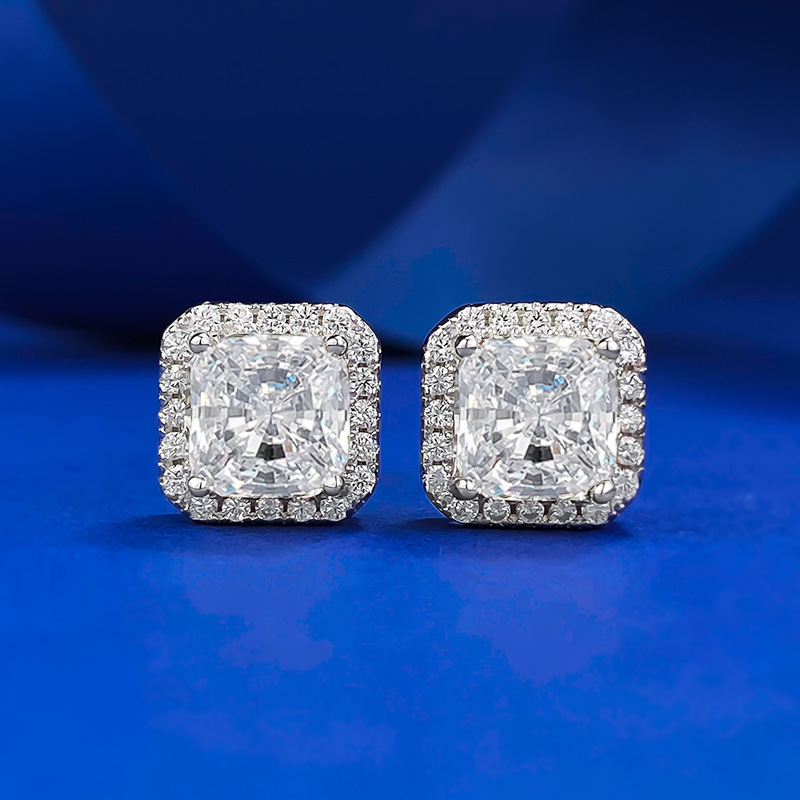
Round Diamond Huggie Earrings Insurance Checklist
Round Diamond Huggie Earrings are easy to love. They sit close to the lobe, catch the light without feeling fussy, and work with everything from a crisp white shirt to a wedding guest dress. Because they are so wearable, they can become part of your routine before you have a clear record of what you own.
A round Diamond Huggie Earrings Insurance Checklist helps protect the pair from the start. It gives you a simple way to document what you bought, what it is worth, and how an insurer or jeweler could replace it accurately.
I've helped plenty of customers who only thought about insurance after their earrings became everyday favorites. Totally understandable. When something feels effortless to wear, paperwork is usually the last thing on your mind. Still, the best time to gather receipts, photos, grading details, and policy notes is before the earrings leave the box, not after a clasp loosens or one earring goes missing.
Round Diamond Huggie Earrings Insurance Checklist Before You Buy
Start your round Diamond Huggie Earrings insurance checklist with one goal: make the earrings easy to identify and replace. A receipt alone may not be enough. You want a clear file that shows the diamonds, metal, construction, seller, purchase date, and current condition.
Keep these records together:
- Purchase receipt and order confirmation.
- Product page or description with diamond and metal details.
- Total carat weight for the pair.
- Diamond color, clarity, cut, and origin when listed.
- Metal type, such as 14k gold, 18k gold, or platinum.
- Setting style, clasp type, and hinge photos.
- Appraisal or grading report, if supplied or required.
- Insurance quote, policy number, and coverage notes.
The Gemological Institute of America, known as GIA, uses the 4Cs: cut, color, clarity, and carat weight. GIA's color scale runs from D to Z, and its clarity scale includes 11 grades from Flawless to Included. Those details matter because two pairs of round diamond huggies can look similar in a photo while carrying different replacement values.
Lab-grown diamonds deserve the same level of documentation as mined diamonds. If your earrings include IGI, GIA, or other lab reports, save the report numbers and PDFs. If you are still comparing styles, review the diamond details while you browse fine jewelry at StoneBridge Jewelry.
What Should Your Checklist Prove?
A useful round Diamond Huggie Earrings insurance checklist answers four questions. What exactly did you buy? What would it cost to replace today? How can you prove ownership? What does the policy cover?
Clear answers can prevent claim delays. Many homeowners and renters policies limit jewelry coverage, and common unscheduled jewelry limits can be around $1,500 depending on the policy. A dedicated jewelry policy or scheduled item coverage may offer broader protection, but you need to confirm the details.
Ask your insurer what they need Before You Buy coverage. Some providers accept a receipt for lower-value earrings. Others ask for an appraisal above a certain dollar amount. Here's what nobody tells you: a ten-minute call with your insurer Before You Wear the earrings can save you a lot of frustration later (trust me, I've seen it happen).
Set a Realistic Replacement Budget
Insurance should reflect what it would cost to replace the earrings with a comparable pair, not what you hope to spend if you were shopping casually. Round diamond huggies can vary widely in price because small differences in total carat weight, diamond quality, metal weight, and construction change the finished cost.
As a broad buying guide, petite lab-grown diamond huggies in 14k gold may start in the few-hundred-dollar range, especially when the total diamond weight is under 1/2 carat for the pair. Mid-range pairs with more diamond presence, stronger metal construction, and better color and clarity commonly sit closer to the high hundreds or low thousands. Larger huggies, platinum settings, higher total carat weights, mined diamonds, or premium craftsmanship can move well beyond that.
Do not insure based only on a sale price if the sale was unusually low or temporary. A replacement may be priced at current retail, not last season's promotion. Save the original price, any discount, taxes, shipping charges, and the current product description. If the earrings are a gift, ask for a gift receipt plus a description that still lists the technical details.
Diamond Details to Record for Insurance
Your round Diamond Huggie Earrings insurance checklist should describe the diamonds with more detail than "diamond earrings." Round brilliant diamonds are valued by their cut quality, color, clarity, carat weight, and overall make. The more precise your notes are, the easier it is to match like kind and quality.
Record the total carat weight for the pair. If the seller lists an approximate carat weight per earring, save that too. Note whether the diamonds are lab-grown or mined, since replacement pricing can differ.
Color and clarity also belong in your file. A pair listed as near-colorless with VS clarity may not replace the same as a lower color or included clarity pair. Cut quality can affect brightness and fire, especially in round stones.
For huggies with many small round diamonds, the product description may list an average quality range rather than an individual report for every stone. That is normal for many fine jewelry pieces. Look for terms such as "F-G color," "G-H color," "VS clarity," or "SI clarity," and save the exact wording. If the listing says "minimum total carat weight," "approximate total carat weight," or "diamond weight may vary," keep that language in your records too.
For larger round diamonds set into huggies, ask whether each primary diamond has an individual grading report. A grading report is especially helpful when a single diamond is large enough to influence the value of the pair. Save the report number, laboratory name, measurements, fluorescence, and any inscription information if available.
Diamond Specs Buyers Often Miss
Carat weight is not the only detail that changes value. Two pairs may both be described as 1.00 carat total weight, yet one may have smaller diamonds spread across the front while another has fewer larger stones. Larger individual diamonds usually cost more per carat than smaller melee diamonds of similar quality. That difference should be clear in your file.
Also note the diamond arrangement. Are the stones set only on the front-facing curve, halfway around, or along the outside edge? Are they all round brilliant diamonds, or is there a mix of round centers and tiny accent stones? Insurance replacement depends on design as well as stone weight.
If your huggies use lab-grown diamonds, record whether the diamonds are described as CVD or HPHT when that information is provided. Most insurance claims will focus on replacement quality and value rather than growth method details, but the more complete your records are, the easier it is to avoid vague substitutions.
Photos That Actually Help
Take photos before the earrings pick up fingerprints, scratches, or wear. Use daylight near a window, a plain background, and several angles. You do not need studio equipment. You do need sharp images.
Photograph the front, side, back, hinge, clasp, and any inside hallmarks. If the earrings have metal stamps such as 14K, 18K, PT950, or a maker's mark, get a close-up. Photograph the earrings next to the receipt or appraisal so the file shows a clean ownership trail.
Ask yourself one practical question: if you had to describe the pair from memory six months from now, would you remember the diameter, clasp style, and diamond layout? Most people would not. Photos fill that gap.
Honestly, I think photos are the most underrated part of jewelry insurance prep. They are quick, free, and incredibly helpful when a written description does not capture the exact curve, clasp, or diamond placement.
Metal, Setting, and Clasp Notes for Huggie Earrings
Huggies need extra attention because the closure is part of the value and the security. A round Diamond Huggie Earrings insurance checklist should include the metal, setting style, hinge condition, clasp feel, and approximate measurements.
Metal affects replacement cost. A 14k yellow gold pair will not price the same as 18k white gold or platinum. Gold color also matters if you want the replacement to match your wardrobe, wedding set, or other earrings.
Setting style matters for both look and repair. Prong settings show more diamond surface. Bezel and channel settings can create a smoother profile. Shared prongs and pave designs may need closer inspection because small stones and delicate metal work affect repair estimates.
For white gold, ask whether the earrings are rhodium plated. Most White Gold Jewelry receives a rhodium finish to give it a bright white surface. Over time, rhodium can wear, especially on frequently handled areas. That does not usually change ownership value dramatically, but it does affect maintenance expectations and how a replacement pair should look when new.
For yellow and rose gold, record the karat and color. Fourteen-karat gold is durable and popular for everyday huggies because it balances gold content with strength. Eighteen-karat gold has a richer gold content and can feel more luxurious, but it may cost more and can be slightly softer. Platinum is dense, naturally white, and durable, though it usually adds weight and cost. If you have sensitive ears, keep notes on the metal because nickel content or alloy composition can matter.
Setting Tradeoffs for Everyday Wear
Prong-set diamond huggies can look bright because less metal covers the stones. The tradeoff is that prongs should be checked periodically, especially on earrings worn several times a week. A bent or worn prong can loosen a small Diamond Before You notice it.
Channel-set huggies use metal walls to hold the diamonds in a row. They often feel smooth and secure for an everyday profile, but resizing or replacing a damaged stone can be more involved. Bezel-set diamonds have a rim of metal around each stone, which can be protective and modern-looking, though the setting may show slightly less diamond edge.
Pave huggies create a glittering surface with many tiny diamonds. They are beautiful, but they require accurate records because the value is tied to the number of stones, the setting labor, and the condition of the metal. If a pave pair has lost a stone in the past, save that repair receipt and note which earring was repaired.
Fit and Wear Notes
Huggie earrings usually sit close to the ear. Common inner diameters often range from about 6 mm to 12 mm, though each design varies. Save any listed inner diameter, outer diameter, width, and total weight.
Before daily wear, check that each earring clicks shut. The hinge should open smoothly, not wobble. The diamonds should face forward without the earring rotating too much.
If a clasp feels weak, stop wearing the earrings and ask a jeweler to inspect them. A small repair can prevent a lost earring. Save repair receipts with your round Diamond Huggie Earrings insurance checklist so your condition history stays current.
Sizing is more personal than many buyers expect. A 6 mm inner diameter may hug a small or high piercing closely, while a 10 mm or 12 mm inner diameter can create more visible space below the lobe. If your piercing is placed higher on the lobe, measure from the piercing hole to the lower edge of the lobe before choosing an inner diameter. A pair that looks perfect on a model may sit too tightly on one ear and comfortably on another.
Also consider width. A slim diamond huggie can be easy for second piercings or stacked looks. A wider pair makes more of a statement, but it may feel heavier or press against the ear if worn all day. If the seller lists gram weight, save it. Weight is useful for insurance and comfort decisions.
Insurance Questions to Ask Before You Wear Them
Insurance terms are not all the same. Some policies cover theft but not mysterious disappearance. Some cover worldwide travel. Some let you choose your jeweler for repair or replacement, while others use their own network.
Ask these questions before you rely on a policy:
- Does coverage include theft, loss, damage, and mysterious disappearance?
- Is there a deductible?
- Are the earrings covered while traveling internationally?
- What happens if only one huggie is lost?
- Will replacement be based on like kind and quality?
- Can I choose StoneBridge Jewelry or my preferred jeweler for replacement?
- Are lab-grown diamond earrings valued at current replacement cost?
- How often should the appraisal be updated?
- What documents are needed for a claim?
- Is there a coverage limit for unscheduled jewelry?
A round diamond huggie earrings insurance checklist makes those conversations easier. You can compare policy language against the way you will actually wear the earrings. Daily huggies for work, travel, and events may need stronger coverage than occasional earrings stored most of the year.
I've seen customers buy huggies as anniversary gifts, bridal jewelry, push presents, and "just because I finally found the pair" treats. Those moments are personal and sweet, and nobody wants the memory attached to the earrings to turn into a stressful insurance scramble later.
Replacement Value, Agreed Value, and Cash Payouts
When you review coverage, ask how the insurer calculates value. A replacement-value policy may pay to replace the earrings with like kind and quality through a jeweler. An agreed-value policy may pay a set amount if the item is lost, depending on the policy terms. Some policies offer a cash-out option, but the amount may not match the retail replacement number on an appraisal.
This matters because jewelry appraisals can be written for different purposes. An insurance appraisal often reflects estimated retail replacement cost, not resale value. Resale value is commonly lower because it depends on the secondary market, metal value, diamond demand, and buyer availability. Do not assume an appraisal number means you could sell the earrings for that amount tomorrow.
If you bought the earrings during a sale, ask whether the policy uses the purchase price or replacement cost. If diamond or precious metal prices change, your coverage may need an update. A pair insured five years ago may be underinsured or overinsured today, especially if the market for lab-grown diamonds, mined diamonds, gold, or platinum has moved.
Shipping, Delivery, and Return Records
Insurance preparation can start before the earrings arrive. Save the order confirmation, tracking number, delivery confirmation, and any signature record. If the package is delayed, damaged, or left somewhere unexpected, those details can matter.
When your earrings arrive, inspect the package before throwing away the materials. Take a quick photo of the outer box, inner jewelry box, tags, and included documents. Confirm that the receipt, warranty card, appraisal, or grading report matches the earrings you received. Check that the metal, diamond weight, and style match the order.
Review the return policy before removing tags or wearing the earrings. Some jewelers allow returns only within a set window and only if the jewelry is unworn and in original condition. Custom, engraved, resized, or special-order earrings may have different rules. If you plan to insure the earrings immediately but are still within the return period, keep the policy documents and purchase records together so you can update or cancel coverage if you exchange the pair.
If the earrings are a gift, keep packaging and documentation until the recipient confirms the fit and style. Huggies are sensitive to ear shape and piercing placement. A beautiful pair may still need to be exchanged for a different diameter or metal color.
How Huggies Compare With Studs, Hoops, Drops, and Dangles
Different earring styles need different records. Stud earrings need notes about backs and matched stones. Hoop earrings need diameter, tube thickness, clasp type, and metal weight. Drop and dangle earrings need photos of moving parts, links, and any larger stones.
Huggie earrings sit between studs and hoops. They give you the close fit of everyday earrings with the curved shape of a small hoop. That makes the hinge and clasp especially important.
Use this quick comparison while building your round diamond huggie earrings insurance checklist:
| Earring Style | What to Record | Why It Matters |
|---|---|---|
| Diamond studs | Backs, carat weight, color, clarity, setting | Matched pairs can be hard to replace exactly. |
| Huggie earrings | Hinge, clasp, diameter, diamond layout, metal | Construction affects security and repair. |
| Hoop earrings | Diameter, thickness, clasp, stones, metal | Size and metal weight influence value. |
| Drop earrings | Length, links, gemstones, movement | Delicate parts may need repair details. |
| Dangle earrings | Articulated sections, large stones, custom work | Movement and design details affect replacement. |
If you are comparing diamond basics before buying earrings, you can also shop lab-grown diamonds with clear specifications. Clear diamond records make insurance and replacement conversations less vague.
Care Records That Support a Future Claim
Jewelry care is part of documentation. Clean diamond huggies with warm water, mild soap, and a soft brush when appropriate. Dry them with a lint-free cloth. Skip chlorine, bleach, and abrasive cleaners.
Store huggies separately so diamonds do not scratch softer jewelry. Check the clasps over a soft towel, not over a sink or hard floor. If you travel, use a small jewelry case with separate compartments.
Update your photos after repair, appraisal, or visible wear. Keep inspection notes, cleaning records, and repair receipts in the same digital folder as your round diamond huggie earrings insurance checklist. A simple cloud folder and one printed copy in a safe place are enough for many buyers (yes, even on a budget).
For frequent wear, schedule a professional inspection about once or twice a year. Ask the jeweler to check prongs, channels, hinges, posts, and clasp tension. The visit may be quick, but it creates a useful maintenance record. If the jeweler tightens a stone, replaces a post, adjusts a hinge, or replates white gold, save the receipt even if the cost is modest.
Do not wear diamond huggies in pools, hot tubs, or during workouts where they may catch on towels, helmets, headphones, or clothing. Diamonds are hard, but settings are not indestructible. Sweat, lotions, hair products, and sunscreen can also build up under small stones and dull the sparkle. Cleaning at home helps, but a professional cleaning can remove residue from places a soft brush cannot reach.
Travel Habits That Reduce Risk
If you travel with diamond huggies, document what you take before you leave. Photograph the earrings in your travel case and keep a copy of your insurance policy accessible in your email or cloud storage. Do not pack valuable jewelry in checked luggage. Wear it or keep it in a carry-on that stays with you.
At hotels, use the in-room safe or front desk safe when the earrings are not being worn, but understand that policy coverage may have specific requirements for unattended jewelry. Ask your insurer what counts as secure storage while traveling. If you will be swimming, hiking, skiing, or attending crowded events, consider whether your huggies are the right pair for that trip.
Common Mistakes That Make Claims Harder
The most common mistake is waiting too long. Buyers often assume the order confirmation will be easy to find later, then an email account changes or the product page disappears. Save a PDF of the product page and receipt as soon as you purchase.
Another mistake is recording only the total carat weight. Total carat weight helps, but it does not describe the full pair. Your notes should also include metal, setting style, clasp type, inner diameter, diamond quality, and whether the diamonds are lab-grown or mined.
Many buyers also forget to update insurance after repairs, upgrades, or appraisals. If a jeweler replaces stones, changes the clasp, or rebuilds part of the setting, your old photos may no longer show the current condition. Take new photos and send updated documents to your insurer when needed.
Finally, do not assume one lost earring will automatically result in a full replacement pair. Some policies handle partial loss differently. Because huggies are sold and matched as a pair, ask how the insurer treats a single missing earring when an exact match is not available.
A Simple Buying Checklist for StoneBridge Jewelry Customers
Before checkout, compare diamond specs, metal, setting style, measurements, and clasp design. After delivery, inspect the earrings in good light and save photos from every angle. Before regular wear, confirm your insurance choice and note the policy terms.
Here is the short version of the round diamond huggie earrings insurance checklist:
- Save the receipt, order number, and product description.
- Record diamond carat weight, color, clarity, cut, and origin.
- Save grading reports, appraisals, and report numbers.
- Photograph the front, back, side, hinge, clasp, and hallmarks.
- Note metal purity, gold color, setting style, and measurements.
- Ask about loss, theft, damage, travel, and single-earring replacement.
- Store digital and physical copies of every document.
- Update the file after repairs, inspections, or new appraisals.
When comparing pairs, pay attention to the details that affect both comfort and replacement: inner diameter, outside diameter, width, gram weight, metal color, clasp type, and diamond coverage. If you want huggies for daily wear, prioritize a secure hinge, comfortable fit, and diamond setting that suits your routine. If you want a dressier pair, you may prefer larger total carat weight, a wider profile, or diamonds that cover more of the visible curve.
Round diamond huggies are meant to be worn, not hidden away. Good records help you enjoy them with less worry. If you would like help choosing a pair or understanding documentation, contact the StoneBridge Jewelry team Before You Buy.
Shop With Better Protection From Day One
A round diamond huggie earrings insurance checklist turns a beautiful purchase into a better-protected one. It keeps the facts in one place: diamond quality, metal purity, clasp condition, photos, appraisals, receipts, and policy details.
Build the file before you wear the earrings daily. Check the clasp and review your coverage before you travel. Ask direct questions before you assume a policy covers every situation.
In my time helping customers choose Lab-Grown Diamond Jewelry at StoneBridge, the happiest purchases are the ones people can actually relax and enjoy. Whether these huggies are for a proposal celebration, a wedding weekend, a milestone gift, or your everyday sparkle, a little documentation gives the piece a stronger foundation.
StoneBridge Jewelry designs fine jewelry for real life: workdays, celebrations, travel, and everyday sparkle. Choose the huggies that fit your ear, your style, and your protection plan. Keep your checklist close, so the earrings are easier to enjoy for years.
Ready to Find Your Perfect Diamond?
Explore our collection of certified lab-grown diamonds
Shop Diamonds