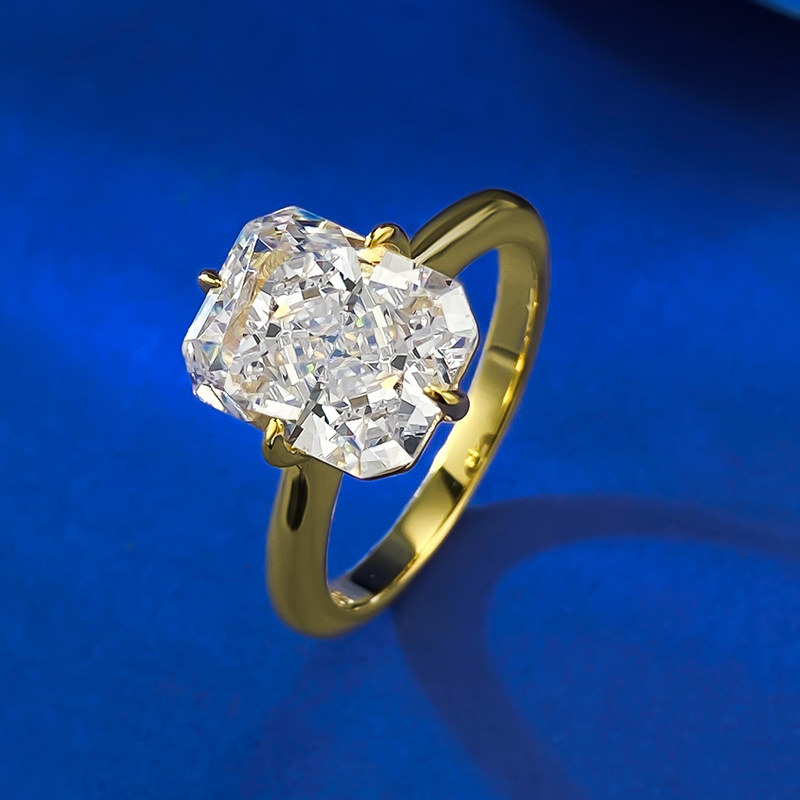
Ring Setting Repair Quality Checklist for Secure, Lasting Results
A ring setting repair quality checklist helps you tell the difference between a quick fix and careful craftsmanship. That matters most when the ring holds an engagement diamond, a family heirloom, or a lab-grown center stone that needs exact alignment. The right repair should do more than make the ring wearable again. It should keep the stone secure, the finish clean, and the setting strong enough for daily wear.
So, what should you look for? Start with the setting’s structure, then check the prongs, the polish, and the way the stone sits. A loose head or a thin prong can turn a small repair into a bigger problem fast. GIA guidance on diamond settings and wear care backs that up: small issues can grow when they’re left alone.
Ring Setting Repair Quality Checklist: What Matters Most
A good ring setting repair quality checklist looks beyond the obvious damage. It should test strength, symmetry, finish, and durability. A ring can look fine from the top and still fail under daily use if the prongs are worn or the seat is uneven.
Here’s the short version of what to check:
- Structural strength
- Prong shape and thickness
- Stone security
- Symmetry and alignment
- Polish and surface finish
- Long-term durability
We’ve seen plenty of rings that only needed a small adjustment, but we’ve also seen rings that looked fine and still had hidden wear under magnification. That’s why the first glance isn’t enough.
It also helps to know what kind of stone is in the ring. A round brilliant diamond with a high crown may sit differently than an emerald cut or oval, and those shapes place different stress on the setting. Larger stones, especially 1.50 carats and up, usually need stronger prongs or a more protective head because the lever effect is greater. Even a well-cut diamond can be vulnerable if the mounting is thin or the gallery is already stressed.
Certification matters too. If the ring came with a GIA, IGI, or GCAL report, keep that paperwork with the repair record. The report will not tell you whether the setting is secure, but it can confirm the stone’s identity and quality if a jeweler needs to remove it for major restoration. For buyers comparing replacement stones after damage, a certified diamond often gives a cleaner paper trail and better resale confidence.
The two repair paths
Most repairs fall into two groups. Standard bench repair handles minor issues. Premium restoration goes deeper and fixes the weak spots behind the damage.
That difference matters for engagement rings, vintage pieces, and pavé or halo settings. It also matters for lab-grown diamond rings, where many shoppers choose refined settings with slimmer metal details. A precise repair helps keep the ring balanced and secure.
The metal also changes the repair approach. Platinum is denser and often better for long-term wear, but it can show displacement rather than obvious metal loss. White gold may need rhodium replating after polishing or repair. Yellow gold is easy to match visually, while rose gold can be trickier because the alloy tone varies between makers. If a jeweler cannot explain how the repair will affect color and finish, that is a warning sign.
Questions to ask before you say yes
Before you approve any work, ask these questions:
- Did the repair fix the cause of the damage?
- Will the finish match the rest of the ring?
- Are the prongs strong enough for daily wear?
- Was the setting checked under magnification?
- Is there any warranty or follow-up support?
If a jeweler can answer those clearly, you’re already in better shape.
You should also ask whether the stone will be removed. For major retipping, head replacement, or gallery rebuilding, a stone may need to come out so the jeweler can inspect the seat and hidden areas of the setting. That is normal for premium restoration. If the stone is unusually large, fragile, or highly included, ask how it will be protected during removal and resetting.
Standard Ring Setting Repair: What It Usually Covers
Standard ring setting repair is the fast, budget-friendly option. It usually handles small bends, loose-feeling stones, light prong tightening, and basic polishing. For a ring with mild wear, that may be all you need.
Typical standard repair work includes:
- Tightening loose prongs
- Checking for stone movement
- Straightening a bent tip
- Basic cleaning and polish
- Quick inspection of the head
This option can work well when the setting is still solid. If the problem is small and isolated, standard repair may solve it without much fuss.
Where standard repair works well
- Faster turnaround
- Lower upfront cost
- Good for minor damage
- Less metal work overall
Where it falls short
- Hidden wear may be missed
- The finish may not match perfectly
- Tool marks can show if the work is rushed
- Thin prongs and worn seats may need more than tightening
A simple fix is fine when the ring is still strong. If the stone keeps loosening, though, the setting likely needs more than a quick adjustment.
Price is usually the big reason people choose this route. A minor tightening or inspection may cost less than a full rebuild, but the savings only matter if the ring truly needs minimal work. Basic repairs can often fall in the lower cost range for jewelry services, while more involved bench work rises quickly once the jeweler has to add metal, recreate prongs, or restore a worn seat. If you are comparing estimates, ask whether the quote includes cleaning, polishing, and stone security testing or whether those are billed separately.
Premium Ring Setting Repair and Restoration
Premium ring setting repair goes further. It starts with a full inspection, often under magnification, and then rebuilds or reinforces the weak parts. That can include prong retipping, prong rebuilding, seat correction, alignment work, and a more careful final polish.
This approach is built for long-term protection. It doesn’t just treat the symptom. It looks at why the setting failed in the first place.
What premium restoration may include
- Full magnified inspection
- Prong rebuilding or retipping
- Seat reconditioning
- Head or gallery alignment
- Reinforcement of worn metal
- Detailed finish matching
- Final stone security check
Why many buyers choose it
- Better long-term durability
- Stronger stone security
- Cleaner symmetry and finish
- Better fit for heirlooms and high-value rings
The tradeoffs
- Higher price
- Longer turnaround time
- Not needed for every minor issue
Premium work is often the better choice for daily-wear engagement rings, antique settings, pavé bands, and halo designs. Those styles have more small parts, which means more places for wear to develop. A 2023 industry report from Statista noted that engagement ring purchases remain one of the biggest jewelry spending categories, which explains why many shoppers choose repair quality over the cheapest fix.
From a buyer’s standpoint, the difference often comes down to value. A premium repair may cost more upfront, but it can reduce repeat service and lower the chance of stone loss. That matters because replacing a center diamond or a matched accent stone is usually far more expensive than rebuilding a prong correctly the first time. On heirloom rings, premium work can also protect sentimental value by preserving the original shape and appearance as much as possible.
Ring Setting Repair Quality Checklist: Side-by-Side Comparison
Use this ring setting repair quality checklist to compare the two repair paths side by side.
| Decision Factor | Standard Ring Setting Repair | Premium Ring Setting Repair and Restoration |
|---|---|---|
| Craftsmanship | Fixes the visible issue | Inspects, rebuilds, and refines the setting |
| Stone Security | Good for light looseness | Better for worn prongs and repeated wear |
| Appearance | Acceptable for simple work | Better symmetry and finish matching |
| Turnaround | Usually faster | Usually takes longer |
| Cost | Lower upfront cost | Higher upfront cost, often better value over time |
| Structural Support | Limited | Reinforces weak points |
| Aftercare | May be limited | Often includes better follow-up support |
| Best For | Minor damage and budget repairs | Heirlooms, engagement rings, pavé, halo, daily wear |
What the table tells you
Premium repair wins on security, durability, and finish. Standard repair can still make sense for a small bend or a one-time adjustment. The question is whether the setting is truly sound or just barely hanging on.
Here’s a useful rule of thumb: if the prongs are thin, the stone has moved more than once, or the head looks off-center, the safer choice is usually premium restoration. Why risk a loose stone over a repair that was meant to prevent that exact problem?
What to inspect before approval
Use this quick Checklist Before You agree to the work:
- Prongs look even in height and thickness
- The stone sits centered and level
- The head sits straight on the band
- No rough edges or tool marks are visible
- The finish matches the original style
- The jeweler checked for hidden wear
- The repair includes clear service support
A strong repair should pass all seven checks. If it misses one, ask for a clearer explanation.
If you are buying a replacement ring instead of repairing the old one, use the same criteria when shopping. Look for a setting that matches the diamond size, cut, and daily-wear habits. A 4-prong setting can look open and elegant, but a 6-prong setting gives extra protection for round stones. Bezel and partial bezel designs offer the most coverage, though they change the look and can hide some of the diamond’s edge. For shoppers who prioritize protection over maximum sparkle, that tradeoff may be worthwhile.
How to Choose the Right Repair for Your Ring
The best option depends on the ring itself, not just the price tag.
Choose standard repair if:
- The damage is minor
- The setting is still solid
- You need a quick, low-cost fix
- The ring has limited sentimental value
- The stone has not loosened before
Choose premium repair if:
- The stone feels loose or shifts when touched
- The prongs are bent, thin, or worn down
- The ring is an heirloom or a valuable engagement piece
- The setting has pavé, halo, or vintage details
- You want better long-term protection
Metal type matters too. Platinum wears differently than 14k or 18k gold. Platinum often displaces instead of losing metal, so a prong can look bulky and still be worn out. Gold alloys can thin faster in spots that get bumped often.
Age matters just as much. Older rings may have been resized, polished, and repaired several times. Each service removes a little metal. A ring can look fine under store lights and still need reinforcement once it’s checked up close.
Daily habits matter too. If you wear your ring while lifting, gardening, cleaning, or exercising, the setting needs a tougher standard. That’s where a ring setting repair quality checklist earns its keep.
Lab-grown diamond rings deserve a separate note. Many buyers choose larger stones or sleek settings, which makes exact alignment more visible. A crooked head or weak prong stands out fast. If you’re comparing setting styles, browse our engagement rings or use our ring builder to see secure options that fit your stone.
Diamond specs that affect repair decisions
The stone’s shape, size, and quality can change how a jeweler approaches repair. Round brilliant stones are often easier to secure evenly because the prong spacing is symmetrical. Oval, marquise, pear, and emerald cuts may need extra attention because pointed ends or long corners can create pressure points. Larger stones with higher face-up spread can also catch more impact, which makes prong integrity more important.
If the diamond has a grading report, check the measurements before approving work. A report that lists a 2.00 carat oval with a large spread tells the jeweler how much metal support may be needed. For fancy shapes, the setting should protect the vulnerable points without covering so much of the stone that light return suffers.
Clarity and fluorescence rarely affect the repair itself, but they can matter if a stone must be removed and reset. Highly included stones, stones with chips, or stones with existing girdle wear deserve extra care. In those cases, ask whether the jeweler uses stone holders, microscope work, and protective coverings during the repair process.
Sizing, fit, and everyday wear
A Ring That Fits poorly will stress the setting faster. If the ring spins excessively, the stone may hit surfaces at awkward angles. If it is too tight, the band can flex and put pressure on the head. When a ring is resized, the jeweler should inspect the setting again after the sizing work is complete because heat and metal movement can affect the head, shoulders, or accent stones.
For rings with delicate pavé or channel-set accents, ask whether the repair or sizing could loosen nearby stones. This is especially important for thin bands, micro-pavé halos, and vintage-inspired designs. Sometimes a slightly thicker shank or a sturdier head is the better investment if you plan to wear the ring every day.
Expert Take: Where the Best Value Usually Is
For valuable rings, daily wear pieces, or settings with visible wear, premium restoration is usually the better value. A skilled jeweler will inspect the ring under magnification, confirm the stone seats correctly, rebuild worn metal if needed, and finish the repair so it looks intentional.
Standard repair still has a place. For a small bend or a quick tightening job, it may be the most sensible option. But once the setting shows real wear, the cheapest fix is rarely the best choice.
Industry groups like GIA and IGI both stress careful inspection and secure mounting. That lines up with what we see in repair work every day. Our customers often come in after a stone has already started to wiggle, and the sooner they address it, the easier the fix usually is.
According to industry reports, many ring repairs involve prong wear rather than stone damage itself. In other words, the metal usually fails first. That’s why a careful inspection matters more than a quick polish.
Before you approve any repair, make sure these points are clear:
- Prongs are even and thick enough
- The stone is secure from every angle
- The head is centered and aligned
- The finish matches the ring style
- No hidden wear was missed
- The jeweler explains the repair in plain language
- Any warranty or service support is in writing
If you’re deciding between speed and security, think about the ring’s real value. Is it just another accessory, or is it something you plan to pass down?
What shipping, returns, and service policies should include
If you are sending a ring out for repair, packaging and policy details matter. A reputable jeweler should use tracked shipping, insurance, and tamper-resistant packaging. Ask whether the ring is insured while in transit both ways and whether the quoted repair price includes return shipping. If the stone is valuable, request a service order that lists the item’s description, stone details, and any pre-existing damage.
Good return and service policies also protect you after the repair. Look for a clear window to review the work and report concerns if the setting still feels loose or the finish does not match. For premium repairs, many buyers prefer a written warranty or workmanship guarantee. That kind of support is especially useful if the ring has been repaired more than once or if it will be worn daily.
Finally, ask how long the jeweler keeps the stone and whether photos are taken before and after service. Those records are not just administrative—they can help if you ever need to verify what was changed or compare future wear.
Common mistakes buyers make
- Choosing the cheapest repair without checking hidden wear
- Assuming a tight prong means the seat is still sound
- Ignoring repeated loosening of the same stone
- Not asking whether the stone will be removed for major work
- Forgetting to confirm insurance and shipping coverage
- Skipping a final magnified inspection after the repair
- Using the ring as normal immediately after a major service without checking the jeweler’s aftercare instructions
One of the biggest mistakes is treating every setting the same. A simple solitaire is not the same as a shared-prong eternity band, and a vintage filigree ring is not the same as a modern bezel setting. The more intricate the design, the more important it is to match the repair method to the structure.
Shop Secure Options for Ring Care
If you want to protect your ring for the long haul, explore our jewelry collection for secure styles and care-friendly designs. You can also contact our jewelry experts for repair guidance based on your setting.
For shoppers who are comparing stones as well as settings, shop loose diamonds to better understand how stone size, cut, and mounting style work together.
If you are planning a new purchase, pay attention to the setting before you fall in love with the sparkle alone. A durable design with solid prongs, appropriate metal thickness, and a good fit for the stone can save you years of repairs. In many cases, spending a little more on a stronger mounting is less expensive than repeatedly fixing a delicate setting that was never built for daily wear.
FAQ
What should be on a ring setting repair quality checklist before I approve the work?
A solid ring setting repair quality checklist should cover prong condition, stone security, symmetry, alignment, polish, and structural strength. It should also confirm that the repair matches the original style and that the setting can handle regular wear. Ask the jeweler whether they checked the ring under magnification. If they can explain the work clearly, that’s a good sign the repair was done carefully.
How can I tell if my ring setting repair was done well?
A good repair should leave the stone secure, the setting even, and the finish smooth. You shouldn’t see obvious tool marks, rough edges, or crooked prongs. Try looking at the ring under bright light or magnification if you can. If the repair feels stable and looks clean, that usually means the work was done right.
Is premium ring setting repair worth the extra cost for an engagement ring?
For many engagement rings, yes. Premium ring setting repair usually gives you better long-term strength and a cleaner finish, which can help prevent repeat repairs. That matters a lot if the ring is worn every day. It also lowers the chance that a loose stone turns into a lost stone, which is a much bigger expense.
Can a jeweler fix a loose ring setting without replacing the diamond?
In many cases, yes. A jeweler can often tighten, rebuild, or reinforce the setting without touching the center stone. The right fix depends on the metal, the amount of wear, and whether the prongs or seats have damage. A proper inspection should show whether prong work alone is enough.
What is the safest repair choice for a ring with a loose diamond setting?
Premium inspection and repair is usually the safest choice for a loose diamond setting. It helps the jeweler find the real cause of the looseness, not just the symptom. That matters for engagement rings and other daily-wear pieces. A careful repair now can save you from a much more expensive problem later.
Ready to Find Your Perfect Diamond?
Explore our collection of certified lab-grown diamonds
Shop Diamonds