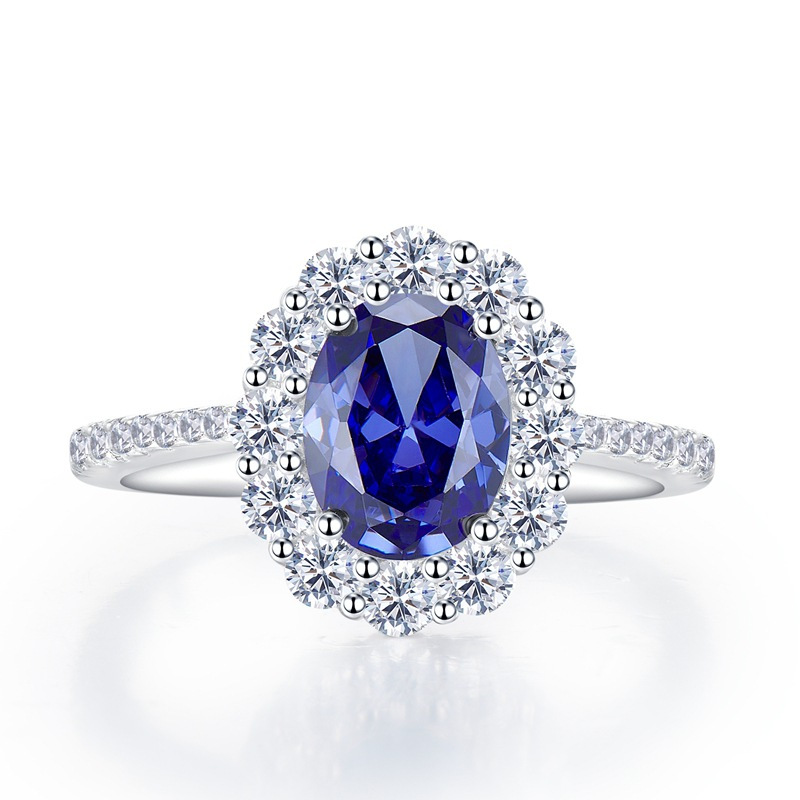
Repair Shop Intake Photo Checklist for Fine Jewelry
A repair shop intake photo Checklist for Fine Jewelry protects the owner and the jeweler before resizing, polishing, stone tightening, rhodium plating, resetting, or appraisal-related service. It creates a dated visual record before anyone starts bench work.
Fine jewelry can be small, valuable, and full of easy-to-miss details. A lab-grown diamond engagement ring may have pavé stones, a hidden halo, a thin shank, a delicate gallery, or a laser inscription that only appears under magnification. A tennis bracelet may have 50 or more tiny prongs. A chain may look fine until a close photo shows stretched links near the clasp.
Why take the time before repair? Because one clear photo can prevent a long, awkward conversation later (trust me, I've seen it happen).
At StoneBridge Jewelry, we've found that customers feel more confident when repair notes, item details, and photos all match. I've helped many couples and gift buyers work through jewelry questions that felt stressful at first, and clear documentation almost always makes the conversation calmer. A repair shop intake Photo Checklist for Fine Jewelry doesn't replace an appraisal, receipt, grading report, or insurance file. It adds another layer of proof at the exact moment the piece enters service.
Why Jewelry Intake Photos Matter Before Repair
Fine jewelry often has wear that owners don't notice. A ring shank can bend slightly out of round. Prongs can flatten or lift. White gold can lose rhodium plating on the palm side. Small diamonds can loosen long before they fall out.
A repair shop intake photo checklist for fine jewelry captures those details before cleaning, polishing, soldering, or tightening changes the piece. The customer gets proof that the shop inspected the jewelry. The repair team gets a visual map for the estimate and the work order.
Document these details at intake:
- Scratches, dents, chips, abrasions, and flat spots
- Loose stones, missing stones, and uneven pavé rows
- Bent, worn, cracked, or thin prongs
- Prior solder seams, sizing marks, and old repair areas
- Worn clasps, weak hinges, and stretched chain links
- Hallmarks, metal stamps, engravings, and maker marks
- Diamond report inscriptions when visible under magnification
The Gemological Institute of America, or GIA, teaches careful observation and documentation as part of gem identification and grading. Jewelry repair isn't lab grading, but the habit is similar. Good records support better decisions.
For owners, the value is practical. If you need warranty help, an insurance claim, a shipping claim, or a future appraisal update, dated intake photos can support the paper trail. They show condition, not just ownership.
Repairs That Need an Intake Photo Record
Use a repair shop intake photo checklist for fine jewelry any time the condition could be questioned later. The higher the value, detail, or sentimental meaning, the more complete the photo set should be.
Photo documentation is especially useful for:
- Ring resizing, including half-size changes
- Stone tightening for diamonds, sapphires, rubies, emeralds, and other gems
- Prong re-tipping, prong rebuilding, and head replacement
- Chain repair, clasp replacement, and jump ring soldering
- Tennis bracelet hinge work and link adjustment
- Polishing, satin finish restoration, and rhodium plating
- Diamond resetting, gemstone replacement, and setting changes
Engagement rings deserve extra care because they're worn daily. Hands hit countertops, steering wheels, gym equipment, door handles, and bag hardware. Even careful wear can loosen prongs or scratch metal over time.
A 2.00 carat oval lab-grown diamond ring in a hidden halo setting, for example, needs more than one quick top-view photo. The record should show the center stone, prongs, side stones, under-gallery, shank, metal stamps, and any visible inscription.
The best time to complete a repair shop intake photo checklist for fine jewelry is before the customer leaves the store or before a shipped repair enters the work queue. Once the bench jeweler starts cleaning or polishing, the original condition may disappear.
What a Professional Jewelry Intake Checklist Includes
A professional checklist creates consistency. Random photos help less than a repeatable set tied to the repair ticket, customer name, order number, and written notes.
A repair shop intake photo checklist for fine jewelry should include four basics: consistent angles, clear lighting, accurate labels, and short condition notes. For mailed repairs, the file should also show packaging condition and any shipping concerns.
Bench jewelers rely on small clues. A lifted prong may show only from the side. A weak solder joint may appear from the underside. A clasp spring may look normal in a full necklace photo but fail in a close-up.
A complete intake record should capture:
- The full piece on a clean, neutral background
- Close-ups of the repair area before work starts
- Stones, prongs, bezels, channels, and pavé sections
- Hallmarks, metal stamps, engravings, and maker marks
- Clasps, hinges, jump rings, chain links, and solder points
- Visible damage, discoloration, weakness, or prior repair
- After photos from the same angles once service is complete
Lighting matters. Diffused light reduces glare on polished gold, platinum, and diamonds. A macro lens or loupe attachment helps reveal details a standard phone shot can miss.
Use photos for condition, not grading. GIA and IGI grading reports remain the trusted sources for carat weight, color, clarity, cut grade, measurements, fluorescence, and report numbers. Intake photos show the jewelry's physical state on a specific date.
Essential Photo Angles for Rings, Bracelets, Necklaces, and Earrings
Strong records depend on repeatable angles. A repair shop intake photo checklist for fine jewelry should include full views, detail views, and problem-area views.
For rings, capture:
- Top view showing the center stone and side stones
- Side profile showing prongs, head, shoulders, and setting height
- Underside view showing the gallery and solder seams
- Shank view showing thickness, dents, sizing marks, and shape
- Macro shots of prongs, pavé, channels, bezels, and repair areas
- Hallmark, engraving, metal stamp, or diamond inscription if visible
For necklaces and bracelets, capture:
- Full length view with the piece laid flat
- Clasp and closure in open and closed positions
- Jump rings, solder joints, hinges, and weak links
- Stretched, kinked, twisted, or fatigued areas
- Stone stations, bezels, prongs, and decorative settings
- Brand marks, metal stamps, engravings, and unique details
For earrings, photograph the front, side, back, posts, backs, hinges, prongs, and stone settings. Shoot the pair together and separately. That makes bent posts, missing backs, mismatched stones, or uneven settings easier to see.
Most fine jewelry pieces can be documented well with 12 to 25 photos. Complex diamond bracelets, halo rings, and heirloom pieces may need more.
Condition Notes to Pair With Each Photo
Photos work best with short notes. A repair shop intake photo checklist for fine jewelry should use clear, factual language instead of guesses.
Record visible details such as:
- Surface scratches, deep scratches, dents, and flat spots
- Chipped stones, abraded facet edges, and cracked gems
- Missing stones, loose stones, and uneven stone alignment
- Bent prongs, worn prong tips, open channels, and thin bezels
- Worn settings, thinning shanks, and out-of-round ring shapes
- Rhodium wear, tarnish, residue, and metal discoloration
- Existing solder seams, prior sizing work, and old repair marks
Each intake file should include the date, customer name or order number, item description, metal type, stone type, requested repair, and estimated service scope. Keep it plain.
Example: 14K white gold lab-grown diamond engagement ring, oval center stone, pavé shank, resize from 6.5 to 6.0, rhodium wear at lower shank, two lifted pavé prongs on right shoulder.
That note removes guesswork. It also helps when one repair package includes several pieces, such as two rings, a necklace, and a bracelet.
Step-by-Step Repair Shop Intake Photo Checklist for Fine Jewelry
A repair shop intake photo checklist for fine jewelry should follow the same order every time. The process doesn't need to be slow. It does need to be consistent.
Use this workflow:
Verify the item at receipt. Confirm the customer's name, order number, item description, metal type, stone type, and requested service.
Photograph shipping materials when needed. If the package looks crushed, torn, wet, or opened, photograph the outside and inside packaging before moving the jewelry.
Inspect before cleaning. Photograph the item as received. Don't polish, steam, ultrasonic clean, tighten stones, or bend prongs before intake photos are complete unless there is a safety reason and the customer approves.
Capture full-piece photos. Use a neutral background and diffused light. Photograph the item from the top, side, underside, and full length when relevant.
Capture identifying details. Photograph hallmarks, metal stamps, engravings, maker marks, serial numbers, and diamond report inscriptions when visible.
Capture defects and repair areas. Take close photos of worn prongs, loose stones, broken clasps, thin shanks, chain kinks, cracked solder joints, and missing stones.
Write condition notes. Pair each image group with short notes. Avoid guessing about cause unless the jeweler has confirmed it.
Confirm the repair request. List the requested service, estimated cost, repair limits, and approval terms for extra work.
Store images securely. Save photos with the repair ticket or order number in a privacy-conscious system.
Photograph the completed repair. Use matching angles so the before-and-after comparison is easy to understand.
This repair shop intake photo checklist for fine jewelry supports in-store repairs, mail-in repairs, warranty reviews, and insurance documentation. Claims teams often ask for dates, images, receipts, appraisals, and service records. A clear intake file gives them more to review.
Before Photos: What to Capture at Drop-Off or Delivery
Before photos should show the item exactly as received. Start the repair shop intake photo checklist for fine jewelry before ultrasonic cleaning, polishing, steaming, rhodium plating, stone tightening, or bench work.
For shipped repairs, photograph the outside packaging, inner packaging, pouches, boxes, loose stones, and broken parts found on arrival. If a side stone arrives loose inside the bag, that photo may help with repair planning and shipping discussions.
Capture identifying details early. These can include report numbers, engravings, maker marks, 14K or 18K stamps, platinum stamps, custom design details, and distinctive stone layouts.
For lab-grown diamonds, a GIA, IGI, or GCAL report number can connect the stone to its grading document. Reports commonly list measurements in millimeters, carat weight, color grade, clarity grade, proportions, and identifying details.
Don't photograph only the area being repaired. If a customer requests a clasp replacement on a tennis bracelet, the record should still show the stones, links, hinge areas, and overall bracelet condition. Honestly, I think this is where a lot of repair records fall short: they focus on the obvious break and miss the surrounding wear that explains the bigger picture.
After Photos: How to Confirm the Repair
After photos should mirror the before photos. Matching angles are the heart of a useful repair shop intake photo checklist for fine jewelry because they show what changed.
Show completed repair areas clearly, including:
- Re-tipped or rebuilt prongs
- New solder joints on chains, bracelets, or ring shanks
- Replaced clasps, jump rings, posts, or earring backs
- Tightened stones and corrected settings
- Polished metal, satin finish, or rhodium plating
- Resized shanks and re-rounded ring shapes
For mail-in repairs, completion images can calm nerves before return shipping. For high-value engagement rings, eternity bands, and diamond bracelets, after photos also become part of the service history.
There is something reassuring about seeing the ring ready again, especially when it is the ring someone proposed with, got married with, or wears every day as a quiet reminder of someone they love. Good photos do not make the moment less personal; they help protect it.
What Buyers Should Ask Before Leaving Jewelry for Repair
Buyers should feel comfortable asking for documentation. A repair shop intake photo checklist for fine jewelry is a normal request for valuable pieces, especially rings and bracelets worn often.
Before leaving a ring, necklace, bracelet, or pair of earrings, ask for a written repair description and photo record. The repair ticket should identify the item, requested work, estimated price, timeline, and limits.
Bring records that help identify and value the piece:
- Original receipt or order confirmation
- Diamond grading report from GIA, IGI, GCAL, or another recognized lab
- Appraisal or insurance schedule
- Warranty document or service plan
- Prior repair or resizing record
- Photos taken at home before shipping or drop-off
Ask these questions at intake:
- Do you use a repair shop intake photo checklist for fine jewelry before work starts?
- Will my jewelry be photographed from all relevant angles?
- Can I receive before-and-after photos with my repair record?
- How are photos stored and linked to my repair ticket?
- Who performs the repair: an in-house bench jeweler or an outside workshop?
- Could this service affect my warranty, engraving, finish, or stone security?
- Will you ask for approval before extra work?
Clear answers matter. If a shop can't explain its intake process for high-value jewelry, get another estimate before leaving the piece. A good jeweler will not be offended by careful questions; they will usually appreciate them.
Engagement Rings and Lab-Grown Diamonds Need Extra Detail
Engagement rings need close intake photos because they face daily wear. A repair shop intake photo checklist for fine jewelry should document the center stone, setting style, prongs, pavé, side stones, shoulders, under-gallery, and shank.
For solitaire rings, side photos can show whether the head leans. For halo or hidden halo settings, macro photos can show whether small stones sit level and secure.
Lab-grown diamonds should be documented with the same care as mined diamonds. If the report inscription is visible, photograph it. If not, record the report number from the grading document.
In my work with StoneBridge customers, I've noticed that people often remember the big details of a ring, like shape and carat weight, but forget the tiny practical ones, like prong style or shank thickness. Those tiny details matter when a ring is worn through workdays, weekends, vacations, weddings, and all the ordinary little moments in between.
If your ring needs more than minor service, compare the repair estimate with replacement or upgrade options. You can shop certified lab-grown diamonds by shape, carat weight, color, clarity, and price. You can also try the StoneBridge ring builder to pair a selected stone with a new setting.
If you're still choosing a daily-wear ring, explore engagement rings designed for lasting beauty. Look at prong style, band thickness, setting height, and how easy the ring will be to inspect later (yes, even on a budget).
Pricing, Value, and Risk Reduction
A repair shop intake photo checklist for fine jewelry may be included with premium repair service. Some shops photograph every repair. Others do it on request for mail-in work, warranty reviews, or higher-value pieces.
The time cost is small. The benefit can be large. A missing melee diamond may cost far less than a center stone, but the dispute can still damage trust.
Intake photography reduces risk in four ways:
| Risk Area | How Photos Help | Buyer Benefit |
|---|---|---|
| Pre-existing damage | Shows scratches, chips, worn prongs, and prior repairs | Reduces disputes about condition |
| Repair scope | Identifies the exact area needing work | Supports clearer estimates and approvals |
| Shipping concerns | Documents packaging and arrival condition | Helps with carrier or insurance conversations |
| Long-term care | Creates dated service history | Helps track wear over time |
Industry professionals often recommend jewelry inspections every 6 to 12 months, depending on wear, setting style, and lifestyle. Rings with pavé, halos, shared prongs, high-set centers, or softer gems may need closer checks.
A repair shop intake photo checklist for fine jewelry can also support warranty conversations. If a warranty covers manufacturing defects but not wear, dated photos may help show whether the issue relates to daily use, impact, or prior repair.
When Repair Is Not the Best Choice
Repair doesn't always make sense. A repair shop intake photo checklist for fine jewelry may show deeper structural problems than expected.
Replacement or redesign may be smarter if:
- Prongs are severely worn across the setting
- The shank is too thin for safe daily wear
- Stones keep loosening after past repairs
- The mounting is cracked, distorted, or poorly built
- The style no longer suits your lifestyle
- The repair estimate comes close to the cost of a new piece
Sentimental value can change the decision. An heirloom ring may deserve restoration even when the cost is high. For everyday durability, though, a new lab-grown diamond ring or fine jewelry piece may give better long-term confidence.
Here's what nobody tells you: the “right” choice is not always the cheapest repair or the newest design. Sometimes it is preserving a family ring because it carries a story. Sometimes it is choosing a fresh setting because the person wearing it deserves something secure, comfortable, and ready for daily life.
StoneBridge Jewelry offers lab-grown diamond rings, wedding bands, earrings, necklaces, bracelets, and Fine Jewelry Gifts for buyers who want certified stones and clear shopping details. If repair no longer protects the piece well, a new design can be the better path.
You can browse fine jewelry gifts and diamond styles if you're comparing repair costs with replacement options.
Protect the Piece Before Service Starts
A repair shop intake photo checklist for fine jewelry protects the repair process before resizing, polishing, shipping, stone tightening, rhodium plating, resetting, or appraisal-related work. It gives buyers and jewelers a shared record.
Before leaving a valuable piece with any repair provider, ask for photos, written notes, item identification, pricing, timing, and approval terms. If you're shipping jewelry, take your own photos before packing and confirm that the receiving shop will photograph the piece at intake.
Premium jewelry deserves careful care. Whether you're protecting an engagement ring, a tennis bracelet, a necklace, or an heirloom, good documentation helps you make better repair decisions and keeps the service history clear.
FAQ
What should be included in a repair shop intake photo checklist for fine jewelry?
A repair shop intake photo checklist for fine jewelry should include full-piece photos, close-ups of stones and settings, hallmarks, engravings, clasps, prongs, scratches, dents, missing stones, and the exact repair area. Add the intake date, item description, metal type, stone type, and requested service. Link every image to the correct repair ticket or order number so the file is easy to trace later.
Should I ask a jeweler to photograph my engagement ring before repair?
Yes, ask for before photos before any cleaning or bench work begins. Engagement rings are worn daily, so prong wear, rhodium loss, scratches, and loose stones can build up slowly. A photo record protects both you and the jeweler if questions come up after resizing, tightening, polishing, or resetting.
How many photos should a jewelry repair intake record include?
Most rings, necklaces, bracelets, and earrings can be documented with 12 to 25 clear photos. Simple repairs may need fewer images, while halo rings, tennis bracelets, custom pieces, and heirlooms may need more. The goal isn't a set number; it's enough coverage to show identity, condition, damage, and the repair area.
Can intake photos help with jewelry insurance or warranty claims?
Yes, intake photos can support insurance claims, Shipping Damage Claims, warranty reviews, and service history records. They don't replace an appraisal, receipt, grading report, or insurance policy. They do give useful visual proof of condition on a specific date, which can help when timing or damage is disputed.
Is it better to repair or replace damaged fine jewelry?
Repair is often worthwhile for minor prong work, clasp replacement, resizing, or polishing. Replacement may be smarter when the shank is too thin, stones keep loosening, the mounting is cracked, or the repair cost is close to a new piece. If the jewelry is worn every day, compare the repair estimate with a new lab-grown diamond ring or fine jewelry design built for long-term wear.
Ready to Find Your Perfect Diamond?
Explore our collection of certified lab-grown diamonds
Shop Diamonds