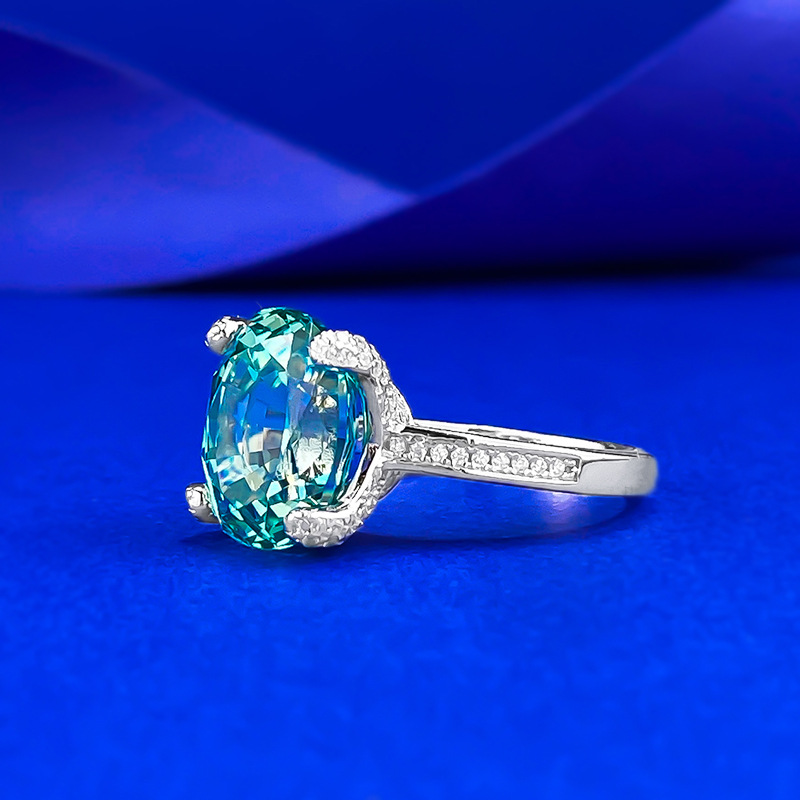
Recycled Gold Jewelry Paperwork Verification Guide
A Recycled Gold Jewelry paperwork verification guide helps you separate a real sourcing claim from a polished line of sales copy. Recycled gold can be a smart choice for engagement rings, wedding bands, necklaces, bracelets, and heirloom-quality gifts. The word recycled only helps when the paperwork explains what it covers.
Some documents come from the jeweler or supplier. Others come from refiners, assay offices, auditors, or recognized industry programs. Both can be useful, but they do not carry the same weight.
To decide which paperwork deserves your trust, check the source, date, metal type, karat, claim scope, and chain-of-custody details. I’ve helped many StoneBridge customers compare metal claims next to diamond reports, and the biggest confidence boost usually comes from one thing: paperwork that says exactly what it means.
What Recycled Gold Paperwork Should Prove
Recycled Gold Jewelry paperwork should answer three plain questions: what metal is being discussed, who made the claim, and how close the document sits to the jewelry you are buying.
A product page may say 14K recycled yellow gold. That sounds clear, but the paperwork should confirm whether the claim applies to the entire ring, the setting only, the band, or a larger production batch. It should also state whether solder, clasps, chains, findings, or mixed-metal components are included.
Karat purity matters too. In the United States, 14K gold contains 58.3% pure gold, while 18K gold contains 75% pure gold. The rest is alloy metal, such as copper, silver, zinc, nickel, or palladium, depending on color and durability.
A hallmark or assay record can help confirm purity. It does not, by itself, prove recycled content. Treat purity paperwork and sourcing paperwork as two different parts of your jewelry file (trust me, I’ve seen buyers mix these up more than once).
Common Documents You Will See
A recycled gold jewelry paperwork verification guide should include the documents buyers actually encounter. Most shoppers will not receive a thick legal packet. They will usually see one or more of these records:
- Supplier invoice listing metal type, karat, and purchase details
- Recycled metal declaration from a supplier, caster, or manufacturer
- Refiner statement describing recycled precious metal processing
- Chain-of-custody certificate from a recognized sourcing program
- Assay or hallmark paperwork confirming metal purity
- Retailer sourcing statement explaining claim scope and standards
- Customer service email confirming what the recycled claim covers
The best documents are dated, specific, and tied to a SKU, collection, production batch, supplier, or refiner. A vague sustainability page is not enough for a major purchase.
Recycled Gold Jewelry Paperwork Verification Guide Checklist
Use this recycled gold jewelry paperwork verification guide before you compare price, diamond size, or setting style. Paperwork can look official and still say very little.
Ask these questions before purchase:
- Who issued the document: the retailer, supplier, refiner, assay office, or outside certifier?
- Is the document current and tied to recent production or inventory?
- Does it state the metal type and karat, such as 14K gold, 18K gold, platinum, or silver?
- Does it explain recycled content, or does it only mention responsible sourcing?
- Is the claim item-level, batch-level, supplier-level, collection-level, or company-level?
- Does an independent standard or certifying body appear by name?
- Can the retailer include the paperwork or written summary with your receipt or appraisal file?
Customers feel more confident when the jeweler can explain the document in normal language. If the answer sounds rehearsed or unclear, ask for the claim in writing.
For bridal jewelry, ask one more question: will this document still make sense years later if you insure, resize, sell, or pass down the piece? A clear paper trail is easier to keep than a memory of what a salesperson said, especially when the ring becomes part of your family story.
Claim Scope: The Detail Buyers Miss
Scope is the heart of recycled gold verification. A certificate may apply to a refiner, a supplier, a parent company, or a specific production process. That does not always mean your exact ring has item-level proof.
Batch-level documentation can still be credible. Jewelry casting often uses measured batches of alloyed metal, so one declaration may cover several rings or settings. The key is whether the batch, supplier, metal type, and date are clear.
If a retailer says a piece is made with recycled gold, ask what that phrase covers. Does it include the ring shank? The head? The basket? The chain? The clasp? Small parts matter, especially in custom jewelry.
Option A: Jeweler or Supplier Paperwork
The first path in this recycled gold jewelry paperwork verification guide is jeweler-provided or supplier-provided documentation. This is the paperwork most buyers see first.
It may include product descriptions, sourcing statements, supplier declarations, order notes, invoices, and customer service confirmations. A trusted jeweler may also name the manufacturer, caster, or refining partner behind the metal claim.
This level of proof can be enough for everyday fine jewelry. If you are buying 14K recycled gold huggie earrings, a simple chain, a pendant, or a gift under a modest budget, clear retailer paperwork may meet your needs (yes, even on a budget, you can still ask good questions).
Specific language matters. A statement that says 18K recycled white gold for this collection is stronger than a broad line about caring for the planet.
Pros and Limits of Retailer Documents
Jeweler and supplier paperwork is practical. It is usually easier to request than third-party certificates, and it often fits standard Fine Jewelry Purchases.
Pros:
- Easy to obtain before or during checkout
- Often appears on product pages, invoices, or order records
- Useful for gifts, everyday pieces, and standard designs
- Lower cost than audit-heavy sourcing programs
- Helpful when the retailer explains claim scope clearly
Limits:
- May rely on self-reporting
- May not include full chain-of-custody details
- May not separate post-consumer from pre-consumer recycled content
- May apply to a batch, collection, or supplier instead of one item
- May be hard to compare if the wording is vague
Avoid claims built only on words like green, eco-friendly, ethical, or sustainable. Those terms need support. A retailer should be able to show where the claim starts, what it covers, and why it applies to the jewelry being sold.
Option B: Third-Party Certified Recycled Gold Documents
The second path in this recycled gold jewelry paperwork verification guide is third-party certified documentation. This usually means an outside organization, refiner, assay office, or audited sourcing system has reviewed part of the claim.
Examples may include Responsible Jewellery Council Chain of Custody records, LBMA Responsible Gold Guidance alignment, SCS recycled content certification, refiner audit reports, or formal precious metal sourcing statements. These programs do not all verify the same thing, so read the scope carefully.
Third-party verification gives buyers a stronger level of assurance because the claim does not rely only on the retailer's own wording. It can show that a supplier or refiner follows defined rules for sourcing, recordkeeping, segregation, and recycled content claims.
This matters most for engagement rings, wedding bands, anniversary bands, and custom settings. A 1.50 carat lab-grown diamond ring in 18K recycled gold carries emotional value, replacement value, and long-term wear expectations. When someone is choosing the ring they’ll use for a proposal, I want them focused on the moment, not quietly worrying whether the paperwork will hold up later.
GIA and IGI diamond reports typically list measurable details such as carat weight, color, clarity, cut data, measurements, polish, and symmetry. Recycled gold documents should be reviewed with the same mindset: who issued it, what does it prove, and what falls outside the certificate?
Why Certification Scope Matters
A certificate can be strong and still limited. It may certify a company system, a refining process, a supply chain participant, or a batch of metal. It may not trace every gram in a finished ring back to one original source.
That is normal in precious metal production. Recycled gold is refined, alloyed, cast, polished, and sometimes combined with other components before it becomes finished jewelry.
The most useful paperwork connects your jewelry to a certified supplier, refiner, collection, or batch. If the jeweler can provide both product details and third-party sourcing context, you will have a stronger ownership file.
Side-by-Side Recycled Gold Paperwork Comparison
A good recycled gold jewelry paperwork verification guide should compare proof strength, cost, usability, and traceability. Use the table below as a buying filter.
| Paperwork type | Best use | Proof strength | Cost impact | What to ask |
|---|---|---|---|---|
| Jeweler documentation | Everyday fine jewelry and gifts | Moderate | Low | Does this apply to this SKU or collection? |
| Supplier declaration | Rings, chains, and pieces made through a known manufacturer | Moderate to strong | Low to moderate | Who supplied the metal, and is karat listed? |
| Refiner-backed statement | Higher-value gold jewelry and custom work | Strong | Moderate | Does the refiner document recycled gold processing? |
| Third-party certification | Engagement rings, wedding bands, and premium pieces | Strongest when scope is clear | Moderate to high | Which standard applies, and what is certified? |
| Hallmark or assay record | Confirming metal purity | Strong for purity only | Low to moderate | Does it prove karat only, or sourcing too? |
You can also score each document from 1 to 5 in five areas: confidence, transparency, accessibility, document depth, and fit for premium jewelry. A retailer statement may score high for access. A third-party certificate often scores higher for independent review.
For a simple 14K recycled gold pendant, a clear retailer declaration may be enough. For a custom engagement ring with a 2.00 carat lab-grown diamond and mixed-metal setting, ask for more detail.
If you are comparing center stones too, review diamond reports from GIA, IGI, or another recognized grading lab. Then review the recycled gold file for metal type, karat, source, date, and scope.
Red Flags in Recycled Gold Jewelry Claims
This recycled gold jewelry paperwork verification guide should help you spot weak claims quickly. Watch for these warning signs:
- No paperwork available on request
- No date on the document
- No supplier, refiner, or certifier named
- No karat, metal color, or metal type listed
- The recycled claim appears only in advertising copy
- The certificate applies to a parent company but not the jewelry claim
- The retailer will not clarify whether components are included
- A purity stamp is treated as proof of recycled content
A polished PDF can still be weak. If it has no date, no metal type, no claim scope, and no link to the product or supplier, it does not offer much buying confidence.
Strong paperwork should reduce guesswork. If you need three follow-up emails to understand what the document means, the claim may not be ready for a high-value purchase. Honestly, I think that is one of the clearest signals a buyer can trust: good documentation should make the answer simpler, not murkier.
Which Paperwork Standard Should You Choose?
The right choice depends on the piece, your budget, and how much proof you want. This recycled gold jewelry paperwork verification guide does not treat a birthday necklace and an engagement ring the same way.
Choose jeweler or supplier paperwork for everyday fine jewelry, simple chains, small studs, pendants, and lower-risk gifts from a retailer you trust. Ask for a clear statement that names the metal, karat, and claim scope.
Choose third-party, refiner-backed, or chain-of-custody documentation for engagement rings, wedding bands, custom settings, anniversary bands, and heirloom gifts. These pieces are worn for years and often become part of insurance, appraisal, or family records.
In my years helping StoneBridge shoppers choose rings and fine jewelry, I’ve learned that people rarely regret asking one extra paperwork question. They do regret feeling rushed on a purchase tied to a proposal, wedding, anniversary, or deeply personal gift.
StoneBridge customers often compare metal paperwork alongside lab-Grown Diamond Reports. That is the right move. A strong bridal file can include the receipt, diamond report, appraisal, warranty, care instructions, and recycled gold documentation.
You can compare settings through our lab-grown diamond engagement rings, review loose stones in our lab-grown diamonds, or design a ring with the StoneBridge ring builder. If you want fine jewelry outside the bridal case, browse fine jewelry gifts and ask which sourcing documents are available.
Best Fit for Engagement Rings and Wedding Bands
Bridal jewelry deserves more careful paperwork because it is worn daily, photographed often, resized over time, insured, and passed down. The emotional stakes are high.
For engagement rings and wedding bands, pair recycled gold paperwork with diamond documentation. A lab-grown diamond report should show carat weight, color, clarity, measurements, polish, symmetry, and grading lab. The setting paperwork should give similar clarity for the metal claim.
If two rings look similar, choose the one with clearer proof. Better documentation can make a beautiful ring feel even more secure. Here’s what nobody tells you: peace of mind is part of the ring too, especially when it is going to sit on someone’s hand every day.
Expert Recommendation: Use Layered Verification
The best approach is layered verification. Start with a clear product description, then ask for written retailer confirmation. For high-value jewelry, look for supplier, refiner, or third-party documents too.
Use this hierarchy:
- Product page lists metal type, color, and karat
- Retailer confirms what the recycled claim covers
- Supplier or manufacturer declaration supports the claim
- Refiner-backed statement is available for the metal source
- Third-party certification supports premium or custom purchases
The longest document is not always the strongest. A short refiner-backed statement tied to the supplier used for your setting may be more useful than a broad corporate certificate.
Clarity wins. You should know who issued the document, what it covers, what it does not cover, and whether it connects to the jewelry you are buying.
Shop Documented Recycled Gold Jewelry at StoneBridge
StoneBridge Jewelry helps buyers pair refined design with clearer documentation. If you are choosing recycled gold settings with lab-grown diamonds, review both the metal paperwork and the Diamond Report Before You order.
Shop by purchase path:
- Build a bridal look with lab-grown diamond engagement rings
- Compare classic and modern wedding bands
- Browse meaningful gifts in fine jewelry
- Create a personal design with the ring builder
If you are deciding between two settings, ask which one has the clearer sourcing file. If you are planning a custom ring, request recycled gold paperwork before final approval. It is a small step, but it can make the final “yes” feel even better.
A recycled gold jewelry paperwork verification guide gives you a simple goal: buy the piece that offers the strongest mix of beauty, proof, craftsmanship, and long-term confidence.
Before You Buy
Use a recycled gold jewelry paperwork verification guide before you commit to a ring, band, necklace, bracelet, or custom piece. The goal is simple: confirm that the recycled gold claim is specific enough to trust.
Jeweler-provided paperwork can work well for everyday fine jewelry and gifts. Third-party or refiner-backed documentation is better for premium purchases, especially engagement rings and wedding bands.
Before buying, verify the document source, date, metal type, karat, certification scope, and product connection. Ask whether the claim applies to the exact piece, a batch, a collection, a supplier, or the company overall.
Good jewelry should feel beautiful on the hand and clear on paper. When both line up, you can shop with far more confidence.
FAQ
What paperwork should come with recycled gold jewelry?
Recycled gold jewelry should come with a clear metal description, karat details, and a sourcing statement or declaration when available. For stronger proof, ask for supplier, refiner, chain-of-custody, or third-party certification documents. Keep those records with your receipt, appraisal, diamond report, and warranty. If the paperwork does not say what it covers, ask the jeweler to clarify it in writing.
How can I verify that recycled gold jewelry is actually recycled?
Ask the retailer who issued the recycled gold claim and whether it applies to the exact item, a batch, a collection, or a supplier program. Check for a date, metal type, karat, and any refiner or certifier named in the document. For engagement rings and custom pieces, request written confirmation before final payment. A recycled gold jewelry paperwork verification guide can help you compare each claim side by side.
Is third-party certified recycled gold better than jeweler paperwork?
Third-party certified recycled gold usually gives stronger independent assurance, especially for bridal and custom jewelry. Jeweler paperwork can still be useful if it is specific, dated, and tied to the piece or production batch. The better choice depends on the purchase value and how much sourcing proof you want. If the jewelry will be insured or passed down, stronger documentation is usually worth requesting.
Can recycled gold paperwork prove the exact origin of the gold?
Usually, recycled gold paperwork proves sourcing systems, refiner practices, or batch-level recycled content rather than the exact original object the gold came from. Precious metal is often refined and alloyed before it becomes jewelry, so item-level origin can be hard to prove. Strong documents explain this limit instead of hiding it. Ask whether the paperwork is item-level, batch-level, supplier-level, or company-level.
What red flags should I watch for in recycled gold jewelry paperwork?
Be cautious if the retailer cannot provide documents, dates, supplier names, karat details, or a clear scope for the claim. A hallmark confirms metal purity, but it does not prove recycled sourcing by itself. Watch for broad phrases like eco-friendly gold without supporting paperwork. If the explanation feels vague, compare another StoneBridge option or contact our jewelry experts Before You Buy.
Ready to Find Your Perfect Diamond?
Explore our collection of certified lab-grown diamonds
Shop Diamonds