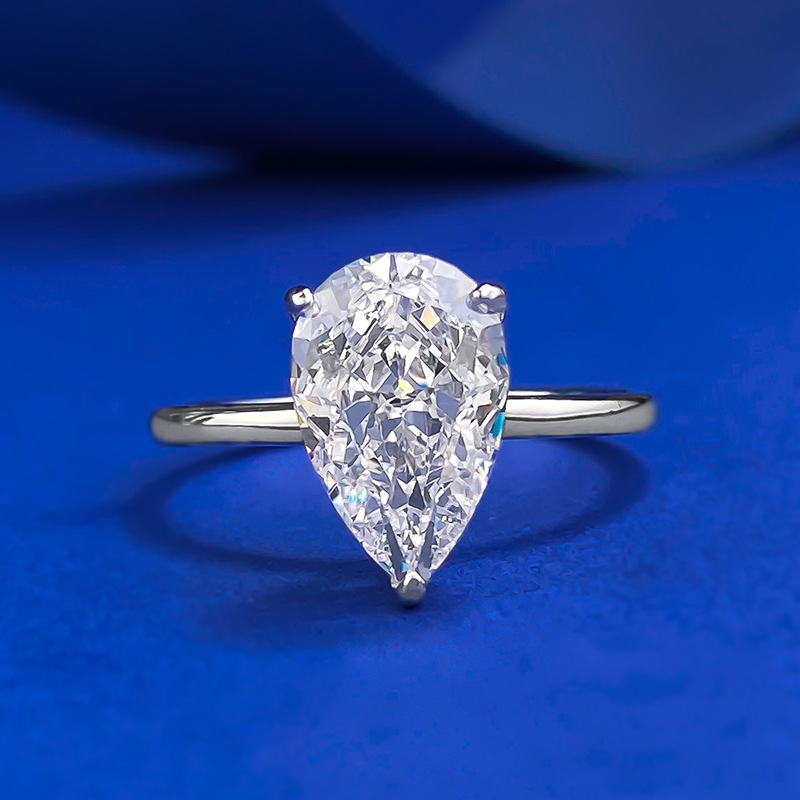
Pre Shipment Jewelry Video Checklist for Buyers
Buying Fine Jewelry Online should feel exciting, not nerve-racking. Before a ring, necklace, bracelet, or pair of earrings leaves the workshop, a clear approval video gives you one last chance to check the details.
A pre shipment jewelry video Checklist for Buyers helps you compare the finished piece with the order notes. Use it to review the design, finish, stone placement, hallmarks, clasp action, paperwork, and packaging readiness Before You Approve shipping.
The key issue is not whether a seller sends a video. It is whether the video gives you enough proof. A 20-second spin may be fine for a simple pendant, while a Custom Engagement Ring with pave, engraving, and a graded center stone needs a closer look.
What a Jewelry Approval Video Should Prove
A pre shipment jewelry video Checklist for Buyers should start with one simple question: is this the exact piece you ordered? The video should show the finished item, not a sample, CAD render, or stock design.
Compare the clip with your invoice or design notes. Check metal type, stone shape, setting style, ring profile, chain length, bracelet size, earring backs, engraving, and any custom features.
Use this buyer checklist before approval:
- The item appears from the front, back, side, and top where useful.
- The polish, surface finish, and overall symmetry look clean.
- Stones match the expected shape, count, and layout.
- Prongs, bezels, channels, and pave areas look even.
- Clasps, hinges, posts, screw backs, and safety catches work on camera.
- Hallmarks, metal stamps, or identifying marks appear when accessible.
- The seller confirms paperwork, such as a grading report, appraisal, or order card.
GIA created the 4Cs diamond grading system in 1953, and both GIA and IGI reports still use measured details such as carat weight, color, clarity, cut grade, polish, symmetry, and millimeter measurements. A video does not replace those documents. It connects the paperwork to the finished jewelry sitting in front of you.
I have helped hundreds of couples review rings before shipping, and the same thing comes up again and again: people feel calm when the video and written specs agree. If the ring looks right and the report number, size, metal, and shipping terms are confirmed in writing, approval feels much less like a guess.
What You Can Check on Camera
A pre shipment jewelry video Checklist for Buyers works best for visible details. For a ring, look at the center stone shape, prong style, band width, gallery, side profile, and accent stones.
For a necklace, check the pendant angle, bail, chain style, and clasp. For a bracelet, watch the link movement, clasp closure, safety lock, and diamond alignment.
For earrings, ask to see both earrings together and separately. Studs should look matched in diameter, brightness, and basket height. Hoops should close cleanly, huggies should snap securely, and drop earrings should hang at the same angle. If the pair includes pear, oval, emerald, or marquise stones, matching orientation matters because uneven tilt is easy to notice on the ear.
Some details still need written confirmation. Ask for ring size, exact carat weight, metal purity, grading report number, warranty terms, return window, and insured shipping value. Video is powerful, but it cannot tell you everything on its own (trust me, I have seen beautiful clips miss boring-but-important paperwork details).
What Makes the Video Trustworthy
Trust comes from visibility. The video should use clean lighting, sharp focus, slow movement, and steady framing.
A clip with glare, fast spinning, or blurry close-ups may look polished at first. It does not give you much evidence.
Ask for a final sweep if the order is valuable. The seller can show the piece beside an order card, certificate, or covered label while keeping personal information private.
For diamond pieces, the most trustworthy clips avoid heavy filters and extreme spotlighting. Bright jewelry lighting is normal, but the diamond should also be shown at a natural angle so you can judge outline, bow-tie effect, windowing, and how the stone sits in the setting. This is especially important for fancy shapes, where two diamonds with the same carat weight can face up very differently.
Basic Pre Shipment Jewelry Video Checklist for Buyers
A basic pre shipment jewelry video Checklist for Buyers is the quick version. It usually includes one continuous shot, a short rotation, and a general view of the finished piece.
This format works for simple jewelry. A plain gold band, solitaire pendant, classic studs, or simple chain may not need a long inspection-style clip.
The benefit is speed. The seller can record it quickly, and you can review it in under a minute.
The tradeoff is depth. A basic video may miss small prong issues, faint scratches, uneven pave, a weak clasp, or a paperwork mismatch.
What a Basic Video Should Include
At minimum, you should see the front and back of the item. Rings also need a side view because the profile shows setting height and gallery shape.
The seller should confirm the main order details in text or voice. Useful points include metal type, stone shape, ring size, chain length, bracelet length, and shipping readiness.
A basic clip is a preview, not an appraisal. If the piece includes a GIA or IGI diamond report, ask the seller to confirm the report number in writing.
For gold jewelry, ask whether the piece is 10K, 14K, or 18K gold and whether the color is yellow, white, or rose. For platinum, ask whether it is stamped with a platinum hallmark such as 950. White gold should usually be rhodium plated before shipment unless you specifically requested an unplated look. A video can show the overall color tone, but the invoice should still state the metal alloy clearly.
Best Uses for a Basic Video
Choose a basic video for simple, lower-risk orders. It can confirm that the jewelry exists, looks finished, and matches the broad design.
Repeat buyers may also be comfortable with this level. If you have already seen consistent workmanship from the jeweler, a shorter check may be enough.
For custom work or high-value diamonds, do not rely on a quick spin. The stakes are higher, and the video should be stronger.
As a rough guide, a basic approval video is usually enough for uncomplicated pieces under a few hundred dollars, such as a slim chain, small pendant, or plain band. Once you move into custom work, larger diamonds, multiple stones, or orders above about $1,000 to $2,000, a more detailed review becomes worth the extra time.
Premium Pre Shipment Jewelry Video Checklist for Buyers
A premium pre shipment jewelry video Checklist for Buyers gives you a slower, more detailed review. Instead of one quick rotation, it uses close-ups, multiple angles, and clear checkpoints.
The point is not just beauty. The point is proof that the finished jewelry matches the order and appears ready to ship.
For an engagement ring, the video should show the center stone face-up, side profile, prongs, gallery, shank, hallmark, and accent stones. For a bracelet, it should show clasp action, link movement, stone settings, and underside finishing.
This level matters for custom jewelry. Custom orders include more choices: CAD proportions, stone selection, ring size, band width, engraving, setting height, finish, and accent-stone layout.
What a Premium Video Should Show
A premium video should move slowly enough for you to pause and inspect details. Look for close-ups of the center stone, side stones, mount, clasp, gallery, engraving, and stamp markings.
The item should also move naturally under consistent light. Sparkle is nice, but structure matters more before shipping.
Ask a few practical questions as you watch. Does the center stone sit straight? Do the accent stones look even? Does the clasp close with confidence?
For engagement rings, ask for a direct top-down view and a side profile on a flat surface. The top view helps you see whether the diamond is centered between the shoulders and whether the outline looks symmetrical. The side view shows setting height, basket shape, and whether the diamond sits level. A very high setting may make a diamond look dramatic, but it can catch on gloves, sweaters, and hair. A low setting may be more wearable, but it might not allow a wedding band to sit flush.
Honestly, I think this is where buyers should slow down for a minute. If this ring is headed into a proposal, a wedding, or a once-in-a-decade gift, you deserve more than a pretty flash of sparkle. You deserve to see that the piece is right.
When Premium Is Worth It
Choose a premium pre shipment jewelry video Checklist for Buyers for Custom Engagement Rings, heirloom redesigns, large center Stones, Tennis Bracelets, diamond necklaces, and pieces with several design details.
It is also smart for orders over a few thousand dollars. A two-minute review can prevent days or weeks of repair, resizing, or remake discussions after delivery.
In my years at StoneBridge, I have noticed that customers often request premium review for oval, emerald cut, and pear-shaped diamonds because alignment is easier to judge on video than in still photos. That extra angle can make a real difference, especially when the piece carries a lot of emotion.
Premium review is also useful for settings that have long-term maintenance considerations. Pave bands can be beautiful, but tiny beads and shared prongs need clean workmanship. Channel settings protect stones well, but the channel walls should look straight. Bezel settings are secure and modern, but the rim should be even around the stone. Four-prong solitaires show more diamond, while six-prong solitaires add security and can make a round diamond look slightly softer and more floral.
Diamond, Gemstone, and Metal Details to Confirm
A jewelry approval video is most useful when you know which specifications to compare. For diamonds, confirm the shape, carat weight, color grade, clarity grade, cut grade if applicable, measurements, fluorescence, polish, symmetry, and report number. Round diamonds usually receive a cut grade, while fancy shapes such as oval, pear, emerald, radiant, cushion, and marquise are judged more by proportions, face-up appearance, and light performance.
For lab-grown diamonds, a GIA, IGI, or GCAL report may list growth method, post-growth treatment, and laser inscription. For natural diamonds, the report should match the seller's description exactly. Do not approve shipment if the invoice says F color VS1 and the report or appraisal says something different, even if the diamond looks beautiful in the video.
Color and clarity affect both beauty and price. Many buyers choose G to H color and VS2 to SI1 clarity for strong value in natural diamonds, depending on shape and size. In lab-grown diamonds, buyers often move higher, such as D to F color and VS1 to VVS2 clarity, because the price gap can be smaller. That does not mean every diamond needs top grades. It means the video, certificate, and price should make sense together.
Metal choice deserves the same attention. 14K gold is durable and practical for everyday rings, while 18K gold has richer color but is slightly softer. Platinum is dense, naturally white, and excellent for prongs, though it usually costs more and develops a soft patina with wear. Sterling silver is popular for fashion jewelry, but it is not the usual choice for an engagement ring meant for decades of daily wear. If your order includes white gold, ask whether future rhodium replating is included or available.
Basic vs Premium Jewelry Approval Videos
The right choice depends on value, design complexity, timeline, and your comfort level. A simple gold chain does not need the same review as a three-Stone Engagement Ring.
Use this comparison as a practical guide:
| Factor | Basic Video | Premium Video | Better Choice |
|---|---|---|---|
| Visual clarity | General view, often one rotation | Macro views with slower movement | Premium for detail |
| Proof of exact item | Usually shows the item only | Can show item with paperwork | Premium for custom orders |
| Condition check | Broad polish review | Focus on finish, prongs, clasp, and alignment | Premium for delicate settings |
| Defect visibility | Limited for small issues | Better for prong, stone, and finish concerns | Premium for pave and halos |
| Time required | Short | Slightly longer | Basic for simple pieces |
| Documentation support | Often minimal | Can include report, appraisal, or order card | Premium for diamonds |
A pre shipment jewelry video Checklist for Buyers should help you make a decision, not just admire the piece. If you only need to confirm a plain band, basic may work.
If you need to approve a 1.50 carat oval Lab-Grown Diamond Ring with a hidden halo and pave shoulders, premium is the safer call. The same goes for tennis bracelets, custom earrings, and milestone gifts.
For diamond jewelry, compare the video with the grading report. A report may list a 2.00 carat round diamond with measurements such as 8.10 x 8.14 x 4.95 mm, color, clarity, polish, symmetry, and inscription details.
Price range also affects the level of caution. A $350 pendant still deserves to arrive correctly, but a $5,000 engagement ring or $9,000 tennis bracelet should have a more complete approval trail. If the seller offers only a vague glamour video for a high-value order, ask for additional footage before approving shipment.
Who Should Choose Each Checklist
Choose a basic video if the item is simple, the written specifications are clear, and you have bought from the jeweler before. Basic works best when speed matters and the design has no complex settings or moving parts.
Choose a premium pre shipment jewelry video checklist for buyers if the piece is custom, high-value, sentimental, or hard to remake. It also makes sense for first-time online buyers who want stronger proof before approval.
Engagement rings usually deserve premium review. They combine design accuracy, diamond documentation, setting security, and emotional weight. When someone is about to open a ring box and ask the biggest question of their life, the last thing they need is a preventable surprise.
Bracelets deserve extra attention too. Tennis bracelets should show stone alignment, clasp operation, safety locks, and smooth movement across the wrist.
Necklaces and pendants deserve a different kind of check. Ask to see the pendant hanging from the chain, not just lying flat. A pendant can look centered on a table but tilt forward when worn if the bail is too small, too tight, or placed at the wrong angle. For chains, confirm length, width, clasp type, and whether the chain is solid or hollow if that matters to durability.
Here is what nobody tells you: the best approval video is not always the most glamorous one. Sometimes the most useful clip is the one that slowly shows the underside, the clasp, the gallery, and the tiny details people skip because they are not as flashy (yes, even on a budget).
Sizing, Comfort, and Wearability Checks
Size is one of the easiest details to confirm in writing and one of the most frustrating to fix after delivery. Before approving shipment, make sure the ring size, bracelet length, necklace length, and earring back style match the order. If a ring is wide, such as 6 mm or more, some buyers need a slightly larger size than they wear in a thin band. Eternity bands can be difficult or impossible to resize, so the pre-shipment stage is the time to slow down.
For rings, ask whether resizing is included, how many sizes can be adjusted, and whether resizing will affect engraving, pave, or side stones. A plain solitaire shank is usually easier to resize than a full eternity band or a ring with stones along the entire shoulder. If you are between sizes, ask the jeweler whether the design can accommodate sizing beads, a comfort-fit interior, or a future adjustment.
For bracelets, standard lengths often range from about 6.5 to 7.5 inches for many women's styles, but wrist shape matters. A tennis bracelet should have enough drape to move comfortably without flipping constantly or sliding too far over the hand. For necklaces, common lengths include 16 inches at the collarbone, 18 inches as a classic everyday length, and 20 inches or longer for a lower drop. The approval video can show proportion, but the written order should state the actual length.
Shipping, Returns, and Insurance Before You Say Yes
Do not approve shipment until you understand how the jewelry will travel. Fine jewelry should ship fully insured, usually with signature required. Ask whether the package will be discreet, which carrier will be used, and whether the declared insurance value matches the order value. If you are sending the item to an office, hotel, or temporary address, confirm that the seller permits that address before shipping.
Return and exchange terms matter even when the video looks perfect. Custom jewelry, engraved pieces, special-order sizes, and modified settings may be final sale or have limited return rights. Stock jewelry may have a standard return window, often measured from delivery date. Ask whether removing tags, wearing the piece, resizing it locally, or missing packaging affects eligibility.
Also ask what happens if the package is delayed, damaged, or lost in transit. A reputable seller should explain the claims process and should not expect you to chase a carrier alone for an insured shipment. Keep the approval messages, tracking number, invoice, certificate images, and delivery confirmation together until the return window has passed.
Common Mistakes to Avoid Before Approval
The most common mistake is approving based on sparkle alone. A diamond can look lively in a video while the ring size, metal, prong style, or report number is wrong. Beauty matters, but approval is a practical checkpoint.
Another mistake is ignoring scale. Close-up video can make a 1.00 carat diamond look huge or a delicate pendant look more substantial than it is. Check millimeter measurements and, when possible, ask for a hand or neck reference. A 1.50 carat oval and a 1.50 carat emerald cut may not look the same size because their shapes and measurements differ.
Buyers also forget to check everyday durability. Very thin bands, sharp cathedral edges, exposed pointed stones, and delicate micro-pave can be gorgeous, but they may need more maintenance. If you work with your hands, wear gloves, lift weights, or rarely remove jewelry, ask the seller whether the setting suits daily wear.
Finally, do not let proposal timing push you into approving a questionable piece. If something looks crooked, cloudy, mismatched, loose, or different from the CAD, ask before shipping. It is almost always easier to correct an issue at the jeweler's bench than after the package has arrived and the clock is running.
StoneBridge's Recommended Approval Standard
StoneBridge Jewelry recommends premium review for custom rings, Lab-Grown Diamond Jewelry, tennis bracelets, and any order where the details matter. The approval process should include video proof, written specs, and final buyer confirmation before shipping.
A strong pre shipment jewelry video checklist for buyers includes three layers:
- Visual verification: you see the actual finished piece from several angles.
- Written confirmation: the seller confirms size, metal, stone details, report numbers, and shipping terms.
- Final approval: you approve shipment only after the video and paperwork match.
Bench jewelers focus on secure stones, clean polish, smooth edges, and working clasps. Gemologists focus on stone identity and grading data from sources such as GIA and IGI.
A good approval video brings both sides into view. It shows how the diamond sits in the finished setting, how the prongs align, and whether the piece looks balanced from the top and side.
For high-value orders, our preferred standard is simple: video first, written specification check second, shipping confirmation third. The order should not move to dispatch while a buyer still has an unanswered question about diamond identity, ring size, metal, engraving, or return terms.
If you spot a concern, pause the approval. Ask the seller to clarify it in writing, correct the issue, or send an updated video before shipment. A good jeweler will not make you feel difficult for asking; they will understand that this piece matters.
Shop Jewelry With Video Approval Confidence
The safest choice for valuable or custom jewelry is a premium pre shipment jewelry video checklist for buyers. It gives you more angles, better proof, and fewer surprises after delivery.
If you are comparing rings, browse StoneBridge Jewelry's engagement ring collection and ask for a detailed approval video before final shipping. If you are choosing the center stone first, you can shop lab-grown diamonds and compare grading details before selecting a setting.
For broader gift ideas, explore fine jewelry styles. For a custom design, use the ring builder and ask our team which video approval level fits your order.
Fine jewelry should arrive with confidence already built in. Before You Approve shipping, use the right checklist, confirm the paperwork, and make sure the finished piece matches the jewelry you expected.
Ready to Find Your Perfect Diamond?
Explore our collection of certified lab-grown diamonds
Shop Diamonds